Tag: infrastructure

  • Uzbekistan and China Set Ambitious $30 Billion Trade Target Amid Strengthening Economic Ties

    Uzbekistan and China Set Ambitious $30 Billion Trade Target Amid Strengthening Economic Ties

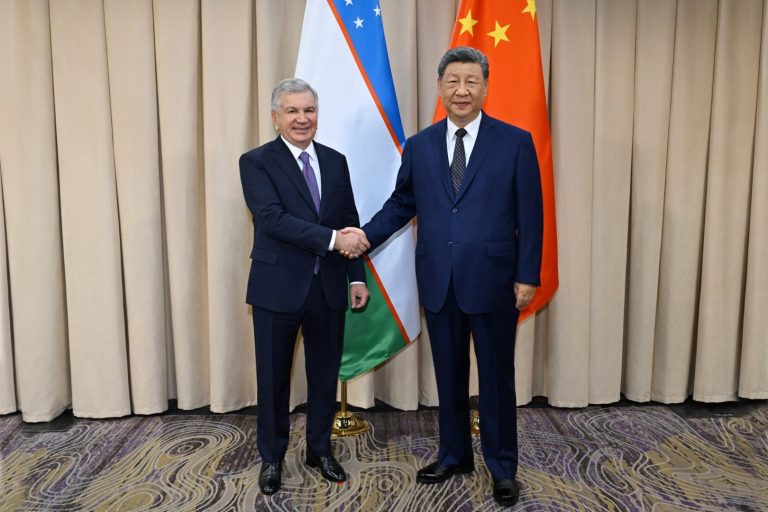
    Uzbekistan and China are moving to deepen cooperation across mining, mineral processing, and nuclear energy, as President Shavkat Mirziyoyev and Chinese President Xi Jinping discussed a broader economic partnership at the Shanghai Cooperation Organization summit in Bishkek. Alongside a shared ambition to raise bilateral trade from roughly $18 billion last year to $30 billion, the two leaders singled out mining and the extraction and processing of mineral resources as priority areas for expanded industrial cooperation.

    The resource-sector focus sits within a much larger investment relationship: an estimated $60 billion in ongoing joint investment projects and more than 6,000 joint ventures are already active in Uzbekistan. Metallurgy was named specifically among the priority industrial sectors, alongside energy, chemicals, and high technologies — a signal that Chinese capital and technical expertise are expected to flow further into Uzbekistan’s mining and metals value chain, from raw extraction through to processing and downstream materials.

    On the nuclear side, Uzbekistan reiterated its intent to attract Chinese companies into peaceful nuclear energy projects, positioning this alongside conventional and renewable power as part of a broader energy diversification strategy. This comes as Tashkent has been actively courting international partners for both large-scale and small modular reactor projects, and China’s inclusion in that mix points to growing competition among global nuclear vendors for a foothold in Central Asia’s emerging civil nuclear market.

    Supporting infrastructure for these ambitions is also advancing: the China-Kyrgyzstan-Uzbekistan railway, currently under construction, is expected to strengthen Eurasian transport connectivity under the Belt and Road Initiative — a corridor that would also serve as a logistics backbone for moving mined and processed materials to Chinese and regional markets.

    Taken together, the mining and nuclear commitments reflect a shift in the Uzbekistan-China relationship beyond trade volumes and consumer manufacturing (such as the BYD electric vehicle partnership) toward deeper integration in resource extraction, materials processing, and energy security — areas where China’s demand for critical minerals and Uzbekistan’s mineral wealth and nuclear ambitions increasingly align.


  • UK Government Integrates Trelavour Lithium Project into National Infrastructure Programme

    UK Government Integrates Trelavour Lithium Project into National Infrastructure Programme

    In a significant move for the UK mining sector, the Government has included the Trelavour Lithium Project in its Lead Environmental Regulator pilot programme. This initiative places the project alongside other major infrastructure undertakings such as Sizewell C, East West Rail, and the Lower Thames Crossing, marking a pivotal moment for the Cornish Lithium initiative. Previously, the notion of a lithium project in Cornwall being recognised alongside nuclear energy and national grid developments would have seemed implausible. However, the Trelavour project is now the only critical minerals project featured in this prestigious list, highlighting its importance to the UK’s energy future.

    The inclusion in the pilot programme provides a streamlined regulatory process, as the Environment Agency will serve as the single point of contact for environmental regulation. This coordination aims to facilitate quicker decision-making and enhance communication between various regulatory bodies. The government’s commitment to improving the efficiency of the regulatory framework is crucial, as it allows projects like Trelavour to progress without unnecessary delays. The expectation is that while standards remain unchanged, the time taken to reach decisions will be significantly reduced.

    This shift in perspective reflects a broader recognition of domestic lithium as a vital component of national infrastructure. As the UK seeks to bolster its battery and clean energy supply chains, the Trelavour Lithium Project is increasingly seen as essential rather than merely a niche mining operation. The government’s approach underscores the importance of better coordination in delivering national ambitions and ensuring that critical minerals projects are realised.

    The Trelavour project represents a key step in the UK’s reindustrialisation efforts, demonstrating how strategic planning and regulatory support can facilitate the development of critical mineral resources. The focus on lithium is not just about mining; it is about laying the groundwork for a sustainable energy future, where domestic resources are harnessed to support the transition to clean energy technologies. As the UK continues to navigate its energy landscape, the successful implementation of projects like Trelavour will be instrumental in achieving its long-term sustainability goals.

  • Lindian Resources Reports Progress on сRare Earths Project Ahead of Q4 2026 Production

    Lindian Resources Reports Progress on сRare Earths Project Ahead of Q4 2026 Production

    Lindian Resources Limited has announced significant advancements in the construction and operational readiness of its Kangankunde Rare Earths Project in Malawi, with first production slated for the fourth quarter of 2026. The company is on track for front-end commissioning by late October 2026, with practical completion expected in November 2026. As mining operations ramp up, ore is being mined and stockpiled in preparation for commissioning, while construction of the process plant and tailings storage facility (TSF) is progressing rapidly.

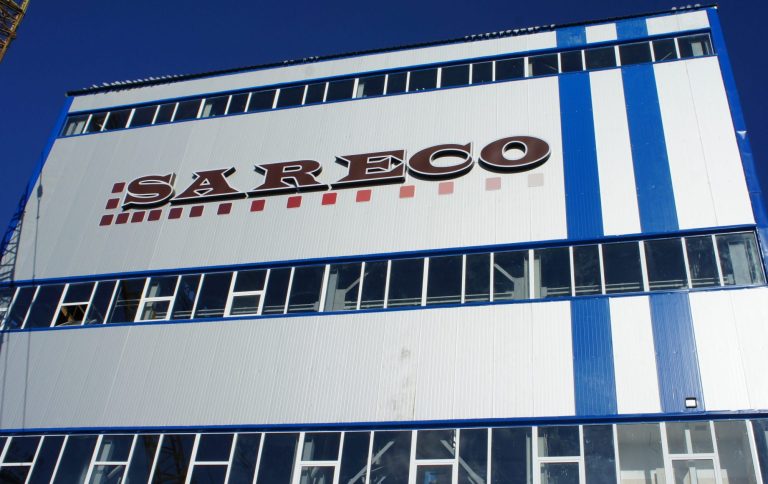
    The company is concurrently enhancing its operational capabilities across multiple regions, including Kazakhstan, Singapore, and Perth, to support the Kangankunde project and its recently acquired SARECO MREC Processing Facility in Kazakhstan. Lindian’s Executive Director, Zac Komur, highlighted the importance of this phase, noting that construction, mining, and operational readiness are advancing together, which is crucial for a smooth transition to production.

    Key infrastructure developments include the completion of the first phase of a 33kV powerline and ongoing water supply infrastructure enhancements, both critical for the commissioning of the process plant. The construction of the TSF is also on schedule, with civil works advancing towards completion by the end of October 2026.

    In addition to the project’s physical advancements, Lindian is focused on building its operational team, with key personnel being recruited and transferred to ensure a skilled workforce is in place for the upcoming production phase. The company is also expanding its corporate and operational support capabilities in Perth, further strengthening its position as it moves towards production.

    Overall, Lindian Resources is making significant strides in its efforts to establish the Kangankunde Rare Earths Project as a key player in the global rare earth supply chain, with the potential for substantial production capacity and strategic partnerships enhancing its market position.


  • Investment Programme Advances at Nurkazgan Mine with New Infrastructure Developments

    Investment Programme Advances at Nurkazgan Mine with New Infrastructure Developments

    The Nurkazgan mine’s Western section is undergoing significant advancements as part of its investment programme aimed at enhancing production infrastructure and improving extraction efficiency. A key milestone in this initiative is the construction of a crushing and conveyor complex, along with ore pass No. 16, located at a depth of -140 metres. This project is set to facilitate the continued extraction of lower levels of the deposit and enable the transition to continuous ore transportation to the surface. Over 8.4 billion tenge will be allocated for the creation of this autonomous infrastructure network across various levels of the mine.

    The majority of the funding, exceeding 6 billion tenge, is earmarked for the construction of the crushing and conveyor complex at the -140 metre level, which is expected to commence operations by the end of 2026. The remaining funds will support the establishment of a service base, which will be relocated underground to optimise processes. Plans for 2027 include the commissioning of an underground explosives storage facility with a capacity of 30 tonnes at the 0 metre level, alongside the launch of a repair station. By 2028, the construction of a refuelling station at the -60 metre level is anticipated to be completed.

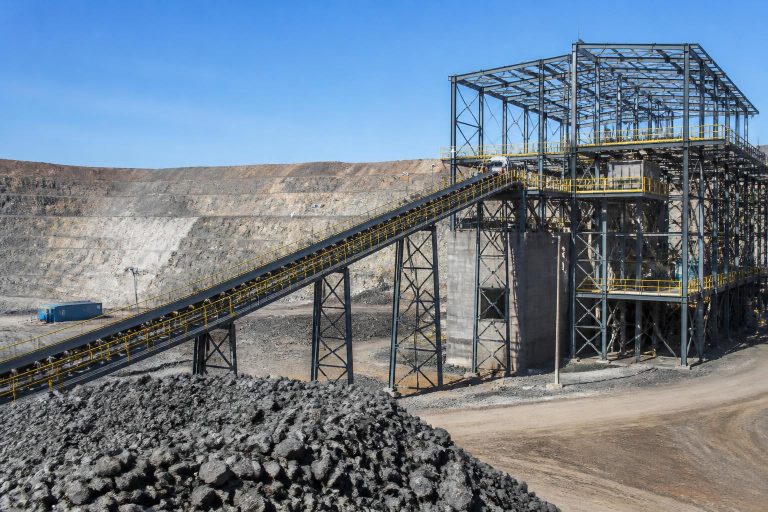
    The necessity for extensive modernisation stems from the progressive shift of mining operations to deeper levels of the mine, and subsequently, the development of the Eastern section of the Nurkazgan deposit. As part of the project, builders are excavating conveyor drifts, transfer chambers, and crushing chambers, where technological equipment will soon be installed. The rock mass will be transported by load-haul-dump (LHD) machines over minimal distances and dropped into the ore pass, where a crushing complex will be installed to process large rock blocks.

    A significant advantage of this project is its execution by the Corporation’s own resources. All phases of the work are being carried out by internal specialised divisions and relevant services, ensuring a high level of coordination, quality of work, prompt resolution of emerging issues, and effective use of internal resources. The management, coordination, and support of the project are overseen by the Capital Production Projects Department. Construction and installation work is being performed by the G. Omarov Shaft Construction Trust, while the installation of conveyor equipment is managed by the Repair and Mechanical Specialised Management. The manufacturing of technological equipment and metal structures is provided by Maker LLP. Quality control of mechanical and electrical work is conducted by the respective services of the chief mechanic and chief energy specialist of Nurkazgan TKO.

    Crushed ore will be fed into a new conveyor cascade with a total length of 844 metres. With a belt width of 1200 mm and a speed of 3.5-4 m/s, the system will ensure the continuous lifting of 1200 tonnes of ore per hour to a height of nearly 100 metres. At this point, the complex will connect with the existing main conveyor 3.2. The scheme includes the physical extension of the existing mainline and the phased augmentation of current main conveyors, creating a seamless transport artery for delivering ore from the depths of the mine directly to the processing plant.

    In addition to direct economic benefits and reduced fleet maintenance costs, the project enhances workplace safety. The automation of processes for moving large volumes of rock mass will completely remove personnel from potentially hazardous areas of underground mining. The implementation of these engineering solutions will ensure uninterrupted ore delivery, improve production efficiency, and establish a reliable foundation for the sustainable operation and long-term development of the Nurkazgan mine.


  • Kazakhmys Begins Construction of Kazakhstan’s Deepest Mine Shaft

    Kazakhmys Begins Construction of Kazakhstan’s Deepest Mine Shaft

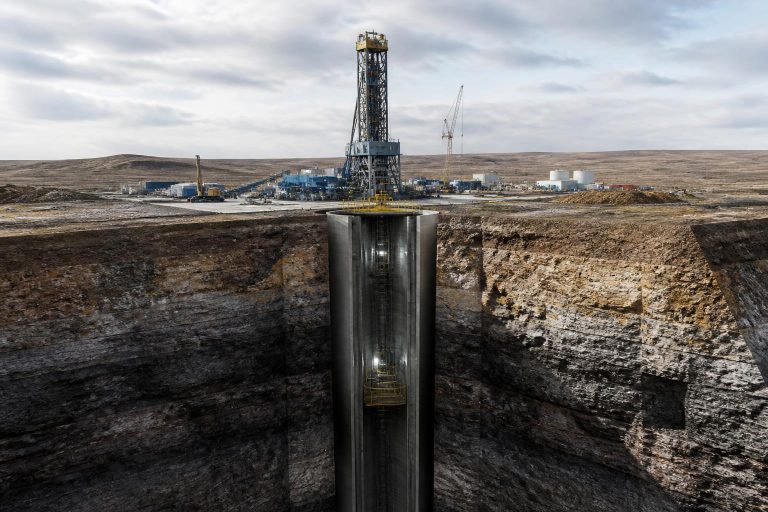
    Kazakhmys Corporation has embarked on one of the largest investment projects in recent years with the construction of the ‘Air Supply Shaft-2’ at the Nurkazgan deposit in the Karaganda region. The project, which involves an investment exceeding 32.5 billion tenge, aims to enhance the development of the Eastern section of the deposit and marks a significant milestone in the evolution of the Nurkazgan mine.

    The new shaft, projected to reach a depth of 1,283.9 meters, will become the deepest mine shaft in Kazakhstan. Its construction is expected to facilitate the further exploration of ore reserves, improve industrial safety standards, and establish a modern infrastructure that will support the mine’s operations for decades to come. A ceremonial event to mark the commencement of construction was attended by key figures, including Nurmukhamet Abdibekov, Chairman of the Board of Kazakhmys, and other senior executives.

    Abdibekov highlighted the project’s significance, stating that it represents a long-term investment in safety, production development, and the strengthening of the company’s resource base. The primary objective of the project is to uncover the ore reserves in the Eastern section, ensure a fresh air supply to underground workings, and create a safe environment for workers.

    Construction will involve the excavation of over 65,000 cubic meters of rock and the establishment of nine connections with existing mine horizons. The completion of the shaft is anticipated by 2031, after which it will be equipped with advanced technological systems, including a cage lift, main ventilation unit, and a modular heating boiler to warm the air entering the mine.

    Looking ahead, Kazakhmys plans to initiate the construction of the ‘Ventilation Shaft-2′ in 2027, which will complement the newly built shaft and create a unified engineering infrastructure. This infrastructure will ensure effective ventilation and safe operations at the mine, enabling the further exploration of new ore reserves.

    The confirmed reserves at the Nurkazgan deposit, which contain copper, gold, and silver, support the sustainable operation of the mining and processing complex for over 40 years. The project’s implementation is a crucial step in Kazakhmys’ long-term investment programme aimed at enhancing production capacities, improving industrial safety, and reinforcing the company’s resource base.


  • Kazakhmys Begins Construction of Kazakhstan’s Deepest Mine Shaft

    Kazakhmys Begins Construction of Kazakhstan’s Deepest Mine Shaft

    Kazakhmys Corporation has commenced the excavation of the ‘Air Supply-Cage-2’ mine shaft at the Nurkazgan deposit in the Karaganda region, which is set to become the deepest mine shaft in Kazakhstan, reaching a projected depth of 1,284 metres. The investment for this construction is estimated at 32.5 billion tenge. This shaft will serve as a crucial hub for the future infrastructure of the Eastern section of the deposit, primarily aimed at accessing ore bodies located at deep levels, ensuring ventilation for the mine, and facilitating the descent and ascent of workers.

    The project entails a significant volume of work, with approximately 65,000 cubic metres of rock mass expected to be extracted during the excavation process. There are plans for nine intersections with existing levels. The excavation is scheduled to continue until 2031, after which modern equipment will be installed in the shaft, including a cage lift, a main ventilation unit, and a modular boiler that will heat the air entering the underground workings.

    In parallel, Kazakhmys is preparing for a new phase of development at the site, with work on the companion shaft ‘Ventilation-2’ set to begin next year. Once all operations are completed, the finished shafts will form a comprehensive infrastructure for the future extraction of copper, gold, and silver. Geologists estimate that the confirmed reserves at Nurkazgan will allow the mining and processing plant to operate for over four decades.


  • Sasa Completes Major Raisebore Project to Enhance Mine Operations

    Sasa Completes Major Raisebore Project to Enhance Mine Operations

    Sasa has successfully completed a significant raisebore project that has delivered over 1.5 kilometres of ventilation raises, ore passes, and waste passes, marking a crucial step in supporting the mine’s long-term operational future. This extensive project is designed to improve underground ventilation, which is vital for maintaining a safe and efficient mining environment. Additionally, the new infrastructure will optimise the transport of ore and waste, facilitating smoother operations and enhancing access to future mining areas.

    The completion of this project is particularly important as Sasa continues its development towards the 700 and 600 levels of the mine. By improving ventilation and transport systems, the mine is poised to increase its productivity and operational efficiency. The enhancements are expected to not only support current mining activities but also lay the groundwork for future expansions and developments within the mine.

    As the mining industry faces increasing demands for efficiency and sustainability, projects like Sasa’s raisebore initiative highlight the importance of investing in infrastructure that supports both operational goals and environmental considerations. The successful execution of this project underscores Sasa’s commitment to advancing its mining operations while ensuring safety and sustainability are at the forefront of its development strategy.


  • Uzbekistan Opens Nation’s First 1,000-Meter Skip Shaft at Zarmitan Mine

    Uzbekistan Opens Nation’s First 1,000-Meter Skip Shaft at Zarmitan Mine

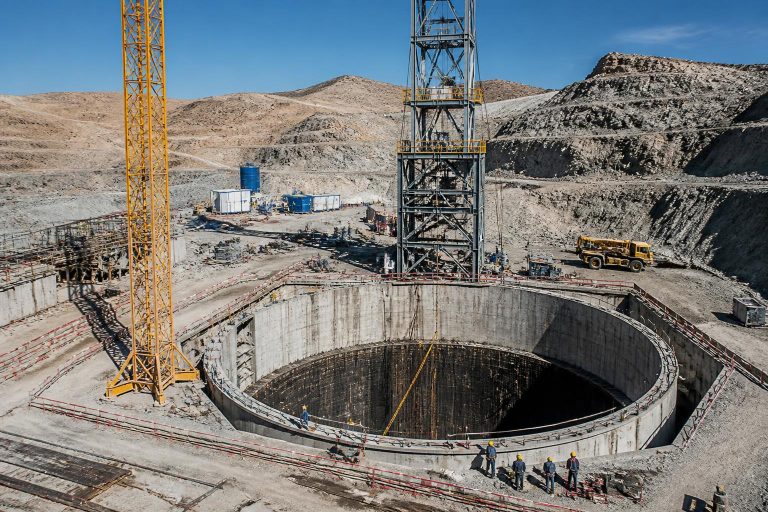
    On April 30, 2025, Uzbekistan marked a historic milestone in its mining industry with the inauguration of the country’s first 1,000-meter-deep skip shaft. The event was held at the Zarmitan deposit, part of the Southern Mining Department in the Koshrabot district of Samarkand Region, under the investment project “Development of Lower Horizons of the Zarmitan Deposit.”

    The ceremonial launch was attended by Deputy Minister of Mining and Geology U. Yusupov, Chairman of the Board of NMMC JSC K. Sanakulov, leaders of the plant’s enterprises, representatives of Mine Construction Alliance S.r.o, media personnel, plant workers, and industry veterans.

    As part of the project, the skip shaft—measuring 6.5 meters in diameter—was deepened to 1,000 meters. This engineering achievement, which incorporates innovative construction solutions and digital technologies, will significantly boost ore transport efficiency, reduce operational costs, and create 90 new jobs. The projected annual economic benefit is estimated at 19.2 billion Uzbek soums.

  • LKAB to Replace Aging Sorting Plant in Vitåfors

    LKAB to Replace Aging Sorting Plant in Vitåfors

    Swedish mining company LKAB has announced plans to replace its aging sorting plant in Vitåfors, which has reached the end of its service life. The new facility will be constructed adjacent to the existing plant on a 24,000-square-meter site, improving efficiency and accommodating larger volumes of iron ore processing.

    “The sorting plant has served us well over the years, but it no longer meets modern operational requirements in terms of work environment and technology. Additionally, we need to handle greater production volumes,” said Monika Sammelin, Area Manager at LKAB.

    The project will begin with excavation work to create space for the new plant, followed by foundation engineering and groundwork preparations. A construction contract will be signed when building work officially begins.

    This initiative follows an earlier agreement in June 2024, when LKAB partnered with NCC to build a direct reduction plant and related infrastructure in Malmberget. The companies are now expanding their collaboration in the Swedish Ore Fields.

    “By being involved from an early stage, we can provide both resources and specialist expertise to ensure an efficient project implementation. We are pleased to support LKAB’s continued growth,” said Helena Hed, Head of NCC Green Industry Transformation.

  • Kazakhstan’s Ulytau Region Signs Cooperation Memorandum with Kazcink

    Kazakhstan’s Ulytau Region Signs Cooperation Memorandum with Kazcink

    A memorandum of cooperation and interaction between the Ulytau Regional Akimat and Kazcink LLP was signed today, marking a significant step towards supporting the economic development of the Ulytau region and implementing social and infrastructure projects. During the signing ceremony, the regional akim and Kazcink leadership emphasized that this partnership would make a substantial contribution to the sustainable development of the region.

    According to the memorandum, Kazcink LLP will finance 10 social projects in the Zhayrem settlement of Ulytau region this year. These initiatives will focus on healthcare, sports, infrastructure, and improving social facilities.

    Notable plans for 2025 include the construction of a sports complex, installation of external engineering networks, and landscaping within a 60-apartment residential complex project. Additionally, the company will provide coal for heating plants and residential houses. The purchase of 20 apartments for public sector workers, including doctors and teachers, is also planned.

    It is important to note that the partnership between the Ulytau regional akimat and Kazcink began in November 2022. Since then, numerous projects have been implemented that have positively impacted the region’s development and improved the quality of life for its residents.