Tag: Germany

  • State Bank Advises Germany to Diversify Copper, Lithium, and Rare Earth Supplies

    State Bank Advises Germany to Diversify Copper, Lithium, and Rare Earth Supplies

    KfW, the government-owned financing institution, urges Germany to adopt a “balanced catalogue of measures” to secure its essential raw material supply amid the global shifts of decarbonization and digitalization. A research report by IW Consult and Fraunhofer ISI, commissioned by KfW, highlights supply risks in the production and supply chains of key raw materials: copper, lithium, and rare earth minerals. The analysis identifies significant dependencies in sectors like automotive manufacturing, emphasizing the need for diversification at the core of any resilience strategy. With limited suppliers posing supply risks, the report suggests a comprehensive approach, including promoting technological progress for substitution and material efficiency. Germany’s transition to renewable energy faces challenges in sourcing resources for “green” technologies, necessitating strategic measures to avoid environmental and social impacts.

  • How much gold does the UK own compared to other countries?

    How much gold does the UK own compared to other countries?

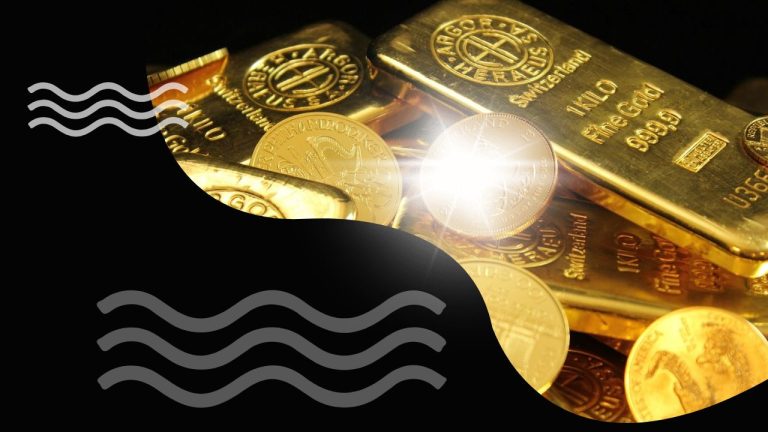
    Several countries around the world are stockpiling gold as a strategic reserve. Here’s a rundown of some of the key players and the amount of gold they hold:

    1. USA: The United States leads the pack with a massive 8,133.46 tonnes of gold bullion, stored in various depositories across the country, including the famous Fort Knox.

    2. Germany: Coming in second, Germany holds 3,352.65 tonnes of gold. Concerns during the Cold War led Germany to spread its gold reserves globally, with a significant portion repatriated in recent years.

    3. Italy: Italy holds slightly more gold than France, with 2,451.84 tonnes stored in vaults in Rome and abroad, managed by the Banca d’Italia.

    4. France: France has stockpiled 2,436.97 tonnes of gold, acquired largely during the 1950s and 1960s. Most of its reserves are held in vaults under the Banque de France in Paris.

    5. Russia: Russia has been aggressively increasing its gold reserves, currently holding 2,332.74 tonnes. This move is seen as a strategic effort to reduce reliance on the US dollar.

    6. China: China boasts 2,235.39 tonnes of gold, making it the world’s largest gold producer and a significant importer as well. The country’s reserves have been steadily increasing over the years.

    7. Switzerland: Switzerland holds 1,040 tonnes of gold, with the majority stored at home. The country’s reputation for financial stability has made it a preferred location for storing gold.

    These countries, among others, view gold as a valuable asset for diversifying their reserves and protecting against economic uncertainty.

  • ArcelorMittal Secures €1.3bn Grants to Decarbonize German Steel Plants

    ArcelorMittal Secures €1.3bn Grants to Decarbonize German Steel Plants

    ArcelorMittal, Europe’s largest steelmaker, has received approval from the European Commission for €1.3 billion in grants to facilitate the decarbonization of two steel plants in Germany through the use of low-carbon hydrogen.

    The grants, sanctioned by the European Commission, are set to bolster ArcelorMittal’s efforts in transitioning its steel plants in Bremen and Eisenhüttenstadt towards greener practices, with plans to utilize renewable hydrogen exclusively. Despite initial operations relying on natural gas, the plants are slated for a shift towards renewable hydrogen, marking a significant step towards sustainable steel production.

  • German сoal plants may have to remain on standby longer than planned

    German сoal plants may have to remain on standby longer than planned

    The German government is evaluating prolonging the period in which decommissioned coal-fired power plants would be demanded to remain on standby for emergency backup past the currently scheduled deadline in the spring of 2024, according to a report in the esteemed German business publication Handelsblatt citing a spokeswoman for the economy ministry.

    In light of the energy and gas crisis precipitated by the loss of Russian gas last year, both utilities and governments are rightly concerned to maintain security of electricity supply during periods of peak demand. Consequently, Germany has already reactivated several coal units operated by RWE and LEAG on a temporary basis until March 2024.

    This preventative step follows the successful utilization of such backup coal capability throughout the previous winter. Now the administration is weighing an extension of this standby arrangement beyond 2024 springtime to forestall any energy shortfalls, per the source mentioned.

    Timely resolution of this matter is pressed by the need for utilities to make adequate arrangements regarding coal procurement and maintaining stable energy infrastructure, as emphasized by a spokesperson for Uniper to Handelsblatt. Currently 11 coal-fired power stations with a combined output of 6.2 gigawatts are contributing additional electricity to the German grid. A sensible decision can thus be expected from the government in due course.

  • Germany extends emergency coal capacity for another winter

    Germany extends emergency coal capacity for another winter

    Faced with the challenge of another winter with limited gas supplies, the German government has made the decision to keep its lignite coal power plants on standby for one more season. This decision comes as part of Germany’s plan to gradually and collectively shut down its coal power plants in exchange for a portion of the government’s €40 billion coal phase-out fund.

    Last year, the coal plants were kept operational due to disruptions in gas supplies from Russia following the Ukraine conflict, as well as issues with France’s nuclear generation capacity. To address this emergency situation, the government has extended the measure for the upcoming winter, ensuring that approximately 1.9 GW of lignite capacity remains available. This adds to Germany’s existing 45 GW of coal power plants.

    The primary purpose of keeping the lignite plants on standby is to reduce the reliance on gas in electricity generation during periods of peak demand, thus helping to maintain lower electricity prices. By reactivating the supply reserve, the government aims to save gas in electricity generation and prevent supply bottlenecks during the 2023/2024 heating period. It is estimated that this measure will result in gas savings ranging from 3.9 TWh to 5.6 TWh, leading to a reduction in electricity prices by €0.4 per Megawatt-hour (MWh) to €2.8 per MWh.

    While these gas savings are significant, it is important to acknowledge the climate impact associated with running lignite coal power plants. Lignite is known to be the biggest contributor to climate pollution. The government has expressed its commitment to assessing the additional carbon emissions resulting from keeping the coal plants on standby. These emissions are estimated to range from 2.5 to 5.6 tonnes of CO2.

    Despite the decision to keep the lignite plants operational, the government emphasizes that the goal of achieving a coal phase-out by 2030 remains unchanged, as do the climate targets. The data from the third quarter of 2023 supports this assertion, as Germany witnessed its lowest-ever power generation from coal, amounting to only 22.2 TWh. This is a significant decrease compared to the over 60 TWh produced eight years ago.

  • Coal imports from Colombia rise as Germany bolsters supply substitutes for Russia

    Coal imports from Colombia rise as Germany bolsters supply substitutes for Russia

    Clean Energy Wire
    Colombia has become an important supplier of hard coal to Germany, substituting for Russia, the government has said in an answer to a parliamentary inquiry by the Left Party. Between January and May, the South American country’s share in imports rose to 15.6 percent, making it one of the most important suppliers together with the U.S. and South Africa. In total, Germany imported some 2.6 million tonnes of coal from Colombia in the first five months of 2023. Already in 2022, imports had tripled compared to the previous year, reaching around 5.7 million tonnes. Imports from Russia previously accounted for about half of hard coal supplies to the country but were abruptly ended due to sanctions imposed following Russia’s invasion of Ukraine.

    The Left Party criticised imports from Colombia on grounds of allegations against operators of the El Cerrejon mine. This mine that is key to the country’s hard coal exports and is owned by Swiss-based Glencore has been accused of severe environmental damage and human rights violations, said the Left Party.

    Amid the war in Ukraine, Germany re-started some of its old coal-fired power plants to maintain supply security after the loss of Russian fossil fuel imports, particularly gas. The country is still heavily dependent on imported fossil fuels, and ceased mining its own hard coal in 2018. Offically, the country aims to exit coal by 2038 at the latest, although the current government has said it aims to already do so by 2030.

  • RWE tears down operational wind turbines in grab for more coal

    RWE tears down operational wind turbines in grab for more coal

    The demolitions are part of a deal brokered with Vice Chancellor Robert Habeck and Economics Minister for North Rhine Westphalia, Mona Neubaur, that is supposed to see RWE wind down its coal operations by 2030. RWE is Europe’s second largest CO2 emitter from coal power stations, and has razed over 100 villages in the Rhineland region to make way for its coal operations. Germany’s government is still aiming to exit coal by 2030.

    “The current climate emergency requires urgent and concerted efforts to accelerate the deployment of every single wind turbine, solar panel and heat pump that we can muster. Anything that diverts from this critical endeavour, especially the dismantling of renewable energy sources to extract more fossil fuels, must be unequivocally prohibited,” said Fabian Hübner, senior campaigner in Germany at Beyond Fossil Fuels.

  • Exploring Sustainable Mining and Resource Practices in Europe: Germany and Finland’s Venture into IMARC 2023 Down Under

    Exploring Sustainable Mining and Resource Practices in Europe: Germany and Finland’s Venture into IMARC 2023 Down Under

    Germany, a nation lauded for its technological excellence and dedication to ecological sustainability, stands at a crucial juncture concerning the trajectory of its mining and resources sector.

    Throughout history, mining has been a cornerstone of Germany’s economy. However, today, this industry grapples with an array of challenges that necessitate a harmonious approach. Balancing the imperatives of economic expansion, environmental preservation, and reducing dependence on foreign resources is of paramount importance.

    Germany, renowned for its technological prowess and commitment to ecological sustainability, stands at a critical juncture in shaping its mining and resources sector’s future.

    Throughout its history, mining has been a linchpin of Germany’s economy. Nevertheless, the sector now confronts an array of challenges that necessitate a harmonious approach. Striking a balance between economic expansion, environmental preservation, and reducing reliance on foreign resources has become imperative.

    Juergen Wallstabe, representing the German-Australian Chamber of Industry and Commerce, points out that although mining activities have waned across Europe over several decades, Germany has expanded its global presence in the resources sector. High-tech METS companies in Germany are increasingly exporting innovative and technologically advanced solutions worldwide.

    Wallstabe is optimistic that IMARC will provide a platform for established and emerging German firms to enhance their reputation for technological excellence and innovation.

    “Germany’s leading position in engineering and manufacturing has resulted in a world-leading METS sector,” Wallstabe emphasizes. “We are convinced that on the one hand, German METS companies can support the Australian and other mining industry operators to reach their targets related to safety, productivity, efficiency, and decarbonization. On the other hand, Australia is a valuable partner for Germany’s resources needs.”

    IMARC has been highlighting the industry’s environmental impact and its role in fostering a sustainable, decarbonized economy in recent years. A particular focus has been on the often-unwelcome legacy of mining operations, which have left lasting scars on landscapes, disrupted ecosystems, and polluted water sources.

    Wallstabe highlights that IMARC offers an opportunity to showcase how Germany’s emphasis on environmental protection has led to stringent regulations for mitigating these legacy impacts.

    “Germany’s commitment to remediating and restoring abandoned mining sites demonstrates our dedication to healing environmental wounds. IMARC offers a chance to share our experiences and learn from others facing similar challenges,” he notes.

    Energy security is back in the spotlight in Europe, partly driven by the ongoing conflict in Ukraine and the need for reliable energy supply. Germany’s ambitious Energiewende (energy transition) plan aims to phase out nuclear power and significantly reduce carbon emissions by promoting renewable energy sources. Consequently, the focus has shifted towards sustainable mining practices supporting the production of materials crucial for renewable energy technologies, such as lithium for batteries and rare earth elements for wind turbines and solar panels. This presents an opportunity for the mining sector to contribute positively to Germany’s energy transformation.

    Wallstabe notes, “To manage the energy transition, Germany’s and Europe’s need for critical minerals will increase dramatically for the foreseeable future. Australia is already and will continue to be a key player in securing a steady supply of critical minerals. Wind turbines need steel, copper, and strong magnets with rare earths minerals. Batteries consist of a wide range of critical minerals like Lithium, Manganese, Copper, Nickel, Cobalt, and the hydrogen industry needs Platinum, Iridium or Scandium. All resources that Europe struggles to produce in sufficient quantities.”

    IMARC spokesperson Paul Phelan underscores the significance of Germany’s strong representation at the event. He believes that delegates can anticipate a showcase of Germany’s renowned innovation, particularly within the mining sector.

    “It is clear that Germany’s public and private sectors are investing in the long term, with its research institutions and companies actively exploring novel technologies to enhance resource extraction efficiency, reduce environmental impacts, and improve worker safety,” says Phelan.

    “Automation, digitalization, and artificial intelligence are becoming integral to modern mining practices, enabling better resource management and reduced ecological footprints. IMARC offers an opportunity to witness how a technological giant like Germany is leading the way.”

    Germany’s mining industry, like that of other advanced nations, is closely linked to global supply chains. Ensuring ethical sourcing and responsible procurement of minerals from abroad becomes crucial in upholding the nation’s commitment to sustainability.

    Finland, on the other hand, adopts a different approach to secure critical minerals, emphasizing e-waste recycling. Birgit Tegethoff, Senior Advisor at Business Finland Australia, highlights Finland’s leadership in e-waste recycling, with companies like Metso pioneering hydrometallurgical battery black mass recycling.

    “The Finnish mineral industry has the circular economy heavily ingrained in its DNA, giving it a competitive edge in the global market. By increasing the use of recycled components in battery production, we can reduce the carbon footprint throughout our battery supply chain and lessen our dependence on international supply chains,” notes Tegethoff.

    Developing strategic international partnerships in the green minerals sector is a top priority for Finland. Ilkka Homanen, the head of the Finnish delegation, has extended an invitation to Australian research institutes and the broader resource industry to engage at IMARC 2023 and join consortia aimed at solving green minerals value chain challenges.

    Rolf Kuby, Director-General of Euromines, asserts that the issues facing Germany and Finland are not unique but are felt across Europe. He emphasizes the need to build a degree of open strategic autonomy and future-proof value chains.

    Phelan highlights Europe’s profound energy transformation in alignment with the EU’s sustainability and innovation goals. He believes that events like IMARC provide a platform for leading economies to secure their “resources resilience.”

    In addition to the Germany pavilion, a 90-minute German Program will be featured at IMARC 2023, curated by the German delegation and Chamber within the Global Opportunities Theatre.

    Other programs featured at the event this year include Canada, Australia, Mongolia, Ecuador, Chile, Saudi Arabia, Quebec, Ontario, and South Korea.

  • Uniper to Permanently Close Coal-Fired Power Plant in Germany

    Uniper to Permanently Close Coal-Fired Power Plant in Germany

    Uniper has announced its decision to retire the Heyden 4 hard coal-fired power plant located in Petershagen, Germany, in the coming year.

    This energy company, predominantly owned by the German government with a 99.1% stake, had previously suspended commercial operations at the plant. However, it resumed operations in 2022 after divesting from Russian energy investments in the wake of the Ukraine invasion. The Heyden 4 power plant boasts a net capacity of 875 megawatts and currently employs a workforce of 95 individuals, as confirmed by Uniper. The official decommissioning date for the plant is set for September 30, 2024, according to the company’s announcement.

    Holger Kreetz, the Chief Operating Officer of Uniper, expressed, “The forthcoming decommissioning in the autumn of 2024 marks a significant milestone for both the Federal Republic of Germany’s commitment to phasing out coal-fired power generation and Uniper’s broader portfolio transformation.”

    Uniper has outlined its strategic objective to discontinue coal-fired energy generation entirely by the year 2029.

  • Huge theft rocks Europe’s largest copper producer

    Huge theft rocks Europe’s largest copper producer

    “During a scheduled review of metal inventories, Aurubis has identified considerable discrepancies in target inventory,” the German company said Thursday in a statement. Aurubis claimed that “criminal activity” was behind the shortfall.

    Aurubis produces about 1.1 million tonnes (1.2 million tons) of copper “cathodes,” or square sheets, per year at plants in Europe and the United States. The company accounts for around 30% of Europe’s production of such copper and 3% to 5% of global output, a spokesperson told CNN.

    Copper is widely used in construction, including in electrical wires and water pipes. It is also a vital metal for energy transition as it is used in wind turbines, solar panels and electric cars.

    The financial hit from the theft at Aurubis “might be in the low, three-digit-million-euro range,” the company said, warning that as a result it will not achieve the profit it has forecast for this fiscal year.

    Shares of Aurubis plunged Friday, trading 12% lower by mid-afternoon in Europe.

    The company has involved the State Office of Criminal Investigation in Hamburg, Germany, where Aurubis is based, the copper producer said. A spokesperson for the public prosecutor’s office in Hamburg told CNN on Friday that it had not yet received any information from local police or the criminal investigation office about the reported theft.

    Aurubis has also opened investigations by internal and external experts to understand what happened and how its security could be improved.

    This is not the first time the company has disclosed suspected theft. In June, Aurubis said it had identified “past criminal activities.” The public prosecutor’s office and police are investigating an “organized theft ring” targeting “intermediate products” that contain precious metals and which are the result of the company’s production processes.