Tag: EU sanctions

  • EU Weighs Ban on Russian Platinum Group Metals and Copper in New Sanctions Package

    EU Weighs Ban on Russian Platinum Group Metals and Copper in New Sanctions Package

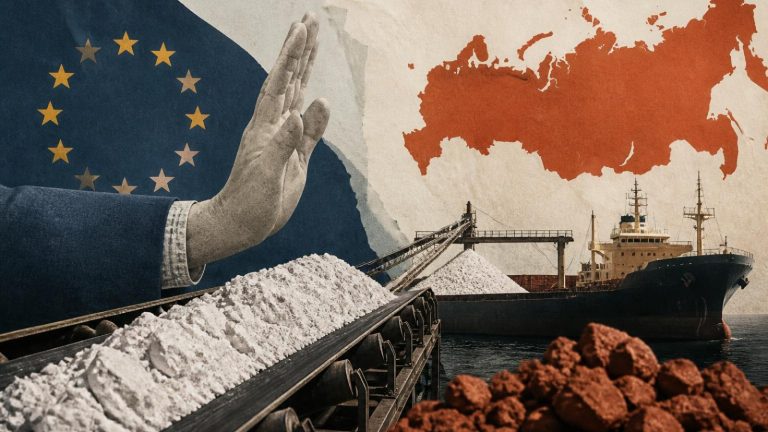
    The European Union is considering expanding its sanctions regime against Russia to include a ban on imports of several platinum group metals and copper, as Brussels looks to tighten economic pressure over Moscow’s war in Ukraine.

    According to sources familiar with the discussions, the proposed measures could cover iridium, rhodium, platinum and copper. The initiative is still under negotiation and would require unanimous approval from all EU member states. The bloc is aiming to finalize the new sanctions package later this month. The European Commission, which coordinates sanctions policy, declined to comment.

    The potential ban comes at a time of already strained global metals markets. Copper prices have reached record levels this year, driven by strong demand and limited mine supply, while platinum is also expected to remain in deficit. Western trading hubs have been progressively distancing themselves from Russian-origin metals. The UK has barred Russian copper produced after April 13, 2024 from trading or delivery on the London Metal Exchange, and Russian refiners were removed from the London Platinum and Palladium Market’s approved delivery list in 2022.

    These restrictions have reduced demand for Russian metals among Western industrial consumers, particularly because sanctioned material can no longer be used for financing purposes. In the copper market, many European buyers have effectively exited Russian supply altogether, especially as several major Russian producers have come under sanctions. Nevertheless, Russian metals continue to find their way into global markets, with much of the volume redirected to Asia.

    If implemented, the new EU measures would primarily affect MMC Norilsk Nickel, Russia’s largest mining group and a key supplier to global industry. The company accounts for roughly 40% of global palladium used in automotive catalysts, a metal not included in the current proposal. Norilsk Nickel is also Russia’s largest producer of platinum, iridium, rhodium, nickel and copper, and has so far avoided direct EU sanctions because of its systemic importance to global supply chains.

    Separately, the EU is also reviewing options to replace its existing price cap on Russian oil with a ban on maritime services, according to earlier reports.

  • Aluminum Prices Rise Amid EU’s Planned Ban on Russian Imports

    Aluminum Prices Rise Amid EU’s Planned Ban on Russian Imports

    Aluminum prices in London surged as the European Union prepared to introduce a phased ban on Russian imports. The proposed measure, part of a broader sanctions package, would initially allow a quota of 275,000 metric tons for one year before imposing a full ban, according to sources.

    Since Russia’s invasion of Ukraine in 2022, calls for an aluminum ban have grown, and EU imports from Russia have already declined as manufacturers seek alternative suppliers. However, some European buyers and member states have resisted a total ban, citing challenges in replacing certain products.

    The EU imported approximately 320,000 tons of unwrought aluminum from Russia in the first 11 months of 2024, making up 6% of total imports. Meanwhile, Russia has significantly increased sales to China.

    Following news of the EU’s proposal, aluminum prices on the London Metal Exchange rose 2% to $2,624.50 per ton, while copper and lead also gained. Traders are closely watching the impact of global trade tensions, particularly upcoming US tariffs on China, Canada, and Mexico. The White House reaffirmed that these levies will take effect on February 1, with President Donald Trump hinting at even broader trade restrictions in the future.


  • Kremlin Warns of Market Risks from Proposed EU Aluminum Ban

    Kremlin Warns of Market Risks from Proposed EU Aluminum Ban

    The Kremlin expressed concerns on Wednesday about potential European Union sanctions targeting imports of Russian primary aluminum, stating such measures could destabilize the already delicate global aluminum market. The warning follows reports from Reuters suggesting that the European Commission plans to include a ban on Russian aluminum in its upcoming 16th sanctions package over the war in Ukraine.

    Kremlin spokesperson Dmitry Peskov remarked that these discussions could hypothetically lead to global market disruptions. Russian aluminum producer Rusal, the world’s largest supplier outside China, has yet to comment on the proposed measures.

  • Germany’s Uranium Imports from Russia Surge in 2024 Amid EU Debates

    Germany’s Uranium Imports from Russia Surge in 2024 Amid EU Debates

    Germany significantly ramped up its uranium imports from Russia in 2024, recording a 70% increase to 60.8 tons, according to a report from Der Spiegel based on data from Lower Saxony’s Ministry for Environment, Energy, and Climate Protection. The uranium is processed at the Advanced Nuclear Fuels facility in Lingen, operated under French ownership through Framatome, part of energy company EDF. This facility is preparing specialized nuclear fuel cells for WWER reactors, a Soviet-era design predominantly used in Eastern Europe, which have traditionally relied on Russian-made fuel.

    Germany’s Federal Ministry for the Environment clarified that uranium imports for peaceful nuclear use are not restricted by current EU sanctions on Russia. This exemption highlights a gap in the EU’s energy embargo strategy, even as the bloc attempts to sever energy ties with Moscow. Attempts to impose nuclear-related sanctions have repeatedly stalled due to opposition from member states like Hungary and Slovakia, which rely heavily on Russian energy cooperation.

    Dan Jorgensen, the EU’s energy commissioner, recently admitted that the union’s efforts to curtail dependency on Russian energy, including nuclear fuel, have faltered. Jorgensen emphasized the need for a robust new strategy to address this issue, pointing out that existing policies are failing to achieve their intended goals. His proposed roadmap is expected to outline more effective measures to reduce reliance on Russian energy resources across the EU.