Tag: Eastern Europe

  • CATL Signs 2 GWh Sodium-Ion Battery Storage Deal with Eastern European Renewable Energy Company Solarpro

    CATL Signs 2 GWh Sodium-Ion Battery Storage Deal with Eastern European Renewable Energy Company Solarpro

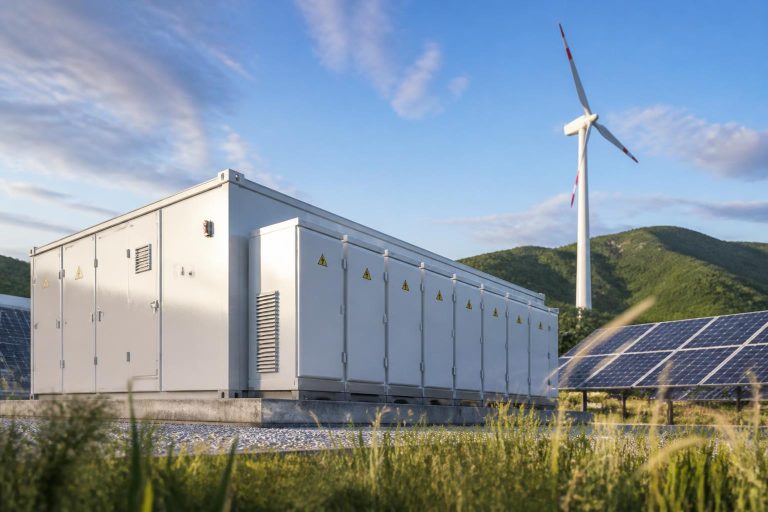
    CATL, the world’s largest battery manufacturer, has signed a significant cooperation agreement with Solarpro, an Eastern European renewable energy company, for 2 GWh of Tener Sodium energy storage systems. This deal represents CATL’s second major sodium-ion energy storage order in Europe within a single month, underscoring the accelerating adoption of next-generation energy storage technology across the continent. The companies plan to jointly deploy Central and Eastern Europe’s first large-scale sodium-ion energy storage project this year, marking a pivotal moment in the region’s transition towards advanced battery technologies.

    The Tener Sodium energy storage system demonstrates impressive technical specifications that make it particularly suitable for Eastern European climates. The system boasts a cycle life of up to 15,000 cycles and can operate reliably for 25 to 30 years, providing exceptional longevity for energy storage applications. Notably, the system retains 92% of its capacity at temperatures as low as minus 20 degrees Celsius, enabling it to withstand the harsh winter conditions experienced in Eastern European countries such as Lithuania. This cold-weather performance represents a significant advantage over traditional lithium-ion systems in regions with extreme seasonal temperature variations.

    CATL’s European expansion strategy reflects the company’s broader commitment to sodium-ion battery technology as a transformative force in the global energy storage market. Just one week prior to the Solarpro agreement, CATL signed a memorandum of understanding with European new-energy integrator Alfen NV to deploy 5 GWh of sodium-ion energy storage systems in Western Europe beginning in 2027. The partnership with Solarpro builds upon an existing relationship that commenced in 2024, when the companies deployed a 150 MWh EnerC+ liquid-cooled energy storage system in Bulgaria. Subsequently, in May 2026, a 602 MWh Tener lithium-ion energy storage system jointly developed by the companies was connected to Bulgaria’s power grid, increasing the country’s total energy storage capacity by 10%.

    CATL’s sodium-ion battery initiative represents a strategic response to growing global demand for cost-effective energy storage solutions. The company unveiled the Tener Sodium energy storage system on 22 June, positioning it as the world’s first field-validated sodium-ion battery energy storage solution. The system features a rated capacity exceeding 30 MWh and supports energy storage applications lasting between 1 and 8 hours, whilst maintaining compatibility with existing lithium-ion battery system dimensions, enabling seamless technology transitions. CATL plans to commence initial deliveries in China in September 2026, with shipments expected to reach 1 GWh by year-end, whilst global commercial deliveries are scheduled to begin in June 2027. Founder and chairman Robin Zeng has previously stated that low-cost sodium-ion batteries could eventually replace 30% to 40% of the existing battery market, reflecting the company’s confidence in this technology’s transformative potential.


  • Tethyan Belt Emerges as Exploration Hotspot as ASX Juniors Target Underexplored Eastern Europe

    Tethyan Belt Emerges as Exploration Hotspot as ASX Juniors Target Underexplored Eastern Europe

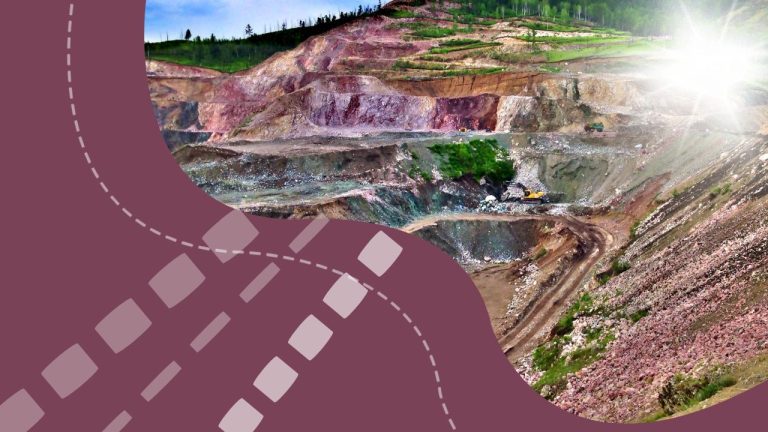
    The Tethyan Belt, one of the world’s most prospective mineral regions, is attracting renewed attention from exploration companies as activity accelerates across its underexplored eastern European segment.

    Stretching across 34 countries from Western Europe to Southeast Asia and covering approximately 7.7% of the Earth’s land area, the belt hosts a significant share of global mineral wealth. According to MinEx Consulting, around 685 major deposits have been identified along the belt, representing 6.6% of known global deposits. These include an estimated 555 million ounces of gold, 293 million tonnes of copper, 16.6 million tonnes of nickel, 245 million tonnes of zinc-lead and 470000 tonnes of uranium.

    Despite its scale, the Tethyan Belt remains relatively underexplored. Over the past two decades, it has attracted $9.8 billion in exploration spending—just 3.4% of global expenditure—yet delivered 143 new discoveries, accounting for 7% of global finds during that period.

    The western end of the belt, particularly across Eastern Europe, has proven to be the most fertile area for discoveries. The region has seen 99 significant deposits identified over the past 40 years, including nine in the last decade alone. Countries across this segment collectively host substantial resources, including 216 million ounces of gold and 63.9 million tonnes of copper.

    Serbia has emerged as a leading jurisdiction within this trend, supported by strong exploration success and active investment from major players such as Zijin Mining. The country has also attracted Australian-listed explorers seeking to replicate recent successes, including Strickland Metals, which has defined an 8.6 million ounce gold equivalent resource at its Rogozna project.

    A wave of ASX-listed junior companies has entered the region in recent months. Regener8 Resources has acquired the Srebrenica North project in Bosnia and Herzegovina, targeting polymetallic mineralisation including silver, copper, zinc and antimony in a historically productive district that has seen little modern exploration since the 1970s.

    Bindi Metals has secured a majority stake in the Ravni gold project in Serbia, where high-grade surface mineralisation and porphyry copper-gold potential have been identified. The company is advancing drilling plans following recent approvals and is targeting multi-million-ounce discoveries.

    Meanwhile, MinRex Resources is progressing a merger with Electrum Discovery Corp to create a well-funded explorer focused on Serbian assets, including the Tlamino gold project and the Timok East copper-gold project. Planned drilling campaigns aim to expand resources and test new targets identified through geophysical surveys.

    Middle Island Resources has also expanded its footprint in Serbia through the acquisition of Konstantin Resources, securing a large prospective land package. Early drilling and soil sampling programs have identified encouraging gold, silver and base metal anomalies, with further exploration planned for the 2026 field season.

    Industry analysts note that declining discovery rates globally have increased the attractiveness of underexplored regions such as the Tethyan Belt. With favourable geology, existing mining infrastructure and growing investor interest, Eastern Europe is increasingly viewed as a key frontier for future mineral discoveries.

  • Serbia to Retain Entire Gold Reserve on Home Soil, Snubbing Traditional Hubs

    Serbia to Retain Entire Gold Reserve on Home Soil, Snubbing Traditional Hubs

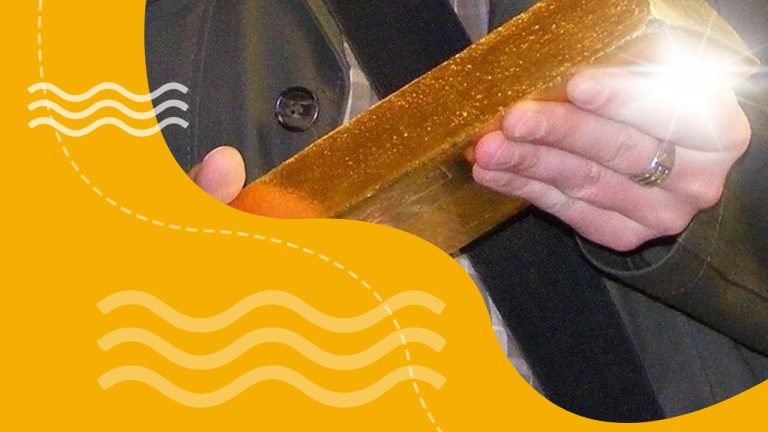
    Serbia’s central bank has revealed plans to relocate all of its gold reserves—valued at roughly £4.7 billion—back to its own territory, in a move aimed at safeguarding the stockpile during times of crisis.

    This would make Serbia the first country in Eastern Europe to entirely eschew established storage locations such as Switzerland, the United Kingdom, and the United States.

    “In bringing the gold back to Serbia, the National Bank sought to enhance both its accessibility and security during periods of instability,” the institution stated, noting that the repatriation effort had commenced in 2021 amid growing global uncertainty.

    Following the freezing of Russia’s foreign currency reserves in 2022, the rate of gold accumulation by central banks worldwide doubled, underscoring the political risk involved in holding reserves in US dollar and euro-denominated assets. Housing gold bars domestically reduces the threat of external interference.

    Between 2019 and the end of last year, Serbia acquired 17 tonnes of gold abroad and a further 19 tonnes from the local arm of Zijin Mining Group. This brought the total reserve to 50.5 tonnes, nearly all stored in Belgrade—except for five tonnes bought in 2024, which remain in Switzerland for now.

    Those final five tonnes will be brought back “as soon as possible,” according to Governor Jorgovanka Tabaković. Serbia’s neighbours hold differing proportions of their reserves domestically, ranging from 86% in Hungary to around 25% in Poland, as per data compiled by Bloomberg.

    The central bank said it had weighed the pros and cons before committing to full repatriation, admitting that while holding gold in global market hubs facilitates easier selling and lending, the risks outweighed those advantages.

    The Bank of England’s vault in London currently houses a significant portion of the world’s gold reserves—around £430 billion in value—cementing the UK’s position as the primary hub for precious metals trading. Similarly, the Federal Reserve in New York holds gold on behalf of nations including Germany and the Netherlands.

    Germany’s decision to bring gold back home over a decade ago sparked national debate and was driven by Cold War fears. Though the Soviet threat has since faded, the metal remained overseas until the repatriation effort was completed.

    Other countries, such as Poland and the Netherlands, have followed suit, while similar calls for domestic storage have echoed through Slovakia and Romania.

    The notion of storing gold within national borders has gained traction among rising populist movements, such as Germany’s Alternative für Deutschland, which regards it as a crucial safeguard against international political pressure.

  • Human Rights and Environmental Abuse Cases Triple at Mines Across Eastern Europe and Central Asia

    Human Rights and Environmental Abuse Cases Triple at Mines Across Eastern Europe and Central Asia

    Allegations of human rights and environmental violations linked to mining operations across Eastern Europe and Central Asia nearly tripled in 2024, according to a new report by the Business and Human Rights Resource Centre (BHRRC). The UK-based non-profit recorded 270 incidents tied to mining, smelting, and refining operations across 13 countries in the region, up from just 92 cases the previous year.

    The findings raise serious concerns about the human and environmental cost of securing critical minerals for the green energy transition. Russia led the region in reported abuses, accounting for 105 cases, or 39% of the total, followed by Ukraine (48), Kazakhstan (43), Serbia (31), and Bosnia and Herzegovina and Georgia (10 each). In several countries, including Serbia and Kazakhstan, the 2024 tally surpassed the combined number of cases from the previous five years.

    Of all the minerals tracked, copper was linked to the most abuse cases — 77 in total, representing nearly 30% of the regional total and spread across eight countries. The top human rights concern was occupational health and safety violations, making up 115 of the 270 allegations. Workplace fatalities (47) and long-term personal health issues (30) also featured prominently. Russia and Kazakhstan together accounted for 37 out of 47 reported deaths.

    Environmental harms were also widespread. Violations of environmental safety standards were documented in 43 cases, while air pollution, soil contamination, and water pollution each appeared in about 20–27% of community-level complaints.

    One of the most frequently named companies was United Company RUSAL, owned by sanctioned Russian oligarch Oleg Deripaska, with 31 abuse allegations linked to its operations. Georgia’s Chiatura mines were also cited in 10 cases.

    The BHRRC warns that the rush to secure essential materials for clean energy must not come at the expense of human rights and environmental protection. “We must not choose between climate progress and protection of people and ecosystems,” said BHRRC researcher and co-author Ella Skybenko.