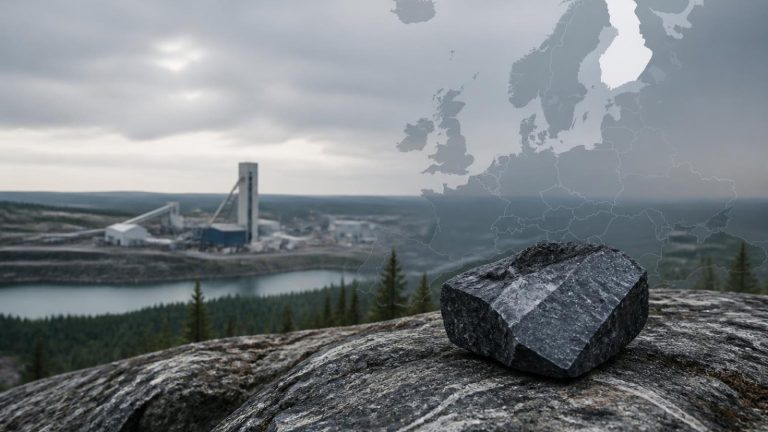
Swedish state-owned mining company LKAB has announced it could fulfil approximately 18% of Europe’s rare earth requirements through its Per Geijer mine in the Arctic north, whilst breaking ground on a new processing facility.
The firm commenced construction of an £62 million processing plant in Lulea, northern Sweden, which will transform mining waste into rare earth concentrate, phosphoric acid for fertiliser production, and gypsum.
Darren Wilson, senior vice president of LKAB’s special products division, outlined the company’s ambitious plans: “Our initial phase will meet roughly 6% of European phosphate demand and 2.5% of rare earth requirements. Upon full expansion and development of Per Geijer, we anticipate meeting approximately 18% of rare earth demand”.
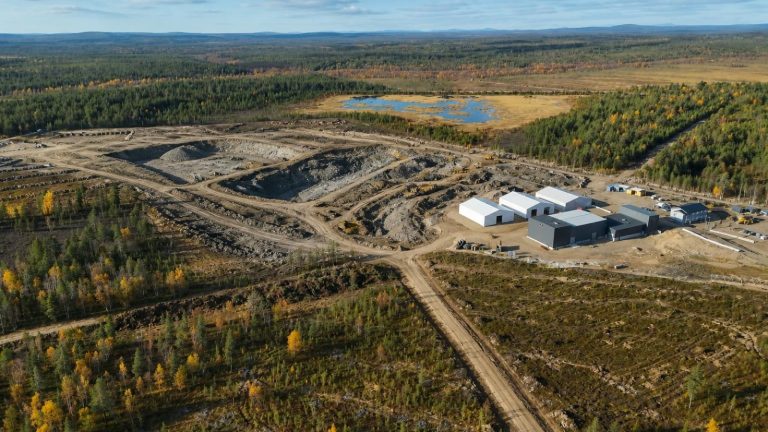
The Lulea facility will initially process waste from LKAB’s existing Malmberget mine, with commercial operations expected to commence in late 2029 or early 2030. The facility’s development will proceed independently of the Per Geijer project, which boasts resources of approximately 1.7 million tonnes of rare earth oxides but requires additional regulatory approvals before mining can begin.
Rare earth elements, comprising 17 crucial metals, are essential components in various products ranging from lasers to iPhones and green technologies vital for achieving Europe’s climate objectives. Their strategic importance has been heightened by growing trade tensions with China, the ongoing conflict in Ukraine, and increased focus on securing critical mineral supplies.
The development aligns with the EU’s Critical Raw Materials Act, adopted in 2023, which aims to reduce the bloc’s dependence on foreign sources for vital minerals such as neodymium, dysprosium and praseodymium – essential components in permanent magnets used in wind turbines and electric motors.
Whilst LKAB has submitted an application for processing rights at Per Geijer, the project still requires environmental permits and additional regulatory clearances before commercial operations can commence, a process that could take up to a decade.