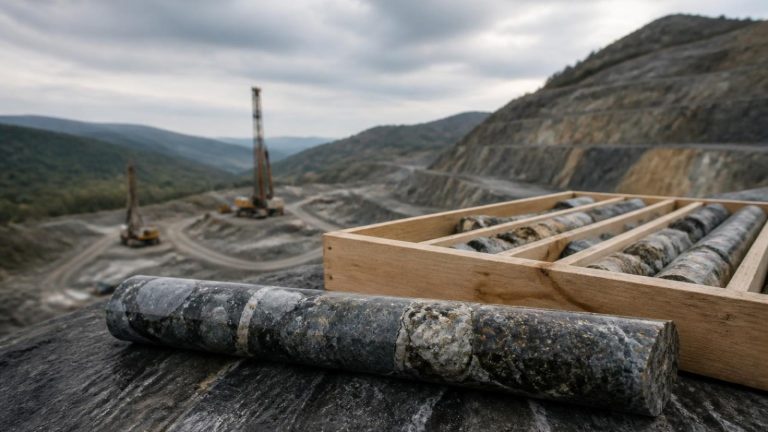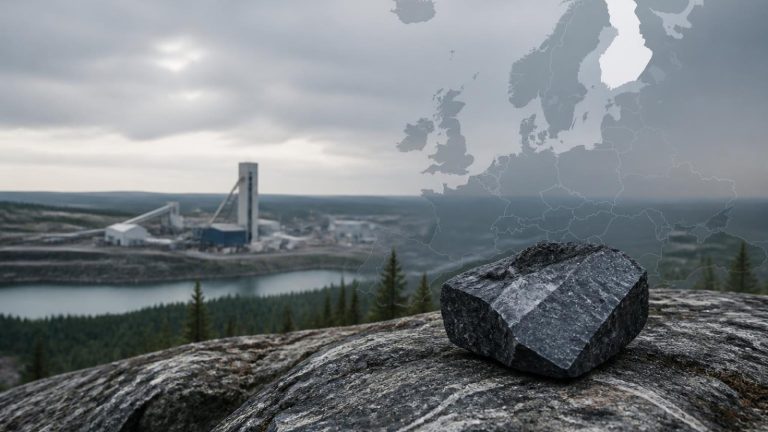
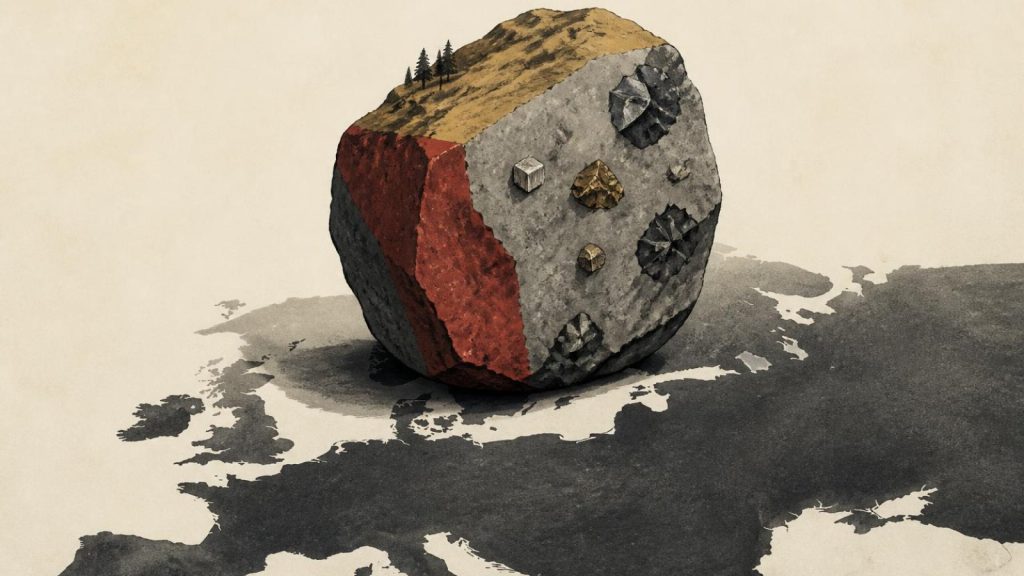
This week, two significant developments in Scandinavia underscore the dual nature of opportunities and challenges that Europe faces in its quest to reduce reliance on China for critical raw materials. In Norway, Rare Earths Norway AS has greenlit a EUR 24 million pilot plant at the Fen deposit, which is noted as Europe’s largest documented rare earth resource, boasting an estimated 15.9 million tonnes of rare earth oxides. Concurrently, Sweden’s LKAB has commenced operational testing at its SEK 800 million demonstration facility in Luleå, aimed at recovering phosphorus and all 17 rare earth elements from existing iron ore production streams.
These advancements are pivotal for enhancing Europe’s industrial competitiveness, technological innovation, and defence capabilities. However, the strategic importance of any mineral deposit extends beyond its geological size. The figures from Norway represent estimated mineral resources rather than proven economically recoverable reserves, indicating that commercial production remains several years away.
A more pressing challenge lies in Europe’s capacity to develop the industrial capabilities necessary to convert these resources into usable materials and components. The International Energy Agency reports that in 2024, China accounted for a staggering 91% of global refining of magnet rare earths and 94% of sintered permanent magnet manufacturing. This dominance is a result of decades of investment in processing technologies, industrial infrastructure, specialised expertise, and integrated manufacturing capacity.
To establish competitive European alternatives, substantial capital investment, technological advancement, and regulatory coordination are essential. Environmental concerns and permitting processes must also be navigated, while demonstrating the economic viability of each stage in the value chain is crucial.
From a strategic viewpoint, it is evident that detailed value chain analysis must be woven into the fabric of European industrial and security policy. While identifying mineral resources is relatively straightforward, comprehending the industrial dependencies that dictate whether those resources can be effectively utilised is far more complex.
Europe must pinpoint its critical bottlenecks, identify which technologies and industrial capabilities are most challenging to replace, and assess the time required to establish alternative production capacities, especially in the face of geopolitical disruptions. Ultimately, the key strategic question remains: can Europe develop sufficiently robust and resilient value chains to transform its geological resources into viable industrial capabilities?