Portugal’s government plans to launch a long-delayed tender for lithium prospecting licenses later this year, as part of efforts to strengthen Europe’s battery materials supply chain while addressing local opposition to mining projects. Environment Minister Maria da Graca Carvalho said the government is preparing a national mining strategy to be finalized by the summer, with an emphasis on community involvement and regional value creation.
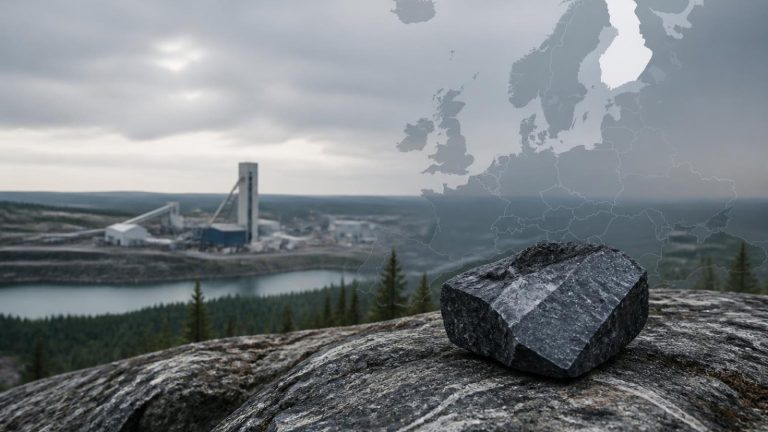
Portugal currently holds around 60,000 tonnes of lithium reserves and is Europe’s largest lithium producer, though output has traditionally been used for ceramics rather than battery-grade material. Expanding into battery-quality lithium is seen as critical for reducing Europe’s dependence on imports and supporting the continent’s clean energy transition.
Carvalho told Reuters that future mining projects would prioritize keeping economic benefits within the country, sharing revenues regionally and creating local jobs. She added that the government is reviewing international best Reed practices while moving quickly to unlock investment. The original tender was first planned in 2018 but was repeatedly delayed due to political instability, including the collapse of several governments. The current minority administration took office in March 2025.
Regulatory progress has already been made on specific projects. Portugal’s environmental agency APA has granted initial approval for lithium extraction at the Barroso mine, operated by Savannah Resources, as well as the Montalegre project developed by local firm Lusorecursos.
Separately, Carvalho commented on ongoing talks between Portuguese energy company Galp and private equity-backed Moeve regarding a potential merger of their oil refining businesses. If completed, the deal would create one of Europe’s largest refining groups, with a combined capacity of about 700,000 barrels per day. The Portuguese state currently holds an 8% stake in Galp.