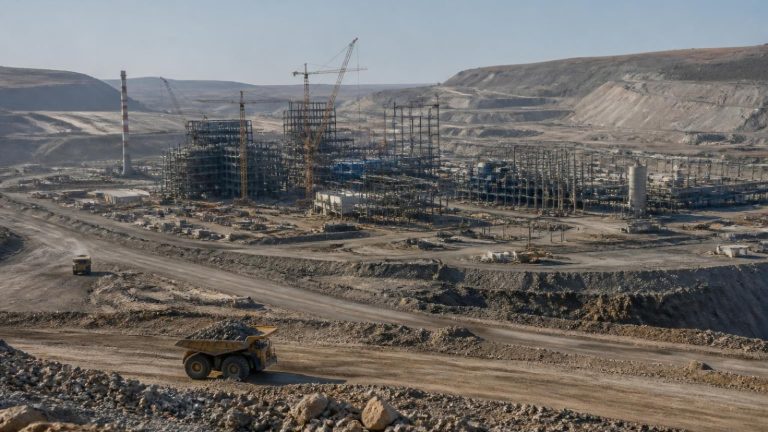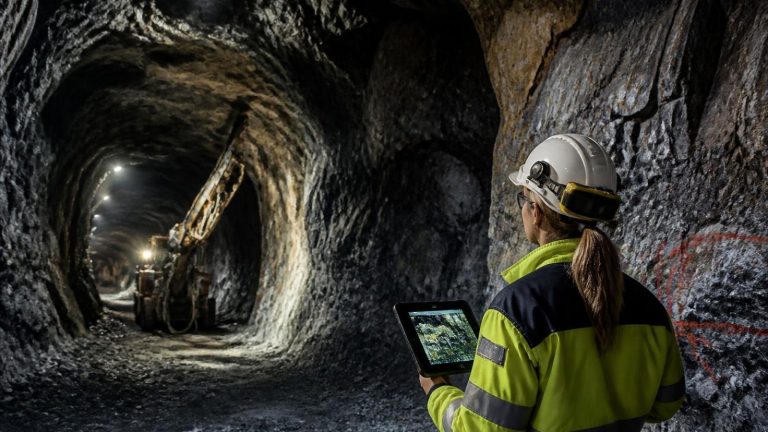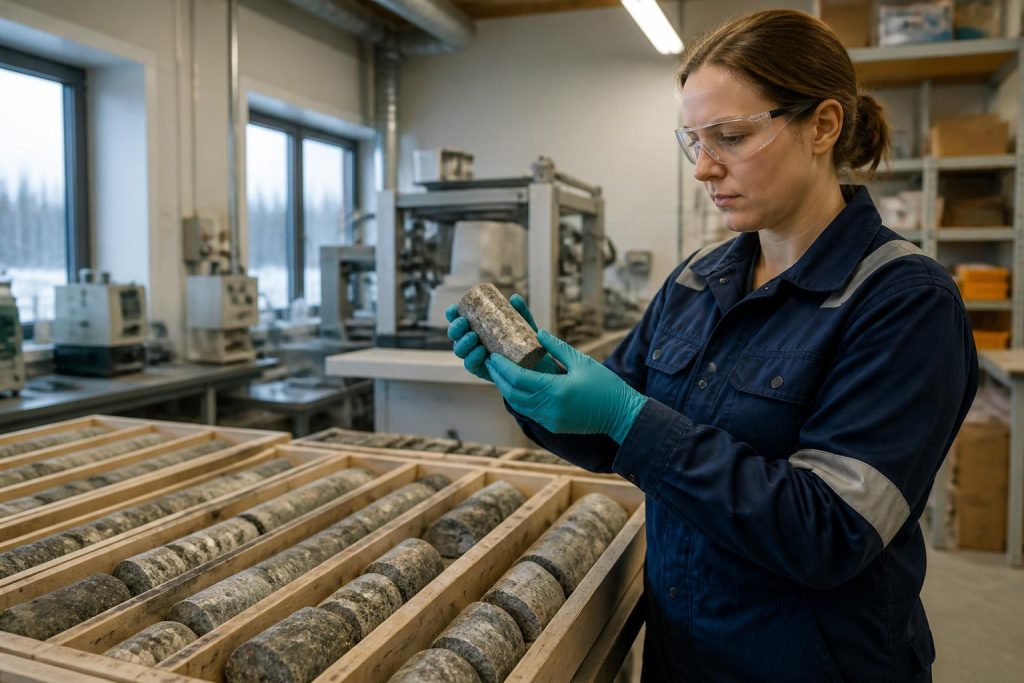
Goldsky Resources Corp, a publicly listed gold exploration company, has announced the commencement of metallurgical test work on composite samples from its Barsele Project in Sweden. The samples, weighing a total of 345 kg, have been sent to Alfred Knight in Truro, United Kingdom, for analysis. This test work is crucial for determining the power requirements and reagent dosage necessary for the project, which is expected to contribute significantly to the Preliminary Economic Assessment (PEA) scheduled for publication in 2027.
The metallurgical testing will encompass a range of assessments, including crusher comminution tests, Bond rod mill and ball mill tests, gravity gold recovery tests, gold leach kinetic tests, and detoxification tests. These tests are designed to provide essential data that will inform the resource update at Barsele, which is currently host to an Indicated Mineral Resource of 7.88 million tonnes grading 1.27 g/t Au and an Inferred Mineral Resource of 28.75 million tonnes grading 1.98 g/t Au.
Russell Bradford, CEO of Goldsky Resources, expressed enthusiasm about the initiation of this metallurgical test program, highlighting its importance for the company’s future operations and resource assessment. The entire program is expected to take approximately 16 weeks, with results to be released to the market as they become available.
Goldsky Resources is consolidating assets in Sweden and Finland, with the Barsele Project being its flagship asset. The company holds a district-scale license position surrounding Barsele, covering around 80,000 hectares on Sweden’s Gold Line greenstone belt, which includes two additional projects, Paubäcken and Storjuktan. In Finland, Goldsky Resources owns the entire underexplored Oijärvi greenstone belt, including the Kylmäkangas deposit, the largest known gold occurrence in that region, as well as the Rajapalot gold-cobalt project in northern Finland.
As the mining industry continues to evolve, the results from Goldsky’s metallurgical tests could play a pivotal role in shaping the future of the Barsele Project and the company’s strategic objectives in the region. Investors and stakeholders are keenly awaiting the outcomes of these tests, which are expected to provide valuable insights into the project’s economic viability and operational efficiency.