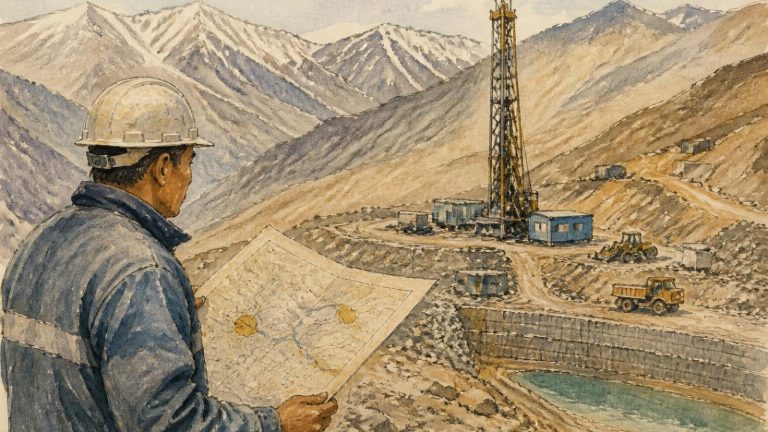
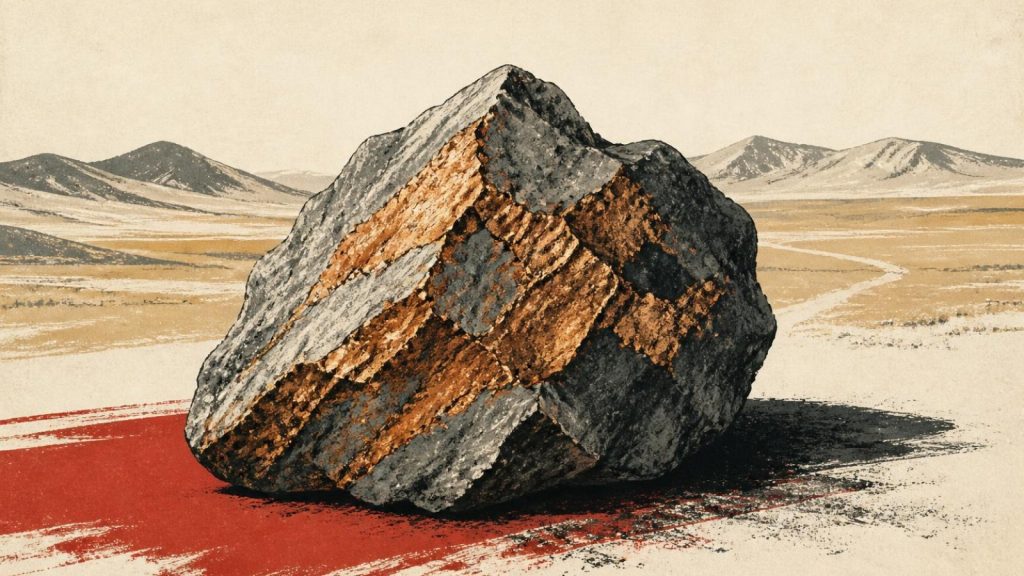
In 2015, a collaborative geological and mineral exploration project led by the Korea Institute of Geoscience and Mineral Resources (KIGAM) and Mongolia’s Mineral Resources Authority yielded significant findings in the Tsogttsetsii area of Southern Mongolia, located approximately 50 km north of the renowned Oyu Tolgoi copper mine. The investigation focused on identifying porphyry-type copper mineralization linked to Permian alkaline granite intrusions within a complex geological framework that includes Carboniferous volcanic rocks and Upper Cretaceous sedimentary sequences.
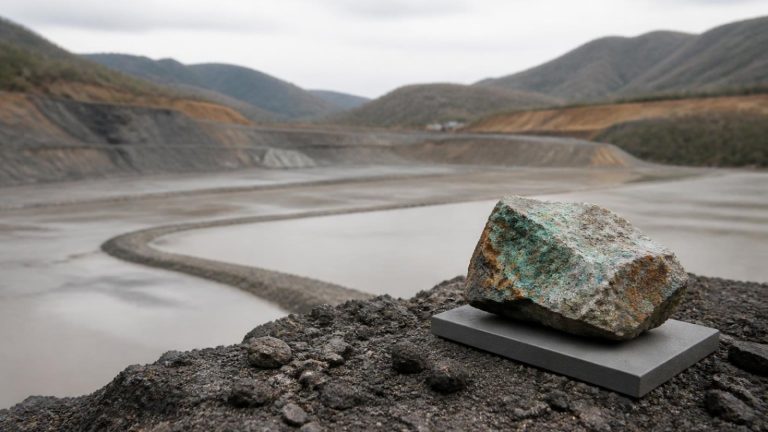
Field investigations revealed extensive propylitic alteration, characterised by the presence of chlorite and epidote, alongside notable occurrences of malachite, a key indicator of copper mineralization. The spatial distribution of copper mineralization was closely associated with pink alkaline granite and structurally controlled zones, suggesting a promising geological setting for further exploration. Geochemical analyses of mineralized rock samples indicated significant copper anomalies, with one sample from the eastern propylitic alteration zone showing 1.86% copper, along with notable concentrations of iron, cobalt, nickel, and vanadium. Additionally, samples from malachite-bearing outcrops averaged 759 ppm copper, with a peak reading of 6,190 ppm.
Mineralogical investigations, employing X-ray diffraction and scanning electron microscopy, confirmed the presence of malachite and cuprite as the primary copper minerals, with bornite also identified through petrographic observations. The mineralized zone, characterised by malachite, extends approximately 500 meters along a west-northwest trend and reaches a width of 200 meters.
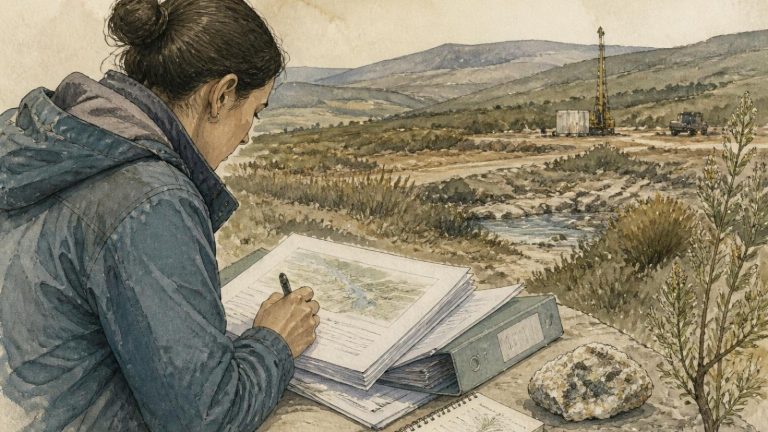
These findings underscore the exploration potential for concealed copper mineralization in the region. The report recommends further detailed geological mapping, structural analysis, and trenching perpendicular to the mineralized trend to assess subsurface continuity. The Tsogttsetsii investigation highlights the critical role of integrating geological mapping, alteration studies, geochemical analysis, and mineralogical characterisation in the early stages of copper exploration, paving the way for future mining opportunities in Southern Mongolia.