In a recent article, Andrew Fulton, CEO of Anglesey Mining Plc, emphasises the crucial role of brownfield mining in the United Kingdom’s strategy for securing critical minerals. As the demand for resilient mineral supply chains increases, the UK government has recognised the importance of domestic production in its Vision 2035 Critical Minerals Strategy. This strategy aims to meet at least 10% of the annual industrial demand for critical minerals through local sources by 2035, alongside enhanced recycling efforts and diversified international supply chains.
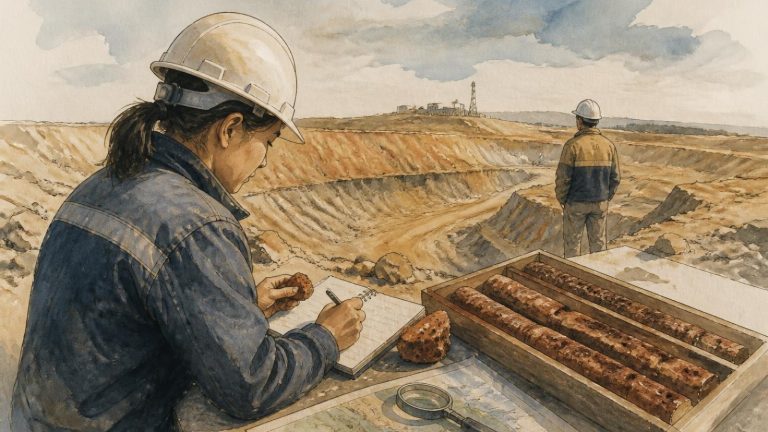
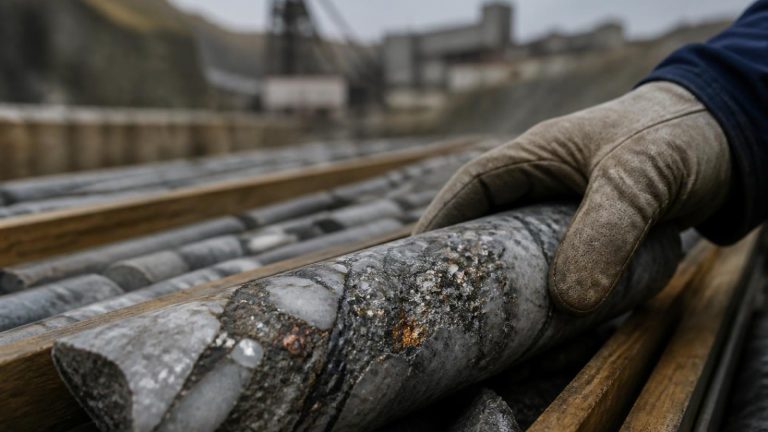
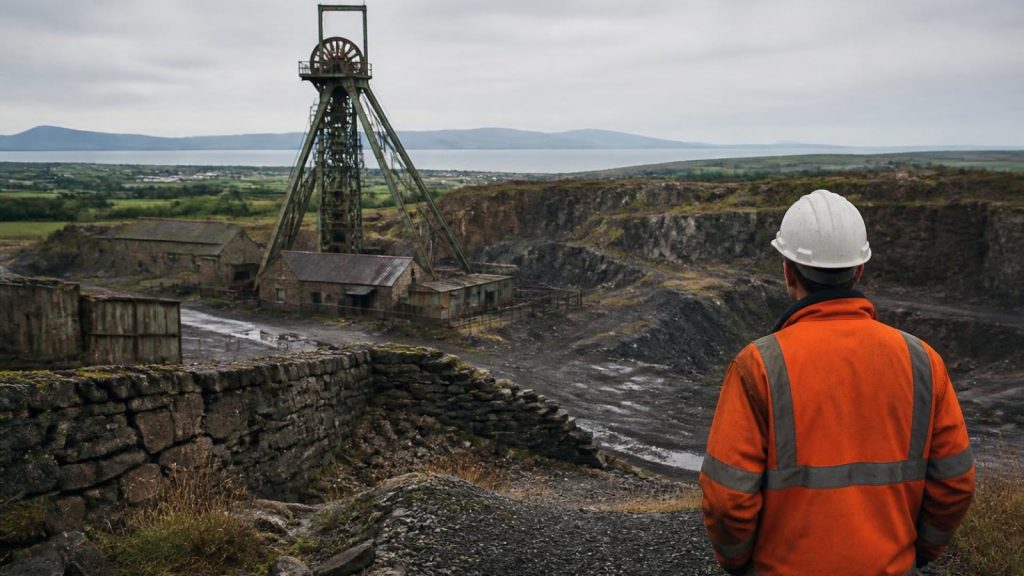
Brownfield mining, which involves revitalising historic mining sites, presents a significant opportunity for the UK. These sites come with established geological knowledge and existing infrastructure, offering a head start for modern mining operations. A prime example is Parys Mountain in North Wales, where Anglesey Mining is redeveloping a polymetallic resource that includes critical minerals such as zinc and copper. This project highlights the potential for historic sites to contribute to the future economy by responsibly extracting valuable minerals.
Other initiatives include Tungsten West’s Hemerdon project in Devon and Cornish Metals’ redevelopment of South Crofty in Cornwall, both of which are aimed at tapping into domestic sources of tin and lithium. The UK government’s support for these projects underscores the strategic value of domestic mineral production, which extends beyond mere economic considerations.
Fulton advocates for a coherent framework to facilitate brownfield mining, which includes predictable permitting processes, better coordination between government and regulators, and access to development capital. He stresses that while environmental protection and community engagement are paramount, the UK must leverage its mining heritage to enhance its industrial future.
Ultimately, the article argues that while Britain cannot produce every mineral it consumes, enhancing domestic production where feasible can contribute to a more resilient supply chain. By responsibly developing its mining heritage, the UK can ensure that its industrial future is built on a solid foundation of critical minerals.