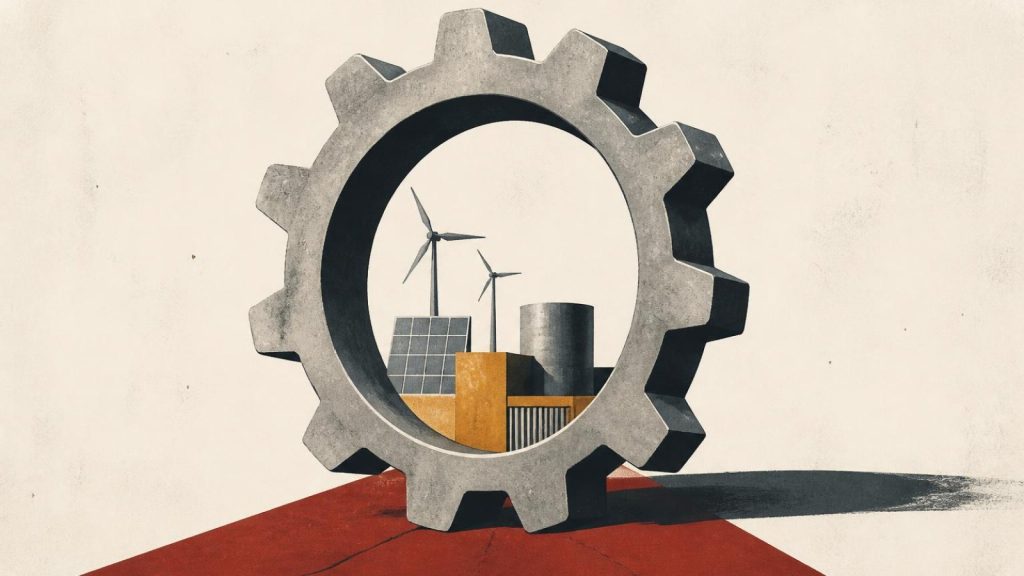
The ‘Made in Europe’ initiative aims to leverage the Single Market to establish lead markets for low-carbon products, a critical step in the EU’s strategy to enhance competitiveness amidst global economic challenges. This comprehensive study, requested by the European Parliament’s Committee on Industry, Research and Energy (ITRE), evaluates the potential impacts of mandatory procurement instruments on the economy and employment within the EU. With the backdrop of increasing geopolitical tensions and the urgent need for a green transition, the report underscores the importance of public procurement as a strategic tool to foster local production and innovation.
The study outlines three operational scenarios for the ‘Made in Europe’ policy, each with varying geographical scopes and Union origin requirements. Scenario 1 focuses solely on EU Member States with low thresholds for origin requirements, aiming to create clear incentives for reshoring production. Scenario 2 expands the scope to include EEA countries and trusted partners, balancing openness with the need for local investment. Scenario 3, however, proposes a broad geographical inclusion of GPA and FTA countries, which may dilute the effectiveness of the initiative by allowing significant imports from countries with lower production standards.
Key findings indicate that while all scenarios present benefits, they also entail trade-offs. Scenario 1, while politically strong, may yield modest economic benefits due to its restrictive nature. Scenario 2 offers a middle ground, potentially generating moderate economic growth, but could still face challenges in ensuring sufficient investments within the EU. Scenario 3, despite its broad approach, risks undermining the initiative’s goals by failing to guarantee local manufacturing expansion.
The report emphasizes the need for careful design and implementation of the ‘Made in Europe’ policy, suggesting that industry-specific origin requirements may be more effective than a one-size-fits-all approach. It also highlights the importance of aligning the initiative with existing trade agreements to avoid legal complications and ensure compliance with international standards. Ultimately, the study calls for a balanced approach that promotes EU manufacturing while maintaining strategic international partnerships, essential for achieving the EU’s decarbonisation and competitiveness objectives.