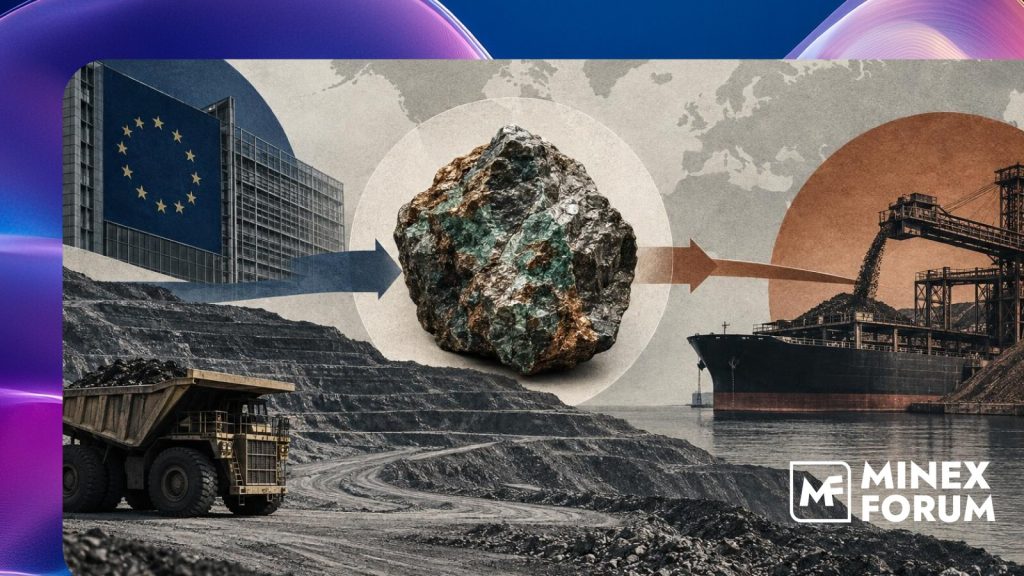
The European Commission (EC) is currently scrutinising a significant $500 million acquisition of Anglo American’s Brazilian nickel business by China-backed MMG, a move that could have far-reaching implications for European supply chains and geopolitical dynamics. The investigation focuses on whether the deal could enable MMG to divert ferronickel supplies away from Europe, potentially increasing costs for stainless steel producers in the region. This case represents a critical test of how far European regulators will go to limit Chinese influence over strategic resource supply chains, particularly in light of recent export restrictions imposed by Beijing on various materials.
MMG, which is controlled by state-owned China Minmetals, is advocating for the approval of the acquisition, arguing that the Directorate-General for Competition (DG COMP) should base its decision on data rather than geopolitical considerations. Troy Hey, MMG’s executive general manager of corporate relations, expressed confidence that the commission would evaluate the transaction objectively. However, the EC has raised concerns that the acquisition could undermine the competitiveness of European stainless steel producers by limiting their access to essential ferronickel supplies.
The acquisition, which includes two ferronickel operations and two greenfield projects in Brazil, is not classified as involving critical minerals. Nonetheless, European steelmakers are apprehensive that increasing Chinese ownership of overseas production could expose them to supply disruptions or economic pressures. MMG has countered the commission’s assessment, asserting that independent data shows there is no ability or incentive to restrict market access.
Anglo American has also defended the transaction, suggesting that the growing production of ferronickel from other suppliers and the ability of European customers to switch sources should allow the deal to proceed without conditions. They argue that EU restrictions on Chinese steel imports further mitigate any competitive threat posed by the acquisition.
The implications of this deal extend beyond Europe, as Brazil’s competition authority has initiated its own investigation following a complaint from CoreX Holding, a regional competitor. Critics of the acquisition argue that regulators should consider the broader context of competition among major economies for control of raw materials, particularly amid escalating trade tensions between the US and China.
This situation presents European authorities with a complex dilemma: they must evaluate the market effects of the transaction while simultaneously striving to reduce strategic dependencies and bolster domestic industrial supply chains. A decision to block or impose conditions on the acquisition could indicate that geopolitical supply risks are becoming increasingly significant in European resource deals, while an unconditional approval would reinforce the argument that concerns over Chinese control do not outweigh the competitive landscape for ferronickel.