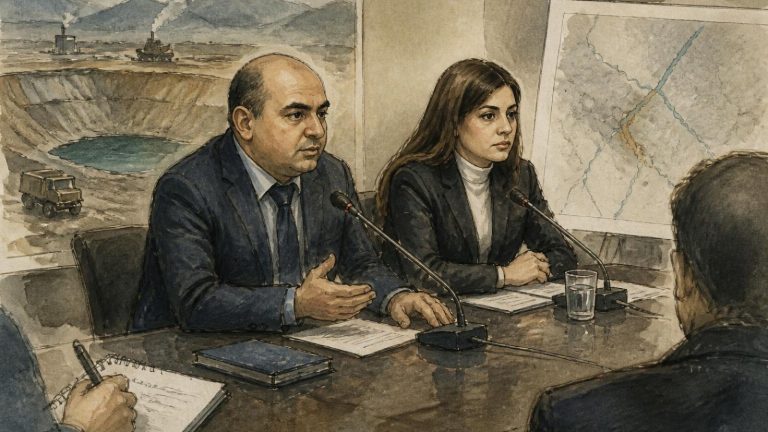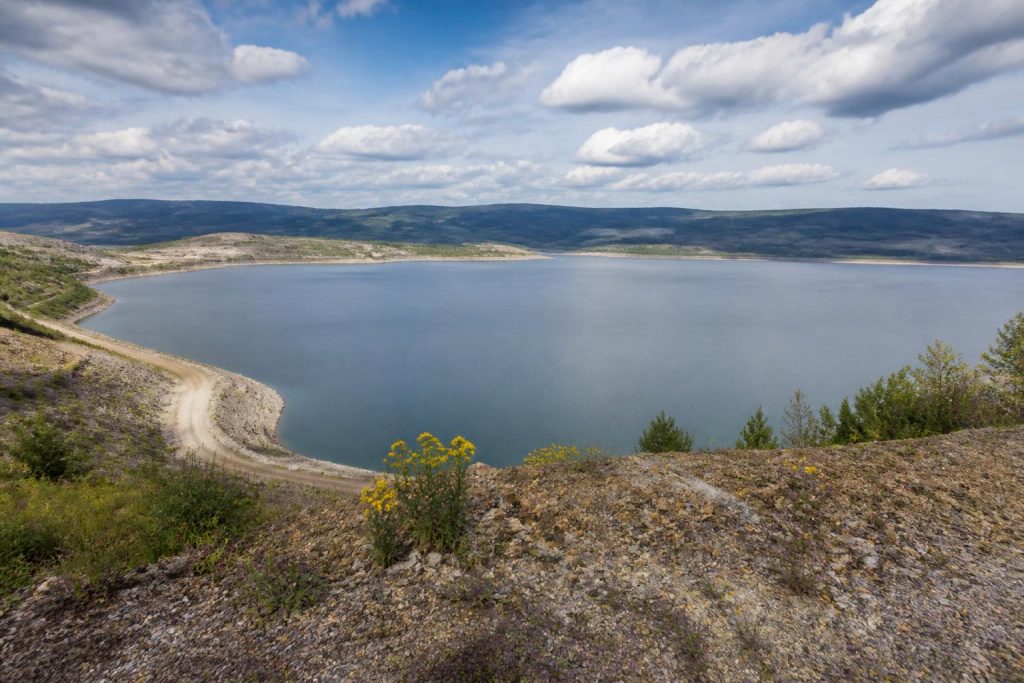
In northwest Spain, the As Pontes coal mine has undergone a remarkable transformation from a deep pit left by nearly 60 years of lignite extraction to one of the country’s largest artificial lakes. This change began in 2008 when engineers filled the massive pit, which had reached depths of over 300 metres and covered an area equivalent to 1,600 American football fields, with approximately 547 billion litres of water. The mine, initially operated by a state-run company since the 1940s and later by Endesa, Spain’s largest coal-fired power station, extracted around 260 million tonnes of lignite before its closure in 2007 due to stricter EU air pollution regulations.
The process of filling the pit was not straightforward; it required careful planning to determine the water sources, the rate of filling, and the chemical implications of the water settling into the pit. A study published in the journal Boletín Geológico y Minero details this engineering feat, highlighting the challenges faced and the innovative solutions developed by the research team from the University of A Coruña. The filling was completed in April 2012, and subsequent studies revealed the formation of two distinct layers within the lake: a top layer that is mildly acidic and oxygen-rich, and a deeper layer that is more acidic and devoid of oxygen, separated by a chemocline.
Today, the As Pontes lake spans 865 hectares and features recreational facilities such as sandy beaches and nature trails. It has received Blue Flag certification, indicating high water quality and safety standards. The surrounding area has seen the emergence of diverse habitats, including meadows and woodlands, and the local economy has shifted from reliance on mining to tourism, with activities like kayaking and canoeing now popular in the area.
The As Pontes case serves as a significant example of successful mine rehabilitation, showcasing how old mining sites can be transformed into valuable recreational spaces. This transformation is not unique to Spain; similar mining sites around the world, from Germany to the United States, face the challenge of rehabilitation. As more coal mines are closed globally, the lessons learned from As Pontes could guide future efforts to manage and repurpose former mining operations, turning environmental scars into thriving ecosystems and community assets.