Website: Europe.com

  • European Lithium Producers Advocate for Domestic Supply Threshold Amidst Strategic Concerns

    European Lithium Producers Advocate for Domestic Supply Threshold Amidst Strategic Concerns

    A coalition of European lithium producers is advocating for a mandatory threshold requiring car and battery manufacturers to source at least 20% of their lithium from either extraction or recycling within Europe. This measure is aimed at ensuring that companies benefiting from public aid or accessing the European market are contributing to the local supply chain. Despite this push, some industry players continue to favour imports, driven by immediate cost advantages. However, this approach overlooks the strategic risks associated with dependency on external sources, particularly in light of China’s dominance in lithium refining.

    The current landscape leaves Europe vulnerable to potential supply disruptions and price volatility, as highlighted by the ongoing reliance on oil and gas. The experience gained from energy dependency should serve as a cautionary tale, underscoring the importance of establishing secure supply chains before crises arise. Furthermore, there is potential for Chinese companies to invest in and collaborate with European firms to bolster local production capabilities, which could mitigate some of these risks.

    Stéphane Séjourné’s mobilization at the European Commission and the recent selection of strategic projects signal progress towards enhancing Europe’s lithium value chain. Support from Pierre Jouvet in the European Parliament for the proposed 20% threshold under the Industrial Accelerator Act reflects a growing consensus on the need for sovereignty in lithium production. However, this consensus must translate into actionable decisions to ensure timely financing and development of projects.

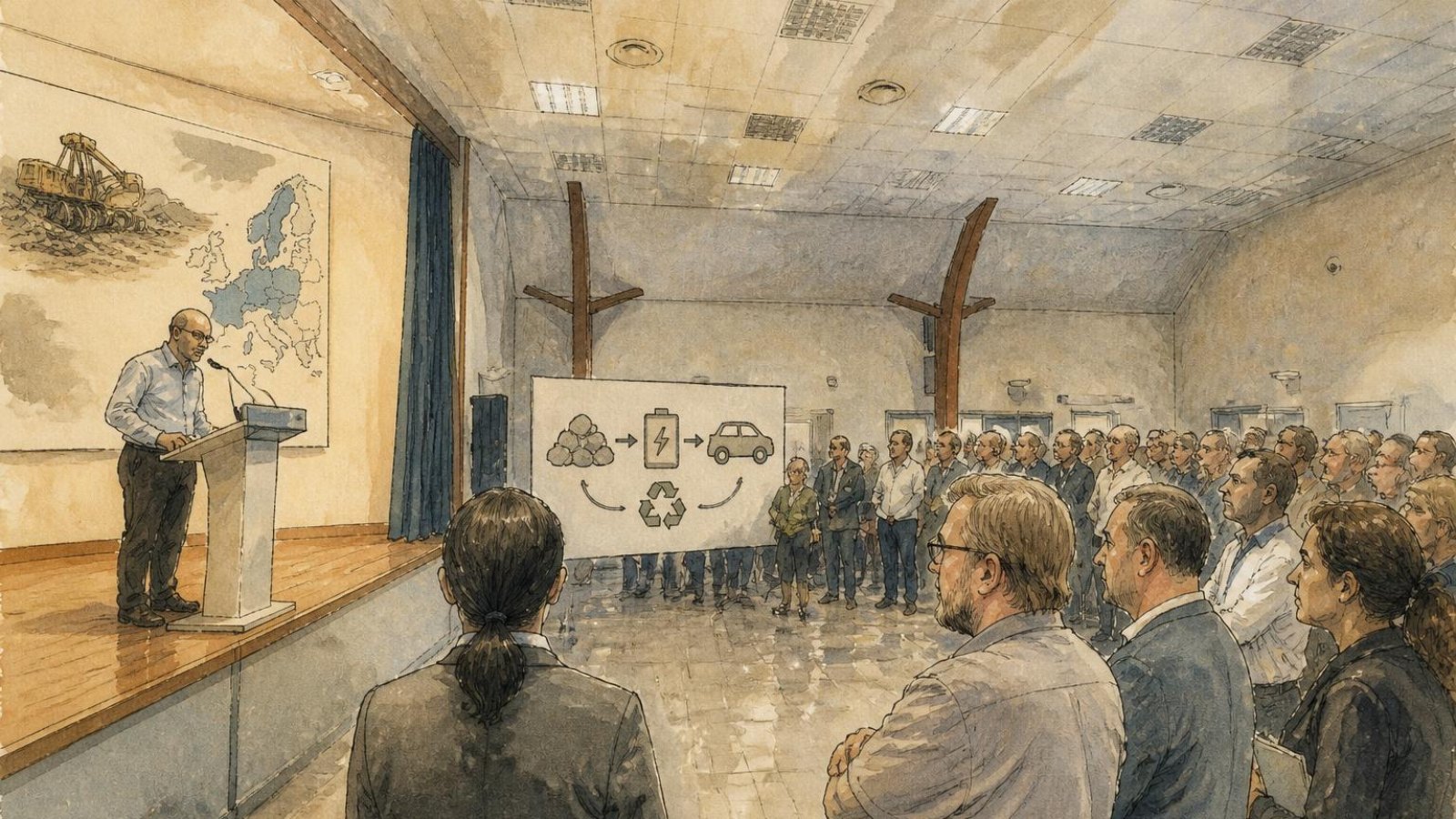
    The urgency for action is underscored by the diverse applications of lithium beyond electric vehicles, including energy storage for renewable sources and military uses. As demand for lithium continues to rise, it is imperative that Europe builds its capabilities swiftly. The EMILI project by Imerys is one such initiative making strides, with recent public meetings in Beauvoir demonstrating strong local backing and a commitment to success. The ambitions and projects are in place, but the necessary conditions for their success must be established promptly.
  • Savannah Resources Nears Second Sales Agreement for Barroso Lithium Project in Portugal

    Savannah Resources Nears Second Sales Agreement for Barroso Lithium Project in Portugal

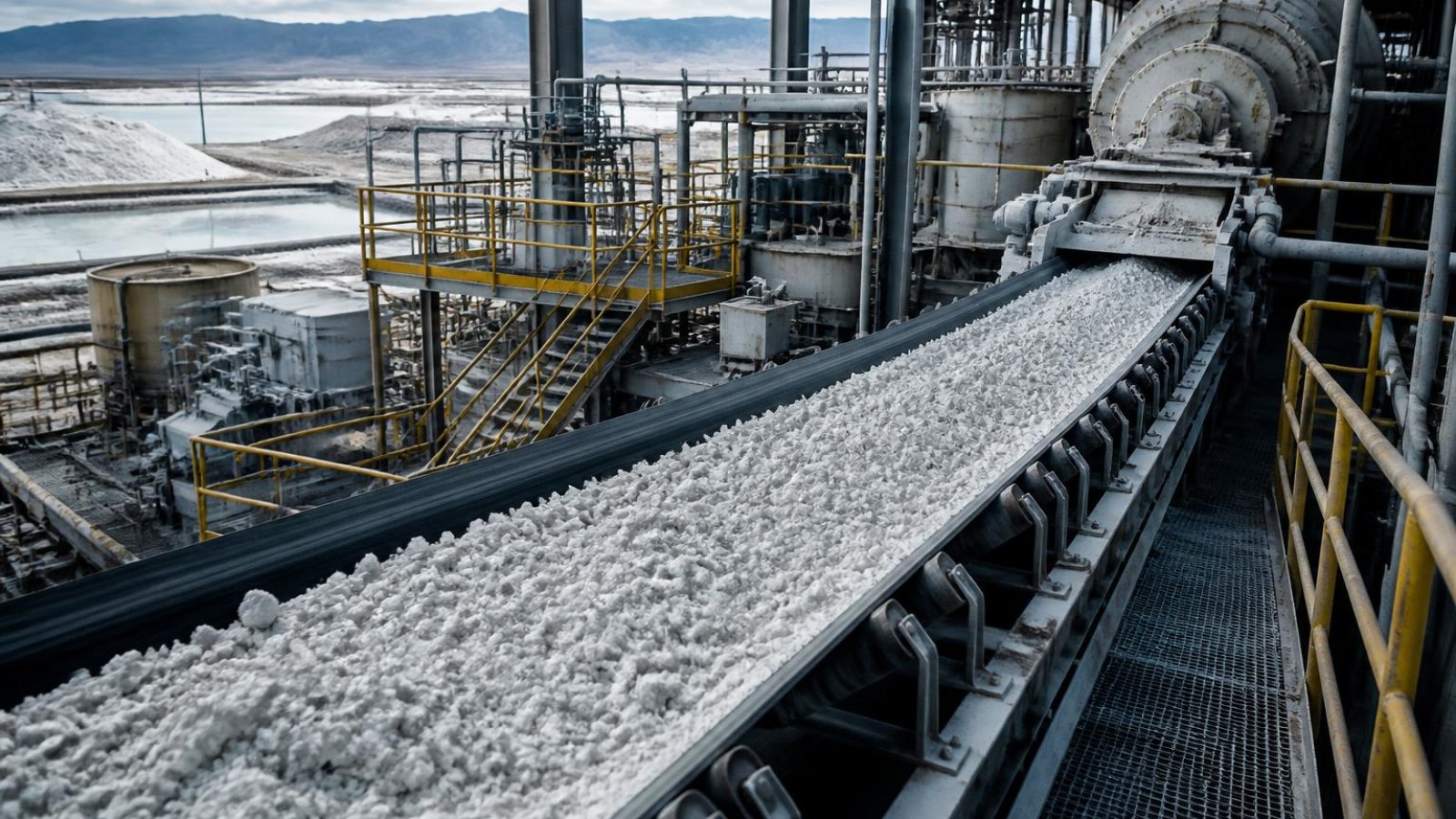
    Savannah Resources is on the verge of signing a second sales agreement for its Barroso lithium project located in northern Portugal. This upcoming contract is a pivotal step towards securing project financing, as lenders require that 70-75% of the future production from Barroso be contracted under long-term supply agreements. The first sales contract was signed in June 2024, covering 45,000 tonnes of spodumene concentrate annually over five years, which accounts for approximately 25% of the planned production volume.

    The Barroso project boasts over 39 million tonnes of spodumene resources, making it the largest mineral deposit in Europe. Further exploration could potentially increase these resources to over 100 million tonnes, thereby extending the mine’s operational lifespan beyond 50 years. Construction of the project is progressing on schedule, with an expected launch in 2027 and production set to commence in 2028.

    The strategic importance of the Barroso project lies not only in its substantial resource base but also in its potential to contribute significantly to Europe’s lithium supply chain, which is increasingly critical as the region moves towards more sustainable energy solutions and electric vehicle production. With the growing demand for lithium, Savannah Resources is positioning itself as a key player in the European market, aiming to meet the needs of battery manufacturers and other industries reliant on this essential mineral.


  • Ferrexpo Reports Continued Losses Amidst Ongoing Challenges in Ukraine

    Ferrexpo Reports Continued Losses Amidst Ongoing Challenges in Ukraine

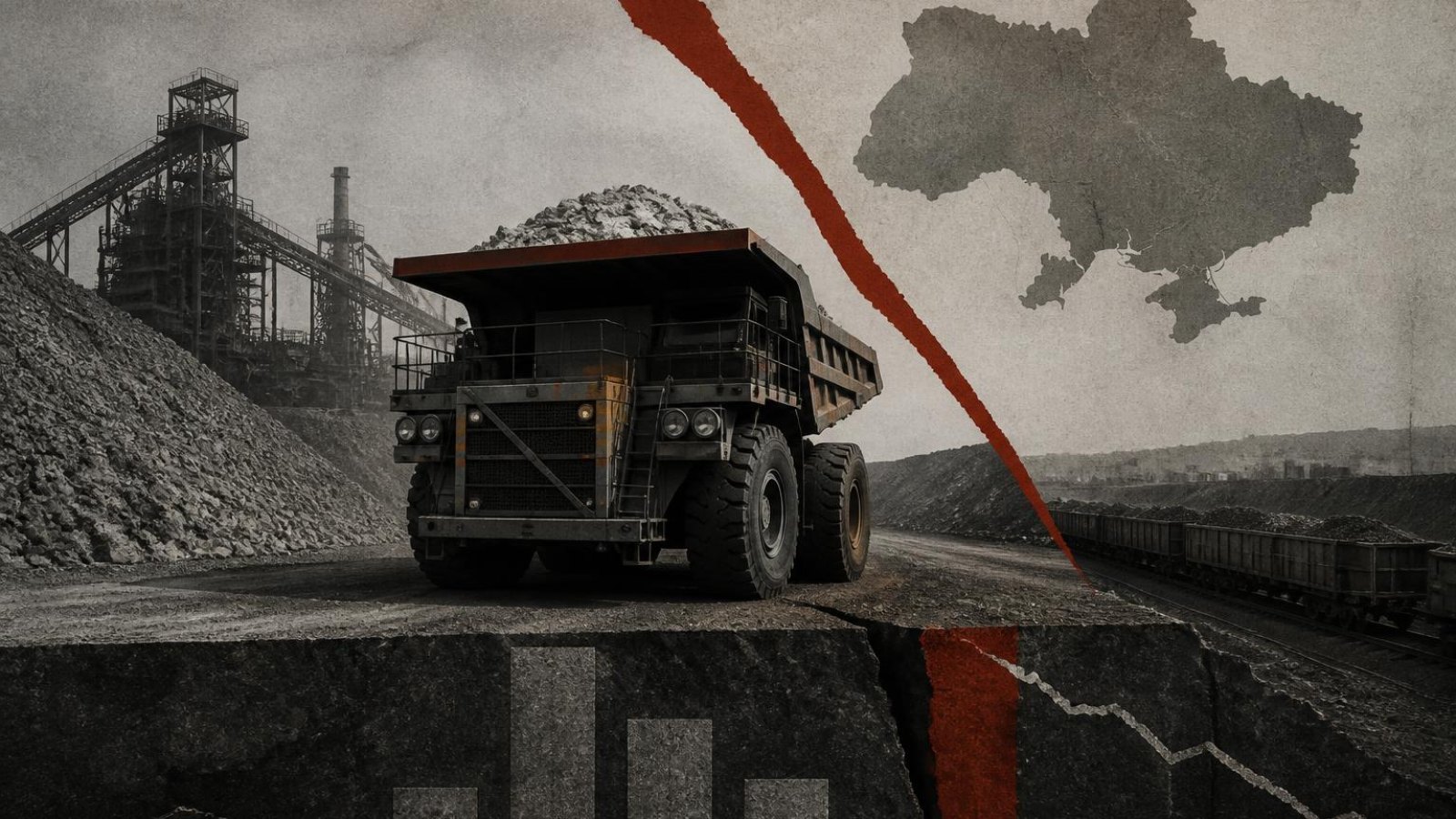
    Ferrexpo, a prominent iron ore producer based in Ukraine, has announced significant financial losses for the first half of 2026, marking an exceptionally challenging period for the company. The firm reported pre-tax losses of $11 million (£8.3 million), a notable improvement from the staggering $186.9 million (£141.3 million) loss recorded during the same period last year. However, revenues plummeted by over 50% to $196.4 million (£148.5 million), reflecting the severe operational and financial pressures the company has faced due to the ongoing conflict in Ukraine.

    The company recently secured a $100 million (£76 million) emergency fundraising effort, which was crucial for maintaining daily operations and preventing a cash shortfall by the end of October. This fundraising was approved by investors just days before the announcement of the financial results, highlighting the urgent need for liquidity in light of the company’s dwindling cash reserves, which fell to approximately $30 million (£22.7 million) by the end of June.

    Interim Executive Chairman Lucio Genovese described the first half of 2026 as a period marked by significant operational, financial, and legal challenges, exacerbated by the war in Ukraine. The company had to temporarily suspend operations due to extensive attacks on Ukraine’s electricity infrastructure, which severely impacted production capabilities. Despite these challenges, Ferrexpo managed to restart limited production by bringing one of its pellet lines back online, although total commercial production for the first half was down 40% compared to the previous six months.

    The continued withholding of VAT refunds by Ukrainian tax authorities has been a significant financial burden for Ferrexpo, with a net VAT receivable balance of $82.7 million as of June 30. This situation has forced the company to downscale operations and implement stringent cost-cutting measures, including reducing employee working hours and suspending non-essential expenditures. The company has also faced logistical constraints and increased operational costs due to the ongoing conflict.

    Despite these hurdles, Ferrexpo remains committed to supporting its workforce and the communities in which it operates. The company has reported zero workplace fatalities for over five years, a notable achievement given the wartime conditions. However, the human cost of the conflict is evident, with 67 employees reported killed since the onset of the full-scale invasion.

    Looking ahead, Ferrexpo acknowledges the significant challenges that remain, particularly regarding the ongoing suspension of VAT refunds and the broader impacts of the war. The recent equity raise is seen as a vital step towards strengthening the company’s financial position and providing the resilience needed to navigate the current operating environment. Ferrexpo continues to play a crucial role in the global steel industry, producing high-grade iron ore products that contribute to lower-carbon steelmaking, and is poised for recovery when conditions improve.


  • AMG Lithium Projects Designated as Strategic by European Commission

    AMG Lithium Projects Designated as Strategic by European Commission

    AMG Critical Materials N.V. has announced that two of its lithium projects have been officially recognised by the European Commission as part of the ‘Critical Raw Materials Act (CRMA) Strategic Projects 2026’. The projects in question are the lithium refinery located in Bitterfeld, designated as a ‘European Lithium Refining and Recycling Hub’, and the Zinnwald Lithium project, recognised for its ‘Integrated Extraction and Processing’ capabilities. This recognition is a significant endorsement of AMG’s efforts to bolster Europe’s lithium supply chain, which is critical for meeting the increasing demand for battery materials in the region.

    Dr. Heinz Schimmelbusch, Chairman and CEO of AMG, expressed his satisfaction with the European Commission’s decision, highlighting that it positions AMG uniquely to support Europe’s ambitions in reducing its reliance on foreign lithium supplies. The designation aligns with the goals set out in the CRMA, aiming to enhance the EU’s competitiveness and resilience by 2030 while mitigating dependency on single suppliers. This move is seen as a strategic step towards establishing a more independent and secure lithium supply chain within Europe.

    AMG is committed to advancing a less carbon-intensive world through the production of critical materials such as lithium, vanadium, and tantalum. Their operations span the entire lithium value chain, focusing on reducing the carbon footprint for both suppliers and customers. Additionally, AMG leads the market in vanadium recycling and advanced metallurgy, further contributing to sustainable practices in the mining and materials sector.

    With a global workforce of approximately 3,500 employees, AMG operates production facilities across various countries, including Germany, the UK, France, the USA, China, Mexico, Brazil, and India. The company is well-positioned to meet the growing demands of the energy storage market while also addressing environmental concerns through innovative technologies and processes. As the demand for critical raw materials continues to rise, AMG’s strategic projects are set to play a pivotal role in shaping the future of lithium supply in Europe.


  • Eldorado Gold’s Skouries Mine Recognised as Strategic Project Under EU’s Critical Raw Materials Act

    Eldorado Gold’s Skouries Mine Recognised as Strategic Project Under EU’s Critical Raw Materials Act

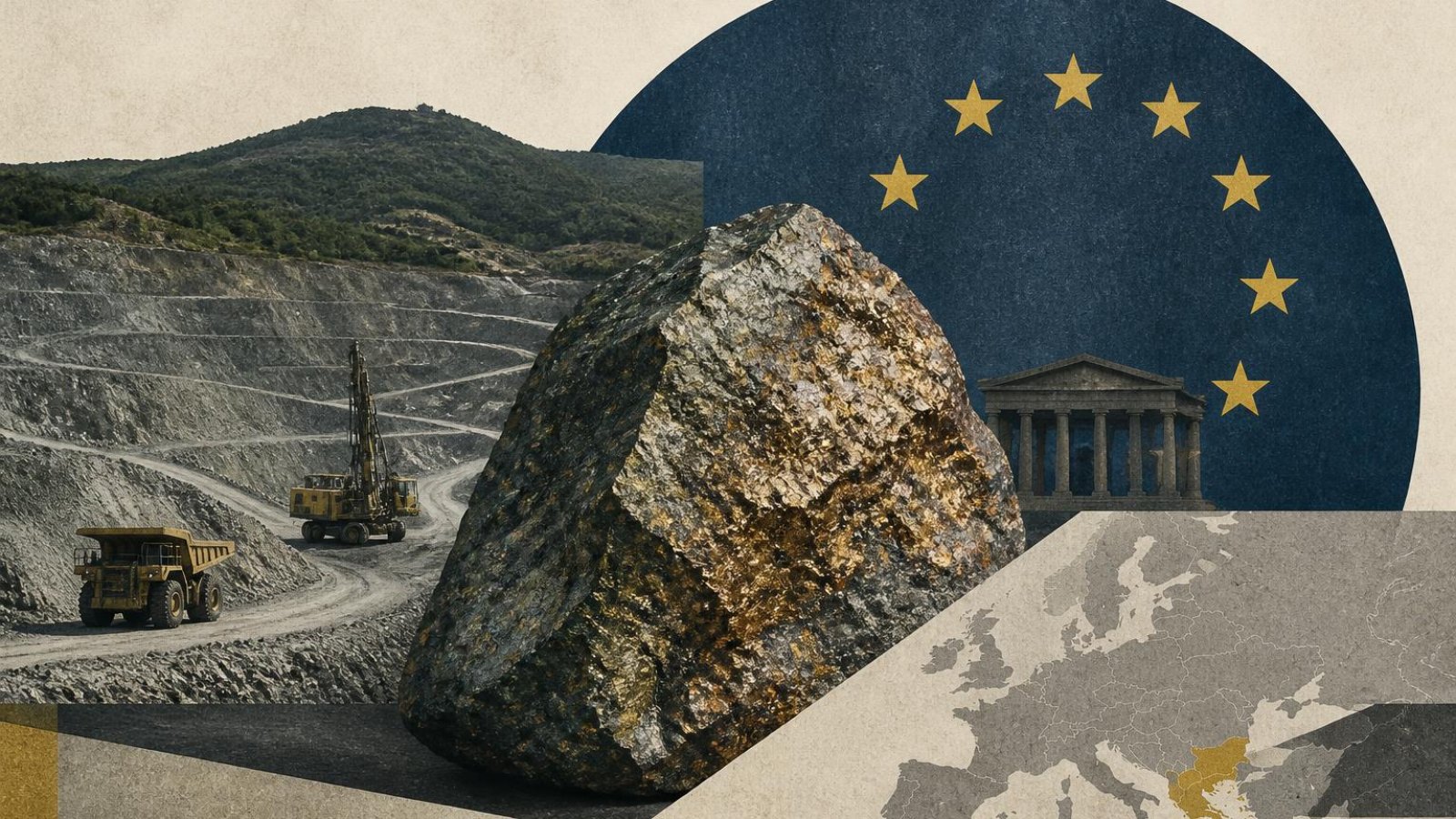
    Eldorado Gold Corporation has announced that its Skouries copper-gold mine in northern Greece has been designated as a Strategic Project under the European Union’s Critical Raw Materials Act (CRMA). This significant recognition highlights the mine’s role in bolstering the EU’s domestic supply chains for critical raw materials, particularly copper, which is essential for electrification, renewable energy infrastructure, and advanced manufacturing. The designation underscores the strategic importance of Skouries not only for Greece but for the entire European Union, as it aims to enhance long-term supply security amidst growing demand for critical metals.

    Christian Milau, President and CEO of Eldorado, emphasised that Skouries is positioned to play a vital role in supporting the secure and responsible supply of critical raw materials necessary for economic growth and the energy transition. The mine, located in the Halkidiki region, recently commenced operations and is projected to be a major producer of copper and gold over its estimated 20-year lifespan. With an investment exceeding US$2 billion, the project is expected to create hundreds of direct jobs and stimulate economic activity in the region.

    The CRMA, adopted by the EU, aims to reduce reliance on external sources for critical raw materials and enhance access to these resources within the region. Projects designated as Strategic are selected based on their potential contributions to supply security, technical feasibility, sustainability standards, and broader benefits to the EU. The recognition of Skouries as a Strategic Project aligns with the EU’s objectives to strengthen its supply chain resilience and support its industrial competitiveness in the face of global challenges.

    Eldorado Gold operates mining, development, and exploration projects in Canada, Greece, and Türkiye, and is committed to maintaining safe and responsible operations while fostering long-term partnerships with local communities. The company’s shares are traded on both the Toronto Stock Exchange and the New York Stock Exchange, reflecting its international presence and commitment to the mining sector.


  • European Commission Grants Strategic Status to KGHM’s Major Copper Projects

    European Commission Grants Strategic Status to KGHM’s Major Copper Projects

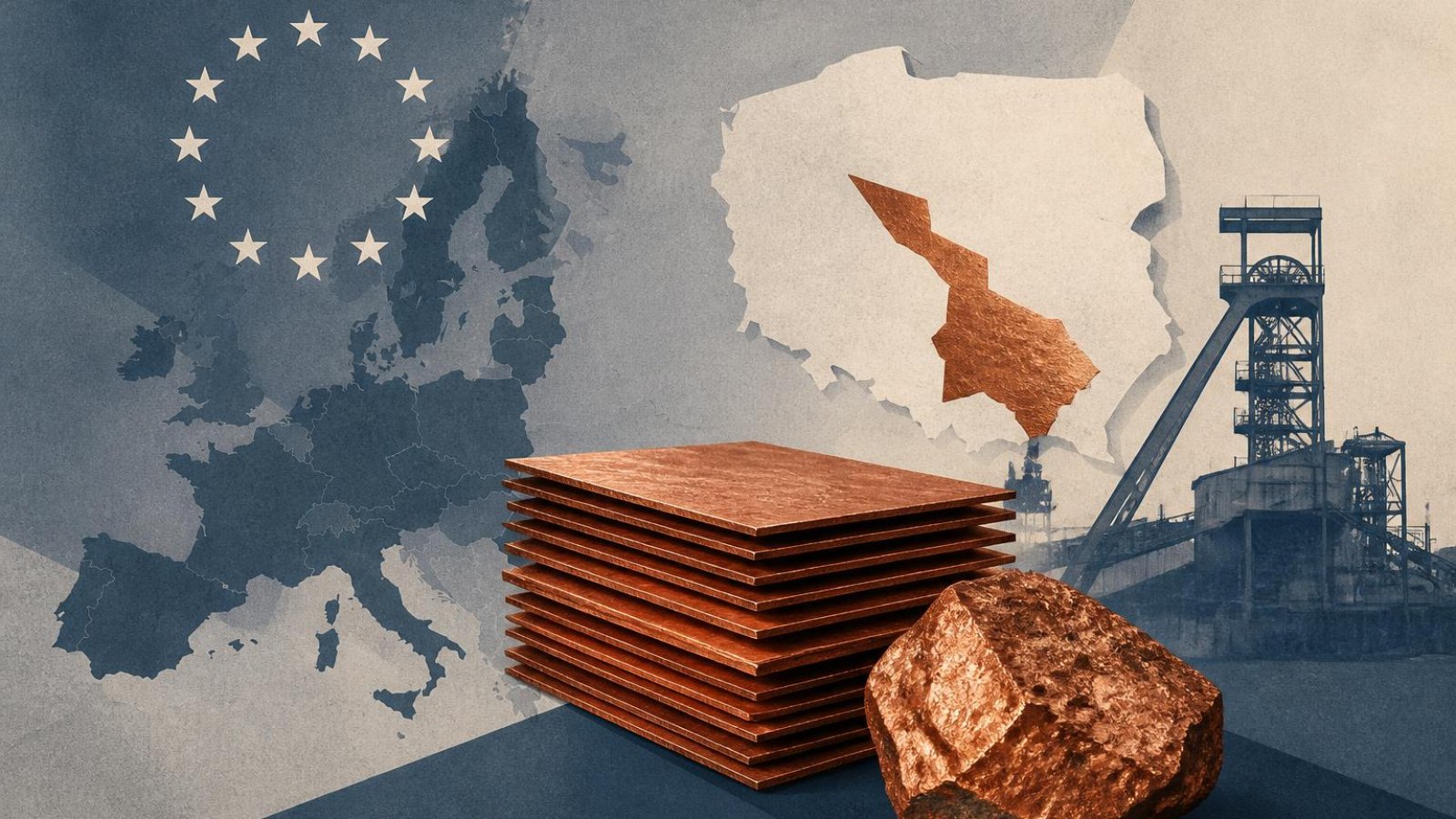
    The European Commission has conferred strategic status on two significant copper projects being developed by KGHM Polska Miedz, a state-controlled producer in Poland, with a combined value exceeding 9.5 billion zlotys (approximately $3.46 billion). This designation falls under the EU’s Critical Raw Materials Act, which aims to bolster domestic production and processing of essential minerals while reducing reliance on external suppliers, particularly from China.

    The projects in question include the Retków-Grodziszcze mining initiative and the transformation of KGHM’s Legnica smelter into a recycling facility. This strategic status is expected to facilitate faster permitting processes, enhance administrative coordination, and improve access to financing for these ventures. However, KGHM has highlighted that a reliable supply of copper scrap is crucial for the success of the recycling project, advocating for measures to limit scrap exports to ensure adequate supplies for European industries.

    As part of its broader strategy, the EU aims to meet at least 10% of its annual critical mineral needs through domestic extraction, 40% through processing, and 25% through recycling by 2030. KGHM’s Retków-Grodziszcze project is projected to extract over 100 million tonnes of ore by 2055, yielding nearly 1.5 million tonnes of copper and over 5,000 tonnes of silver. This project will also involve the construction of the Retków shaft and necessary supporting infrastructure.

    In addition to mining, KGHM plans to establish a recycling operation at Legnica, targeting an annual production of around 135,000 tonnes of electrolytic copper and 250 tonnes of nickel. The strategic status granted by the EU is expected to streamline the permitting process, limiting it to 27 months for extraction projects and 15 months for processing and recycling projects, although exceptions may apply.

    The expedited approval procedures are anticipated to mitigate delays in construction and commissioning, allowing for earlier production timelines. While the Legnica recycling facility is slated to commence operations in 2030, the completion of the Retków shaft and its underground connections is projected for 2035. It is important to note that the strategic designation does not guarantee financing for these investments, leaving some uncertainties regarding the financial aspects of the projects.

    KGHM, already the largest producer of mined copper in the EU, is also pursuing global opportunities for new copper deposits, having recently partnered with BHP to explore potential mining sites worldwide. This strategic move aligns with the EU’s broader objectives of enhancing self-sufficiency in critical mineral production and processing, thereby strengthening the region’s economic resilience and sustainability.


  • Metlen Energy & Metals to Establish Metallurgical Waste Processing in Kazakhstan

    Metlen Energy & Metals to Establish Metallurgical Waste Processing in Kazakhstan

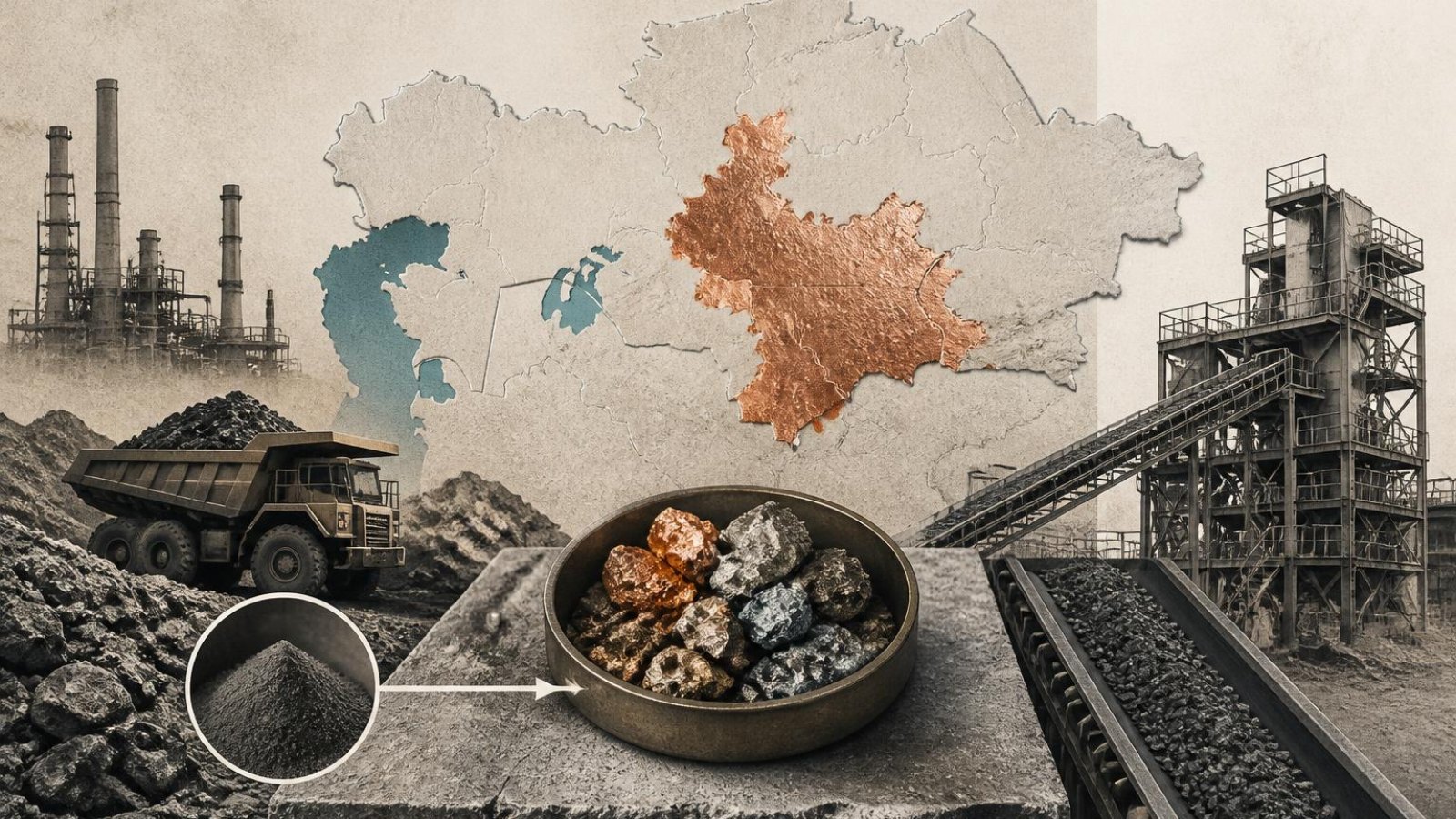
    Metlen Energy & Metals, a Greek industrial group, is set to launch a project in Kazakhstan aimed at processing metallurgical waste to extract valuable metals such as copper, zinc, nickel, and cobalt. This initiative was discussed during a meeting between Ardak Zebeshev, Deputy Minister of Foreign Affairs, and a delegation from the company.

    The project aligns with the Kazakh government’s priorities regarding the recycling of industrial waste, resource efficiency, and the development of high-value-added manufacturing. Zebeshev expressed the ministry’s readiness to support the project’s advancement and facilitate collaboration with relevant ministries, local authorities, and Kazakh companies. The move is seen as a significant step towards enhancing Kazakhstan’s industrial capabilities and promoting sustainable practices within the mining sector, reflecting a growing trend towards resource recovery and waste management in the region.


  • Spain’s El Moto Project: A Strategic Tungsten and Gold Mine Set to Meet European Demand

    Spain’s El Moto Project: A Strategic Tungsten and Gold Mine Set to Meet European Demand

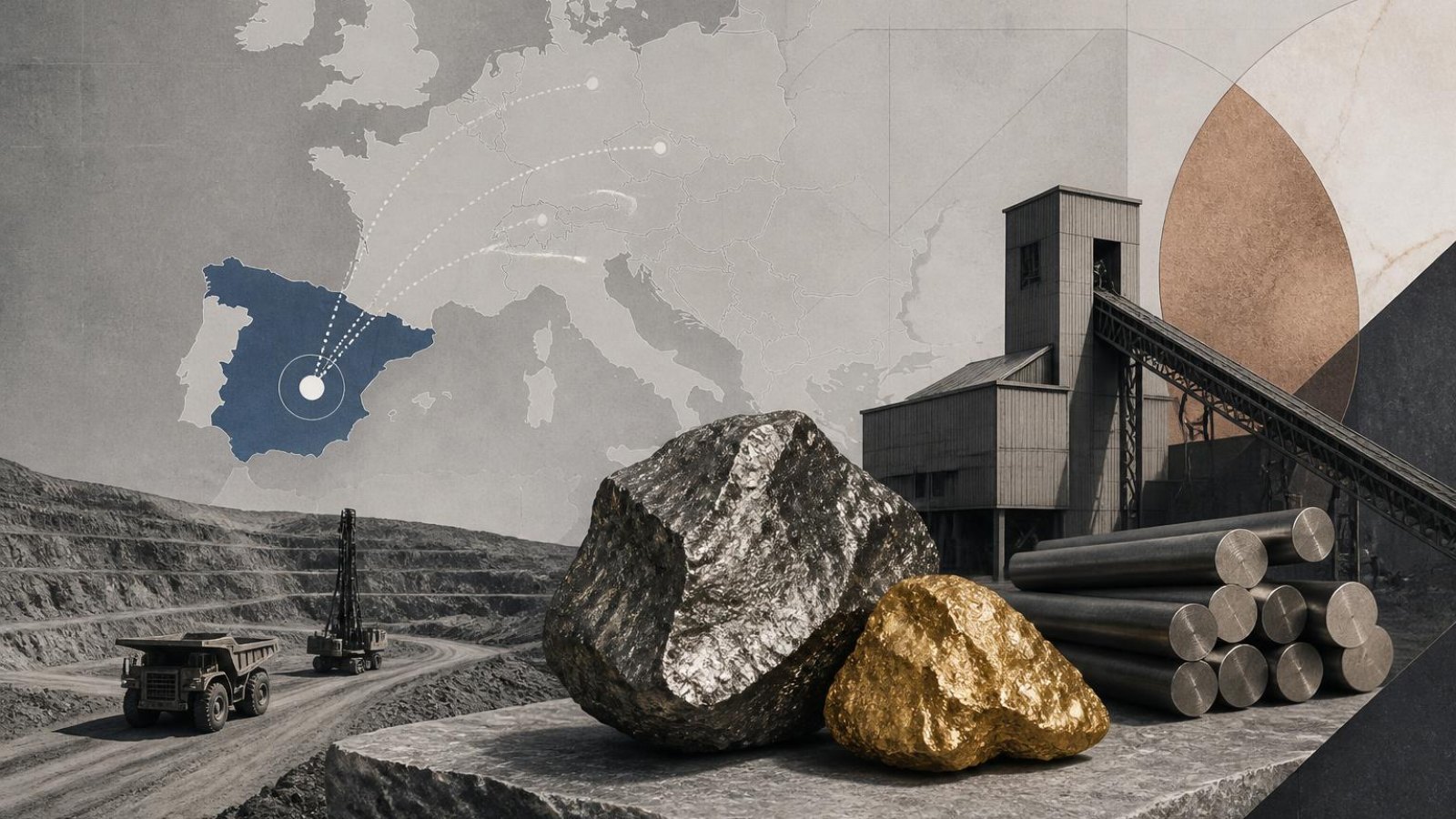
    The El Moto project, located in Abenójar, Ciudad Real, is poised to become a significant player in the European tungsten and gold mining sector. Developed by Abenójar Tungsten, a subsidiary of the Spanish company PMC (Promotora de Minas de Carbón), the project is currently in the final stages of securing €160 million in financing, with plans to cede up to 49% of its capital to attract new investors. The European Commission has declared this initiative strategic, as it aims to cover 25% of the continent’s tungsten demand, which has seen prices more than double over the past year due to reliance on imports.

    The financing strategy involves a combination of debt and equity, with approximately 60% to 70% of the required funds expected to come from loans, while the remaining 30% to 40% will be sourced from equity investments. The project is anticipated to generate substantial annual revenue, estimated at €100 million, with an EBITDA of €40 million and an internal rate of return (IRR) of 22.92%. With a mining concession lasting 90 years, the El Moto project is attracting interest from various financial institutions and investment funds, including the French fund InfraVia, which is supported by the French government.

    The El Moto mine is expected to begin extraction and commercialisation in 2027, contributing to the European Critical Materials Act’s goal of ensuring that at least 10% of critical materials are sourced within the EU by 2030. The mine is projected to yield 91 million tons of tungsten ore and 1.2 million ounces of gold, making it a vital asset for the region and the continent. Currently, Spain has only one active open-pit tungsten mine, highlighting the significance of this new venture in diversifying the country’s mining capabilities.

    Tungsten, known for its high melting point and hardness, is essential in various industries, including steel production, military applications, and electronics. The El Moto project not only promises to bolster Spain’s mining sector but also aims to reduce Europe’s dependency on external sources for this critical mineral. The support from both Spanish and European public administrations further underscores the project’s importance in achieving energy and resource independence within the EU.


  • Critical Metals Restructures European Lithium Deal Following Governance Changes

    Critical Metals Restructures European Lithium Deal Following Governance Changes

    Critical Metals Corp has announced significant changes to its agreement with European Lithium as it moves to consolidate its operations in the critical minerals sector. The company has decided to cancel a potential issuance of up to 6.78 million earnout shares, which was contingent on the implementation date of an Australian scheme. This amendment to the merger agreement, signed on September 28, reflects the company’s strategic shift as it aligns its corporate governance and capital commitments with the ongoing developments in the Australian market.

    In addition to the changes to the merger agreement, Critical Metals disclosed the unfortunate passing of director Michael C. Ryan on September 27. Following this, on October 1, the company reached a settlement with a financial adviser, which involves a payment of $5 million in cash and the issuance of approximately 1.1 million new shares. This move is aimed at consolidating governance and capital commitments as Critical Metals progresses towards finalising its deal with European Lithium.

    Critical Metals, based in the British Virgin Islands, is focused on the critical minerals sector, particularly lithium, through its merger with European Lithium Ltd. The company has adopted a SPAC-driven listing structure, which is designed to streamline its operations and enhance its market position. The recent adjustments to its agreements are seen as a proactive step in ensuring that the company is well-positioned to navigate the complexities of the lithium market, which is becoming increasingly important in the context of global energy transitions.

    As the demand for lithium continues to surge, driven by the electric vehicle and renewable energy sectors, Critical Metals is strategically aligning its resources and governance to capitalise on these opportunities. The company’s recent actions reflect a commitment to enhancing shareholder value while ensuring that it meets the regulatory and operational requirements necessary for a successful merger with European Lithium.


  • Belgium and Kazakhstan Strengthen Ties Through Critical Minerals Partnership

    Belgium and Kazakhstan Strengthen Ties Through Critical Minerals Partnership

    A state visit from Belgium to Kazakhstan, commencing on 12 October, is set to highlight the importance of critical raw materials in fostering international partnerships. High-level discussions will involve policymakers, institutions, researchers, and businesses, focusing on the strategic role of Kazakhstan in the global supply chain for critical minerals. Kazakhstan boasts over 124 identified rare-earth deposits, with significant reserves of 11 out of the 12 defence-critical raw materials listed by NATO and 21 of the 34 materials outlined in the EU Critical Raw Materials Act. This positions Kazakhstan as a pivotal player in a landscape marked by high demand and supply risks.

    Belgium, on the other hand, is equipped with advanced expertise in processing and recycling these crucial materials but lacks domestic production capabilities. For Belgian policymakers, the focus is on diversifying and securing access to the minerals essential for their industries. The partnership aims to create a stable upstream supply chain for Belgium while providing Kazakhstan with opportunities to develop midstream capacities by leveraging Belgian processing knowledge, rather than merely exporting raw materials.

    The significance of this partnership is underscored by the recent inclusion of the Sarytogan Graphite Project in Kazakhstan as one of the 13 strategic projects identified by the European Commission under the Critical Raw Materials Act. This project, developed by Sarytogan Graphite Limited, is seen as a vital component of the EU-Kazakhstan industrial partnership, particularly as graphite is crucial for battery production, thereby enhancing European supply security.

    The visit is expected to pave the way for tangible outcomes, including offtake agreements, joint processing initiatives, and investments that could further solidify the relationship between the two nations. The broader context of these developments will be explored at the upcoming MINEX Eurasia conference in London on 30 November 2026, which will bring together mining and critical minerals professionals, investors, and policymakers to discuss supply chains and partnerships across Kazakhstan, Central Asia, and the wider Eurasian region.

    As the mining sector continues to evolve, the outcomes of this state visit will be closely monitored by MINEX Forum, highlighting the ongoing dialogue and collaboration in the critical minerals space.