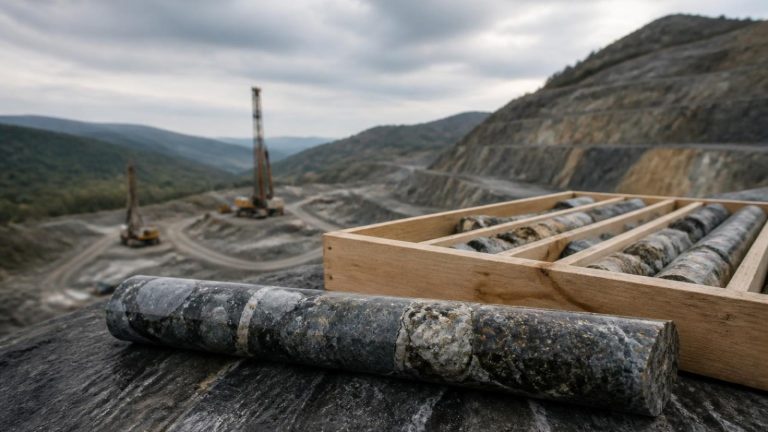
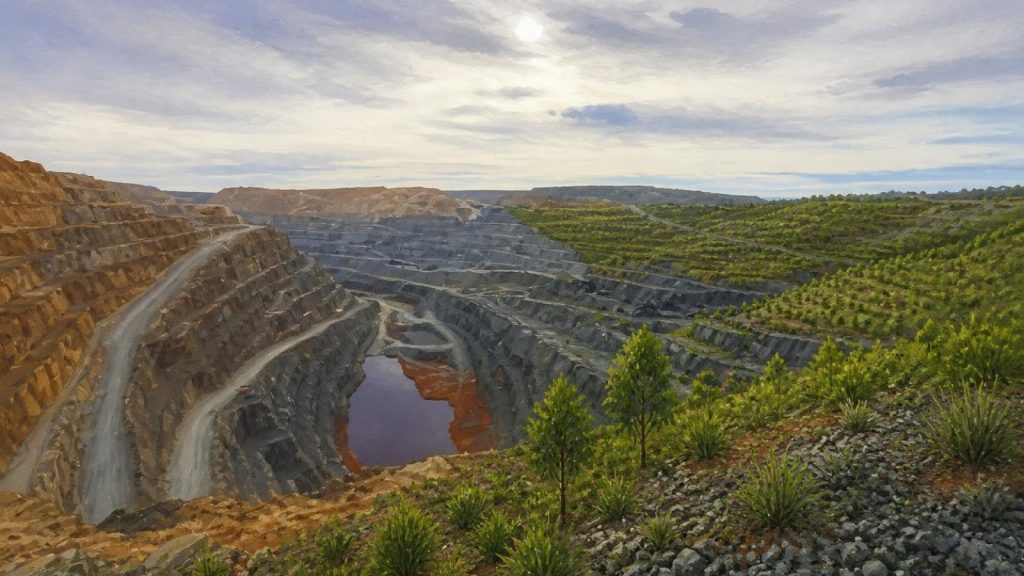
Atalaya Mining’s Riotinto operation, one of Europe’s largest open-pit copper mines located in the Iberian Pyrite Belt, is making strides in environmental management through its Ilmenitas restoration project. This initiative addresses a legacy waste rock dump that dates back to mining practices predating modern environmental regulations. Instead of opting for conventional methods that merely cover up the waste, Atalaya’s team has chosen to tackle the issue at its source by reconstructing the landscape.
The restoration employs geomorphic design, a technique that shapes the landform to imitate stable natural landscapes. This method features gentle slopes and natural drainage lines, which are designed to resist erosion and require less ongoing maintenance compared to traditional rigid terraces and armoured channels. The European Commission has recognised geomorphic rehabilitation as a Best Available Technique (BAT) for managing extractive waste, underscoring its effectiveness and sustainability.
In addition to its industrial achievements, the project has fostered a thriving ecosystem. A colony of bats and various endemic plants have begun to flourish in the area, demonstrating that mining operations can coexist with and even enhance biodiversity. This innovative approach not only mitigates the environmental impact of mining but also contributes positively to the surrounding ecosystem, setting a precedent for future mining operations across Europe and beyond.