Website: Europe.com

  • Unlocking Greece’s Potential in Critical and Strategic Minerals

    Unlocking Greece’s Potential in Critical and Strategic Minerals

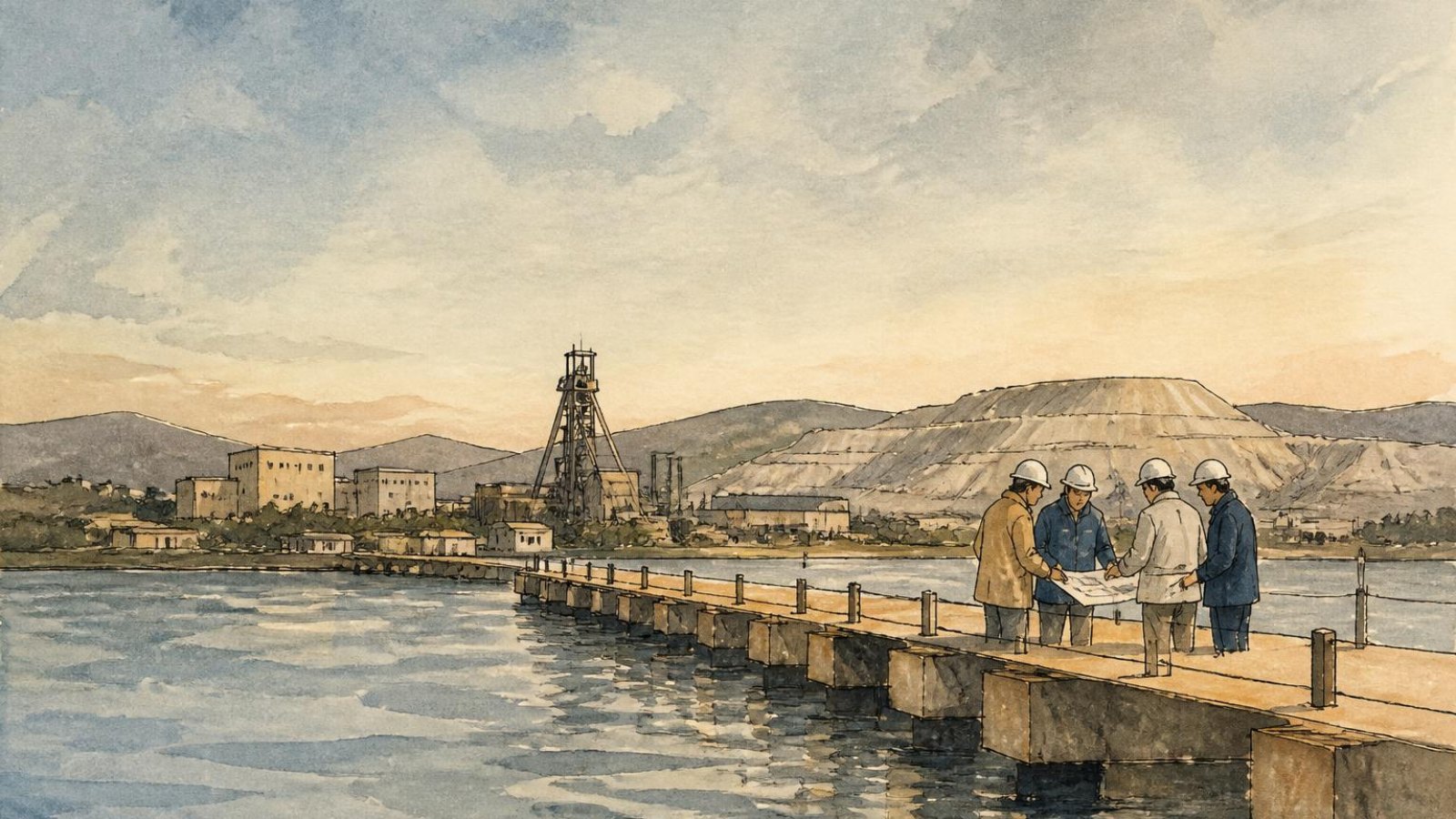
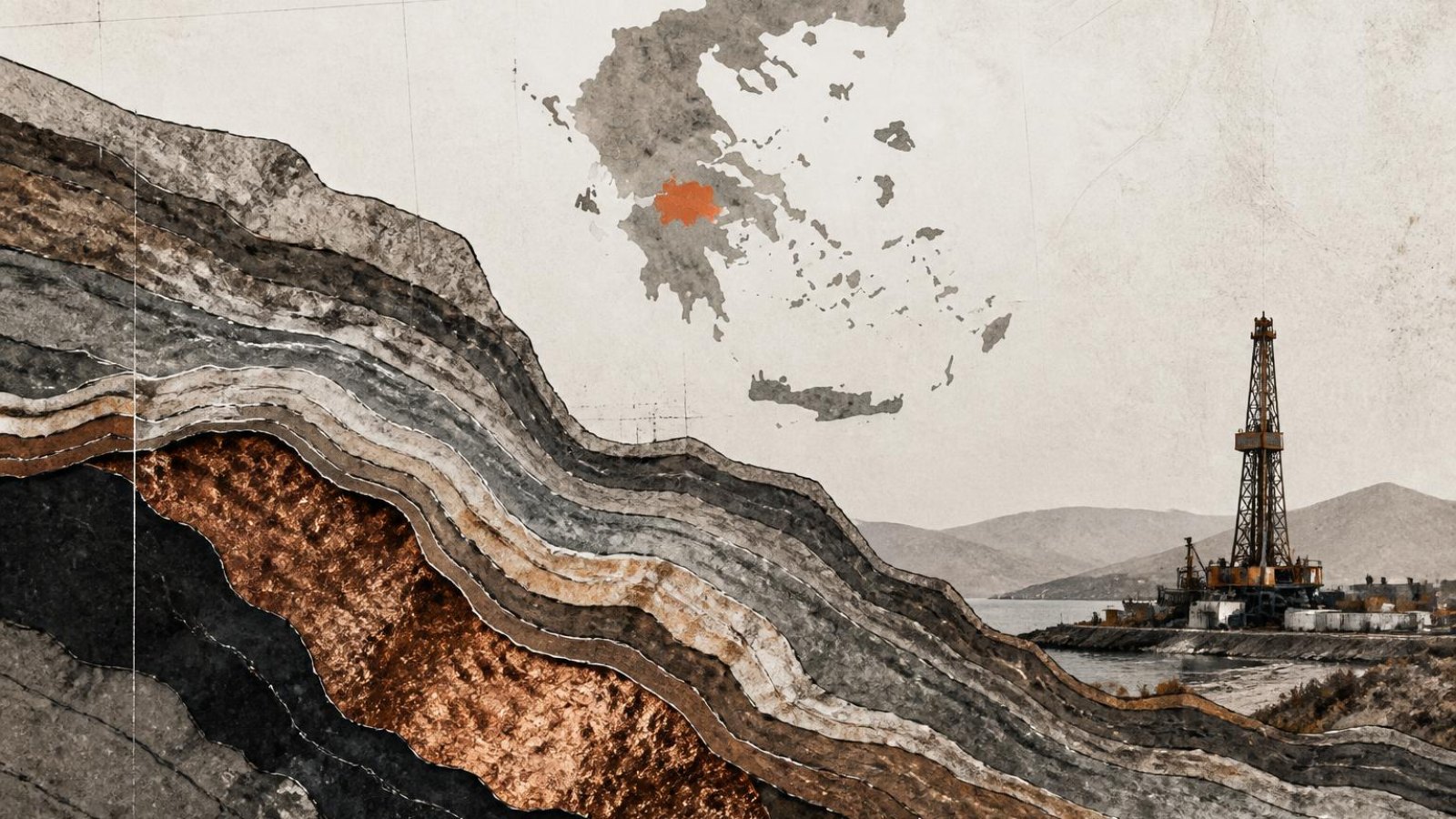
    Greece is emerging as a significant player in the recovery of Critical and Strategic Minerals (CSMs), with substantial deposits that remain largely untapped. Dr. Nikolaos Arvanitidis, an Economic Geologist and expert in the SCRREEN project Network, outlines the potential for recovery of various critical minerals as by-products in a series of nine articles. This first article highlights key opportunities for the extraction of gallium, scandium, cobalt, palladium, antimony, arsenic, germanium, tungsten, and bismuth from Greece’s mineral resources.

    The article details how gallium and scandium can be recovered from bauxite processing residues through the METLEN project, which has been granted EU strategic project status. Cobalt extraction from laterites is contingent on the deployment of hydrometallurgical technology, while palladium can be sourced from chalcopyrite concentrate at Skouries, which requires optimisation of smelter payability. Additionally, antimony and arsenic can be technically recovered from Olympias concentrates, although this necessitates investment in hydrometallurgical separation circuits. Other minerals, such as germanium at Molaoi and tungsten and bismuth at Kimmeria, also present promising opportunities for recovery.

    Greece’s National Exploration Programme, alongside private sector initiatives from companies like METLEN, Rockfire, and Eldorado Gold, positions the country as a potential contributor to European CSM supply security. However, to realise this potential, a comprehensive understanding of CSM-related mineral systems is essential. Increased exploration efforts, targeted metallurgical research, and revised processing flowsheets are necessary to ensure that valuable critical metals are not lost to export concentrates or waste streams.

    The article emphasises that while the metals are present and concentrated by existing industrial processes, the lack of metallurgical capacity and a commercial framework to capture them domestically is a significant barrier. The Bayer process, for instance, can upgrade scandium and rare earth elements in red mud, while flotation processes can concentrate antimony and arsenic at Olympias. Despite the physical presence of these valuable resources, they are not currently being monetised effectively.

    Moving forward, the article calls for metallurgical test work on by-product recovery circuits for Olympias, Skouries, and red mud, along with a revised cut-off grade philosophy for Greek laterites. Systematic geochemistry and mineralogy studies are also recommended to establish recoverable bismuth resources in the Thrace epithermal systems. Furthermore, policy support is crucial to ensure that by-product recovery is prioritised as a strategic objective rather than an afterthought to primary metal production.

    This series of articles aims to explore global value and supply chains for CSM and is intended for a wider audience, including relevant European Commission organisations and projects. The subsequent articles will delve into specific minerals and their potential within Greece’s mining landscape, highlighting the country’s untapped resources and the strategic importance of developing its CSM capabilities.
  • Germany Emerges as Europe’s Lithium Hub with New Strategic Projects

    Germany Emerges as Europe’s Lithium Hub with New Strategic Projects

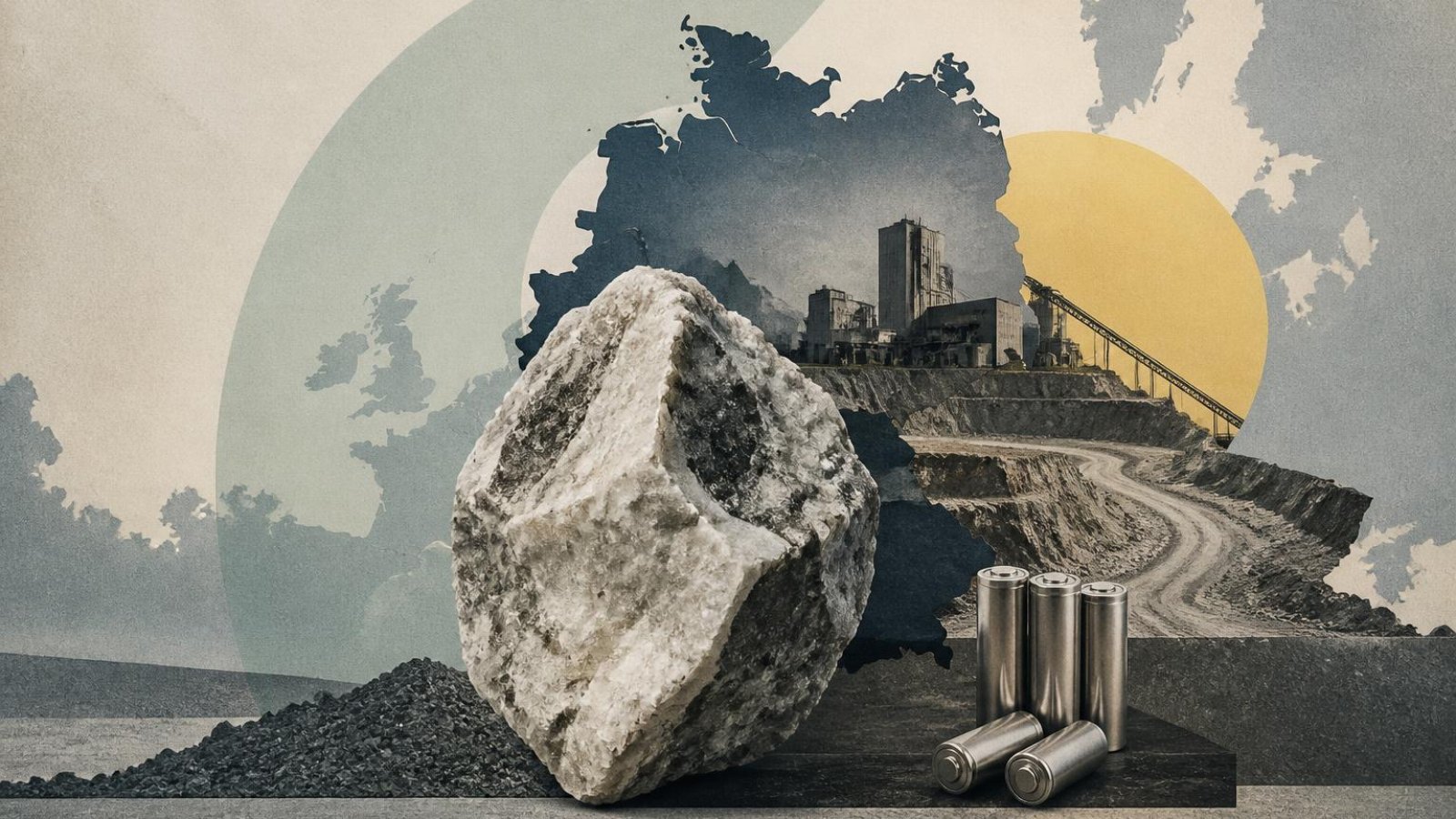
    On 9 October 2026, the European Commission unveiled its second list of strategic projects under the Critical Raw Materials Act (CRMA), selecting 46 initiatives from 102 applications across 16 member states. These projects, which require approximately €21 billion in investments, include 19 focused on recycling, 11 on processing, 8 on extraction, and 8 integrated projects. This move brings the total number of supported strategic projects in the EU to 106, with expedited approval processes for extraction projects capped at 27 months and assistance in financing and buyer sourcing. Notably, Germany leads the way with eight projects, highlighting a clear focus on the battery value chain. Among these, seven projects are related to lithium, 12 to nickel, and 10 to cobalt. The ITEL – Deutsches Lithiuminstitut GmbH expressed satisfaction with the strong representation of its shareholders and partners in these initiatives. Key projects include Neptune Energy’s Altmark Lithium Extraction, which aims to produce lithium from thermal water at depths of up to 4,000 meters, targeting an annual output of 25,000 tonnes by 2030. Additionally, AMG Lithium GmbH plans to establish Europe’s first lithium hydroxide refinery capable of processing recycled lithium, while Zinnwald Lithium GmbH will focus on integrated extraction and processing from hard rock in the Ore Mountains. The landscape is further complemented by recycling efforts such as cylib’s battery recycling project in Dormagen, marking the establishment of a complete European lithium chain in Central Germany—from mining through refining and conversion to recycling.


  • Addressing Misinformation Surrounding the Barroso Lithium Project

    Addressing Misinformation Surrounding the Barroso Lithium Project

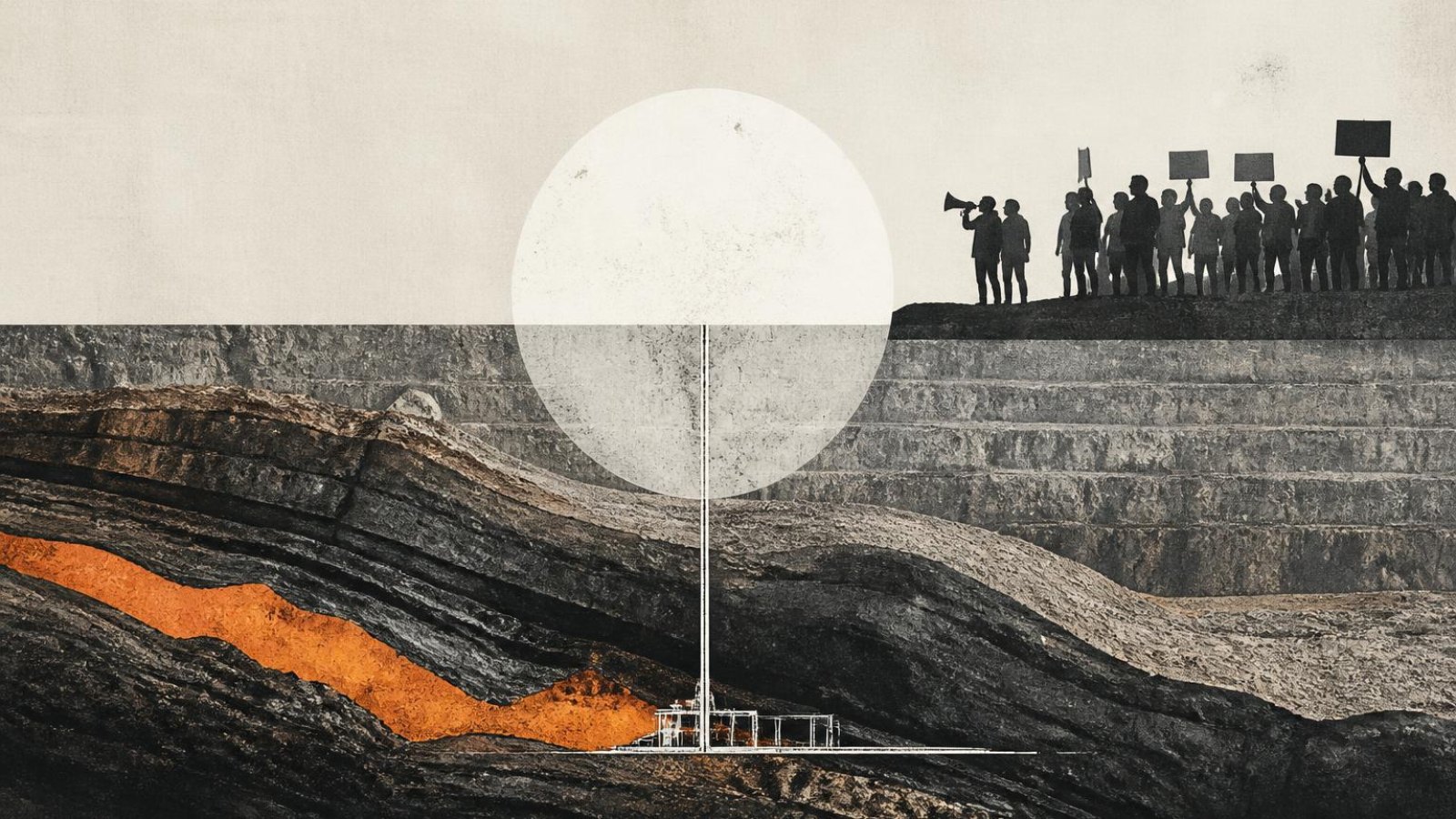
    In recent days, the Barroso Lithium Project has faced significant opposition, leading to a temporary halt in operations due to protests from a familiar activist group. The project team has received mixed reactions, with some supporting their efforts while others raise concerns. In response, the project representatives have outlined four key points regarding the situation. Firstly, the work was paused solely to mitigate operational risks and protect the team from provocations, but operations have since resumed without issue. Secondly, the opposition is deemed to be largely ineffective, generating more media noise than practical consequences. The project team asserts that the opposition is based on a series of easily debunked lies, which they have encountered before. Thirdly, the timing and nature of the protests are seen as orchestrated by professional activists with a history of similar actions, rather than a genuine reflection of local sentiments. This pattern of behaviour coincides with the project’s recent progress, including agreements with local associations and an influx of investment, which the opposing group appears to target. Lastly, the project team expresses confidence in their local support, highlighting their commitment to the community through local hiring and partnerships. They remain open to addressing any questions, including those from political opportunists. The Barroso Lithium Project continues to gain momentum, with positive news expected soon, reinforcing their belief in the project’s potential to bring hope and investment to the region.


  • Europe’s Strategic Choice: Invest in Future Innovation or Risk Dependency

    Europe’s Strategic Choice: Invest in Future Innovation or Risk Dependency

    In a compelling statement, Bernd Schäfer, CEO and Managing Director at EIT RawMaterials, emphasised the critical need for Europe to invest in research and innovation to secure its future. He supports the call from Members of the European Parliament (MEPs) Christian Ehler and René Repasi for robust funding for the upcoming Horizon Europe programme (FP10), highlighting that in an era marked by intense geopolitical competition, investment in these areas is not merely a budget consideration but a strategic imperative.

    Schäfer pointed out that the stakes are particularly high for critical raw materials, which are essential for Europe’s security, industrial competitiveness, clean energy transition, and technological leadership. He argued that secure, sustainable, and increasingly circular raw material value chains are vital for the continent’s future. Without innovation, Europe risks losing its resilience, and without resilience, it cannot achieve strategic autonomy.

    The call to action is clear: Europe must not reduce its investment in research and innovation while simultaneously seeking to lead in advanced materials, artificial intelligence, clean technologies, and defence. The ambitions outlined in the Critical Raw Materials Act require substantial backing to become a reality. Schäfer stressed that research and innovation represent some of the highest-return investments Europe can make, and cutting funding now would jeopardise future growth, resilience, and competitiveness.

    He praised the leadership of Ehler and Repasi and urged other MEPs and Heads of State and Government to support this vision. The message is that Europe’s strategic competitiveness is at stake, and the costs of inaction far outweigh the investments needed to build a sustainable future.


  • Belgium and Kazakhstan Forge Strategic Partnerships in Critical Minerals

    Belgium and Kazakhstan Forge Strategic Partnerships in Critical Minerals

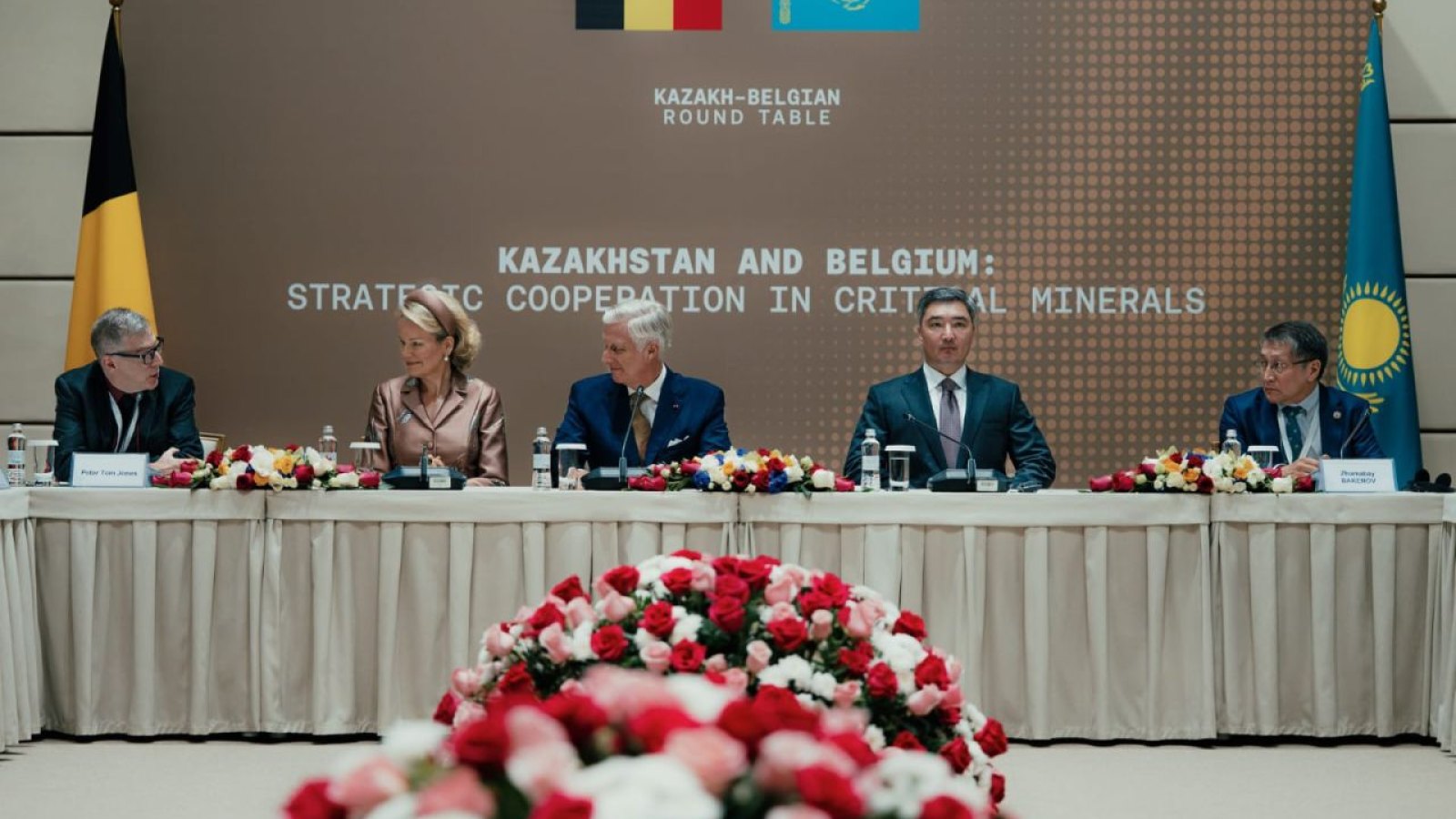
    In a significant development for international collaboration in the mining sector, Belgium and Kazakhstan are set to enhance their partnership in the critical minerals space. This initiative was highlighted during a Royal Round Table held in Astana, where Dr Peter Tom Jones moderated discussions alongside Their Majesties the King and Queen of Belgium and Kazakhstan’s Prime Minister Oljas Baktenov. The meeting aimed to establish tangible collaborations between the two nations, focusing on the critical minerals essential for the climate, digital, and AI transitions.

    The discussions underscored the precarious position of Europe in the global supply chain for critical minerals, particularly given China’s dominance in the mine-to-cleantech sector. In response, the European Union has enacted the Critical Raw Materials Act and is seeking strategic partnerships with resource-rich countries, with Kazakhstan and Uzbekistan identified as key players due to their abundant mineral resources. However, both countries are keen to move beyond being mere mining nations; they aspire to capture more value throughout the supply chain, from extraction to final product.

    Belgium’s proactive approach aims to ensure it does not miss out on this opportunity. The country is leveraging its expertise in metallurgy and sustainable practices to foster collaboration with Kazakhstan. Belgian companies and research centres are renowned for their cutting-edge metallurgy, which focuses on near-zero-waste processes, recovering not only primary metals but also accessory metals while valorising mineral residues. This expertise is particularly relevant for Kazakhstan, which faces significant challenges with its legacy of tailings and industrial residues, estimated at 61 billion tonnes.

    The integrated company-research-centre model prevalent in Belgium, where industry and academia work closely together, is seen as a potential framework for Kazakhstan. This collaborative approach aims to bridge the gap between companies and universities, which often operate in silos, thereby fostering innovation and addressing real industrial challenges.

    As emphasised by His Majesty the King during the Round Table, trust is a crucial element in building these partnerships. The establishment of Joint Research Centres in Kazakhstan is envisioned as a means to promote win-win collaborations, supported by public authorities. The discussions mark a watershed moment for Belgium-Kazakhstan relations in the critical minerals sector, setting the stage for future cooperation and development in this vital industry.


  • Eldorado Gold’s Skouries Mine Designated as Strategic Project by European Commission

    Eldorado Gold’s Skouries Mine Designated as Strategic Project by European Commission

    Eldorado Gold Corporation has announced that its Skouries copper-gold mine in northern Greece has been designated as a Strategic Project under the European Union’s Critical Raw Materials Act (CRMA). This designation highlights the mine’s crucial role in bolstering the EU’s domestic supply chains for critical raw materials, particularly copper, which is essential for electrification, renewable energy infrastructure, and advanced manufacturing. Christian Milau, the President and CEO of Eldorado, emphasized the significance of this recognition, stating that Skouries is not only vital for Greece but also for the broader European economy. As one of the largest new copper-gold mines in Europe, Skouries is set to play a pivotal role in ensuring a secure and responsible supply of critical materials necessary for economic growth and the energy transition.

    Located in the Halkidiki region, the Skouries project recently commenced operations and is expected to produce significant quantities of copper and gold over its projected 20-year lifespan. With an investment exceeding US$2 billion, the mine is anticipated to create hundreds of direct jobs and stimulate economic activity in the surrounding area. The CRMA aims to enhance the EU’s access to critical raw materials while reducing reliance on external suppliers. Projects designated as Strategic are evaluated based on their potential contributions to supply security, technical feasibility, sustainability, and overall benefits to the EU.

    Eldorado Gold, a prominent player in the mining sector, operates across Canada, Greece, and Türkiye, focusing on gold, copper, and base metals. The company prides itself on its skilled workforce, commitment to safe operations, and strong partnerships with local communities. As the demand for critical raw materials continues to rise, the strategic designation of the Skouries mine underscores the importance of such projects in supporting the EU’s long-term supply chain resilience and economic competitiveness.


  • Transforming Greece’s Mining Landscape: The Skouries Project and the Case for a New Assessment Protocol

    Transforming Greece’s Mining Landscape: The Skouries Project and the Case for a New Assessment Protocol

    Greece stands at a crossroads regarding its mining industry, particularly in the realm of critical raw materials. The country has the opportunity to either continue witnessing delays in vital projects due to non-geological factors or to embrace a new standard that could pave the way for successful mining operations. A prime example of this potential is the Skouries project located in Halkidiki, which has recently reached a significant milestone, now 97% complete. After overcoming numerous regulatory challenges and securing a social license, the project has commenced its first production phase. This achievement underscores the importance of integrating geological data with Environmental, Social, and Governance (ESG) considerations in order to transform contentious mining initiatives into strategic national assets.

    In a recent discussion paper, the author advocates for the establishment of a Pre-Tender Integrated Assessment (PTIA) protocol, which would codify the lessons learned from the Skouries project. This protocol aims to standardize the assessment of environmental baselines, social licenses, and economic impacts prior to the publication of tenders. By implementing such a framework, Greece could de-risk investments for long-term partners, ensure that local communities reap direct benefits through job creation, royalties, and training, and ultimately position itself as a reliable supplier of critical raw materials for Europe.

    The Skouries model serves as a blueprint for future projects, suggesting that similar strategies could be applied to other sites such as Gerakario and Vathi. The call to action is clear: Greece must adopt the necessary policies to scale this model and harness its mining potential effectively. The full discussion paper elaborates on how these strategies can be replicated and the benefits they could bring to the Greek economy and its communities.


  • Endomines Advances Southern Gold Line Project Despite EU Strategic Status Setback

    Endomines Advances Southern Gold Line Project Despite EU Strategic Status Setback

    Endomines Finland Oyj has announced that its Southern Gold Line project, which focuses on tungsten, molybdenum, and gold, was not selected as a strategic project under the European Union’s Critical Raw Materials Act (CRMA). Despite this setback, the company remains committed to the development of the project and plans to continue its exploration and assessments in the Southern Gold Line area. The project is situated in the southern region of the Karelian gold line, with production anticipated to commence around 2030.

    The recent fluctuations in raw material prices have significantly increased the revenue potential for tungsten and molybdenum, making the project even more economically viable. Kari Vyhtinen, CEO of Endomines, expressed confidence in the project’s future, stating that the lack of strategic status will not hinder their operations or plans. He emphasized the ongoing need for critical minerals in Europe and reiterated the company’s goal to enhance Europe’s self-sufficiency in this regard.

    Endomines is focusing on advancing the technical and financial prerequisites necessary for production, and they are open to reapplying for strategic project status in future rounds. The company aims to transform the Karelian Gold Line into a major sustainable gold production area, contributing to the jewellery and electronics industries while also providing resilience against global political instability.

    As a pioneer in sustainable mining, Endomines is dedicated to creating value from natural resources while adhering to environmentally responsible practices. The Southern Gold Line project is a crucial part of their strategy to position themselves as a key player in the European mining sector, particularly in the production of critical minerals that are essential for various industries.


  • Sokli Mining Project Designated as Strategic under EU Critical Raw Materials Act

    Sokli Mining Project Designated as Strategic under EU Critical Raw Materials Act

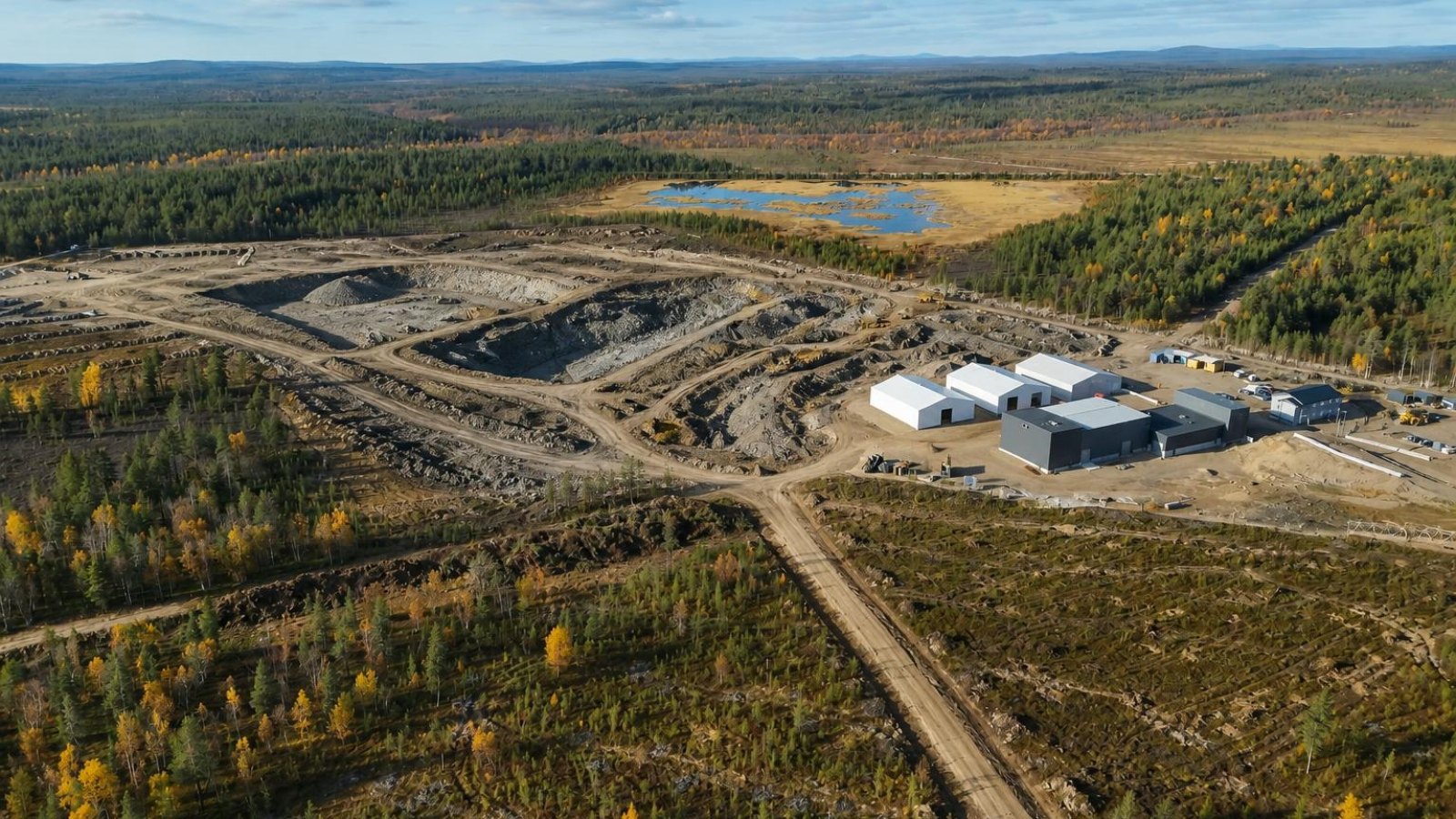
    The European Commission has officially recognised the Sokli mining project in Savukoski, Finland, as a strategic initiative under the Critical Raw Materials Act (CRMA). This designation underscores the project’s vital role in ensuring the availability of critical raw materials within the European Union, particularly as the region seeks to enhance its self-sufficiency and support a clean energy transition. The Sokli site is notable for its unique mineral resources, which include significant deposits of phosphate, rare earth elements, niobium, iron, and vermiculite. These materials are essential not only for fertiliser production but also for various industrial applications and defence needs.

    Pasi Heino, Managing Director of Sokli, expressed optimism regarding the project’s strategic status, stating that it provides a robust foundation for ongoing development efforts. The immediate focus will be on preparing for pilot operations, advancing technical studies, and conducting comprehensive environmental impact assessments. This strategic designation is expected to facilitate the project’s administrative processes and enhance financing opportunities, although it does not exempt the project from national permitting and environmental regulations.

    Matti Hietanen, CEO of Finnish Minerals Group, highlighted the importance of domestic mineral resources in bolstering Europe’s security of supply and competitiveness. He emphasised that the selection of Sokli as a strategic project reflects Finland’s critical role in the EU’s broader strategy to diversify sources of raw materials and reduce reliance on external suppliers.

    Preparatory work for pilot operations at Sokli is already underway, including essential earthworks and road improvements. The environmental impact assessment process is anticipated to commence this year, with ongoing nature surveys and environmental monitoring planned for the future. The pilot operations aim to test mining activities on a limited scale, ensuring that the future mine can be developed safely and responsibly.

    Heino reiterated the project’s commitment to transparency and community engagement, stating that they aim to listen to local perspectives and thoroughly assess the project’s impacts throughout all planning stages. As Europe continues to navigate the complexities of raw material supply chains, the Sokli mining project stands as a pivotal initiative in the region’s quest for sustainable resource management.


  • Sardinia’s Institutions Collaborate to Revitalise Mining Sector and Tackle Environmental Challenges

    Sardinia’s Institutions Collaborate to Revitalise Mining Sector and Tackle Environmental Challenges

    In a significant move to revitalise its mining sector, a delegation from the Italian Ministry of Enterprises and Made in Italy (MIMIT) and the Ministry of Ecological Transition (MASE) has engaged in discussions with the Sardinia Region. The focus of these discussions is to initiate extraction, processing, and recovery projects in key areas including Monteponi, Portovesme, and Silius. This initiative aims to breathe new life into the historically mining-rich Iglesiente area, which has faced economic and environmental challenges over the years.

    The delegation’s visit included inspections of Monteponi, a former mining site with recoverable deposits, the strategic processing and recycling plant in Portovesme, and the Silius site, which is currently being reactivated. The Sardinia Region’s Department of Industry welcomed this initiative, aiming to foster collaboration with central institutions to enhance the mining sector and its associated industries. The discussions highlighted the region’s potential and explored avenues for economic growth and employment opportunities.

    A key aspect of the revitalisation plan is the valorisation of mining waste, which is estimated to amount to approximately 70 million cubic metres in Sardinia. The URBES project, funded by the National Recovery and Resilience Plan (PNRR), aims to recover valuable resources such as iron, lead, zinc, and rare earths from this waste, while also addressing environmental and health concerns related to pollution.

    The projects proposed by the Sardinia Region are at various stages of advancement. Monteponi is noted for its historical and landscape significance, while Portovesme remains an operational industrial hub for non-ferrous metals. Innovative projects are set to be implemented here, including lithium battery recycling and the recovery of high-purity bismuth. The Silius mine, which is expected to reopen soon, is particularly noteworthy as it has the potential to meet 4% of the EU’s fluorite needs.

    Stakeholders in the mining, recycling, and processing sectors are advocating for improvements to regional infrastructure and a reduction in energy costs to enhance competitiveness in the global market, which is currently dominated by non-EU competitors. The institutions involved are committed to addressing these critical issues and fostering collaboration among all stakeholders to protect and revive Sardinia’s historical and industrial heritage, with a strong emphasis on the circular economy and sustainable development.