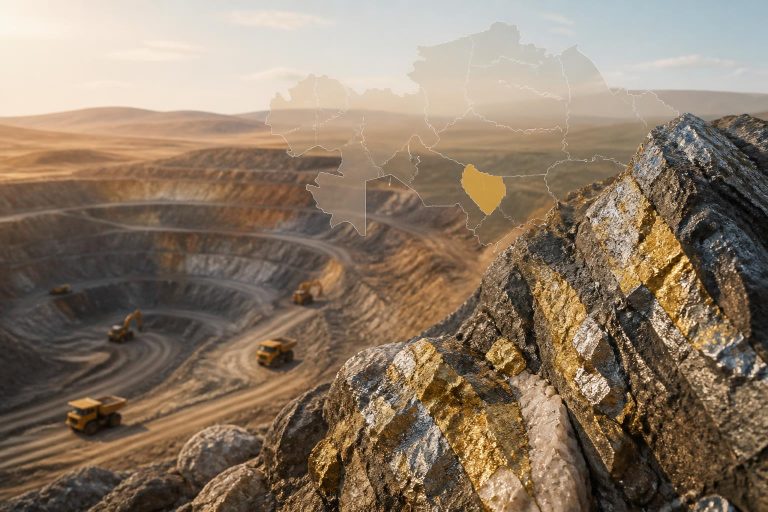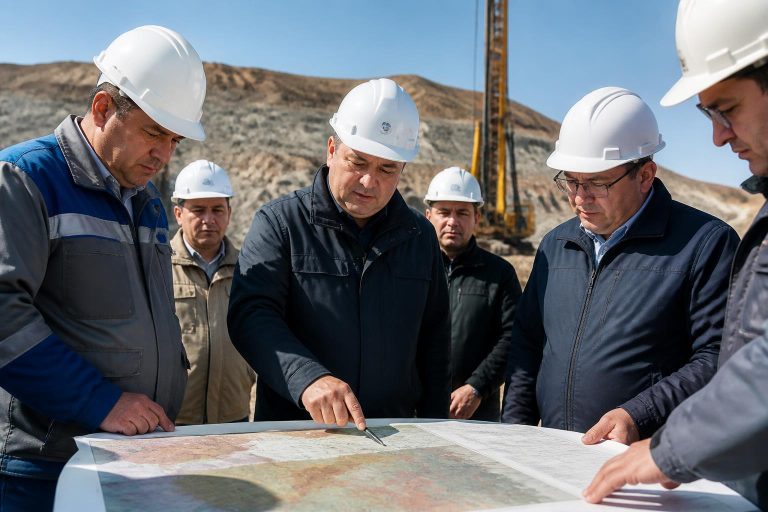
Kazakhstan’s Minister of Industry and Construction, Yersayin Nagaspaev, recently inspected the progress of geological exploration initiatives in the Ulytau region, as part of the government’s strategy to enhance the geological understanding of the country’s mineral resources. Under the directives of President Kassym-Jomart Tokayev, geological surveys are being conducted across 20 sites nationwide this year, covering an area exceeding 100,000 square kilometres across 11 regions.
In Ulytau, comprehensive geological studies are taking place over an area of 36,000 square kilometres across seven sites. During his visit, Minister Nagaspaev was introduced to innovative approaches in aerogeophysical and geological exploration methods. These include the interpretation of remote sensing data, the use of unmanned aerial vehicles (UAVs) for aerogeophysical surveys, and high-precision geochemical methods such as Ionic Leach.
Nagaspaev emphasised that thorough geological studies are a key strategic objective set by the President for the Ministry and the industry. He stated that the primary goal is to ensure the acquisition of high-quality geological information, which directly influences investment flows into geological exploration and the development of various industrial sectors.
As part of the State Geological Exploration Programme (GosGIN), a group of geological exploration companies has been formed under the leadership of the National Geological Service. Kazakhmys Barlau LLP is conducting advanced aerogeophysical studies in Ulytau, employing methods such as aeromagnetic surveys, aerogamma spectrometry, and aerogravimetry. These techniques enable rapid acquisition of geophysical data over extensive areas, allowing for quick assessments of the potential of the surveyed sites.
Additionally, Kazgeologia JSC, part of the Tau-Ken Samruk group, is undertaking similar studies using modern UAV systems equipped with high-precision RTK navigation. Digital technologies facilitate real-time monitoring of UAV flights and continuous data acquisition across the study areas, ensuring accuracy and quality in geological exploration.
Furthermore, a unified digital cadastre of subsoil resources is being developed, which will include electronic passports for each prospective site. This initiative aims to enhance the transparency and accessibility of geological information, reducing processing times and preparation efforts. The first promising areas are expected to be auctioned to investors by 2027.
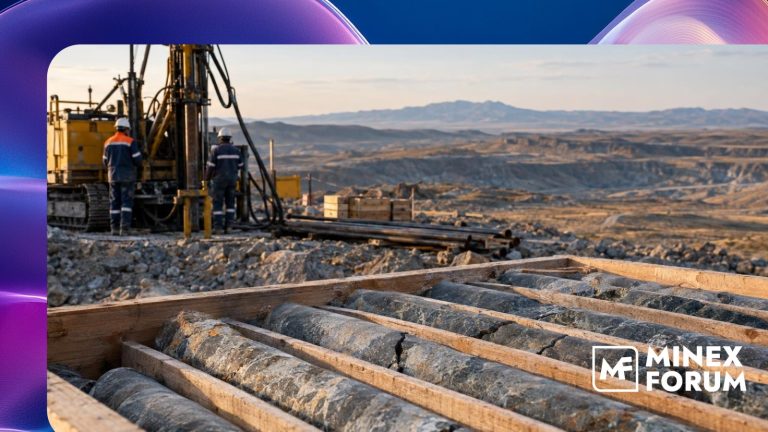
During his visit to the Geological Cluster, the minister reviewed the establishment of a full cycle of operations, including core reception and storage, laboratory and geophysical studies. This cluster is one of the largest scientific, production, and educational complexes in Central Asia. Following his working trip, Nagaspaev issued several directives to ensure the quality and timeliness of the ongoing projects.