Tag: TALCO

  • Talco Extends non-binding Agreement to Acquire 60% Stake in Eastern Aluminum Extrusion Factory

    Talco Extends non-binding Agreement to Acquire 60% Stake in Eastern Aluminum Extrusion Factory

    Saudi Arabia’s Al Taiseer Group Talco Industrial Company has announced a six-month extension of its non-binding memorandum of understanding (MoU) to acquire a 60% stake in the Eastern Aluminum Extrusion Factory, located in Dammam. This extension, which will last from August 24, 2026, to February 23, 2027, provides additional time for the completion of due diligence procedures, as stated in Talco’s filing to the Saudi Exchange.

    Founded in 1976, Talco has established itself as a pioneer in the manufacturing of aluminum-related products within Saudi Arabia and the broader Gulf region. The company currently boasts a production capacity of up to 60,000 metric tonnes per annum, catering to the global market. The initial MoU was signed in November 2025, and the agreement has already seen a previous extension in March 2026.

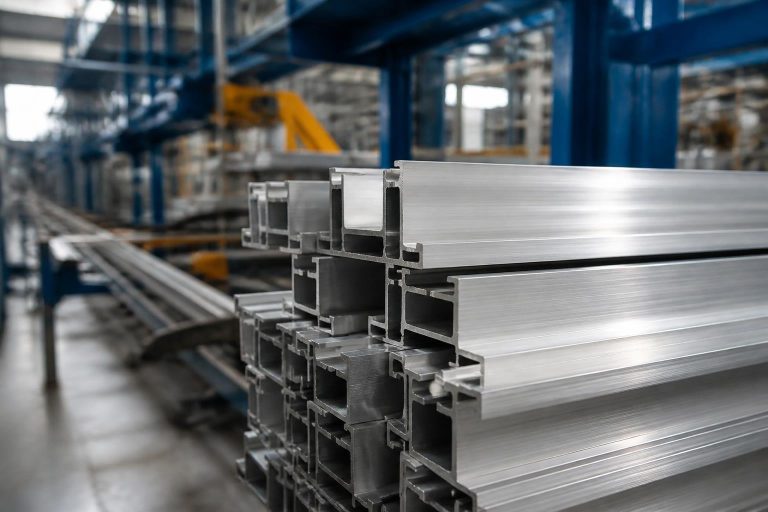
    Talco’s core business segments include aluminium extrusion and thermoset powder coating, which encompasses advanced polyester and epoxy metal coatings. Additionally, the company manufactures various accessories, such as rubber gaskets and weatherstrips, designed for sealing systems. The ongoing procedures related to the proposed transaction indicate that Talco is committed to expanding its footprint in the aluminium sector, which is crucial for the development of infrastructure and manufacturing capabilities in the region.

    As the deadline for the MoU approaches, industry observers will be keen to see how this acquisition could enhance Talco’s operational capabilities and market presence. The aluminium industry is witnessing significant growth, driven by increasing demand in construction, automotive, and packaging sectors, making this acquisition a strategic move for Talco in maintaining its competitive edge.


  • Tajikistan Explores Industrial Collaboration with Chinese Firms on Lithium Processing and Equipment Modernisation

    Tajikistan Explores Industrial Collaboration with Chinese Firms on Lithium Processing and Equipment Modernisation

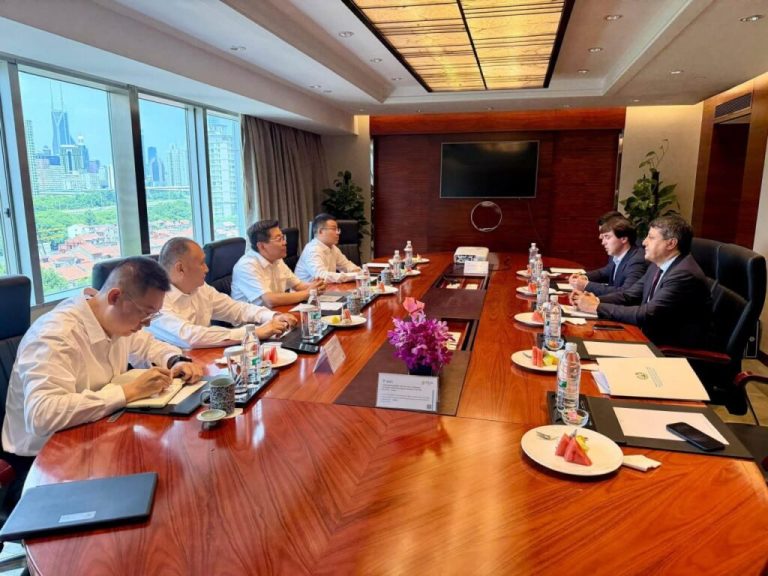
    In a significant move to enhance its industrial capabilities, Tajikistan’s Minister of Industry and New Technologies, Sherali Kabir, engaged in discussions with leading Chinese companies, including SANY, Huayou, and Bosai Group, during a recent visit to Shanghai. The talks focused on various collaborative projects aimed at modernising Tajikistan’s industrial sector, particularly in the fields of electric machinery production, lithium extraction, and the upgrading of the Tajik Aluminium Plant (TALCO).

    The discussions with SANY revolved around the establishment of manufacturing facilities for electric construction, municipal, and mining machinery within Tajikistan. This initiative is expected to cater to both domestic needs and export markets. The Tajik government is keen on transitioning from diesel-powered machinery to electric alternatives, which they believe will reduce operational costs and emissions while enhancing energy efficiency and productivity, especially in the mining sector.

    Further negotiations with Huayou centred on lithium exploration, extraction, and processing in Tajikistan. The potential establishment of a battery manufacturing facility was also on the agenda, aimed at serving both local and export markets. Huayou, known for its development of lithium, nickel, and cobalt resources, is expected to bring modern technologies and investment to facilitate this venture, thereby creating a comprehensive industrial chain from raw material extraction to high-value product manufacturing.

    The talks also included Bosai Group, which is poised to play a crucial role in the comprehensive modernisation of TALCO. The discussions highlighted the need for advanced technologies to improve production efficiency and environmental sustainability, as well as to attract investment. The modernisation of TALCO is viewed as a strategically important project that could significantly enhance Tajikistan’s aluminium industry and expand its export capabilities.

    In addition to these industrial discussions, the Tajik delegation participated in the World Artificial Intelligence Conference (WAIC) 2026, where they became founding members of the World Organisation for Cooperation in Artificial Intelligence (WAICO). This initiative aims to foster international collaboration and improve global governance in AI technology, ensuring its safe and equitable development for the benefit of humanity.

    Overall, these engagements signify Tajikistan’s commitment to modernising its industrial landscape through strategic partnerships with Chinese firms, which could lead to substantial advancements in technology and production capabilities within the country.


  • China Tightens Grip on Tajikistan’s Antimony Industry

    China Tightens Grip on Tajikistan’s Antimony Industry

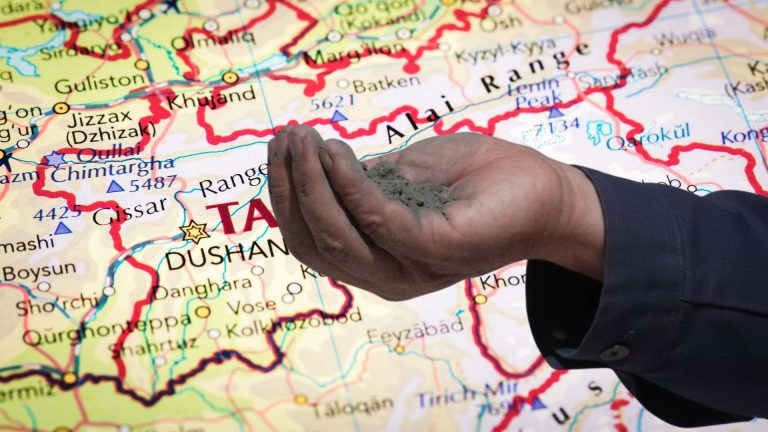
    In Tajikistan’s mountainous heartland, the Soviet-era Saritag antimony mine stands testament to China’s growing influence in Central Asia. Run by the joint venture Talco Gold, a collaboration between Tajik and Chinese companies, the mine produces over 5,000 tonnes of antimony concentrate daily, crucial for many industrial applications. The ore is crushed, ground in large drums, and then separated from the metal using chemical reagents before being dried and bagged as 30% pure antimony. This large-scale operation was made possible by a significant Chinese investment in 2022, which is now being followed by the construction of a new purification plant.

    Pictures of Tajikistan’s long-time President Emomali Rakhmon coexist with portraits of Chinese leader Xi Jinping on posters juxtaposing the country’s past with its present economic reality. While remnants of the Soviet era remain, China has overtaken Russia as the dominant power in the region’s crucial mining sector.

    The full potential of the mine is yet to be unlocked. China’s ambitious $359 million project aims to build a state-of-the-art purification plant on the site, allowing for even greater control over the antimony production chain.

    The Chinese investment, pouring in, signals a strategic move to secure access to vital resources and cement political ties. While offering much-needed economic boost to Tajikistan, it raises concerns about resource dependence and potential environmental consequences.

    This narrative paints a picture of delicate balance: economic prosperity coupled with increasing reliance on a single partner, leaving Tajikistan to navigate the complex landscape of China’s expanding geopolitical footprint in Central Asia.

  • TALCO’s Electricity Debt Reaches $52.6 Million Amid Legal Dispute

    TALCO’s Electricity Debt Reaches $52.6 Million Amid Legal Dispute

    The Tajik Aluminum Company (TALCO) has accumulated a significant electricity debt of 571.5 million somonis (US$52.6 million) as of January 1, 2025, marking a 62% increase from the previous year’s debt. The figures were revealed during a February 11 press conference by Muhammad Ghulomzoda, a representative of OJSC Distribution Electric Networks. This debt includes both accumulated liabilities and current monthly payments of around 25 million somonis (US$2.3 million). However, no details were provided on TALCO’s total payments for 2024.

    TALCO’s electricity consumption is substantial, averaging 5.7 million kWh per day—equivalent to 10% of Tajikistan’s total electricity production. In August 2024, TALCO had reportedly paid 90 million somonis after negotiations, agreeing to a monthly payment of 35 million somonis.

    The company is also embroiled in a legal dispute with Barqi Tojik, Tajikistan’s state-run electricity provider, over a US$37 million debt allegedly accumulated in 2020. TALCO has disputed the full amount, claiming calculation errors. The representative of Distribution Electric Networks declined to provide an update on the lawsuit’s status during the recent press conference.

    The debt dispute between Barqi Tojik and TALCO dates back to 2020. That year, Barqi Tojik claimed TALCO owed 415 million somonis (US$39.2 million), which TALCO denied, asserting that it had overpaid for electricity. As of January 2024, TALCO’s debt stood at over 351.7 million somonis (US$32.2 million).

    TALCO benefits from preferential electricity rates—18.6 dirams per kWh—compared to 70.35 dirams for other industrial enterprises and 30.75 dirams for residential customers.