Tag: pre-feasibility study

  • Norge Mining Advances with Eigersund Project After Government Fast-Track Approval

    Norge Mining Advances with Eigersund Project After Government Fast-Track Approval

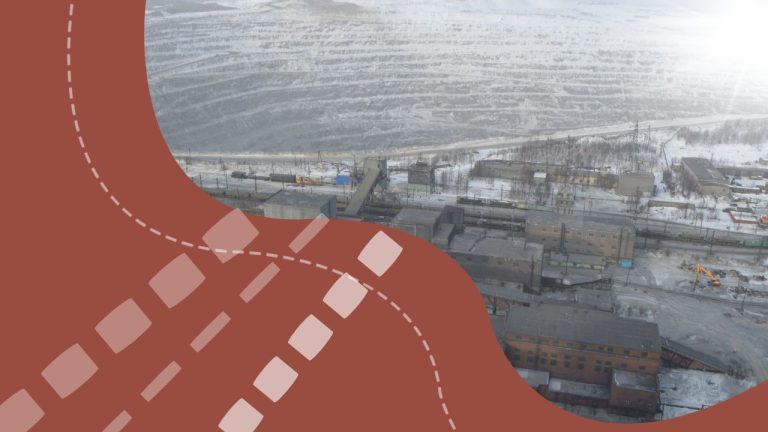
    Norge Mining has received fast-track approval from the Norwegian government for critical mineral extraction and has confirmed the viability of its most advanced mining initiative with a newly delivered pre-feasibility study (PFS). This study focuses on the first of three zones at the Eigersund project, which represents the initial phase of the Anglo-Norwegian firm’s mining plans.

    The Eigersund project is located within the Storeknuten licence area, which constitutes just 5% of the company’s total 520 sq. km exploration area. The mineral resource estimate stands at 3.4 billion tonnes across all categories, supporting at least 30 years of mining. The Storeknuten area alone contains nearly 1 billion indicated tonnes with grades of 1.73% P2O5, 4.83% TiO2, 0.07% V2O5, and 3.41% Fe3O4, according to a recent JORC resource statement by SRK.

    The PFS assigns a net present value of $2.01 billion to this zone, with expectations for this figure to rise as the project progresses and further optimizations are identified. The initial extraction phase will supply critical raw minerals, including phosphate, titanium, vanadium, and ferro magnetite, for the first 23 years, with an anticipated annual output of 20 million tonnes.

    The estimated capital cost for the project is $2.31 billion, covering expenses for open-pit mining, tailings management, beneficiation, and infrastructure development. Opportunities to reduce these costs will be explored as the project advances. In June, Norway awarded extraction rights for the Eigersund project and all other exploration licenses in the municipality, marking the largest such award in the nation’s history at 26 sq. km.

    John Vergopoulos, CEO of Norge Mining, commented on the PFS milestone, emphasizing that it is a critical step towards establishing a vertically integrated European supply source for EU critical and strategic raw materials. He noted that this achievement aligns with the company’s commitment to high standards of environmental and social sustainability.

    Norge Mining is also focused on sustainability at the Eigersund project, having established a research and development company to explore alternative uses for the mine’s tailings. This initiative aims to reduce the need for tailings deposits and enhance the project’s economic viability. Following the PFS, a bridging study will evaluate project optimization and tailings utilization, leading to a definitive feasibility study (DFS). Concurrently, the company is advancing potential downstream activities related to the production of white phosphorus, phosphoric acid, titanium metal, and vanadium, expected to progress alongside the DFS.

  • Zinnwald Lithium’s Share Prices Surge Following Resource Estimate Update

    Zinnwald Lithium’s Share Prices Surge Following Resource Estimate Update

    Germany-focused Zinnwald Lithium (LON: ZNWD) experienced a significant increase in its shares on Friday after announcing a 50% boost in the mineral resource estimate for its flagship project in Saxony. The lithium producer, which had initially forecasted an annual production of 12,000 tonnes, now expects to produce 16,000 to 18,000 tonnes of battery-grade lithium per annum.

    This update positions Zinnwald as the second largest hard rock lithium project in the European Union and the third largest in Europe by resource size and contained lithium. Europe’s largest hard rock lithium deposit is the Cinovec lithium project in the Czech Republic, owned by European Metals (ASX, LON: EMH) and state-controlled utility CEZ.

    In response to the updated assessment, Zinnwald announced plans to conduct a pre-feasibility study (PFS) to enhance the expanded project and explore potential for a second production phase. This study will also focus on minimizing environmental and community impact while evaluating technical test work and trade-offs. Chief executive officer Anton du Plessis stated that the PFS is expected to be completed in the first quarter of 2025. “We have already completed many workstreams, with several more underway or nearing completion,” du Plessis said. “Key upcoming milestones include ongoing metallurgical testwork, detailed mine planning, permitting, and commercial activities.”

    While Zinnwald is in a secure financial position, it is seeking support from the German federal and state governmentsafter receiving an invitation in June to apply for grant funding. If successful, 70% of the funding will come from the federal government, with the remaining 30% from the State of Saxony, which has already shown support for the battery-chain project.

    Located approximately 35km from Dresden, in the heart of Europe’s chemical and car industries, the project is expected to produce battery-grade lithium carbonate, lithium hydroxide, and lithium fluoride (Li2CO3, LiOH, LiF) or a combination of these products.

    Despite a dramatic drop in lithium prices over the past 18 months due to slowing growth in electric vehicle sales and market oversupply, Zinnwald Lithium’s stock rose nearly 5% following the announcement, trading at 8.2p near closing time. This increase leaves the company with a market capitalization of £38.84 million ($50.4m).