Tag: Netherlands

  • Nyrstar Budel Completes Major Turnaround to Enhance Zinc Refining Operations

    Nyrstar Budel Completes Major Turnaround to Enhance Zinc Refining Operations

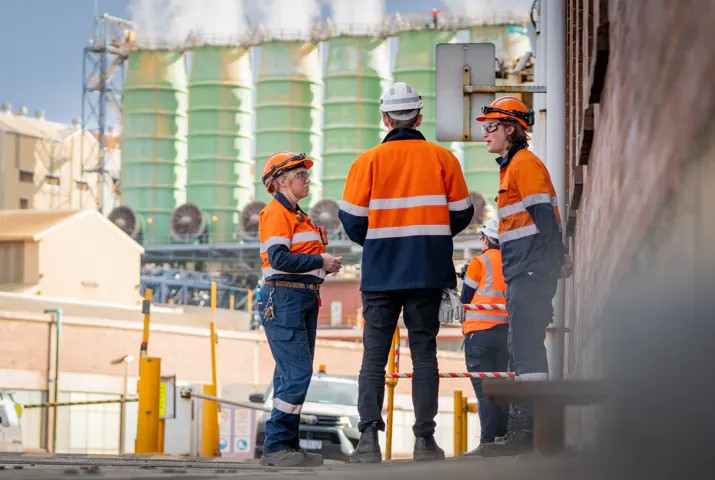
    Nyrstar Budel, located in the Netherlands, has successfully completed one of its most significant turnarounds in decades, involving over 700 contractors and 71 days of dedicated work. This extensive project was undertaken amidst rising energy and operational costs, with a focus on maintaining safety, efficiency, and reliability at the site for the long term. The turnaround included the installation of a new roaster, replacing equipment that had been in use for over 50 years, showcasing the technical expertise required to hoist a 150-tonne section into place. Additionally, new absorption towers for sulphuric acid have been installed, alongside enhancements to the sulfuric acid plant.

    As a vital component of the Dutch metals industry, Nyrstar Budel supports approximately 1,700 jobs in North Brabant and employs a fully electrified electrolysis process for zinc refining. The team is now positioned to scale up the output of critical materials as by-products of their existing operations. In light of this transformation, Nyrstar is urging government support for long-term capital expenditure (CAPEX) initiatives, advocating for measures such as strategic stockpiling, offtake agreements, and price support mechanisms to alleviate structural energy cost challenges.

    The company’s commitment to industrial resilience is encapsulated in their #KeepBuildProtect campaign, which emphasises that the actions taken today will shape the future of the industry. The successful completion of this turnaround not only enhances operational capabilities but also reinforces Nyrstar’s role in the sustainable production of critical minerals, essential for various industries and technologies.

  • Serbia to Retain Entire Gold Reserve on Home Soil, Snubbing Traditional Hubs

    Serbia to Retain Entire Gold Reserve on Home Soil, Snubbing Traditional Hubs

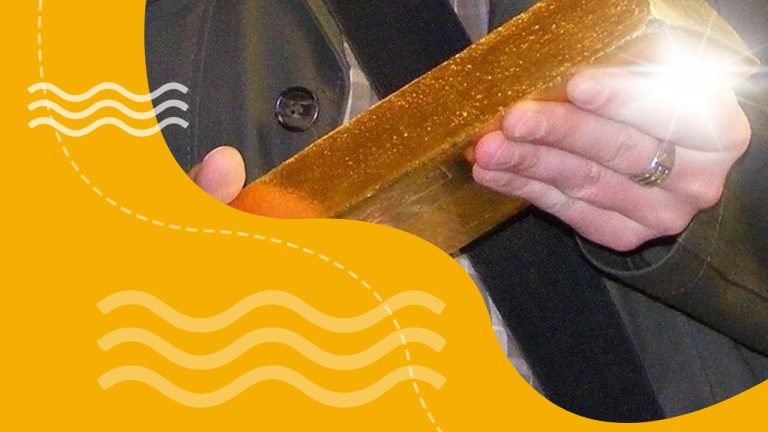
    Serbia’s central bank has revealed plans to relocate all of its gold reserves—valued at roughly £4.7 billion—back to its own territory, in a move aimed at safeguarding the stockpile during times of crisis.

    This would make Serbia the first country in Eastern Europe to entirely eschew established storage locations such as Switzerland, the United Kingdom, and the United States.

    “In bringing the gold back to Serbia, the National Bank sought to enhance both its accessibility and security during periods of instability,” the institution stated, noting that the repatriation effort had commenced in 2021 amid growing global uncertainty.

    Following the freezing of Russia’s foreign currency reserves in 2022, the rate of gold accumulation by central banks worldwide doubled, underscoring the political risk involved in holding reserves in US dollar and euro-denominated assets. Housing gold bars domestically reduces the threat of external interference.

    Between 2019 and the end of last year, Serbia acquired 17 tonnes of gold abroad and a further 19 tonnes from the local arm of Zijin Mining Group. This brought the total reserve to 50.5 tonnes, nearly all stored in Belgrade—except for five tonnes bought in 2024, which remain in Switzerland for now.

    Those final five tonnes will be brought back “as soon as possible,” according to Governor Jorgovanka Tabaković. Serbia’s neighbours hold differing proportions of their reserves domestically, ranging from 86% in Hungary to around 25% in Poland, as per data compiled by Bloomberg.

    The central bank said it had weighed the pros and cons before committing to full repatriation, admitting that while holding gold in global market hubs facilitates easier selling and lending, the risks outweighed those advantages.

    The Bank of England’s vault in London currently houses a significant portion of the world’s gold reserves—around £430 billion in value—cementing the UK’s position as the primary hub for precious metals trading. Similarly, the Federal Reserve in New York holds gold on behalf of nations including Germany and the Netherlands.

    Germany’s decision to bring gold back home over a decade ago sparked national debate and was driven by Cold War fears. Though the Soviet threat has since faded, the metal remained overseas until the repatriation effort was completed.

    Other countries, such as Poland and the Netherlands, have followed suit, while similar calls for domestic storage have echoed through Slovakia and Romania.

    The notion of storing gold within national borders has gained traction among rising populist movements, such as Germany’s Alternative für Deutschland, which regards it as a crucial safeguard against international political pressure.

  • Dutch PM Rutte Offers to Share Green Energy Experience with Kazakhstan

    Dutch PM Rutte Offers to Share Green Energy Experience with Kazakhstan

    Dutch Prime Minister Mark Rutte expressed his willingness to share experience in green energy with Kazakhstan during a meeting with Kazakh President Kassym-Jomart Tokayev in Astana. Rutte praised Kazakhstan’s rapid development and balanced international position, highlighting the potential for collaboration in agriculture, green energy, and water management.