Tag: manganese

  • Czechia’s Chvaletice Manganese Project Gains Strategic Importance for EU Battery Supply Chains

    Czechia’s Chvaletice Manganese Project Gains Strategic Importance for EU Battery Supply Chains

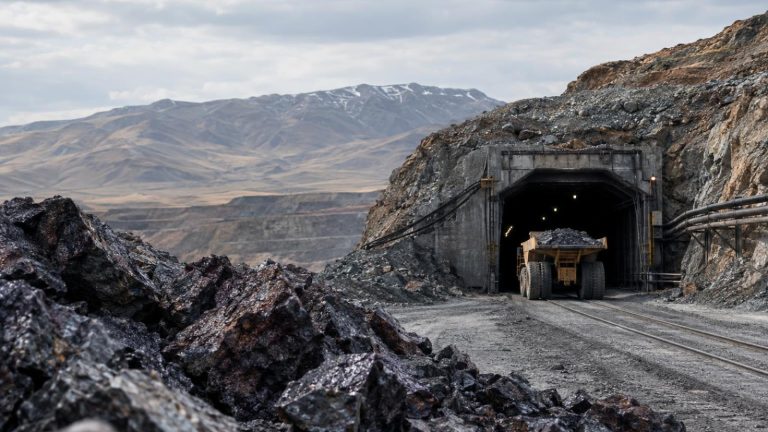
    A major manganese deposit in eastern Czechia is emerging as a key asset in Europe’s push to secure strategic minerals for electric vehicles and renewable energy technologies. The Chvaletice site in the Pardubice region, once a legacy mining area, is now believed to host the largest manganese reserves in the European Union, according to local reporting.

    The project is being advanced by Mangan Chvaletice, which plans to reprocess historic mining tailings accumulated around the former industrial site. What was once considered waste is now viewed as a valuable secondary resource. The company says the project could eventually produce up to 50,000 tonnes of high-purity manganese per year.

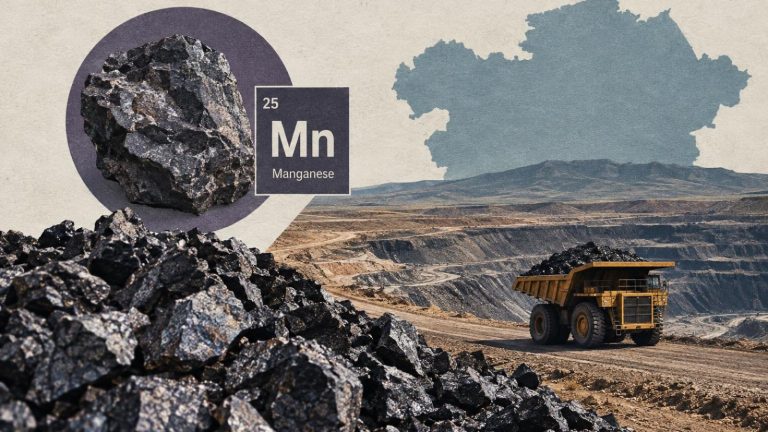
    Manganese plays a critical role in lithium-ion battery cathodes, improving performance and safety in electric vehicle batteries. As demand for battery materials accelerates, securing regional supply is increasingly seen as essential for Europe’s economic resilience and industrial autonomy.

    The Chvaletice project has reportedly achieved key permitting milestones, including environmental approvals and mining licences. Preparatory work for a conveyor system and processing plant is expected to begin later this decade, with full commercial production targeted around 2030. The project could create up to 400 jobs.

    The Czech government has designated the Chvaletice deposit as a strategic mineral resource under national legislation, highlighting its importance for supply chain security. Current reserves are estimated to potentially meet up to one quarter of European manganese demand, with a projected mine life of approximately 25 years.

    Manganese and lithium are both listed as critical raw materials by the European Commission. Beyond Chvaletice, Czechia hosts one of Europe’s largest lithium deposits at Cínovec, as well as tungsten reserves and a history of uranium production, reinforcing the country’s growing role in Europe’s advanced technology supply chains.

  • Eramet Cuts 2025 Capital Spending and Seeks Lender Waiver Amid Falling Sales and Rising Debt

    Eramet Cuts 2025 Capital Spending and Seeks Lender Waiver Amid Falling Sales and Rising Debt

    French mining and metals group Eramet has lowered its capital expenditure forecast for 2025 and announced plans to unveil additional measures in December aimed at stabilizing its finances in the face of weak metal prices, operational challenges, and mounting debt.

    In a third-quarter sales statement released Thursday, the company said it now expects to spend €400 million–€425 million ($466 million–$496 million) this year, down from the previous range of €400 million–€450 million. The revision comes as part of a broader performance review launched in June by new CEO Paulo Castellari, focused on preserving liquidity and strengthening the balance sheet.

    Eramet also disclosed that it has requested a waiver from lenders to mitigate the risk of breaching its gearing covenant as of December 31, 2025. The group said more details about its cost-cutting and liquidity-improving actions will be presented in early December.

    Third-quarter sales dropped 10% year-on-year to €720 million, pressured by softer metal prices and logistics issues at its manganese operations in Gabon. Due to rail capacity constraints in the country, Eramet cut its 2025 target for transported manganese ore volumes to 6.1–6.3 million metric tons, down from 6.5–7.0 million tons previously — the second downward revision this year.

    The company maintained its 2025 production outlook for its Weda Bay nickel joint venture in Indonesia at 36–39 million wet metric tons, and for its new lithium project in Argentina, where it expects to produce 4,000–7,000 tons of lithium carbonate equivalent in 2025. Both figures were reduced earlier in July.

    Eramet, a key player in Europe’s critical minerals supply chain, has been under pressure from falling prices for nickel and manganese — metals vital to the green transition — as well as operational bottlenecks across its global portfolio. Castellari’s restructuring strategy is seen as pivotal to restoring confidence among investors and lenders as the group navigates an increasingly volatile commodities market.