Tag: London Metal Exchange

  • Aurubis Maintains Record-High Copper Premium for 2024 Amid Strong Demand

    Aurubis Maintains Record-High Copper Premium for 2024 Amid Strong Demand

    Aurubis, Europe’s largest copper smelter, announced on Thursday that it will maintain a premium of $228 per metric ton over the London Metal Exchange (LME) price for copper sold to European customers in 2024. This premium remains unchanged from the previous two years, as previously reported by Reuters.

    A spokesperson for Aurubis confirmed that the premium remains at a “record high level” due to the consistently strong demand for copper products across Europe. She cited the ongoing transition to renewable energy as a key factor driving this heightened demand.

    As of Thursday, copper was trading at approximately $9,900 per ton on the LME, a decline of 10% since reaching a record high of $11,100 in May.

  • London Metal Exchange Faces Liquidity Fragmentation Amid Efforts to Modernize

    London Metal Exchange Faces Liquidity Fragmentation Amid Efforts to Modernize

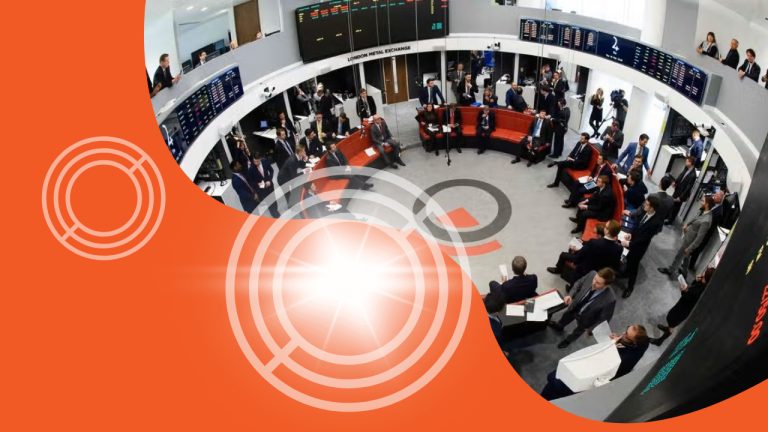
    The London Metal Exchange (LME), despite its historic prominence, is grappling with fragmented liquidity as it tries to adapt its trading model for the 21st century. The LME’s core trading mechanism, established in the late 19th century, still revolves around a three-month rolling contract based on the time it took for Chilean copper and Malaysian tin to reach London in the 1870s. While shipping times have drastically shortened, the LME’s pricing remains anchored in this outdated model.

    One of the few exchanges that still retains open outcry trading alongside modern electronic platforms, the LME’s intricate trading ecosystem—with its variety of daily, weekly, and monthly prompt dates—has inadvertently contributed to the dispersion of liquidity across multiple venues. A mere 48% of transactions occurred on its central LMESelect electronic platform last year, a figure far lower than the 95% typical for other exchanges.

    Fragmentation of liquidity has also been exacerbated by the rise of proprietary trading systems and over-the-counter (OTC) relationships with LME members, drawing trades away from the central platform. A prime example of the risksthis creates occurred during the 2022 nickel crisis, when the LME struggled to monitor positions spread across multiple trading venues.

    In response, the LME has introduced reforms aimed at boosting liquidity on its electronic platform. Central to this plan is the introduction of block trade thresholds, a common feature on other exchanges, which would require smaller trades (below 10 lots) to be executed electronically. These changes, however, won’t take effect until at least the second half of next year, with LME members expected to contest the specifics of the reform.

    The LME is also facing increased competition from the CME Group, which has attracted significant investor interest with its newly launched contracts for battery metals such as lithium and cobalt. If the LME hopes to maintain its position as a leading global metals trading hub, it must evolve from its 19th century model and address its current market complexities.

  • LME Takes Action to Prevent Abuse of Russian Aluminium Sanctions-Based Rule

    LME Takes Action to Prevent Abuse of Russian Aluminium Sanctions-Based Rule

    The London Metal Exchange (LME) has announced plans to prevent the manipulation of its rules regarding Russian aluminium, which were introduced in response to international sanctions. The exchange aims to ensure that its regulations are not exploited for personal gain.

    In recent months, concerns have been raised that some market participants may be taking advantage of the LME’s rules, which allow Russian aluminium to be traded on the exchange as long as it meets certain conditions. These conditions include ensuring that the metal is not owned or controlled by sanctioned entities or individuals.

    To address these concerns, the LME has proposed changes to its rules, which are expected to come into effect later this year. The revised rules will introduce stricter requirements for verifying the origin and ownership of Russian aluminium, making it more difficult for traders to circumvent the sanctions.

    The LME’s move is seen as a response to growing concerns about the integrity of the global aluminium market. The exchange has faced criticism for allowing Russian aluminium to continue trading on its platform, despite international sanctions imposed on Russia following its invasion of Ukraine.

    Industry insiders welcome the LME’s decision, stating that it will help to maintain confidence in the market and prevent abuse of the sanctions-based rule. The changes are also expected to bring greater transparency to the trade of Russian aluminium, making it easier to identify and prevent any potential breaches of sanctions.

    The LME’s proposal is currently open for public consultation, with feedback expected from market participants and other stakeholders. Once finalized, the new rules are expected to take effect later this year, providing a more robust framework for trading Russian aluminium on the exchange.

  • Europe’s top copper producer Aurubis hit by huge metals scam

    Europe’s top copper producer Aurubis hit by huge metals scam

    Aurubis, Europe’s leading copper producer, has issued a warning of potential losses in the hundreds of millions of euros after falling victim to a massive scam involving shipments of scrap metal utilized in its recycling operations. This revelation caused shares in the company to plummet by as much as 18%. Aurubis suspects that certain suppliers manipulated information regarding the scrap metal they supplied and colluded with employees in the company’s sampling department to conceal the discrepancies.

    This incident has raised concerns about Aurubis’ security controls, particularly in light of the company’s announcement in June about uncovering a theft ring targeting products containing precious metals. Notably, the two incidents seem to be unrelated.

    The scam specifically pertains to materials procured for Aurubis’ metal-recycling business. In addition to raw materials from mines, the company acquires significant quantities of copper-bearing scrap, ranging from nearly new manufacturing offcuts to old cables, pipes, and electronic circuit boards. Every day, Aurubis processes thousands of tons of these materials to produce refined metal.

    According to Angela Seidler, Vice President for Investor Relations and Corporate Communications at Aurubis, the company’s recycling suppliers seemingly manipulated information about the raw materials delivered to them and collaborated with employees in the sampling department to conceal the discrepancies. Suppliers provided estimates of the material’s content, and after a visual inspection, Aurubis’ laboratories analyzed the metal content and paid the firms based on these assessments. However, discrepancies were discovered during the production process over time. For example, in the case of copper, it takes approximately four weeks for the material to be processed.

    Aurubis is currently conducting a comprehensive check of its metal reserves, which is expected to be completed by the end of September. The investigation also involves Germany’s state office of criminal investigation.

    Previously, Aurubis had projected operating earnings before taxes for the 2022-23 financial year in the range of €450 million to €550 million. However, the company no longer anticipates achieving these projections and has warned of potential losses in the “low, three-digit-million-euro range.” Steelmaker Salzgitter, which holds a 30% stake in Aurubis, has also suspended its results guidance for the financial year.

    While this incident is indeed serious, Aurubis believes that its impact will be absorbed within the current fiscal year and will not affect the company’s expansion plans and strategic priorities.

    In June, Aurubis had previously reported that the public prosecutor’s office and the police were investigating a suspected theft ring. Searches were conducted at several Aurubis employee workspaces and on-site offices of contractors at the Hamburg site as part of the investigation. This incident appears to be separate from the recent scam, though it is still too early to determine if the two cases are interconnected.

    The metals industry has witnessed several scandals in recent years, including Trafigura Group’s revelation in February that it expected substantial losses due to an alleged systematic fraud involving nickel cargoes. Additionally, the London Metal Exchange shocked the market this year after discovering that some bags of nickel registered in its warehousing network contained stones rather than the expected metal.