Tag: job creation

  • Teesside to Host One of Europe’s Largest Lithium Refineries, Creating 1,700 Jobs

    Teesside to Host One of Europe’s Largest Lithium Refineries, Creating 1,700 Jobs

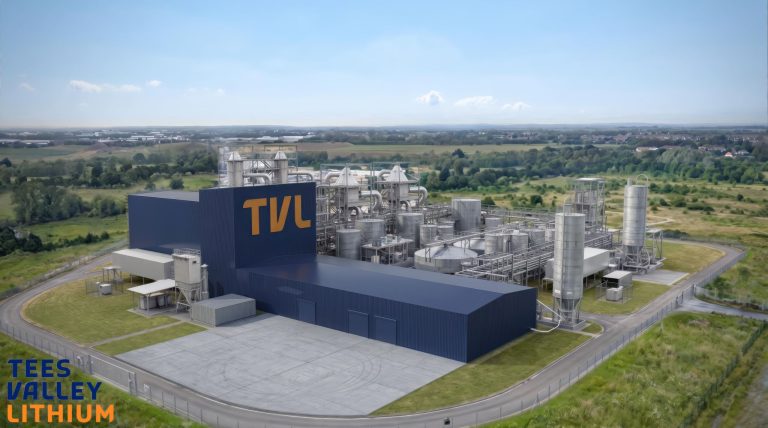
    Teesside is set to undergo a significant transformation with the establishment of one of Europe’s largest lithium refineries, a project that promises to create approximately 1,700 jobs across construction, supply chain, and operational phases. The initiative was highlighted during a roundtable discussion at the Darlington Economic Campus, attended by key stakeholders including Paul Atherley, Chairman of Tees Valley Lithium, and Jonathan Reynolds MP, Secretary of State for the Department for Business, Innovation, Science and Trade.

    The lithium refinery project is expected to contribute around £1 billion in gross value added to the Tees Valley, and approximately £2.1 billion to the wider UK economy. The first phase of the project aims to refine 25,000 tonnes of battery-grade lithium hydroxide annually, which accounts for nearly half of the UK Government’s Vision 2035 target. The design of the facility is scalable, with plans to increase production capacity to over 100,000 tonnes per year.

    Atherley emphasised the importance of this project for the region, stating that it represents a shift towards future-facing industries rather than merely rebuilding traditional sectors. He noted that the Tees Valley Lithium initiative positions the UK strategically in the global energy transition landscape, which is considered one of the most significant transitions in history.

    Support for the project has been robust, with over 320 businesses expressing their backing for the £185 million investment at Billingham. The positive response from local employers and stakeholders underscores the potential economic benefits and job creation that the lithium refinery will bring to the region. The discussions at the roundtable reflect a collective commitment to reindustrialisation that aligns with national goals for sustainable energy and economic growth.


  • Altyntau Kokshetau Transitions to Underground Mining, Extending Mine Life Until 2047

    Altyntau Kokshetau Transitions to Underground Mining, Extending Mine Life Until 2047

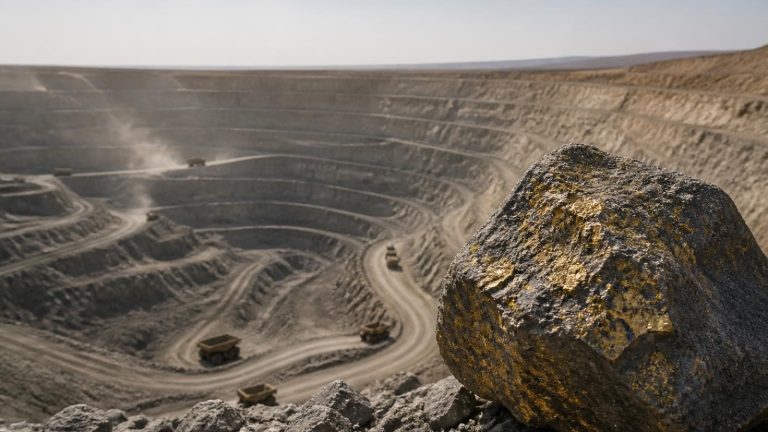
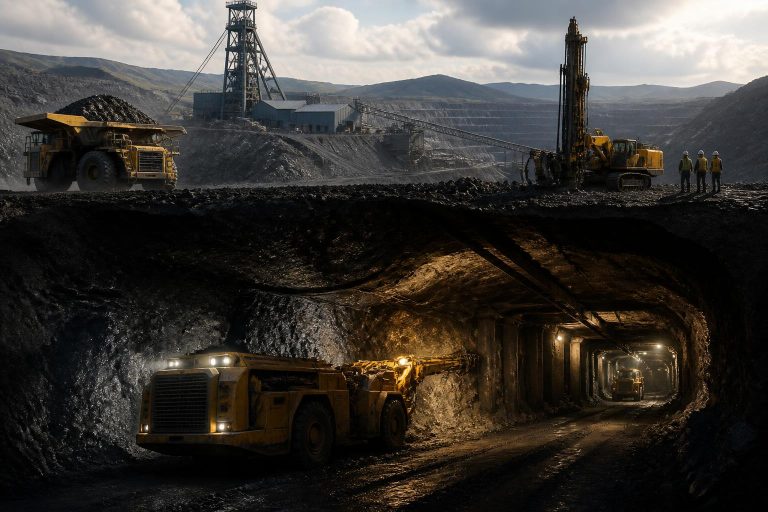
    Altyntau Kokshetau, a prominent gold mining company in Kazakhstan, has announced a strategic shift to underground mining operations at its gold deposit in the Akmolinsk region, effectively extending the mine’s operational life until 2047. This transition marks a significant milestone in the company’s history, which spans over 60 years. The regional akimat reported that underground drilling and blasting works have already commenced, signalling the start of a new phase in resource extraction.

    The decision to move to underground mining is not only a technical advancement but also a vital economic strategy for the region. The company has expanded its mining territory by acquiring an additional 1,057 hectares of land, which is essential for developing the necessary underground infrastructure. This transition is expected to bolster the local economy significantly, as Altyntau Kokshetau is one of the major employers in the area, providing jobs for over 1,700 individuals. The mine contributes 17% to the region’s total industrial output and 23% to its manufacturing sector.

    The sustainability of the mine is crucial for the social stability of the Akmolinsk region. By maintaining operations at this key enterprise, the company is not only preserving jobs but also providing a long-term planning horizon for the local community. The transition to underground mining is projected to create approximately 600 new jobs and generate over 3 billion tenge in annual tax contributions to the local budget.

    In terms of financial investment, Altyntau Kokshetau has committed to investing more than $700 million into the development of the deposit. The planned hybrid approach includes underground mining of three ore zones with an annual capacity of 2 million tonnes, alongside deepening the open pit from its current depth of 540 metres to 680 metres, which will allow for an additional 6 million tonnes of production per year. This comprehensive development strategy underscores the company’s commitment to sustainable mining practices and its role in the regional economy.

  • Sinopec Partners with Turkestan Region for Major Phosphate Processing Plant

    Sinopec Partners with Turkestan Region for Major Phosphate Processing Plant

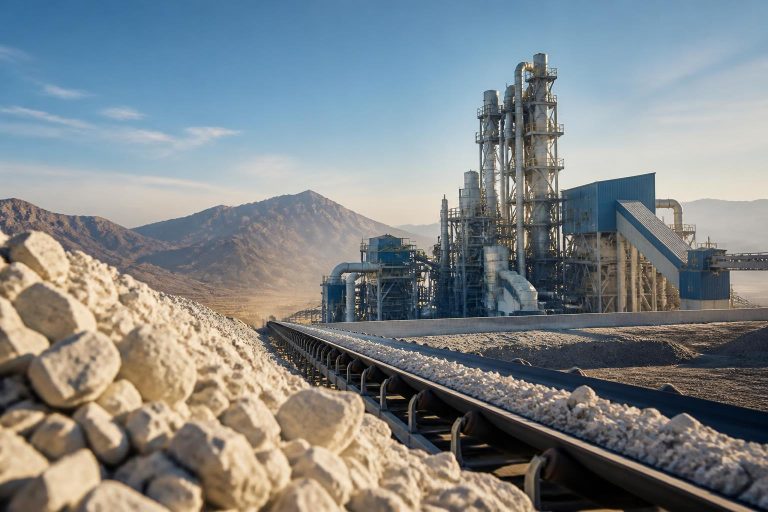
    The Akim of Turkestan Region, Nuralhan Kushev, recently met with Zhang Zhanshin, Vice President of Sinopec, to discuss the current status and future plans for a modern phosphate ore processing plant in the Sayramsky district. This significant investment project, valued at 150 billion tenge, is being implemented by the company ‘Sayak Phosphate’. The initiative aims to establish a comprehensive production complex that effectively utilises local mineral resources, including the extraction, enrichment, and deep processing of phosphate ore.

    Upon completion, the plant is expected to enrich 2 million tonnes of phosphate ore annually, producing 1.6 million tonnes of sulphuric acid, 600,000 tonnes of phosphoric acid, 600,000 tonnes of DAP (Diammonium Phosphate), 600,000 tonnes of MAP (Monoammonium Phosphate), and 350,000 tonnes of synthetic ammonia. The products will cater to both domestic markets and exports to China, India, and neighbouring countries.

    Kushev emphasised the project’s importance not only for the region but also for the industrial development of the country as a whole. He stated, “The phosphate processing plant in the Sayramsky district is one of the strategically significant projects for the region and the industrial and economic development of the entire country. Once operational, it will create around 1,000 jobs, enhancing the welfare of the local population and boosting the region’s production capacity.”

    He further highlighted the need for high-quality construction that adheres to international standards, assuring that the government would provide comprehensive support throughout all stages of the project, including infrastructure development and coordination with state authorities.

    The project has been included in the Industrialisation Map, with an estimated phosphate ore reserve of approximately 1 billion tonnes and a phosphorus content of around 20-30%. An EPC contract has been signed with Sinopec Nanjing Engineering Co., Ltd. for the technological aspects of the project. Currently, specialists are conducting additional studies of the production site and ore deposits, selecting cores and ore samples, while verifying technological solutions.

    The technical and economic justification is expected to be completed by October this year, followed by the design phase, construction of engineering infrastructure, railway installation, and procurement of equipment. The plant is slated to commence operations in 2028, with projections indicating that it will contribute approximately 43.3 billion tenge in tax revenues to the budget over the next decade. Additionally, the project aims to establish a new production chain in the chemical industry with high added value, facilitating the production of mineral fertilisers and chemical products, ensuring import substitution, and increasing export potential.

    In related news, a paper processing plant is also set to be constructed in Turkestan Region with an investment of 1 billion tenge, as Chinese investors aim to create a construction hub in the area.


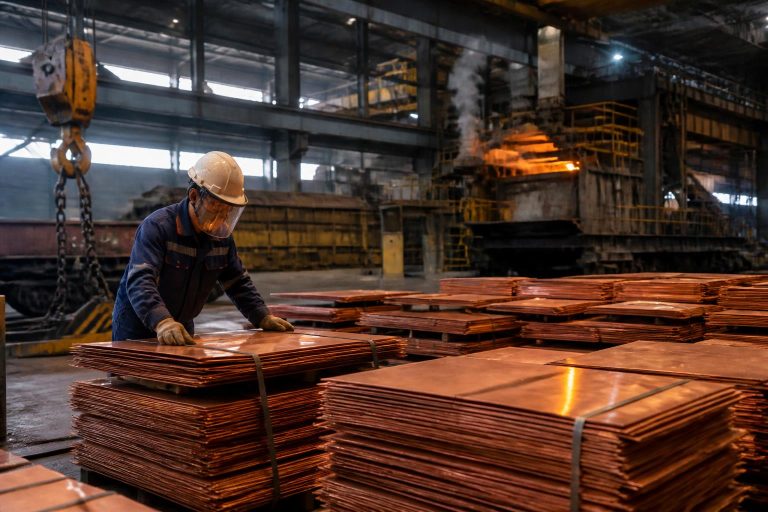
  • Kazakhstan to Build Copper Smelting Plant in Balkhash with 750 Billion Tenge Investment

    Kazakhstan to Build Copper Smelting Plant in Balkhash with 750 Billion Tenge Investment

    The government of Kazakhstan has approved an investment agreement for the construction of a copper smelting plant in Balkhash, Karaganda region, with a total investment of 750 billion tenge. The agreement was signed by Prime Minister Olzhas Bektenov and involves the Ministry of Industry and Construction along with Qazaq Smelter LLP. Construction is set to begin in 2027, with the plant expected to commence operations by 2030.

    The new facility will boast an annual production capacity of 300,000 tonnes of cathode copper, alongside the production of 10 tonnes of gold, 300 tonnes of silver, and over 1.5 million tonnes of sulphuric acid. This ambitious project is anticipated to create approximately 1,200 permanent jobs, significantly contributing to the local economy. The introduction of these new capacities is projected to increase Kazakhstan’s copper production by 50%, raising annual output to over 800,000 tonnes.

    Furthermore, the export of high-value-added products is expected to rise from 460,000 tonnes to 760,000 tonnes of copper annually. The plant will be equipped with modern technologies and digital solutions, aligning with global standards in the mining and metallurgy sectors. This initiative underscores Kazakhstan’s commitment to enhancing its mining industry and boosting economic growth through strategic investments.


  • Mining Sector Expansion Could Boost Employment in Kosovo, Says Chamber of Business President

    Mining Sector Expansion Could Boost Employment in Kosovo, Says Chamber of Business President

    Allowing more development in Kosovo’s mining sector could significantly expand job opportunities, according to Skënder Krasniqi, the President of the Chamber of Business of Kosovo. Speaking on RTK’s morning show, Krasniqi emphasized the need for better coordination among Kosovo’s institutions to support business operations and create a more favorable environment for the mining industry.

    Businesses face numerous challenges, including high land rent and overlapping responsibilities among regulatory bodies,” Krasniqi stated. He noted that companies in the mining sector are demanding concrete action from the Ministry of Agriculture, Forestry, and Rural Development (MAFRD), especially to address labor law violations.

    Krasniqi expressed frustration over what he described as institutional negligence. “Many promises were made by the institutions; they assured us that by May 2, the issues would be resolved by law, yet no progress has been made,” he remarked.

    Highlighting the scale of the problem, Krasniqi said hundreds of businesses in Kosovo’s mining sector continue to face challenges. He identified specific issues, such as the five-hectare land limit and the five-year lease restriction, which are notably more restrictive than those in neighboring countries. Krasniqi urged that lease durations be extended to support the sector’s growth and stability.

  • Kazakhstan’s Colorful Metallurgical Industry Set for Expansion

    Kazakhstan’s Colorful Metallurgical Industry Set for Expansion

    Kazakhstan’s metallurgical sector anticipates the implementation of eight projects worth 169 billion tenge this year, involving the production of aluminum radiators, cathode copper, Dore alloys, and other products. These initiatives, upon full realization, are projected to create around 2000 job opportunities, as reported by the Project Implementation Monitoring and Analysis Directorate, QazIndustry.

    “When all eight projects reach their designed capacity, production volumes will amount to about 136 billion tenge, including plans to export products worth 71 billion tenge,” the statement reads.

    Currently, the metallurgical industry hosts 49 projects at various stages of implementation, including eight slated for 2024, with a total investment of 1.8 trillion tenge. The commencement of these productions is expected to provide employment to over 11,000 citizens, with approximately 7400 residing in rural areas and 377 in monotowns.

    Upon reaching full capacity, the projected production volume of all 49 projects will reach around 2.3 trillion tenge. Notably, over half of this amount, approximately 1.4 trillion tenge, is earmarked for export.

    In the previous year, the metallurgical sector saw the realization of five projects worth 26.8 billion tenge, resulting in the creation of 835 job opportunities. These projects encompassed the production of alloys of non-ferrous metals, Dore alloys, zinc products, among others.

    Kazakhstan’s metallurgical industry stands as one of the largest and leading sectors of the domestic economy, buoyed by a sufficient reserve of raw materials, including copper, zinc, nickel, lead, aluminum, gold, and silver ores.

    The majority of ongoing projects are concentrated in the Karaganda region and the city of Shymkent.