Tag: industrial safety

  • Zijin RG Gold Expands Equipment Fleet with New Komatsu Bulldozers

    Zijin RG Gold Expands Equipment Fleet with New Komatsu Bulldozers

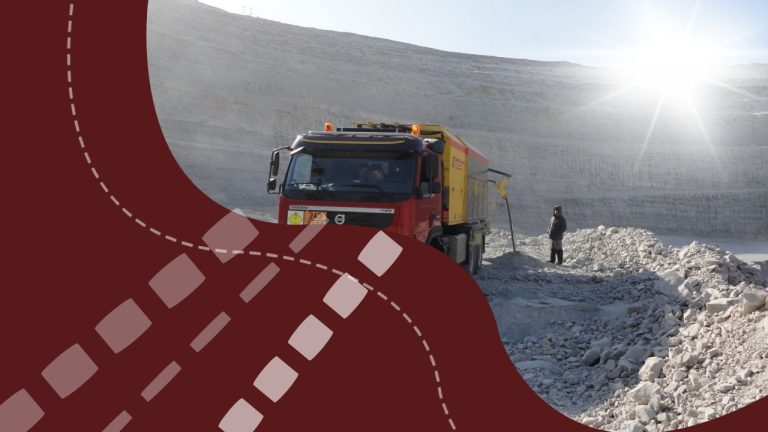
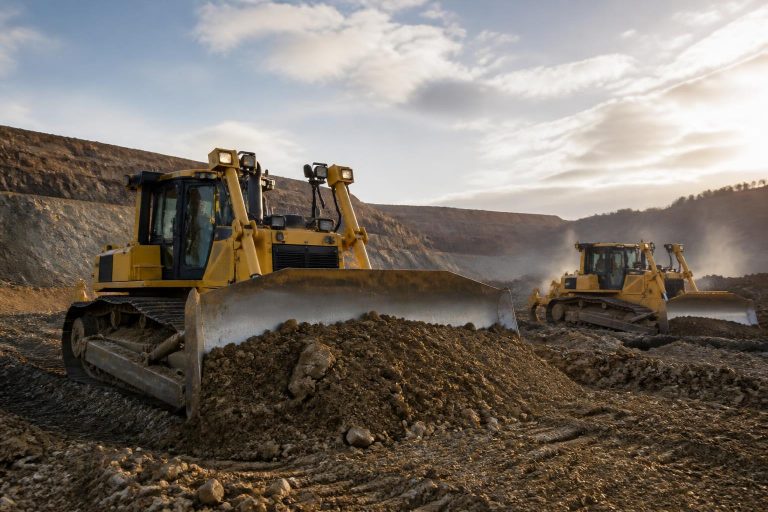
    Zijin RG Gold has celebrated the acquisition of two new Komatsu bulldozers, the WD600 and D275A, marking a significant milestone in the company’s strategy to enhance its mining equipment fleet and improve operational efficiency. This initiative is part of a broader plan to transition towards a self-sufficient operational model, bolstering production resilience, enhancing industrial safety, and creating additional avenues for future growth. The strategy is supported by its parent company, Zijin Mining Group.

    With the addition of these bulldozers, Zijin RG Gold now boasts a fleet of over 45 Komatsu machines. The company has established a long-term partnership with KOMEK MACHINERY Kazakhstan, which provides comprehensive service support aimed at ensuring reliable, safe, and efficient operation of the equipment throughout its lifecycle. This collaboration underscores the commitment to maintaining high operational standards and maximising the longevity of the machinery.

    On the same day, representatives from Zijin RG Gold and KOMEK MACHINERY Kazakhstan held a working meeting to discuss future collaboration directions. Key topics included enhancing workplace safety, improving equipment productivity and reliability, developing personnel competencies, and implementing advanced global practices from Komatsu.

    The expansion of its equipment fleet is a crucial step in strengthening Zijin RG Gold’s production capacity and reaffirms the company’s commitment to sustainable development, modern technology adoption, and increased efficiency in mining operations. This strategic move is expected to not only enhance operational capabilities but also contribute to the overall growth and sustainability of the mining sector in Kazakhstan.


  • Kazakhmys Launches New Industrial Safety Strategy with Digital Overhaul and Risk-Based Approach

    Kazakhmys Launches New Industrial Safety Strategy with Digital Overhaul and Risk-Based Approach

    Kazakhstan’s mining giant Kazakhmys is ramping up its commitment to industrial safety with a comprehensive new strategy focused on digital transformation, increased investment, and a proactive risk management model, according to CEO Nurakhmet Nuriev, who presented the measures at a recent government meeting.

    Digital Tools Take Center Stage

    A key pillar of the safety overhaul is digitization. Since 2021, Kazakhmys has implemented real-time tracking systems for personnel and equipment in its mines, enabling quicker emergency responses. In 2022, a process monitoring system was deployed at the Balkhash enrichment plant, and in 2025, the company launched pilot versions of a barrier-based injury prevention system and the integrated Kazakhmys SuperAPP, which digitizes HR and workplace safety workflows.

    Kazakhmys is also rolling out automated PPE (personal protective equipment) tracking, digital medical screening systems, and a centralized platform for occupational safety management.

    Tangible Results: 25% Drop in Workplace Incidents

    Over the past three years, Kazakhmys has achieved a 25% reduction in workplace accidents. Although a gas explosion at the Zhomart mine in 2025 marked the first such incident since 2014, the overall safety trend remains positive. The most common risks—rockfalls and machinery collisions—are now under tighter control.

    The company has invested 24 billion tenge in labor safety since 2022, with an additional 26 billion tenge allocated for 2025. These funds support not just technical upgrades but also employee training, culture-building, and safety tech innovation.

    New Strategy Anchored on Five Key Priorities

    Kazakhmys’s updated safety framework for 2025 is built around five core principles:

    1. Fostering a culture of safety;

    2. Shifting toward proactive labor protection management;

    3. Deepening digitization;

    4. Implementing barrier-based, risk-oriented oversight;

    5. Expanding occupational health systems.

    A technical audit conducted in 2025 uncovered 2,378 safety violations, with 64 operations suspended until issues were resolved. The company now tracks 15 key production risks and has tightened internal control protocols.

    Accountability and Inclusion

    Safety KPIs are being extended to top management, while contractors, who significantly impact incident rates, are now held to strict safety standards. A violation tracking system is also in place, and serious incidents are reviewed at plant-level safety councils, with individuals held personally accountable.

    Kazakhmys’s approach signals a shift from reactive measures to a preventative, risk-aware safety culture embedded at every level of the organization.

  • Uzbekistan Approves Technical Regulation on Mine Hoisting Equipment Safety

    Uzbekistan Approves Technical Regulation on Mine Hoisting Equipment Safety

    The Cabinet of Ministers of Uzbekistan has adopted Resolution No. 269, officially approving the General Technical Regulation on the Safety of Mine Hoisting Equipment. This decision follows Presidential Decree No. PP-91 from February 28, 2024, aimed at organizing the activities of the Agency for Technical Regulation and enhancing safety standards in the industrial sector.

    The regulation sets unified requirements for the design, packaging, labeling, and identification of mine hoisting equipment, as well as outlines procedures for conformity assessment. It also includes a roadmap for the phased implementation of the regulation.

    These updated safety standards are crucial for ensuring the reliability of industrial operations, environmental protection, and the safety of workers.

    According to the resolution, the new regulation will come into force six months after its official publication.

  • Kazakhstan Approves New Technical Regulations for Coal and Coal Products

    Kazakhstan Approves New Technical Regulations for Coal and Coal Products

    The Ministry of Industry and Construction of Kazakhstan has introduced a new technical regulation, “Requirements for Coal and Coal Processing Products”, via Order No. 84 dated March 11, 2025. The regulation will take effect 12 months after its official publication.

    The rules apply to:

    1. Coal and its sorted, enriched, and agglomerated products.
    2. Thermochemical coal processing products, including coke, semi-coke, coal tar, coal oil, boiler fuel, and activated carbon.

    Key changes include:

    • Clear classification of coal grades and processed products.
    • Updated conformity assessment procedures.
    • Removal of mining process requirements (covered by other laws).
    • Differentiated safety standards based on coal type and processing method.

    For example, the regulation now explicitly covers coke, semi-coke, and activated carbon, classified under the Eurasian Economic Union’s trade codes. New rules also set storage limits for processed coal products and fire safety standards.

    To support compliance, 52 mandatory standards and 116 additional standards for conformity assessment have been developed.

    The current regulation (“Safety Requirements for Coal and Its Mining, Processing, Storage, and Transportation”, 2010 No. 731) will be repealed once the new rules take effect.

  • Kazakhstan Takes Measures to Enhance Workplace Safety and Reduce Work-Related Injuries

    Kazakhstan Takes Measures to Enhance Workplace Safety and Reduce Work-Related Injuries

    Kazakhstan witnesses over 1400 workplace accidents annually, with more than 200 resulting in fatalities. Among the various sectors of the Kazakhstani economy, the mining and metallurgical complex reports the highest number of casualties at 21.3%, followed by the construction industry at 10%, according to data from the Ministry of Labor and Social Protection cited by inbusiness.kz.

    More than 519,000 workers are employed in hazardous working conditions, with every third worker (37%) exposed to elevated levels of noise and vibration, every fourth worker (25%) operating in areas with increased gas and dust concentrations, and every eighth worker (13%) enduring unfavorable temperature conditions. Additionally, over 107,000 individuals (21%) are engaged in strenuous physical labor.

    In 2023, based on assessment results, 697,000 workers received various compensations for working in hazardous conditions, with employers allocating 255 billion tenge, a 23% increase from the previous year.

    Over the past five years, governmental and employer-initiated measures have contributed to a reduction in the rate of occupational injuries (frequency rate per 1,000 workers) from 0.23 to 0.21.

    Efforts towards ensuring healthy and safe working conditions in Kazakhstan continue with a comprehensive approach. In 2023, law enforcement agencies received 1055 reports on workplace accidents, resulting in 149 criminal cases being initiated.

    To evaluate actual workplace conditions, over 10,000 industrial facilities underwent assessment, while 3214 enterprises across the country implemented safety and labor protection standards to prevent violations.

    Since 2019, Kazakhstan has actively promoted the Vision Zero Concept, aiming for zero accidents. Currently, 536 national enterprises have joined this initiative, with 258 Kazakhstani enterprises adopting a vertical control model to ensure safety standards in subcontracting organizations within the construction sector.

    To further enhance social protection mechanisms for workers employed in hazardous conditions, special social payments were introduced from January 1, 2024, following the president’s directive. Nearly 6,000 workers have transitioned out of hazardous working environments and are receiving these special social payments.

    The Ministry of Labor and Social Protection of the Population of Kazakhstan aims to significantly reduce the number of hazardous workplaces and decrease the level of occupational injuries. Last year, the government approved the Safe Labor Concept until 2030, outlining plans for modernizing the national occupational safety management system, incentivizing measures to reduce professional risks, advancing professional competencies and scientific potential in labor protection, and improving the effectiveness of control and monitoring in the field of labor protection.