Tag: Economic Sovereignty

  • Ukraine Reviews U.S. Minerals Deal Amid Concerns Over Economic Sovereignty

    Ukraine Reviews U.S. Minerals Deal Amid Concerns Over Economic Sovereignty

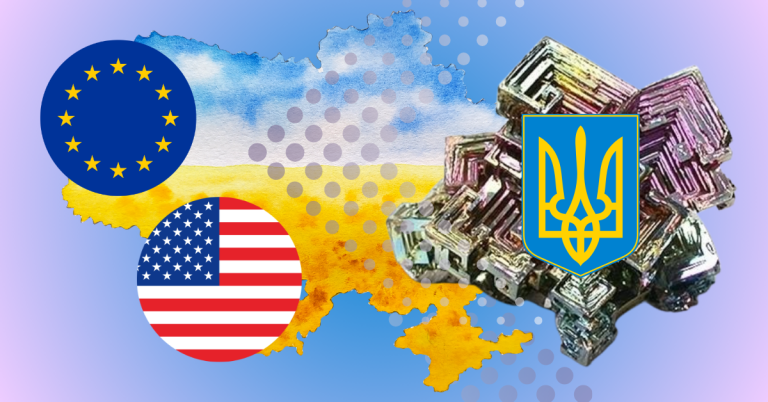
    President Volodymyr Zelenskiy has stated that Ukraine will not accept any mineral rights agreement that jeopardizes its integration with the European Union. However, he refrained from immediate judgment on a proposed minerals deal from the United States, which reportedly demands control over Ukraine’s natural resource income until wartime aid is repaid with interest.

    Speaking at a press conference, Zelenskiy emphasized that Kyiv’s legal experts must thoroughly analyze the proposal before issuing an official stance. Deputy Prime Minister Yulia Svyrydenko echoed this sentiment, stating that a consensus was required before public discussion. Senior presidential advisor Mykhailo Podolyak confirmed that negotiations are ongoing, with no finalized draft in place.

    The latest U.S. proposal, according to sources familiar with the negotiations, includes a joint investment fund managed by the U.S. International Development Finance Corporation. The fund, which would oversee Ukraine’s resource revenues, would be governed primarily by American-appointed board members and see profits converted into foreign currency and transferred abroad.

    Zelenskiy acknowledged Washington’s shifting demands, maintaining that while he is open to cooperation, he will not sign a deal that would harm Ukraine’s economy. With negotiations still in progress, the government remains cautious about making any premature commitments.

  • The U.S.-Ukraine Minerals Deal: A Test for the EU

    The U.S.-Ukraine Minerals Deal: A Test for the EU

    The recently leaked U.S.-Ukraine minerals deal raises serious concerns about Ukraine’s economic sovereignty and highlights the EU’s struggle to define its role in Ukraine’s economic recovery.

    Under the agreement, Ukraine commits 50% of future revenue from its natural resources to a joint fund with the U.S., receiving investment and indirect financial assistance in return. However, the deal lacks binding security guarantees for Ukraine, raising questions about fairness and long-term control over its own wealth.

    This agreement comes amidst a global race for critical raw materials, with the EU initially expressing interest in a partnership with Ukraine but ultimately backing down from competition with the U.S. This indecisiveness weakens Europe’s position and exposes a disconnect between its stated sustainability goals and its actions on resource governance.

    Key Concerns:

    • Economic Sovereignty: The agreement grants the U.S. a long-term economic stake in Ukraine’s resource management, potentially undermining Kyiv’s control over its own wealth.
    • Security Risks: The lack of binding security commitments leaves Ukraine vulnerable, relying on diplomatic goodwill instead of enforceable guarantees.
    • Extractivist Model: The agreement prioritizes resource extraction over a diversified economic recovery, raising concerns about sustainability and social impact.
    • EU’s Passive Role: The EU’s hesitant response undermines its credibility as a leader in responsible resource governance and risks weakening its influence in Ukraine.

    The EU’s Response:

    The EU’s handling of the situation exposes policy contradictions and a failure to uphold its own sustainability frameworks. Instead of actively engaging and demanding accountability, the EU has adopted a passive stance, potentially jeopardizing its access to Ukraine’s mineral wealth and its own strategic autonomy.

    A Call for Action:

    The EU must develop a coherent strategy for resource governance, prioritizing:

    • Fair and Transparent Partnership: Advocate for a legally binding agreement that ensures fair economic benefits for Ukraine and aligns with EU’s regulatory frameworks.
    • Sustainable Development: Promote a development model that prioritizes material efficiency, circular economy measures, and responsible sourcing.
    • EU’s Credibility: Apply its own due diligence standards to ensure that raw materials sourced from Ukraine meet strict environmental, social, and governance (ESG) standards.

    The U.S.-Ukraine minerals deal presents a defining moment for the EU. A strong, principled approach is needed to protect Ukraine’s interests, uphold EU values, and secure Europe’s long-term resource security.