Tag: Belgrade

  • Serbia to Retain Entire Gold Reserve on Home Soil, Snubbing Traditional Hubs

    Serbia to Retain Entire Gold Reserve on Home Soil, Snubbing Traditional Hubs

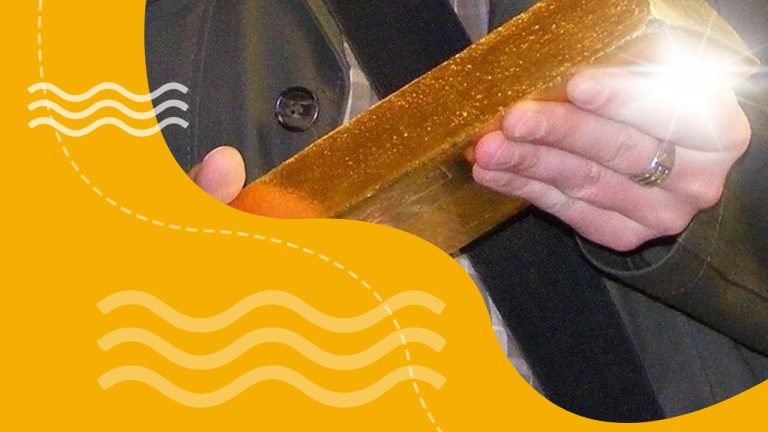
    Serbia’s central bank has revealed plans to relocate all of its gold reserves—valued at roughly £4.7 billion—back to its own territory, in a move aimed at safeguarding the stockpile during times of crisis.

    This would make Serbia the first country in Eastern Europe to entirely eschew established storage locations such as Switzerland, the United Kingdom, and the United States.

    “In bringing the gold back to Serbia, the National Bank sought to enhance both its accessibility and security during periods of instability,” the institution stated, noting that the repatriation effort had commenced in 2021 amid growing global uncertainty.

    Following the freezing of Russia’s foreign currency reserves in 2022, the rate of gold accumulation by central banks worldwide doubled, underscoring the political risk involved in holding reserves in US dollar and euro-denominated assets. Housing gold bars domestically reduces the threat of external interference.

    Between 2019 and the end of last year, Serbia acquired 17 tonnes of gold abroad and a further 19 tonnes from the local arm of Zijin Mining Group. This brought the total reserve to 50.5 tonnes, nearly all stored in Belgrade—except for five tonnes bought in 2024, which remain in Switzerland for now.

    Those final five tonnes will be brought back “as soon as possible,” according to Governor Jorgovanka Tabaković. Serbia’s neighbours hold differing proportions of their reserves domestically, ranging from 86% in Hungary to around 25% in Poland, as per data compiled by Bloomberg.

    The central bank said it had weighed the pros and cons before committing to full repatriation, admitting that while holding gold in global market hubs facilitates easier selling and lending, the risks outweighed those advantages.

    The Bank of England’s vault in London currently houses a significant portion of the world’s gold reserves—around £430 billion in value—cementing the UK’s position as the primary hub for precious metals trading. Similarly, the Federal Reserve in New York holds gold on behalf of nations including Germany and the Netherlands.

    Germany’s decision to bring gold back home over a decade ago sparked national debate and was driven by Cold War fears. Though the Soviet threat has since faded, the metal remained overseas until the repatriation effort was completed.

    Other countries, such as Poland and the Netherlands, have followed suit, while similar calls for domestic storage have echoed through Slovakia and Romania.

    The notion of storing gold within national borders has gained traction among rising populist movements, such as Germany’s Alternative für Deutschland, which regards it as a crucial safeguard against international political pressure.

  • Protests Erupt in Belgrade Against Controversial Lithium Mine Reboot

    Protests Erupt in Belgrade Against Controversial Lithium Mine Reboot

    Thousands of protesters took to the streets of Belgrade on Saturday, rallying against the controversial lithium mineproject set to become a key component in Europe’s green energy transition. Demonstrators chanted slogans like “Rio Tinto get out of Serbia” and “You won’t dig” as they marched through the city, with some protesters blocking tracks at the main railway station, disrupting traffic.

    The Anglo-Australian mining company Rio Tinto is developing the lithium mine near the western Serbian city of Loznica. This project has been a persistent political issue in Serbia due to concerns about its potential environmental impacts. Discovered in 2004, the mine’s development was halted in 2022 following mass protests. However, the government revived the project after a court ruling last month deemed the decision to revoke Rio Tinto’s permits unconstitutional.

    Serbia’s government recently signed a memorandum of understanding with the European Union, marking the initial step toward developing the country’s lithium resources. Lithium is a critical metal for electric vehicle batteries, essential for the shift towards greener automotive production. Despite this, the project remains deeply unpopular due to fears of water pollution and public health risks.

    Protesters, including 58-year-old Slobodan Stanimirovic from Radjevina near the mine’s location, have voiced their concerns, stating that the protest is about defending life in Serbia. This latest protest is part of a broader series of demonstrations across the country following the reinstatement of the mine’s licenses. Activists are urging lawmakers to enact a permanent ban on lithium and boron mining in Serbia. Environmental groups have warned of further civil disobedience and traffic blockades if the government does not respond by the 10 August deadline. Serbian President Aleksandar Vučić has assured the public that no mining will proceed without stringent environmental safety guarantees.