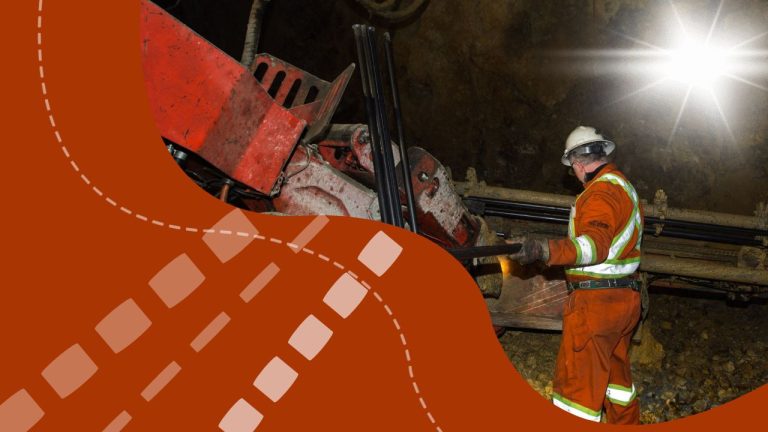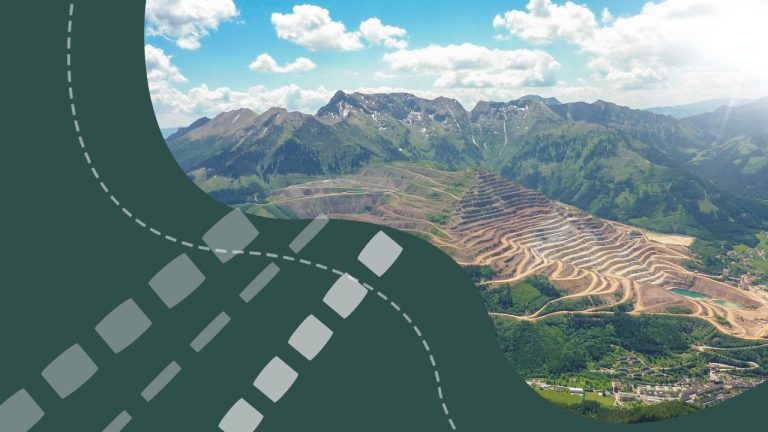
In the depths of Arctic winter, with temperatures plunging to minus 20 degrees Celsius and daylight reduced to a few hours of twilight, a team of miners is advancing one of Europe’s most strategically important resource projects beneath the Swedish town of Kiruna. Around 900 metres underground, workers at the state-owned LKAB are tunnelling toward the Per Geijer deposit, regarded as one of the continent’s largest known concentrations of rare earth elements.
Europe currently has no operating rare earth mines, despite rising demand for materials critical to electric vehicles, renewable energy systems, consumer electronics and defence technologies. The push to develop domestic supply has intensified as geopolitical tensions grow and China maintains near-total dominance over rare earth processing and magnet production.
At Kiruna, the rare earths occur alongside iron ore in a magnetite-hematite-phosphate formation identified more than a century ago. Teams work at depths of up to 1.3 kilometres, drilling, blasting and reinforcing tunnels that will eventually link the existing iron ore mine with the Per Geijer resource roughly two kilometres away. Progress is incremental, averaging about five metres per day, reflecting both the technical complexity and environmental sensitivity of the operation.
LKAB’s strategy differs from earlier mining approaches. Rather than exposing the entire deposit at once, the company plans phased development, gradually integrating rare earth extraction into the established iron ore system. Chief executive Jan Moström has said this approach is essential to manage risk, control costs and accelerate learning as Europe rebuilds lost mining and processing capabilities.
To shorten timelines, LKAB has invested €80 million in a demonstration plant in Luleå to test separation technologies ahead of full-scale mining. The company has also taken a stake in Norway-based REEtec to develop cleaner refining methods, aiming to meet strict European environmental standards.
Industry experts note that even with favourable geology, moving from resource discovery to refined rare earth products can take a decade or more. Still, Kiruna is widely viewed as Europe’s strongest near-term opportunity to reduce dependence on Chinese supply chains, which currently account for around 85% of global rare earth processing and virtually all heavy rare earth refining.
European officials, including EU industry commissioner Stéphane Séjourné, have visited the site, underlining its strategic importance as the bloc seeks greater resource autonomy. While China is expected to retain dominance for years, projects like Kiruna are seen as critical first steps toward a more resilient European supply chain.