The European Union has identified tungsten, rare earths and gallium as priority candidates for its first coordinated critical minerals stockpile, marking one of the bloc’s most concrete steps yet toward shielding its economy from supply disruptions after China tightened export controls on several strategic materials over the past two years.
Discussions have begun with major logistics hubs including the Port of Rotterdam — Europe’s largest port and a key gateway for industrial supply chains — over potential storage arrangements for the proposed reserves. Sources familiar with the matter also indicated that magnesium is expected to be included on the priority list, with germanium and graphite also likely to make the final selection. Most of the minerals under consideration, with the exception of magnesium, appear on NATO’s list of materials considered critical to defence production.
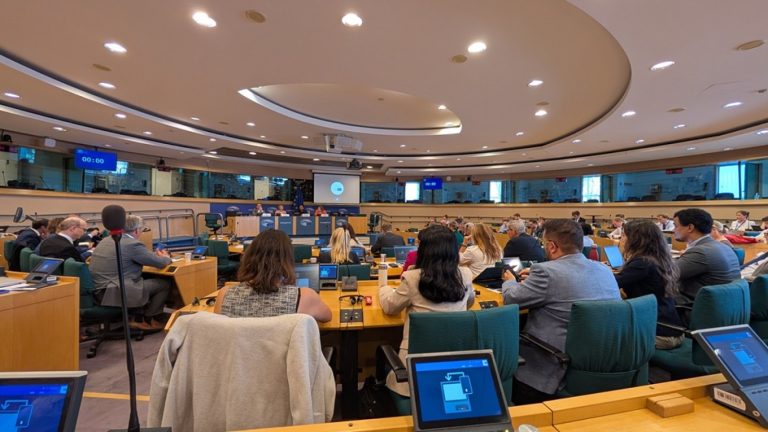
Ten EU member states are participating in planning groups led by Italy, France and Germany. France, holding the G7 presidency, is pushing for a permanent secretariat to oversee the initiative beyond the bloc’s rotating political leadership cycles — a sign of ambition to make the stockpile a durable institutional feature rather than a temporary political response.
The initiative follows a late 2025 announcement of plans for coordinated stockpiling and reflects mounting concern that China could weaponise mineral exports during future trade or geopolitical disputes. Beijing’s export restrictions on gallium, germanium and graphite have already disrupted global markets in recent years, while restrictions on heavy rare earths imposed in April 2025 sent dysprosium, terbium and yttrium prices surging. China’s dominance is structural: the bloc imports 93% of its permanent magnets for wind turbines from Chinese suppliers, and the combined market share of the top three producing countries for key transition minerals rose from 82% in 2020 to 86% in 2024.
Europe’s push to build domestic supply chains has encountered obstacles. Projects designated as strategic under the EU Critical Raw Materials Act, such as the Chvaletice manganese development in the Czech Republic, have faced lengthy permitting delays, with fast-track measures under the legislation yet to be fully incorporated into Czech national law.
The stockpile discussions reflect a broader shift across Western governments from market-driven supply models toward more interventionist industrial policy as competition for strategic resources intensifies. The US, Japan and South Korea are also building reserves or financing alternative supply chains to reduce exposure to Chinese production dominance.