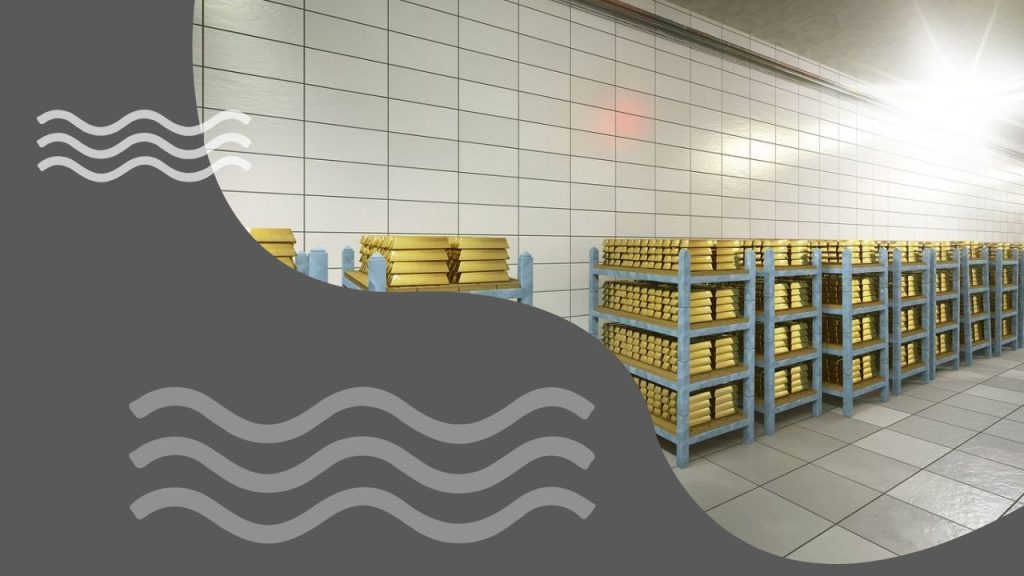
National Bank of Poland (NBP), the world’s largest reported buyer of gold, plans to increase its bullion holdings by a further 150 tonnes, lifting total reserves to 700 tonnes as it prepares for prolonged geopolitical instability.
Management board member Artur Sobon told Bloomberg that the central bank recently approved the higher target, stressing that record-high gold prices would not deter purchases. Gold has surged to historic highs as investors seek safe havens amid rising tensions between the United States and Europe, including disputes over Greenland.
“Our primary goal is to build an appropriate portfolio for these unstable geopolitical times, one that will guarantee Poland stability, security, and credibility,” Sobon said, adding that price considerations are secondary.
At current market prices, acquiring 150 tonnes of gold would cost more than $23 billion. Central bank demand has been a major driver of gold’s rally, with prices doubling over the past 18 months. Buying accelerated globally after Russia’s reserves were frozen following its invasion of Ukraine, highlighting gold’s appeal as an asset that cannot be easily sanctioned.
NBP purchased 100 tonnes of gold last year, the largest amount officially reported by any central bank. Analysts note that some countries, particularly China, may also be buying gold without fully disclosing their activity.
Poland’s push to expand gold holdings has been led by central bank governor Adam Glapinski, with reserves standing at about 550 tonnes at the end of 2025. Until now, gold allocations were capped at 30% of total reserves, a threshold that soaring prices have brought close to being reached.
Sobon said the timing and pace of future purchases would be determined by NBP traders and could vary month to month. Poland’s growing foreign-exchange reserves, bolstered by inflows of EU funds, give the country room to finance the expanded gold strategy. Total official reserves now stand at roughly $271 billion, compared with $36 billion when Poland joined the EU in 2004.