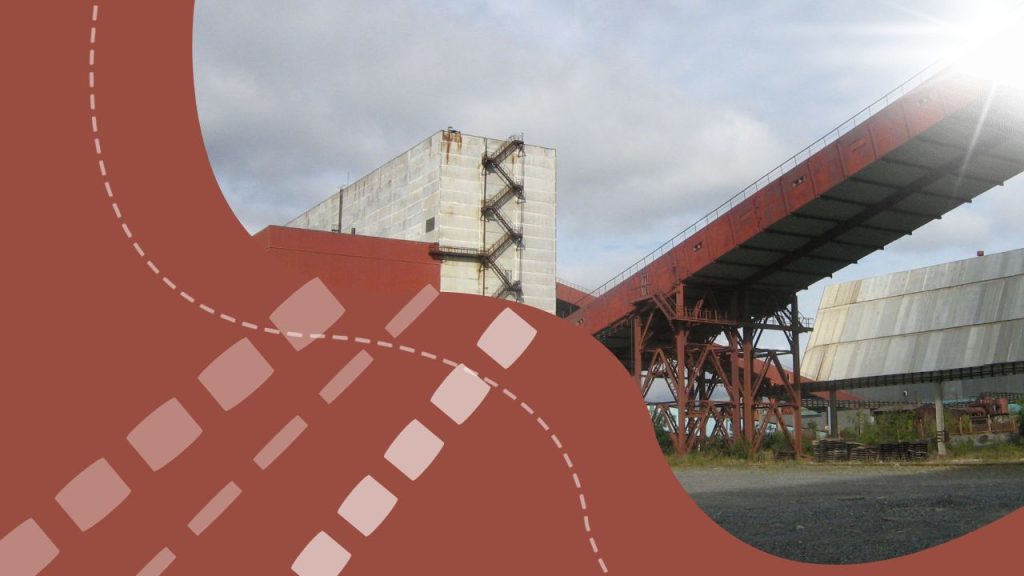
LEAG, the largest lignite mine operator in Eastern Germany, has announced plans to construct one of Germany’s inaugural hydrogen-ready gas power plants. Boasting a capacity of 870 megawatts (MW), the proposed gas turbine power plant could see construction commencing as early as 2025, pending specific tender criteria outlined in the government’s power plant strategy and EU agreement on state support.
The move towards hydrogen-ready gas plants is pivotal in ensuring electricity supply security amid the escalating share of intermittent renewable energy sources and the looming phase-out of coal by 2038. LEAG envisions a six-year construction timeline for the gas power plant, situated in the Schwarze Pumpe industrial park, with an anticipated grid connection by 2030. Leveraging existing access to the natural gas grid, the plant is slated to integrate into Germany’s future hydrogen core network.
LEAG’s initiative aligns with its broader strategy of transitioning towards renewable energies in the Lusatia coal-mining region. The recent approval of Germany’s power plant strategy aims to establish an investment-friendly framework for new hydrogen-ready gas-fired power plants. Despite the imperative role of such plants in intermittent operation scenarios, their construction faces financial challenges due to high fuel costs, necessitating governmental support.
While LEAG’s proposal signals progress, a recent report highlights Germany’s sluggish pace in implementing hydrogen plans, with current production facilities totaling only 0.3 gigawatts (GW) against a 2030 target of 10 GW. Bridging this gap remains critical for Germany’s energy transition ambitions.