Europe’s security of supply for critical raw materials is deteriorating, according to a new International Energy Agency report, raising serious questions about the effectiveness of the European Union’s Critical Raw Materials Act launched two years ago. The continent remains heavily dependent on a small number of countries, particularly China, which dominates the market for cobalt, lithium, manganese, and raw material processing, while Indonesia leads in nickel production. Together, these nations accounted for more than three-quarters of global refining growth between 2023 and 2025.
The vulnerability became apparent when Chinese export restrictions on magnets forced some European car manufacturers to cut production last year, while the number of Chinese products requiring export licenses tripled. Compounding these challenges, global investments in critical minerals fell by 9 percent in 2025, further jeopardizing Europe’s raw materials security.
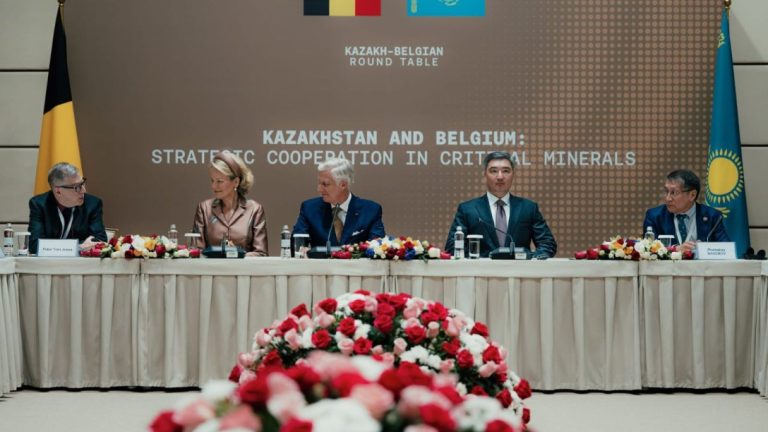
Peter Tom Jones, Director of the Institute for Sustainable Metals and Minerals at KU Leuven, argues the strategy is fundamentally flawed. He contends that Europe’s approach of dividing the raw materials chain into separate components is inadequate in a world where China actively restricts exports and expands its monopoly. Jones advocates for comprehensive European investment across the entire value chain—from mining and processing to refining and manufacturing batteries and electric vehicles—requiring billions in state-backed funding.
The bankruptcy of Swedish battery manufacturer Northvolt in 2025 has deterred private investment, underscoring the need for major government intervention. Jones also recommends implementing an export ban on metal and battery waste to keep high-quality materials within Europe for recycling rather than shipping them to China.
Andor Lips, strategic advisor on critical raw materials at TNO, suggests Europe should pursue resilience through diversification and partnership rather than complete independence. He recommends building relationships with countries like Australia and Canada, which produce critical materials like rare earth ores for wind turbine magnets. While acknowledging that new European mines and recycling infrastructure require time to develop, Lips believes the Critical Raw Materials Act represents progress, though Europe must absorb supply shocks in coming years before the strategy fully materializes.