Most economies would struggle to keep industry running for more than a few weeks if global supplies of critical minerals were suddenly disrupted, highlighting a major vulnerability at the heart of the modern economy.
Critical minerals underpin everything from electric vehicles and renewable energy systems to electronics and defence equipment. Yet their production and processing are highly concentrated in a small number of countries, leaving supply chains exposed to geopolitical tensions, trade restrictions and conflict, according to the International Energy Agency.
In response, governments have begun building strategic stockpiles intended to buffer industries against shocks. However, a review of publicly disclosed reserves shows that most countries remain poorly prepared. Outside a small group of exceptions, stockpiles are generally insufficient to sustain even priority sectors for more than a few months during a major disruption. In several cases, governments do not publish data at all, citing national security concerns.
China stands out as the most resilient player. It not only dominates mining and processing for many critical minerals but also holds the world’s largest known state reserves. Industry estimates suggest China could support domestic demand for months in minerals such as rare earths and battery metals. Recent export controls on materials including gallium, germanium and graphite demonstrated how quickly this leverage can be exercised.
Among major importers, Japan and South Korea are the most advanced. Japan overhauled its approach after a rare earth supply crisis in 2010 and now maintains reserves covering several months of demand for minerals such as cobalt and nickel. South Korea has built stockpiles equivalent to roughly two months of consumption, with systems designed for rapid release during emergencies.
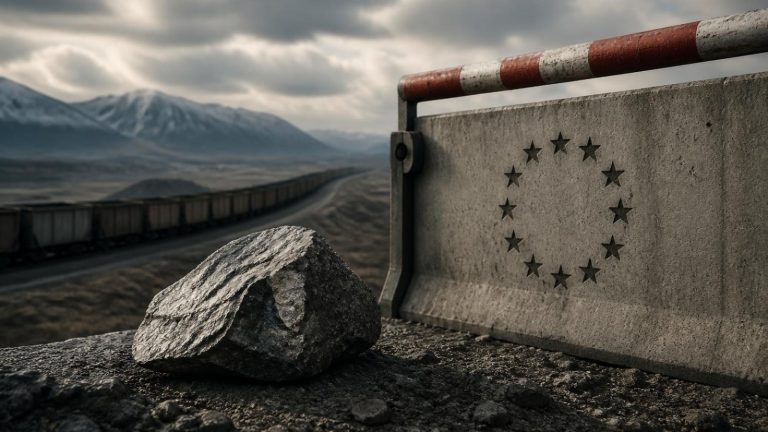
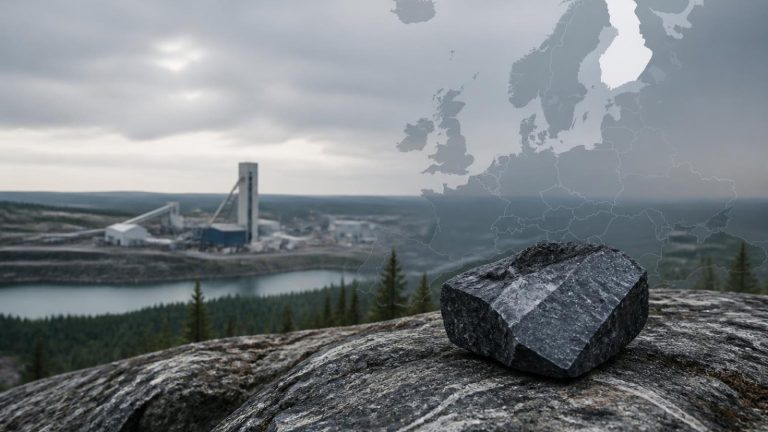
By contrast, the United States and Europe appear more exposed than commonly assumed. US reserves are largely focused on defence needs and would likely cover only weeks of broader economic demand in a large-scale disruption, despite recent efforts to rebuild stocks of rare earths, cobalt and antimony. Europe is still debating coordinated stockpiling under the Critical Raw Materials Act, leaving its industrial base vulnerable in the near term.
Australia is pursuing a producer-led strategy, developing reserves based on domestically mined materials such as rare earths, antimony and gallium, both to improve national resilience and support allied supply chains. India, meanwhile, has acknowledged the need for stockpiles in its critical minerals strategy but remains at an early stage of implementation.
The reality is stark: if global production halted tomorrow, most economies would be counting their remaining buffer in weeks rather than years. Governments would be forced to prioritise defence, energy and essential manufacturing, while other sectors would face immediate shortages.
Stockpile size alone, however, does not determine resilience. Effectiveness depends on how well reserves match real demand, how quickly they can be released, and whether alternative supplies or substitutes are available. Small but targeted stockpiles, combined with diversified sourcing, can sometimes offer more protection than large but poorly aligned reserves.
For mining companies and investors, this shift underscores a broader change. Critical minerals are no longer viewed solely as commodities but as strategic assets, with their value increasingly shaped by geopolitics, security and resilience as much as by traditional supply and demand dynamics.