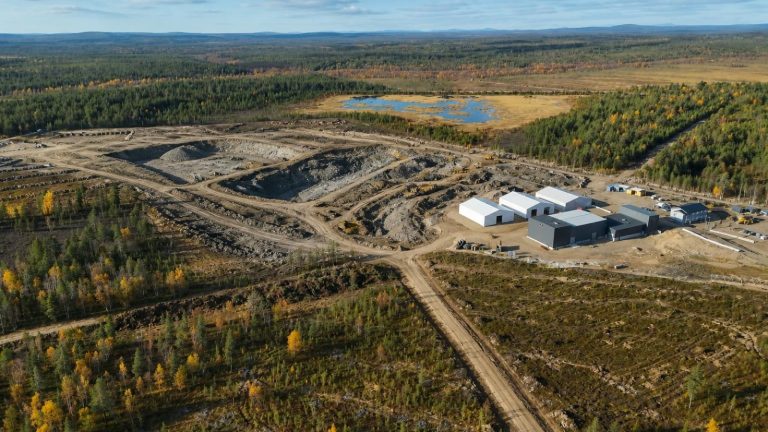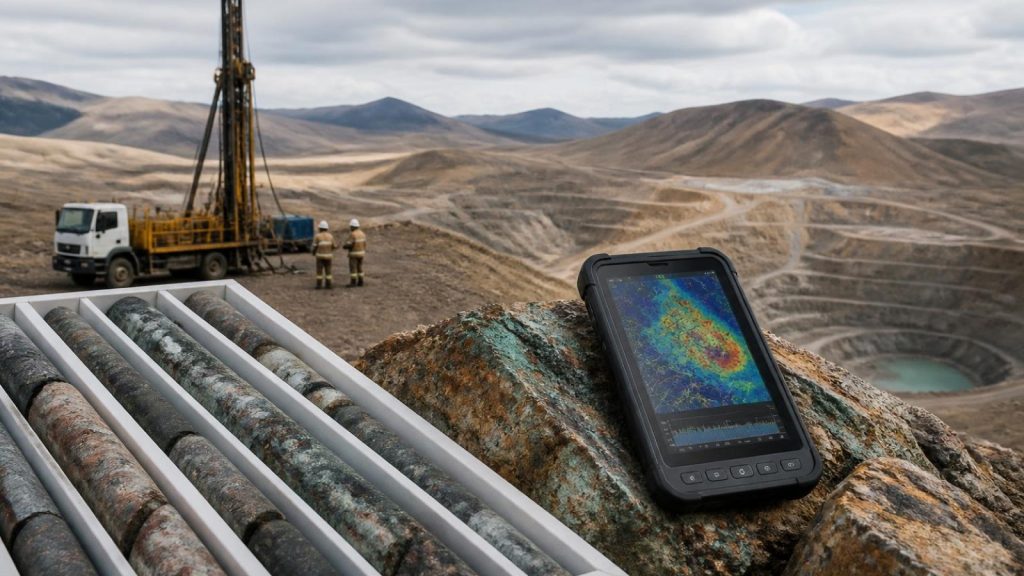
Kazakhstan is making significant strides in its geological exploration efforts, particularly in the mining sector, as highlighted during a recent presentation to Prime Minister Olzhas Bektenov at the Karatas copper ore site, operated by Tau-Ken Samruk. The country’s geological exploration agency, Kazgeologia, has expanded its operations across seven regions, covering an area of 55,000 square kilometres. This includes drilling and both ground and airborne geophysical studies. High-resolution geological exploration work has commenced on 20 sites, encompassing a total area of 100,000 square kilometres, at a scale of 1:50,000.
In line with government directives, a new mechanism for implementing geological exploration projects has been established. Tau-Ken Samruk is now responsible for obtaining exploration licenses, conducting surveys, and placing confirmed reserves on the state balance before involving foreign partners at advanced stages of project readiness. This approach is expected to enhance project values and provide the government with more advantageous terms.
According to Nariman Absametov, head of the national mining company, three licenses have been secured over the past year, initiating exploration for gold, copper, and rare earth elements. Confirmed reserves include over 8 tonnes of gold and 150,000 tonnes of copper. Notably, the average copper content at Karatas has increased from 0.35% to 0.46%, with technological samples being collected for hydrogeological and geotechnical studies.
The Prime Minister was also briefed on the preliminary results of AI analysis of core samples, which is expediting processes and reducing documentation timelines. Currently, the system is trained on geological data from the Zhosabay deposit with an accuracy of 80%, with plans to increase this to 95% by year-end.
Government support for the sector has seen a tenfold increase, with funding for geological exploration rising to $500 million over three years. Authorities have been directed to focus on promising areas for critical minerals, digitise geological materials, and attract more investors. Tau-Ken Samruk is expected to replicate the successful practices from Karatas at Zhosabay and other sites.
A significant emphasis is also being placed on training young geologists through active projects. The industry is largely reliant on local talent, with institutions such as Satbayev University and the Atyrau Oil and Gas Institute involved in the training efforts. This initiative aims to bolster the workforce and ensure the sustainability of Kazakhstan’s mining sector.