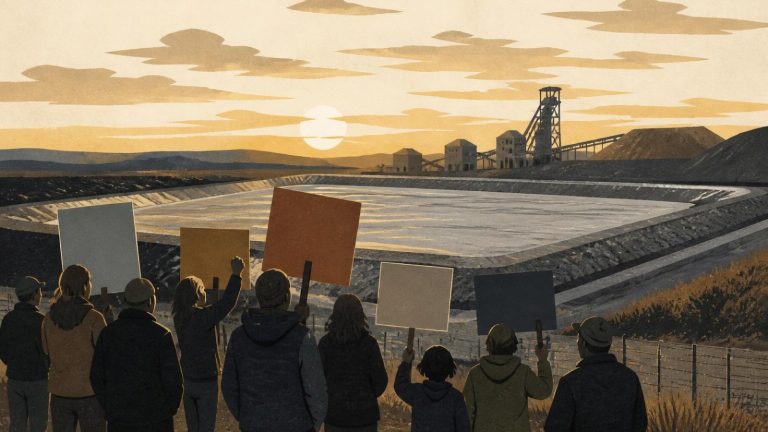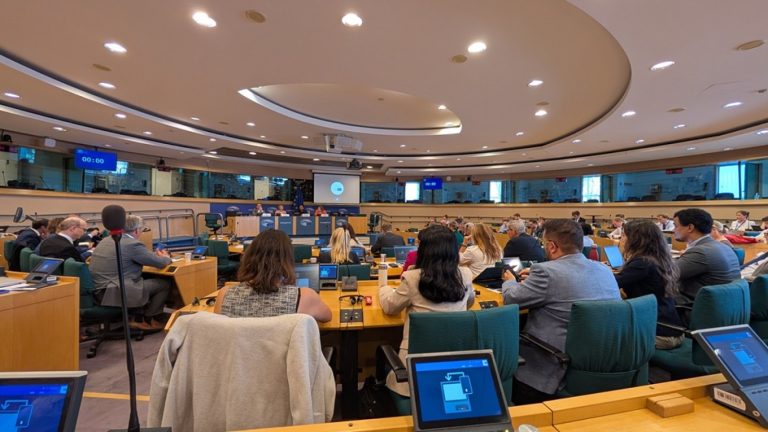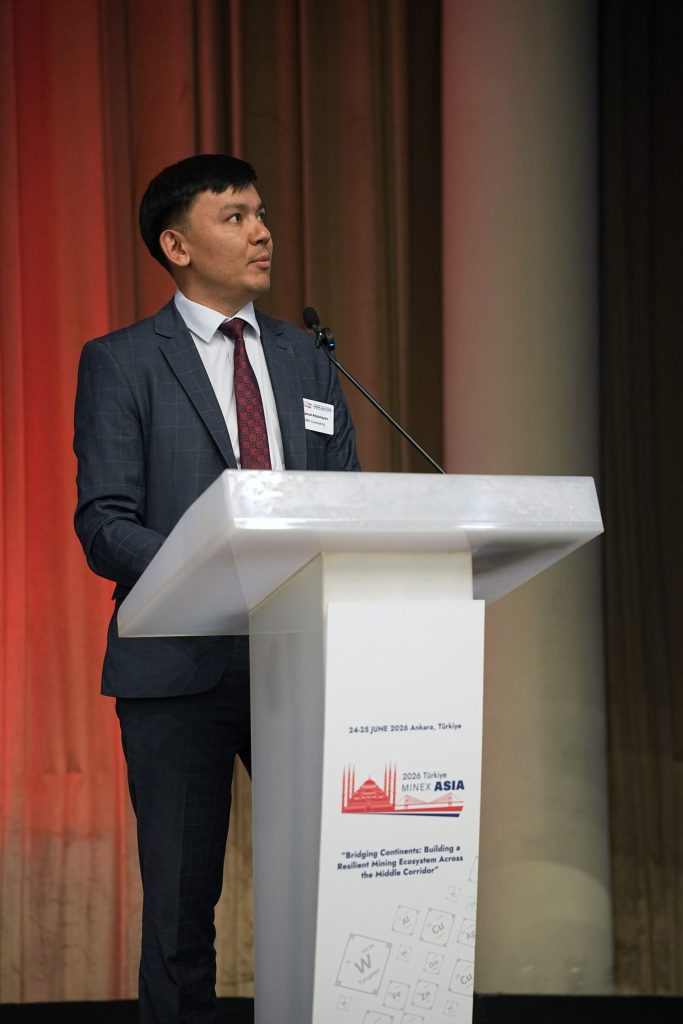
Azamat Abdulayev framed water scarcity as an increasingly central issue for mining development across Central Asia, driven by four factors: growing mineral projects along the Middle Corridor requiring reliable water; the region’s inherent water scarcity (roughly 70% desert, semi-desert, or dry steppe); the fact that mines share water basins with agriculture, communities, and ecosystems; and growing investor scrutiny of whether water supply, discharge, and closure assumptions are realistic.
He argued that treating water purely as a compliance issue — simply obtaining a permit — is no longer sufficient. Lenders now expect technical certainty: reliable water balances, climate stress testing, and credible closure water models. Weak assumptions can trigger project redesigns, delays, or additional lender conditions, whereas early, well-managed water strategy builds investor confidence.
He detailed Kazakhstan’s new water code (enacted the previous year), highlighting four key implications for mining: basin-based governance, meaning mine impacts are assessed within the context of the broader river basin rather than as isolated site issues; clearer inclusion of mine dewatering and groundwater flows within water-use frameworks; stronger expectations around metering, reporting, and water recycling; and heightened attention to drought resilience and water security during low-water years.
He then outlined Uzbekistan’s new water code, which replaced the previous water law, noting parallel themes: more controlled water access through permits and quotas; increased importance of accurate water accounting and metering; greater basin-level visibility of cumulative impacts across users; and stronger discharge and groundwater controls.
He translated these legal changes into a practical “evidence pack” framework covering five areas: source rights and allocation, accounting and measurement, discharge and mine water management, efficiency and reuse, and stakeholder/basin awareness. He stressed that water strategy should begin at the exploration stage — understanding baseline hydrology — and evolve through scoping, feasibility, permitting, operations, and closure, with the central ongoing question being whether a project can operate, discharge, and close credibly through dry years under tightening regulation.
He illustrated the stakes with a striking cost comparison: while a cubic meter of water might cost less than one cent to abstract, a single day of concentrator downtime due to water shortage can cost more than $2 million USD. He closed by arguing that in Central Asia, water stewardship has moved beyond compliance to become a determinant of project resilience, schedule, capital cost, and social license — and that the strongest water strategies begin well before feasibility studies or permitting challenges arise.