Website: Europe.com

  • Đilas claims Rio Tinto preparing €1–1.5 billion compensation claim against Serbia over Jadar lithium project

    Đilas claims Rio Tinto preparing €1–1.5 billion compensation claim against Serbia over Jadar lithium project

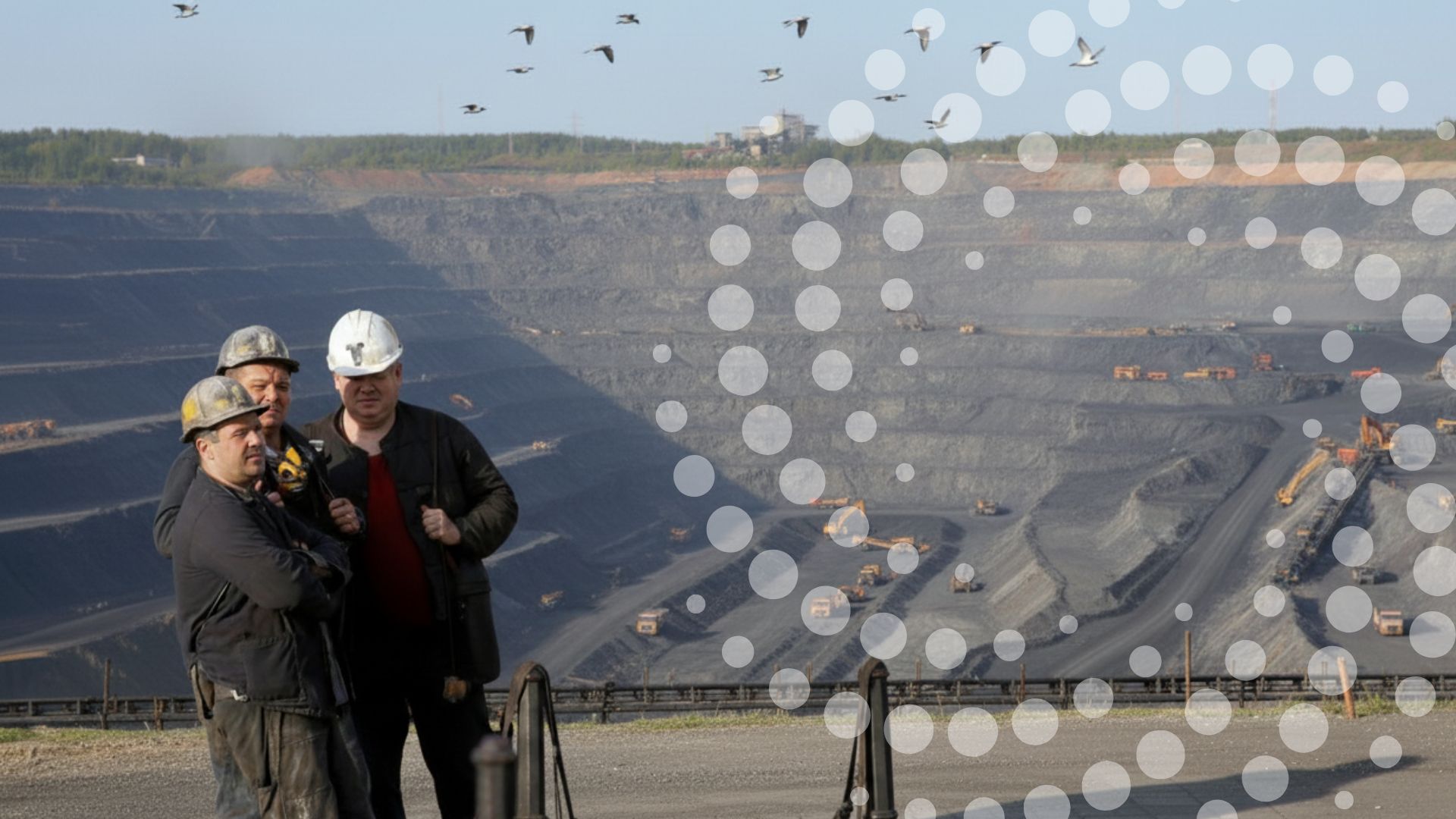
    Rio Tinto is preparing to file a compensation claim against the Republic of Serbia worth between €1 billion and €1.5 billion over the halted lithium mining project in the Jadar Valley, according to Dragan Đilas, president of the opposition Freedom and Justice Party.

    Speaking on the podcast Dežurni krivac, Đilas said the mining company intends to sue Serbia for costs incurred and lost profits after the government abandoned plans for lithium extraction. He argued that commitments made by senior state officials, including President Aleksandar Vučić and former Prime Minister Ana Brnabić, form the basis of the claim.

    Đilas stated that Rio Tinto allegedly received both written and verbal assurances regarding the project’s implementation, stressing that verbal agreements are legally binding in the same way as written ones. According to him, the public is still unaware of the exact guarantees provided by state leadership, which allowed the company to begin exploration, planning, and investment activities.

    He further claimed that once the lawsuit is formally announced, the authorities will shift responsibility onto citizens who protested against lithium mining. Đilas rejected this narrative, saying public opposition was clear, with more than 80% of citizens reportedly against the project.

    The opposition leader accused the country’s leadership of exceeding their authority and violating laws by promising lithium production to international partners, only to later withdraw those commitments. He warned that Serbia could ultimately bear the financial consequences, potentially amounting to hundreds of millions or even more than a billion euros.

    Đilas concluded that the situation reflects broader political risks, arguing that unfulfilled promises to foreign partners could result in additional financial claims against the state in the future.
  • Serbia adopts draft minerals strategy for 2025–2040, sets focus on sustainability and critical raw materials

    Serbia adopts draft minerals strategy for 2025–2040, sets focus on sustainability and critical raw materials

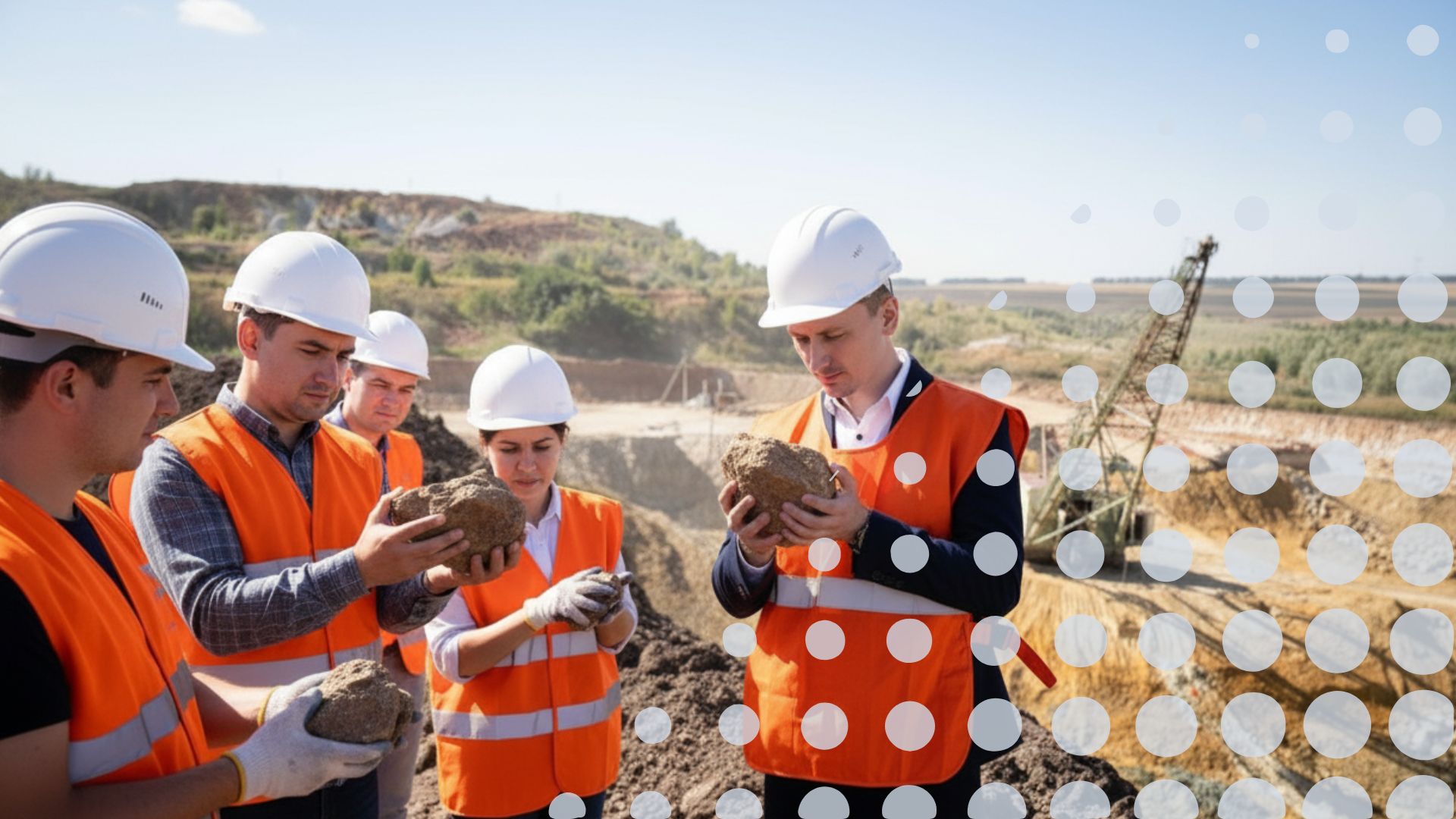
    The Serbian government has adopted a draft Strategy for the Management of Mineral and Other Geological Resources for the period from 2025 to 2040, with projections extending to 2050, sending the document to the National Assembly for a final vote. The strategy aims to balance economic development with environmental protection while strengthening state oversight and ensuring a stable supply of critical and strategic raw materials.

    Minister of Mining and Energy Dubravka Đedović Handanović said the strategy was shaped through a lengthy and at times contentious public consultation process, during which dozens of objections and proposals were fully or partially incorporated. Although the final text has yet to be published, the government confirmed that sustainability, climate neutrality, and the use of energy-efficient and low-carbon technologies are among its central pillars.

    According to the Ministry of Mining and Energy, the strategy establishes a long-term framework for responsible resource management, enhanced planning and supervision, and improved governance of the mining and geology sector in the interests of citizens and local communities. Particular attention is given to critical and strategic raw materials, geothermal energy, and the rational use of natural resources.

    An accompanying environmental impact assessment notes that Serbia has significant deposits of metallic, non-metallic, and energy raw materials, as well as groundwater and geothermal resources. At the same time, it acknowledges that decades of mining have led to air, water, and soil pollution, especially in areas such as Bor and Majdanpek, as well as the Kolubara and Kostolac lignite basins. The report also highlights abandoned mines, tailings dumps, and obsolete facilities as a major challenge requiring remediation and rehabilitation.

    Đedović Handanović said the strategy defines concrete programmes to secure raw material supplies for domestic companies and the energy system, create jobs, increase the participation of Serbian industry in value chains, reduce import dependence, and strengthen economic stability. She added that strict environmental and safety standards, along with transparent planning and decision-making processes, are intended to protect protected areas, improve workplace safety, and reduce risks to public health and quality of life.

  • JSW Completes Deepening of Shaft III at Pniówek Mine, Enhancing Safety and Efficiency

    JSW Completes Deepening of Shaft III at Pniówek Mine, Enhancing Safety and Efficiency

    Jastrzębska Spółka Węglowa (JSW), the European Union’s largest producer of coking coal, has completed a major investment project at its Pniówek mine, finalizing the deepening of shaft III to a depth of 1053 meters and commissioning a new operational horizon at the 1000-meter level. The company announced the milestone in a press release issued in December.

    The project involved extending shaft III from its previous depth of 856 meters and modernizing the hoisting installations in both the eastern and western sections to service the new horizon. Work on the project began in 2020 and was carried out under full operating conditions by a consortium comprising PBSz SA and PPG ROW-JAS.

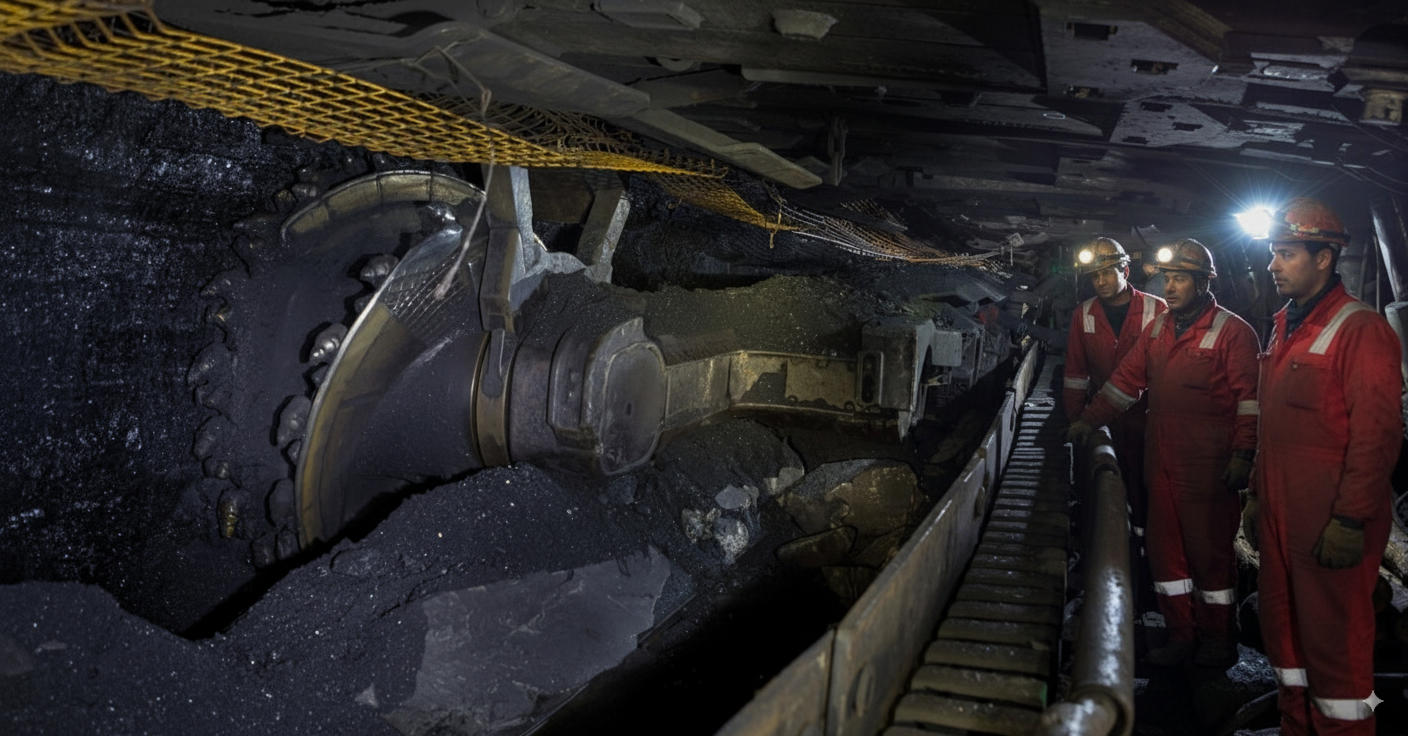
    According to mine officials, the deepening significantly improves occupational safety, transport logistics, and working conditions for miners. Shaft III, with a diameter of 7.5 meters, performs key ventilation and transport functions, including air extraction, personnel transport, and material handling. Following completion of the project, the shaft now serves three operational levels: 705, 830, and the newly commissioned 1000 level, which has become the mine’s primary horizon. Around 60% of employees now begin their shifts at this level.

    The launch of the 1000 level has allowed the mine to discontinue material transport from the 830 level, directly improving safety and productivity. A new three-deck cage capable of carrying up to 78 people has been installed, while upgraded hoisting machines and new ropes enable the handling of heavier loads. The ventilation system has also been enhanced as part of the investment.

    Mine representatives described the project as a critical step for long-term operations. Management noted that deepening the shaft while maintaining production at the 705 and 830 levels was particularly challenging, requiring the use of an artificial bottom to ensure uninterrupted and safe operations.

    The completion of shaft III comes as JSW moves forward with broader strategic measures. In October 2025, the company announced the start of preparatory work for a large-scale business restructuring aimed at improving liquidity and securing financial stability in the short and medium term.

  • Mozambique Smelter Shutdown Set to Tighten Global Aluminum Supply in 2026

    Mozambique Smelter Shutdown Set to Tighten Global Aluminum Supply in 2026

    The planned shutdown of Mozambique’s Mozal aluminum smelter is expected to weigh heavily on global aluminum supply next year, forcing European Union buyers to seek alternative sources, analysts say.

    Mining group South32 confirmed that the Mozal smelter, with an annual capacity of 560000 metric tons, will be placed on care and maintenance from mid-March after negotiations with power utilities and the Mozambican government failed to secure a new electricity supply agreement.

    Trade Data Monitor figures show that in the first 10 months of 2025, Mozal shipped nearly 430000 tons of aluminum to the EU, making Mozambique the bloc’s largest supplier of primary aluminum with close to one fifth of total imports.

    ING now expects a global aluminum deficit of around 600000 tons in 2026, according to analyst Ewa Manthey. The bank had previously forecast a deficit of 200000 tons, following a shortfall of about half that size in 2025. Manthey said Europe is likely to compensate for the loss of Mozal supply through increased imports from Canada and the Middle East.

    European demand for primary aluminum is estimated at about 9 million tons per year, according to industry group European Aluminium. The impact of Mozal’s shutdown is being compounded by reduced output at Century Aluminum’s Iceland smelter, where production has fallen by roughly two thirds following an electrical failure. Iceland has been the EU’s second-largest aluminum supplier this year.

    Supply pressures are also being intensified by regulatory and trade factors. From January, the EU’s Carbon Border Adjustment Mechanism will impose a carbon tax on aluminum imports, while permitted imports of Russian aluminum will be capped at 50000 tons between February 26 and December 31.

    Prices have responded accordingly. Three-month aluminum on the London Metal Exchange was trading about 0.5% higher at around $2880 per ton, close to the more than three-year high of $2920 recorded in early November and again in early December. The European duty-paid premium rose to a 10-month high of $340 per ton at the start of December and was last seen at $326.

    According to consultancy CRU, a full closure of Mozal would turn its forecast of a roughly 200000-ton aluminum surplus in 2026 into a deficit. CRU’s head of aluminum raw materials, Ross Strachan, said producers in the Gulf region are well positioned to increase shipments to Europe, attracted by elevated premiums.

  • Portugal Emerges as Potential Hub for Critical Minerals as Exploration Intensifies

    Portugal Emerges as Potential Hub for Critical Minerals as Exploration Intensifies

    Europe is closely monitoring developments in Portugal as private companies carry out preliminary studies to assess the presence of critical minerals beneath the country’s surface. The growing interest is driven by the need to secure supplies of rare earths and other strategic elements essential for modern technologies, amid efforts by the European Union to reduce its dependence on China.

    Brussels has already fast-tracked several extractive projects linked to critical raw materials, and new geological data suggest that Portugal’s resource potential may be broader than previously assumed. According to Luís Martins, a geologist at Portugal’s National Laboratory for Energy and Geology (LNEC), the country is on the verge of a new mining-driven transformation. He noted that Portugal has strong expertise in mining and environmental management compared with many other European states.

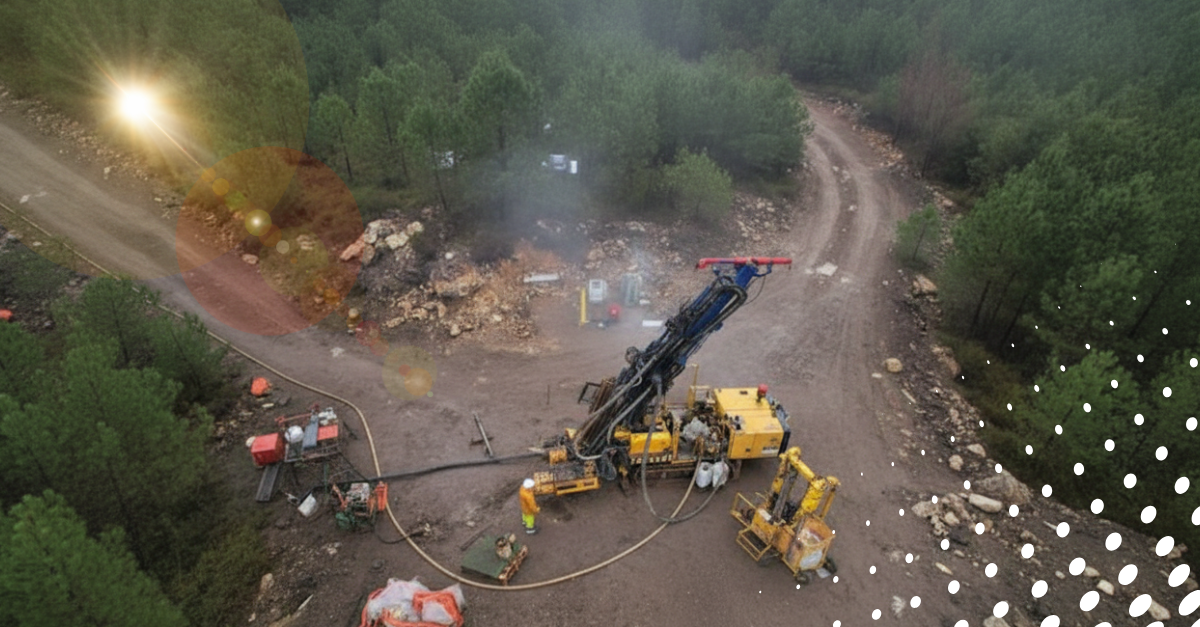
    Exploration activities, including test drilling, are currently underway in parts of the Alentejo and the Northwest Transmontano regions, such as Moncorvo, an area with a long mining history. Martins stressed, however, that commercial extraction remains a distant prospect, explaining that rare earth elements are often associated with iron deposits, as seen in Moncorvo.

    In the Alentejo, areas including Monforte-Tinoca, Assumar, Crato-Arronches, and Penedo Gordo have already revealed the presence of highly sought-after elements. These include zircon, hafnium, titanium, niobium, tantalum, yttrium, and scandium. While not all of these minerals fall strictly within the rare earth category, many are classified as strategic or critical, heightening EU interest.

    Martins explained that rare earth elements comprise 17 chemical elements, including the 15 lanthanides as well as scandium and yttrium, which share similar chemical properties and often occur in the same deposits. These materials are vital for a wide range of industrial and technological applications due to characteristics such as magnetism, luminescence, and electrical resistance.

    The prospect of expanded mining activity raises concerns about environmental impacts, landscapes, and traditional rural livelihoods. Resistance has already been seen in northern Portugal, where communities have opposed lithium mining projects. Despite this, Martins believes economic considerations are likely to prevail. He pointed to two major untapped gold deposits in Montemor and Jales/Gralheira, which together could yield up to one million ounces of gold, currently valued at approximately 3.6 billion euros.

  • Tahltan Nation Backs IBA for Skeena’s Eskay Creek Gold-Silver Project

    Tahltan Nation Backs IBA for Skeena’s Eskay Creek Gold-Silver Project

    The Tahltan Nation has voted in favor of the Impact Benefit Agreement linked to the development and future operation of Skeena Resources’ Eskay Creek gold and silver project in British Columbia. Support for the agreement was confirmed following a referendum held among Tahltan Nation members.

    Skeena, which is dual-listed and owns the Eskay Creek project outright, said the IBA sets out a comprehensive framework for shared benefits between the company and the Tahltan Nation. These include employment and business opportunities for Tahltan members and enterprises, training and education programs aimed at building long-term capacity, funding for a facility to support Tahltan elders, and meaningful financial participation in the project.

    The company noted that a decision by the Tahltan central government board on whether to formally grant consent for the Eskay Creek project is expected to be considered in January 2026.

    Skeena executive chairperson Walter Coles said the ratification of the agreement reflects extensive collaboration and trust between the parties, adding that the IBA establishes new industry benchmarks for First Nation involvement in environmental protection and benefit-sharing. Senior vice president of external affairs Justin Himmelright подчеркнул, что соглашение рассматривается как основа долгосрочного и содержательного партнерства, подчеркнув значительную роль Tahltan Nation в формировании экологических, культурных и экономических приоритетов проекта.

    According to Skeena, the agreement formalizes years of cooperation and is intended to ensure that Tahltan values are embedded throughout the life of the Eskay Creek project.

  • KGHM Signs Impact and Benefit Agreement with Sagamok Anishnawbek for Canadian Mine Project

    KGHM Signs Impact and Benefit Agreement with Sagamok Anishnawbek for Canadian Mine Project

    Polish mining group KGHM has signed an impact and benefit agreement with the Sagamok Anishnawbek First Nation in Canada as part of plans to develop a new copper and nickel mine in Ontario. The agreement relates to the Victoria project, located about 35 kilometers west of the city of Sudbury.

    The arrangement provides for the participation of Sagamok Anishnawbek members in various stages of the project, including mine development and environmental protection activities. The agreement was signed last week by Sagamok Anishnawbek Chief Angus Toulouse and Marek Bednarz, chief executive officer of KGHM International, the Canadian subsidiary of KGHM Polska Miedź.

    KGHM, whose largest shareholder is the Polish state, is one of Poland’s largest industrial companies and among the world’s leading producers of copper and silver. The company acquired the Victoria copper and nickel deposit in 2012 but suspended development for several years due to declining mineral prices. The project was revived approximately three years ago as market conditions improved.

    According to KGHM Polska Miedź CEO Andrzej Szydło, the agreement represents a key milestone in advancing the Victoria project and demonstrates the company’s commitment to social dialogue and maintaining strong relations with local communities. KGHM also noted that it has worked with the Sagamok Anishnawbek for more than a decade during exploration activities and throughout the permitting process.

    The company said the agreement is intended to ensure stable cooperation throughout the mine’s entire lifecycle, from construction and production to eventual closure. It also provides tangible economic and development benefits for the Sagamok Anishnawbek community and guarantees its involvement in environmental protection measures linked to the project.

    The signing comes amid broader efforts by Canadian and Ontario authorities to attract international investment into the mining sector. At the same time, analysts have highlighted the importance of Indigenous consent, noting that First Nations have historically borne disproportionate environmental and social impacts from mining developments.

  • Understanding Critical Infrastructure in Contemporary Mineral Markets: Romania’s Rare Earth Test Case

    Understanding Critical Infrastructure in Contemporary Mineral Markets: Romania’s Rare Earth Test Case

    As Europe confronts growing vulnerabilities in critical mineral supply chains, processing infrastructure has emerged as the decisive bottleneck separating genuine industrial autonomy from continued dependence on geographically concentrated production hubs. Within this context, Romania’s rare earth processing initiative stands as a litmus test for Europe’s ability to translate strategic policy into operational capability.

    The planned rare earth processing facility at Feldioara is more than a standalone industrial project. It reflects a deliberate shift in European thinking, recognising that sovereignty over critical materials depends less on mining alone and more on control of midstream processing and refining. With China controlling roughly 80% of global rare earth refining capacity, European policymakers have identified downstream infrastructure as the most effective leverage point to rebalance supply chains.

    Romania’s advantage lies in its legacy nuclear infrastructure. The Feldioara site builds on decades of uranium concentrate processing expertise under Nuclearelectrica and its subsidiary FPCU, offering an existing base of metallurgical know-how, regulatory compliance systems, and a trained technical workforce. This significantly shortens development timelines compared with greenfield processing projects and reduces execution risk in a sector where technical complexity has derailed many Western initiatives.

    Strategically, the project aligns closely with the EU’s Critical Raw Materials Act and related funding instruments, which prioritise processing, recycling, and midstream integration over pure extraction. By focusing on processing capacity capable of handling material from multiple upstream sources, Romania positions itself as a regional hub rather than a single-mine solution. This model enhances resilience and supports European industries spanning defence, electrification, energy infrastructure, and advanced manufacturing.

    The joint venture structure between state-owned FPCU and Critical Metals Corp reflects a broader European experiment in public–private governance for strategic infrastructure. State participation anchors the project within EU strategic autonomy objectives, while private-sector involvement brings market access, operational expertise, and commercial discipline. However, this structure also places a premium on transparent governance, clear decision-making authority, and alignment between commercial incentives and strategic goals.

    Supply integration with the Tanbreez rare earth project in Greenland adds a further geopolitical dimension. The Greenland–Romania corridor represents a fully Western-aligned alternative to Chinese processing routes, but it also introduces technical challenges. Eudialyte-hosted rare earth mineralisation requires specialised processing flowsheets, demanding innovation, pilot-scale testing, and cost discipline to remain competitive against established Asian processors.

    Ultimately, the Feldioara project encapsulates the broader European dilemma in critical minerals. Policy ambition is now clear, financing tools are emerging, and geopolitical incentives are strong. The remaining question is execution. Success would validate Europe’s shift from regulatory aspiration to industrial governance, creating a replicable model for other critical materials. Failure would reinforce the structural challenges that have long constrained Western processing capacity.

  • Serbia Zijin Copper Cleans Up Bor’s Legacy Pollution Through Smelter Modernisation and Dust Control

    Serbia Zijin Copper Cleans Up Bor’s Legacy Pollution Through Smelter Modernisation and Dust Control

    A new phase in Kazakhstan–European Union cooperation on critical raw materials was formally launched with the inauguration of the Kazakhstan–EU Gateway’s cooperation platform and its first flagship event, Strategic Partnership on Critical Raw Materials.

    The event, attended by Eureflect, was hosted at the Brussels headquarters of TÜSİAD, one of Turkey’s leading business associations, underscoring the Eurasian dimension of the initiative and its relevance for both European and regional industrial stakeholders. The choice of venue reflected the high-level political and business focus of the platform.

    Held on December 9, 2025, at Av. des Gaulois 13 in Brussels, the conference brought together policymakers, industry leaders and subject-matter experts from across Europe and Central Asia. Discussions centred on strengthening cooperation along the full critical raw materials value chain, from geological exploration and mining to processing, refining and downstream industrial integration.

    The Kazakhstan–EU Gateway is intended to serve as a structured platform to align Kazakhstan’s vast mineral resource base with Europe’s growing demand for secure, diversified and responsibly sourced critical raw materials. The initiative comes as the EU accelerates efforts to reduce strategic dependencies and deepen partnerships with resource-rich, politically aligned countries.

    Participants highlighted the importance of long-term frameworks, transparent governance and investment-friendly conditions to translate political alignment into tangible projects. The launch event marked an initial step toward building sustained collaboration between Kazakh institutions, European policymakers and industrial players seeking resilient supply chains.

  • Kazakhstan–EU Gateway Launches New Platform for Strategic Critical Raw Materials Cooperation

    Kazakhstan–EU Gateway Launches New Platform for Strategic Critical Raw Materials Cooperation

    A new chapter in Kazakhstan–European Union cooperation on critical raw materials opened on 9 December 2025 with the inauguration of the Kazakhstan–EU Gateway’s cooperation platform and its first flagship event, titled “Strategic Partnership on Critical Raw Materials.”

    The event was hosted in Brussels at the premises of TÜSİAD, one of Turkey’s leading business associations, underscoring the Eurasia-focused and high-level nature of the initiative. Located in the EU quarter at Avenue des Gaulois 13, the venue provided a strategic setting for discussions at the intersection of European policymaking, industry and international cooperation.

    The launch brought together policymakers, industry executives, analysts and experts to explore avenues for strengthening collaboration between Kazakhstan and the EU in the sourcing, processing and integration of critical raw materials into European value chains. Participants discussed supply security, investment frameworks, governance standards and the role of Central Asia in supporting Europe’s industrial resilience amid growing geopolitical pressures.

    The Kazakhstan–EU Gateway platform is intended to serve as a permanent forum for dialogue and project development, positioning Kazakhstan as a key strategic partner for Europe as it seeks to diversify supply chains and reduce dependence on dominant external suppliers of critical minerals.