Website: Asia.com

  • Report Reveals Human Rights Abuses in Race for Energy Transition Minerals

    Report Reveals Human Rights Abuses in Race for Energy Transition Minerals

    A recent report from the U.K.-based Business and Human Rights Resource Center sheds light on a concerning trend accompanying the global push for low-carbon technologies. As nations like the United States and Europe increasingly pivot towards renewable energy sources, the demand for critical minerals used in electric vehicles, wind turbines, and solar panels has surged. However, this transition is not without its consequences. The report highlights over 400 allegations of human rights abuses across 16 countries in Eastern Europe and Central Asia over the past five years. These allegations are linked to the extraction, smelting, and refining of metals and minerals essential for the energy transition, such as copper, zinc, uranium, and iron.

    The surge in demand for these minerals has led to a market worth $320 billion in 2022, according to the International Energy Agency. To meet the ambitious goal of net-zero greenhouse gas emissions by 2050, production of these materials will need to increase six-fold by 2040. Many of these resources are located in some of the world’s least-developed countries, where environmental regulations and labor protections may be lax.

    The report identifies numerous cases of alleged abuses, ranging from health and safety concerns for workers to environmental pollution. In Russia, which holds significant reserves of rare-earth minerals, over 100 allegations were recorded, including instances of workplace accidents and toxic pollution. Similar issues were reported in other countries like Armenia, Ukraine, and Kazakhstan, where inadequate safety measures and environmental contamination have sparked community protests.

    One concerning trend highlighted in the report is the close ties between extractive companies and political elites. In several countries, oligarchs with political connections own or control major mining operations, potentially influencing regulatory oversight and accountability mechanisms.

    Despite the gravity of these findings, the report suggests that the documented allegations may only scratch the surface due to repression and censorship in some of the countries studied. Independent journalists and human rights defenders face obstacles in investigating and reporting on abuses, leading to underreporting of incidents.

    The report’s authors call for increased transparency, community consultation, and respect for human rights in the extraction and processing of energy transition minerals. They emphasize the importance of ensuring that the transition to renewable energy promotes shared prosperity and fair treatment of workers and communities.
  • Anglo Asian Mining Unveils Significant Copper Find in Azerbaijan

    Anglo Asian Mining Unveils Significant Copper Find in Azerbaijan

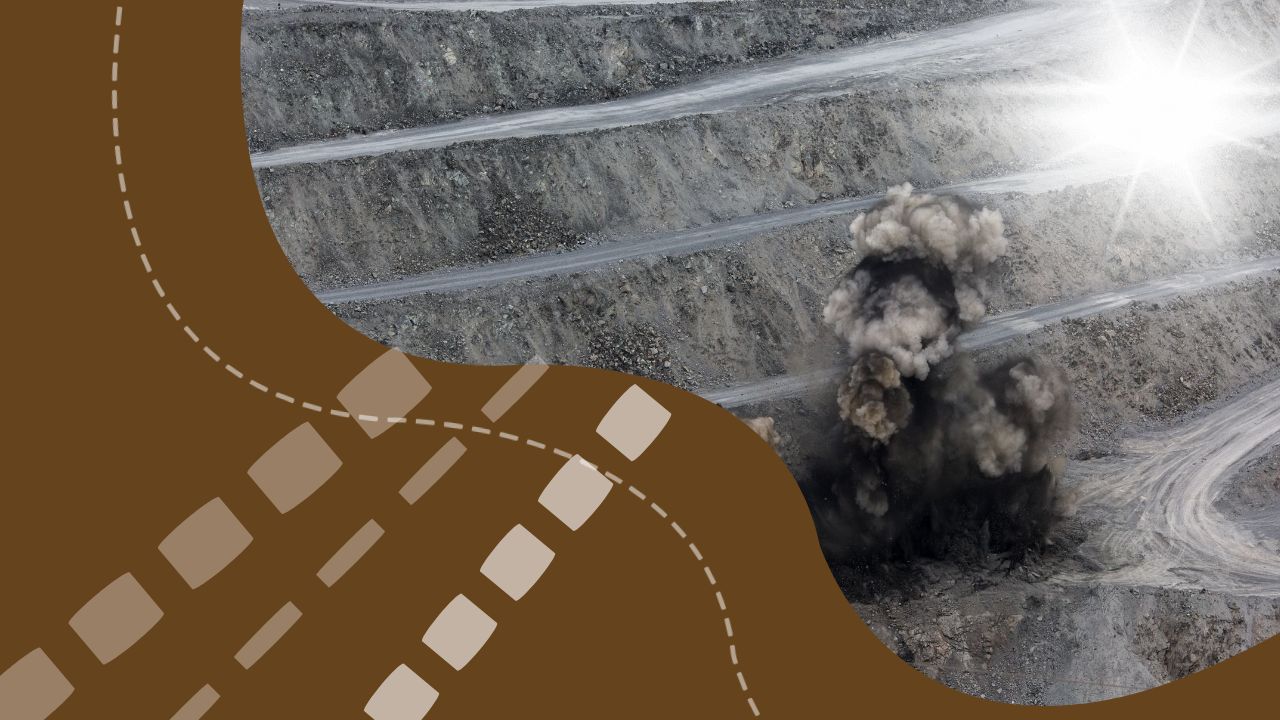
    Anglo Asian Mining (AAM), renowned for its expertise in gold, silver, and copper extraction in Azerbaijan, announced substantial copper mineralization at the Kharhar site in February 2024. Following Joint Ore Reserve Committee (JORC) standards, the estimated copper mineralization zone at the site stands at 24.9 million tons, boasting an average copper content of 0.48%. From 22 million tons of ore, 106,000 tons of copper have been identified, contributing to the total reserves of minerals at the site, which amount to 119,000 tons. Plans are underway for AAM to kickstart copper production at the Kharhar site by 2026, with an anticipated annual extraction of approximately 9,000 tons over the subsequent seven years. The favorable terrain at the site facilitates open-pit mining operations. Under a contract signed with the British company on August 21, 1997, encompassing the development of six sites, Azerbaijan retains a 51% share, with Anglo Asian Mining holding the remaining 49%. In September 2021, a new agreement expanded the company’s rights to three additional contract blocks, bringing the total to eight areas. Experts highlight that the development of the Kharhar site, alongside other contract areas, promises substantial revenue. The mining sector stands as a pivotal player in Azerbaijan’s non-oil sector development, with the nation actively aligning its industry with global standards, exploring innovative approaches and technologies, and seeking to attract investments. Attention is particularly focused on opportunities in liberated territories, which hold immense potential. The country continues to study and develop its mineral resource base, as outlined in the State Programme for Geological Exploration and Efficient Use of Mineral Resources Base for 2020-2024 and subsequent amendments. Estimates indicate abundant mineral deposits, including gold, mercury, copper, and more, within these territories. Positioned advantageously, Azerbaijan possesses rich reserves of diverse minerals and construction materials, positioning itself as a significant player in the regional mineral resources market.

  • Uzbekistan Aims to Tap into Mining Potential, President Urges Action

    Uzbekistan Aims to Tap into Mining Potential, President Urges Action

    Main Body: The domestic geological sector receives an annual allocation of one trillion sums, with last year’s implementation of targeted programs pushing the production volume in the mining industry to nearly $11 billion. However, the bulk of this output is directed towards precious and non-ferrous metals, despite a vast untapped potential for minerals crucial to industry. Thirty-two such valuable minerals have been identified in the country. In response, during a presentation on January 15th, the head of state issued directives to harness opportunities in this sphere. Measures, plans, and proposals were discussed at today’s meeting. With technological advancements driving global developments, there’s a growing demand for rare earth metals in industries like electric vehicles, green energy, and electronics. Consequently, prices for molybdenum, tellurium, selenium, and graphite have surged in recent years. The President emphasized the significant prospects emerging and underscored the need to expand exploration of existing and new deposits of critical raw materials. Currently, six types of such materials are extracted in the country, with the potential to derive high-value-added products from platinum group metals, indium, vanadium, as well as minerals containing tungsten, molybdenum, rhenium, zinc, and manganese. For instance, the production of previously non-existent powder metallurgy products worth $300 million annually and equipment and components worth $100 million annually could be organized. A critical raw material agreement with the European Union has recently been reached, opening access to this vast market. In light of this, officials have been tasked with formulating, with the involvement of foreign experts and investors, a program of promising projects worth $500 million for rare earth metals. Emphasis is placed on developing this direction with a scientific approach, establishing a project office for this purpose, and engaging leading institutions and research centers. The meeting also addressed increasing the production of precious metals at the Navoi Mining and Metallurgical Combine. Responsible officials reported on opportunities for further increasing both reserves and gold production volumes. The President instructed to reduce production costs at the combine by 10-15%, expand industrial cooperation and localization. A directive was issued to establish a Scientific Center for Advanced Technologies in Precious Metals.

  • Mongolia’s Push for International Bonds Amid Mining Concerns

    Mongolia’s Push for International Bonds Amid Mining Concerns

    Mongolia is actively exploring avenues to raise international bonds in a bid to bolster its economic initiatives, yet investor apprehensions loom large owing to the country’s heavy reliance on mining. With the mining sector constituting a significant portion of Mongolia’s GDP and export earnings, the nation has been a magnet for substantial foreign investments, particularly in copper, coal, and various mineral deposits. However, this reliance on mining exposes Mongolia to inherent risks, exacerbated by frequent government policy shifts, which only serve to deepen uncertainties.

    The recent amendment to Mongolia’s Minerals Law by the parliament has added another layer of concern for investors. The revised law places stringent restrictions on project owners, limiting their ownership to a maximum of 34%, while empowering the government to claim up to 50% of a project without cost. Furthermore, project owners are mandated to divest their remaining stakes to third parties within a year. Such drastic measures have the potential to deter prospective investors and tarnish Mongolia’s image as an attractive investment destination.

    Compounding these worries is the uncertainty surrounding the government’s capacity to honor bond repayments, a recurring issue in the nation’s financial history. Previous commodity price downturns prompted the Ministry of Finance to undergo multiple rounds of bond restructuring, sparking apprehensions among investors about Mongolia’s fiscal sustainability.

    To assuage investor concerns and successfully issue bonds on favorable terms, Mongolia must prioritize reinforcing its legal and economic foundations. While diversifying the economy remains a strategic imperative, sustainable diversification hinges on fostering responsible mining practices. Consequently, supporting the mining industry emerges as a critical necessity. By instituting transparent and predictable regulatory frameworks that instill confidence among investors, Mongolia can harness the full potential of its mining sector while fortifying long-term financial stability. Such measures will lay the groundwork for future development, facilitating diversified growth across diverse economic sectors.

  • Kazakhstan Implements Measures to Address Raw Material Shortage

    Kazakhstan Implements Measures to Address Raw Material Shortage

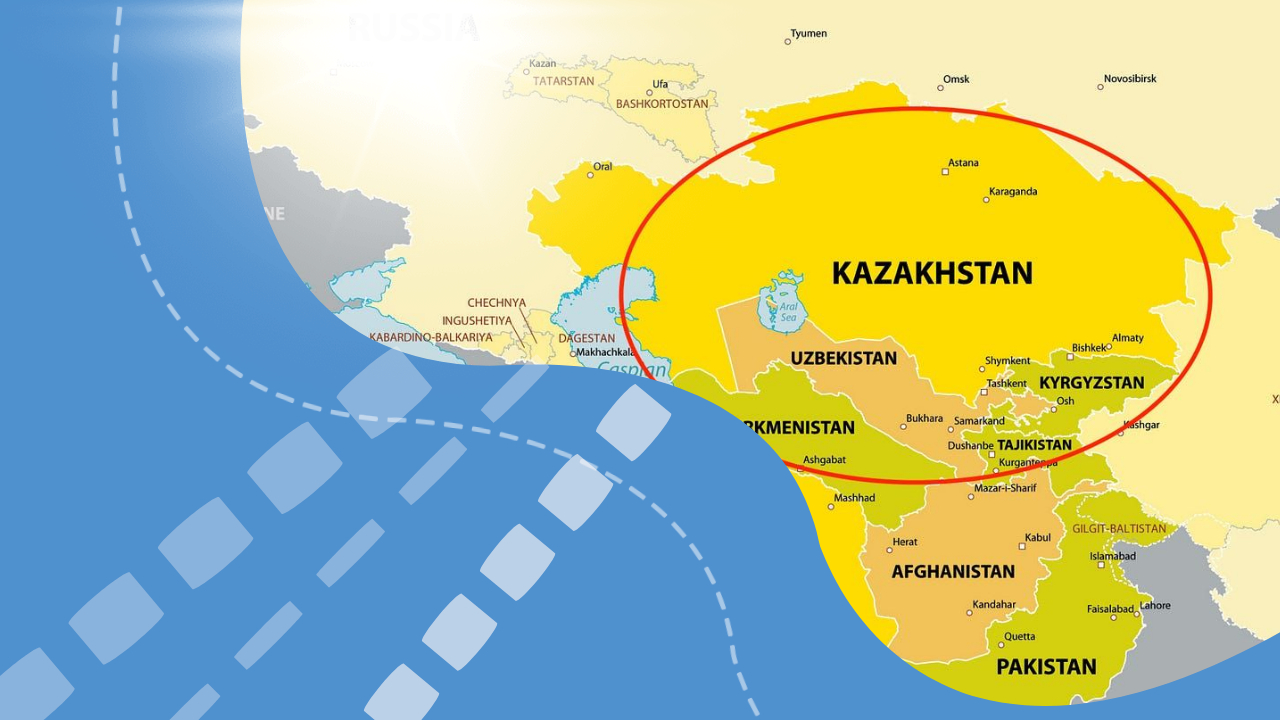
    The Ministry of Industry and Infrastructure Development of the Republic of Kazakhstan has mandated domestic raw material producers to supply the necessary volumes of products to enterprises in the processing industry. This decision comes in response to the ongoing challenge of raw material shortages faced by Kazakh metallurgists, primarily due to exports. On average, around 87% of primary metals were shipped to other countries, exacerbating the deficit domestically. It is expected that the amendments introduced in May will alleviate this issue, ensuring that domestic industrial enterprises are adequately supplied with raw materials. Additionally, these measures aim to replenish the domestic market with finished products and enhance Kazakhstan’s export potential. By 2029, Kazakhstan intends to increase lead and aluminum processing by four and five times respectively, while copper processing is projected to increase thirteenfold by that time.

  • Prime Minister of Kyrgyzstan Visits Kumtor Gold Mine, Emphasizes Importance of Mining Operations

    Prime Minister of Kyrgyzstan Visits Kumtor Gold Mine, Emphasizes Importance of Mining Operations

    During a working trip to the Issyk-Kul region, Prime Minister and Head of the Presidential Administration of the Kyrgyz Republic, Akylbek Japarov, familiarized himself with the activities of the closed joint-stock company “Kumtor Gold Company.” A meeting was held with the management of the Kumtor enterprise, where Prime Minister Japarov emphasized the crucial importance for the state to ensure uninterrupted and efficient operation of the mine, as well as the fulfillment of all planned objectives. He then visited the machinery workshop of the enterprise to inspect the assembly of new excavators and refueling stations. The project for the automation of oil storage facilities and refueling stations at Kumtor allows for meticulous control over fuel consumption. Currently, over 800 different vehicles, machinery, and equipment are utilized to ensure uninterrupted mining at the site. Prime Minister Japarov also visited the main quarry of Kumtor, where mining operations are in full swing, including the implementation of an underground gold mining project. It’s worth noting that in February of this year, the underground gold mining project at the Kumtor deposit was launched, aiming to extract around 115 tons of gold. During the inspection of the gold mining plant, it was noted that new equipment has been installed, similar to an X-ray machine, enabling proper control of entries and exits from the plant premises. Additionally, it was announced that gold extraction from ore waste located in the mine’s tailings facility is planned to commence in 2026. Preliminary estimates suggest this could yield an additional 120 tons of gold. Furthermore, the 2023 results revealed that 13,567 tons of gold were extracted from the Kumtor deposit, with the company’s total revenue amounting to $848 million USD, and a net profit of $302.5 million USD. Prime Minister Akylbek Japarov, having familiarized himself with the Kumtor mine operations on-site, highlighted significant changes occurring for the state following Kumtor’s transition. Notably, last year, the country’s budget received 17.2 billion soms in taxes, social payments, and other fees, with over 99.9% of the workforce comprising local specialists.

  • German Investor Boosts Stake in Impact Minerals Amidst Funding for Drilling Project

    German Investor Boosts Stake in Impact Minerals Amidst Funding for Drilling Project

    Susanne Bunnenberg, a German investor, has expanded her ownership in Impact Minerals, an Australia-based rare earths exploration company. She acquired an additional 450.2 million shares, totaling A$460,169, thereby increasing her stake from 15.83% to 16.85%. This stake increment coincides with Impact Minerals securing a $180,000 grant from the Western Australian government. The grant is designated for drilling activities at the Caligula copper target within Impact’s wholly owned Arkun Project, as reported by mining.com.au. The drilling initiative encompasses 40 boreholes spanning 2,000 meters and aims to investigate a rare earths soil geochemistry anomaly at the Hyperion site.

  • International Conference Addresses Water Deficit in Central Asia

    International Conference Addresses Water Deficit in Central Asia

    The city of Bishkek hosted an international conference titled “Water Deficit in Central Asia: Ways to Address Water Issues at Regional and International Levels.” Participants delved into pressing issues surrounding water scarcity in the region and explored prospects for resolution through interstate cooperation. Marat Imankulov, Secretary of the Security Council of the Kyrgyz Republic, highlighted the grim consensus among experts and international organizations, projecting a global water scarcity crisis within the next 25-30 years. By 2050, the planet may possess adequate hydro resources to sustain a population of nine billion, but their distribution will be uneven. Excessive environmental degradation and climate change will diminish water availability in many developing nations. According to UN reports, failure to conserve water resources promptly could leave over 5 billion people water insecure by 2050. World Bank analysts predict that by 2050, amidst a population surge in Central Asia to 90 million, water deficit may reach 25-30%. Moreover, the demand for water resources in agriculture could surge by 30% by 2030. Currently, Kyrgyzstan grapples with key challenges, including the reduction of accessible clean drinking water, significant wear and tear of water infrastructure, transboundary water management issues, and incomplete reforms in water governance.

  • Prime Minister of Kyrgyzstan Visits Kumtor Gold Mine

    Prime Minister of Kyrgyzstan Visits Kumtor Gold Mine

    During a recent working trip to the Issyk-Kul region, Akylbek Japarov, the Prime Minister and Head of the Administration of the President of the Kyrgyz Republic, visited the operations of the closed joint-stock company “Kumtor Gold Company.” The Prime Minister toured the plant’s machinery workshop, where he inspected the assembly of new excavators and refueling stations. Currently, the mine utilizes over 800 various types of transportation vehicles, machinery, and equipment. Japarov also visited Kumtor’s main quarry, where a project for underground gold mining has been underway since February of this year. According to estimates, the project aims to extract approximately 115 tons of gold. As reported by the cabinet, gold extraction from the mine’s ore waste, located in the tailings facility, is planned to commence from 2026. Preliminary calculations suggest an additional yield of 120 tons of gold through this initiative. In 2023, Kumtor mine yielded 13,567 tons of gold, generating a total revenue of $848 million with a net profit of $302.5 million.

  • Xanadu Mines Director Foresees Commodity “Supercycle” Amid Copper Price Surge

    Xanadu Mines Director Foresees Commodity “Supercycle” Amid Copper Price Surge

    Colin Moorhead, managing director of Xanadu Mines, has joined the ranks of industry experts foreseeing a potential commodity “supercycle,” as copper prices surge by nearly 15% over the past year. Speaking on the “On the Couch” podcast series dedicated to providing insights into the investment landscape, Moorhead emphasized the enduring significance of copper compared to other commodities.

    Xanadu Mines’ flagship Kharmagtai project, situated in Mongolia, boasts a substantial mineral resource estimated at 1.3 billion tonnes, with copper content at 0.3% and gold at 0.2g/t. Notably, the resource includes 52 million tonnes of oxide material, predominantly within the top 20 meters from the surface.

    The current spot price for copper hovers around $14,700 per tonne, while gold maintains a price of approximately $3500 per ounce.