Polymetal Int’s management has proposed that shareholders refrain from receiving dividend payments for the previous year and has suggested approving a change in the organization’s name to Solidcore Resources plc, as reported by the gold miner’s press center. The disposal of the company’s assets in Russia facilitated debt reduction and increased liquidity. However, it is highlighted that further investments of over $1 billion will be required for prospective projects in Kazakhstan and Central Asia, such as the construction of the Irtysh Hydrometallurgical Plant and M&A activities. Despite these initiatives, challenges remain as geopolitical and macroeconomic conditions are unstable, and access to key sources of debt financing is limited. It is worth noting that Polymetal was officially registered in Kazakhstan in the summer of 2023 following the sale of its Russian business in early spring of the same year. In the 12 months of 2023, the Kazakh metals producer witnessed a 10% decrease in gold equivalent output to 15,116 tons (486 thousand ounces).
Excerpt: Polymetal Int suggests shareholders forgo dividends and approve a name change to Solidcore Resources plc for strategic reasons.
Website: Asia.com
-
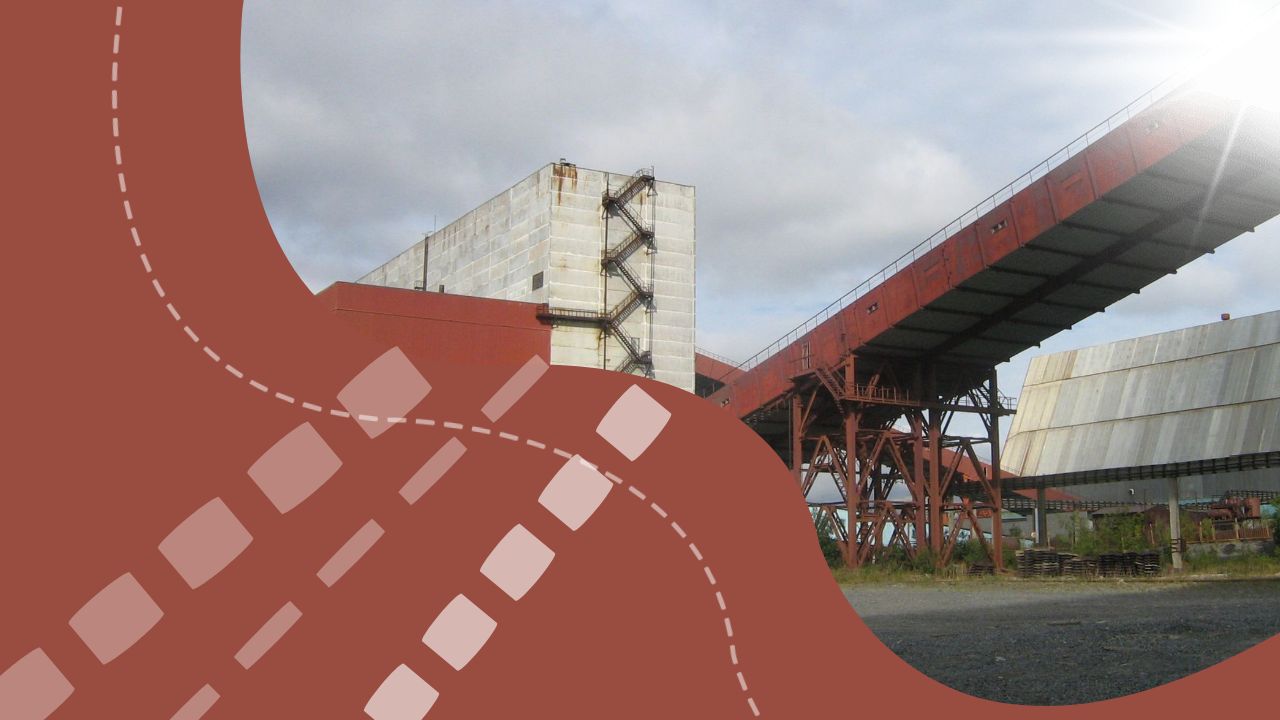
Polymetal Int Recommends Dividend Waiver and Name Change to Solidcore Resources plc
-
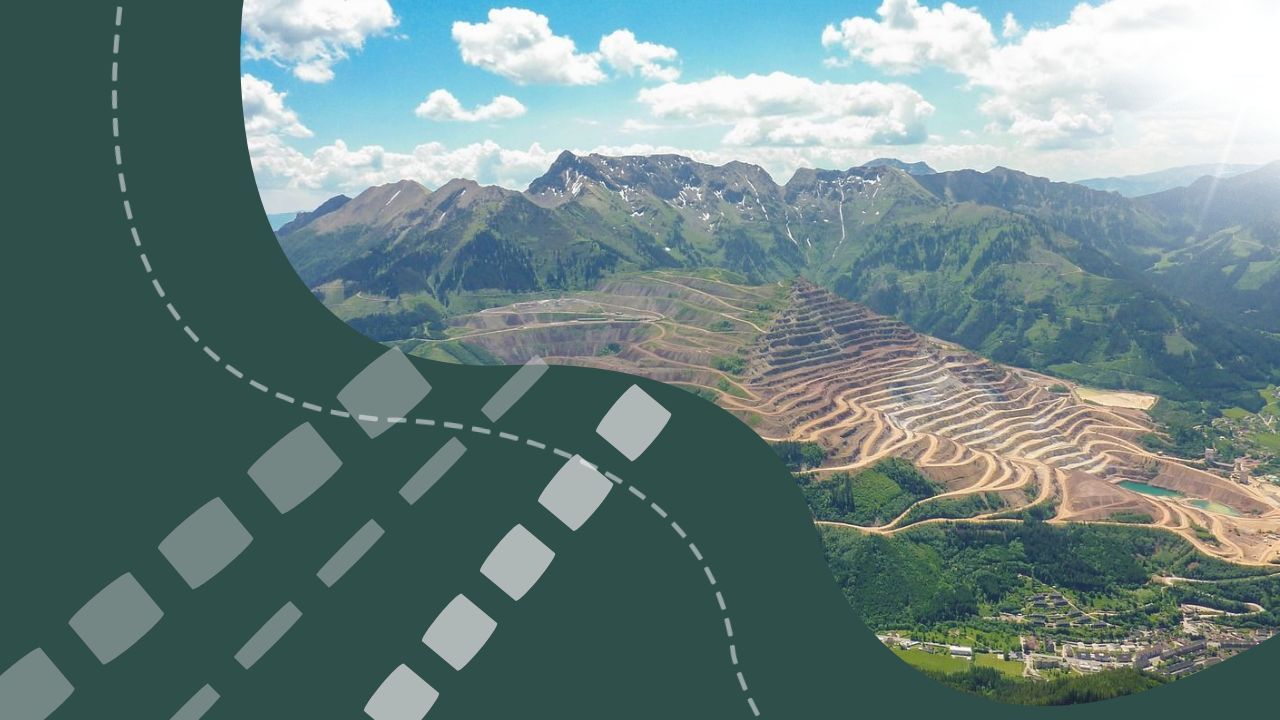
Erdene Resource Development Corp Advances Bayan Khundii Gold Project in Mongolia
Erdene Resource Development Corp (TSX:ERD, OTC:ERDCF) made significant progress in the first quarter of 2024 with the development of its Bayan Khundii gold project in Mongolia in collaboration with the Mongolian Mining Corporation (MMC). Erdene CEO Peter Akerley announced that construction was 15% complete by the end of the quarter, proceeding on schedule and within budget. The project is expected to produce its first gold in the second quarter of 2025, positioning Bayan Khundii as one of the highest-grade open-pit gold mines globally. Akerley emphasized that this project would become Mongolia’s largest primary gold producer, boosting the mining sector’s contribution to the national economy and creating long-term value for Erdene shareholders. Additionally, Erdene launched its 2024 exploration program during the quarter to expand mineralization in the Khundii Minerals District, focusing on the Dark Horse, Ulaan, and Zuun Mod gold and copper targets.
-
Eastern Gold to Develop Rodnikovoye Gold Deposit
Eastern Gold plans to bring the Rodnikovoye gold deposit, part of the Ashaly-Daubai ore field, into industrial production. The company’s mining plan has been published on Kazakhstan’s Unified Environmental Portal. The project documentation indicates that operations will take place at two sites: Belaya Gorka and Rodnikovoye, with extraction of precious metals conducted through open-pit mining.
The balance reserves of the first site include 818,000 tons of oxidized gold-bearing ores and 1.18 tons of gold, with an average gold content of 1.44 g/t. The second site has 1.15 million tons of ore and 1.15 tons of gold, averaging 1.31 g/t. Eastern Gold plans to extract 250,000 tons of ore annually, with the mining operations scheduled from 2024 to 2032.
The chosen method for ore processing is heap leaching. Industrial trials of processing the oxidized ores from Rodnikovoye have shown that with gold content in the raw ore between 0.8-1.3 g/t, the extraction rate of precious metals into the solution is 65%. The final product of the production process will be Dore alloy.
-
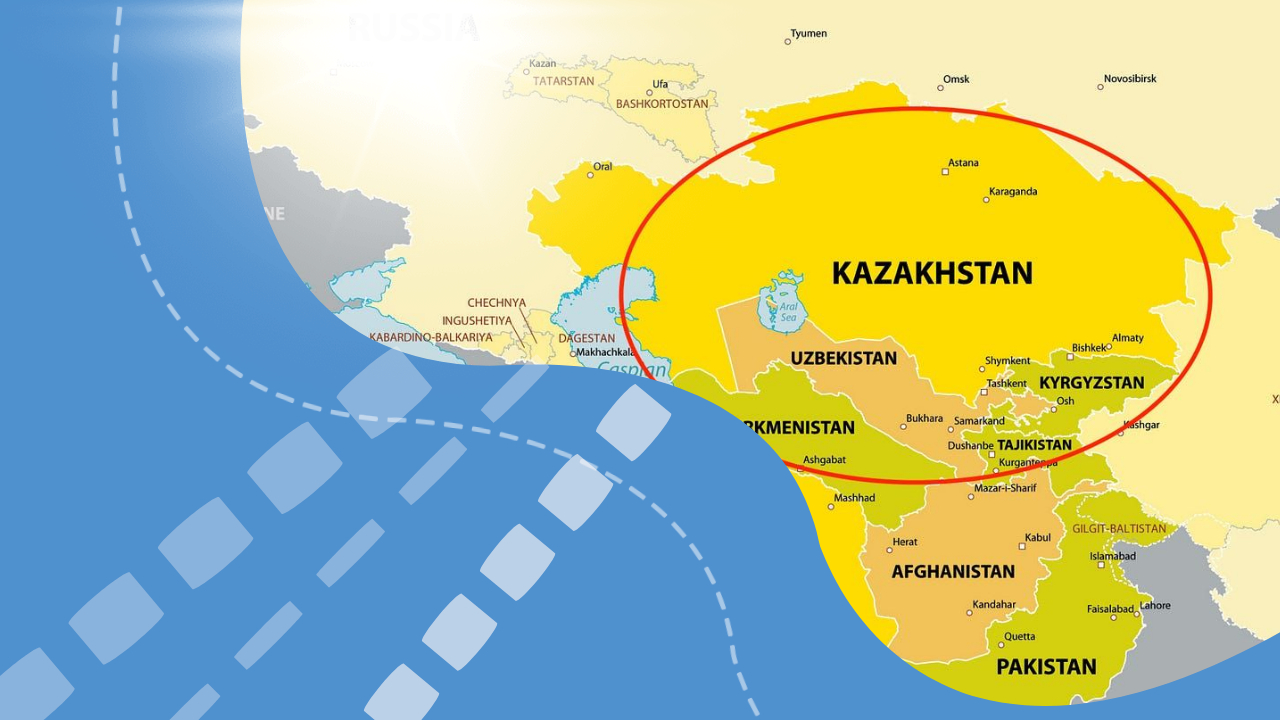
Kazakhstan Proposes to Declassify Rare and Rare Earth Metal Deposits
In Kazakhstan, there is a proposal to declassify certain deposits of rare and rare earth metals, aiming to expedite the development of these valuable resources, according to inbusiness.kz. Experts predict that the demand for rare and rare earth metals, now crucial for many developed countries, will quadruple by 2040. Consequently, the active development of such deposits could significantly boost the nation’s economy.
Deputy Andrey Lukin, who suggested declassifying the deposits, stated that the next step towards successful exploitation could be simplifying the licensing process for exploring Kazakhstan’s subsoil and expanding the areas for geological exploration. Additionally, Mr. Lukin emphasized the need to implement technical and financial support mechanisms for both local and foreign investors, alongside improving environmental standards.
The World Bank reports that Kazakhstan possesses over 5000 unexplored sites with critically important rare metals, with an estimated value exceeding $46 trillion.
-
Chaarat Gold Secures Major Funding for Tulkubash Mine in Kyrgyzstan
Chaarat Gold Holdings Ltd announced on Friday significant progress in securing funding to initiate production at the Tulkubash gold mine in Kyrgyzstan. The company’s shares surged 43% to 4.00 pence each in London following the announcement.
Chaarat Gold, a mining exploration and development company, has entered into a non-binding term sheet with Xiwang International Co Ltd (XWIC) for a USD 150 million funding package. This investment would grant XWIC a 60% economic interest in the Tulkubash project, while Chaarat would retain a 40% stake.
XWIC, an investment company based in the British Virgin Islands and an affiliate of Touchstone Capital Partners, aims to build a substantial portfolio of mining assets globally. This agreement represents a key step in advancing discussions between the parties and sets a clear action plan for a successful transaction.
The completion of this deal would provide full financing for the development and commencement of production at the Tulkubash gold project. It would also enable Chaarat to restructure its existing commitments and lay the groundwork for potential future joint ventures in the gold mining sector.
Chaarat continues to engage with other potential funding sources and plans to enter discussions with convertible bondholders regarding outstanding bonds due for repayment at the end of July. The Tulkubash project has an initial mine life of six years, with significant development potential from additional prospects such as Karator and Ishakuldy. The company aims to extend the total mine life beyond 15 years.
-
Court Overturns Illegal Seizure of Solid Metals’ Property in Kazakhstan
In a landmark decision, the specialized inter-district administrative court of Zhetysu region has annulled two critical resolutions connected to the unlawful seizure of land and assets from the company Solid Metals. On April 9, 2024, the court invalidated the Sarkand district akimat’s Resolution No. 275, which had transferred a land plot granted to Solid Metals for temporary compensated land use into communal property. Additionally, the court overturned the regional coordination council’s decision to revoke the investment status of Solid Metals’ plant construction project.
These resolutions were originally made possible due to a raid in November 2019, facilitated by former Vice Minister of Industry and Infrastructure Development (MIIR) Timur Toktabayev. Toktabayev, later arrested and sentenced to seven years for abuse of office, had acted in the interests of certain entrepreneurs, illegally transferring sites with discovered mineral deposits under the guise of exploration. This led to significant state losses amounting to billions of tenge.
Solid Metals, which had legally acquired 420,000 tons of technogenic mineral formations (TMF) in 2017 and invested heavily in a processing plant, was forcibly evicted from their property by Aksenger Ltd, a company allegedly set up to facilitate this illegal takeover. Despite proving the legality of their acquisition in court, Solid Metals continues to battle for the return of their assets, emphasizing the need for transparent legal proceedings to mitigate external pressures on the judicial process.
-
EBRD and Kazakhstan Collaborate to Modernize Mining Sector
An a significant move to enhance the national mining sector, the European Bank for Reconstruction and Development (EBRD) and Kazakhstan have signed a Memorandum of Understanding (MoU). The agreement, aimed at promoting modernisation and development within the sector, was formalized today by Kazakhstan’s Minister of Industry and Construction, Kanat Sharlapaev, and EBRD First Vice President, Jürgen Rigterink. This partnership will focus on improving governance, transparency, and regulation, adhering to international standards and practices.
The MoU is a crucial element of the EBRD’s strategy for responsible exploration and mining of critical raw materials. It includes the creation of an advanced system for capturing, processing, and disseminating geoscientific documents such as maps and data. Additionally, the initiative aims to develop the legal and regulatory frameworks governing the mining sector.
The signing ceremony was attended by EU Executive Vice-President Valdis Dombrovskis, underscoring the agreement’s importance within the EU-Kazakhstan critical raw materials roadmap and their broader strategic partnership.
-
Chinese Company Expresses Interest in Montenegro’s Berane Coal Mine
An unnamed Chinese company has shown interest in purchasing the coal mine in Berane, a northeastern town in Montenegro, which has been inactive for several years, according to local media reports. Representatives from the Chinese firm have already visited Berane for discussions regarding the potential acquisition, though the current status of the negotiations remains unclear, as per broadcaster RTCG.
Nikola Scekic, head of the mining company, stated, “It is about a serious company that has expressed interest in our mine. We hope that the further talks will result in a good decision.” The Berane coal mine, owned by Serbia-registered company Metalfer, halted production in March 2020 due to the COVID-19 pandemic. Additionally, the mine has been without electricity since November 2022 due to a power substation failure.
In January, Montenegro’s energy ministry announced its goal to restart production at the mine, promising to conduct an economic analysis to determine the best approach. Restarting operations will require new investments and strategic partnerships, with the government needing to evaluate both existing and potential production capacities, energy minister Sasa Mujovic stated.
At its peak, the Berane coal mine employed 150 workers and supported a supply chain of 20 smaller firms, as noted by RTCG.
-
Kazakhstani Deputies Propose Measures to Sustain Mining Towns Amid Resource Depletion
Kazakhstan is home to numerous towns where mining enterprises are the backbone of local economies. However, according to Majilis deputy Ekaterina Smyshlyaeva, approximately thirty mining sites in the country are nearing critical depletion levels, reports kaztag.kz. The closure of these key enterprises would result in significant job losses for a large portion of the population, leading to a downturn in other sectors such as services and small businesses, ultimately causing population decline in these towns and settlements.
To delay the closure of mining operations and proactively prepare new employment opportunities in these monocities, deputies have proposed several measures. They suggest monitoring the extraction levels at mining sites that may cease operations within the next decade and striving to extend the life of valuable deposits. This would require subsoil users to ensure comprehensive processing of extracted minerals, including the utilization of technogenic mineral wastes.
For sites already at critical depletion, the recommended solution is to conduct further exploration to extend their operational life. In areas with low profitability, there is a proposal to expand the application of a special tax regime. Additionally, deputies emphasize the need to address economic diversification in towns and settlements facing the closure of mining enterprises within ten years. This includes preemptively retraining workers who will soon lose their jobs due to the shutdowns.
-
Decarbonizing Asia’s Steel Industry: A Long Road Ahead
According to Reuters, it’s time to scrutinize the feasibility of decarbonizing Asia’s vast and expanding steel sector. Reducing carbon emissions is possible but requires a phased approach over a longer-than-ideal period and only if incentives are provided. The steel industry, the world’s largest industrial source of carbon dioxide emissions, accounts for about 8% of global emissions, making efforts to decarbonize this sector crucial for achieving net-zero carbon goals.
This week, representatives from Asia’s iron ore and steel industries gathered in Singapore, revealing both encouraging and discouraging news about decarbonization efforts. The good news is that nearly every market player, from mining companies to steel mills, is taking the issue seriously, investing time, effort, and capital in finding solutions. The bad news is that achieving net-zero emissions by 2050 in Asia seems unattainable with current and foreseeable technologies.
Another significant obstacle is the current steel pricing structure. There is no real premium for producing low-carbon steel in Asia, and little indication of this changing soon. As it stands, mining companies and steel mills are mainly undertaking decarbonization efforts under voluntary commitments to reduce carbon emissions, driven by shareholder pressure, some government directives, and public demand to mitigate the expected negative impact of climate change.
While this is positive, it means that any costs incurred for decarbonization are effectively excluded from company profits since there is no financial reward for producing cleaner steel in Asia. The challenge is how to implement incentives for decarbonization, from relatively simple and low-cost initial steps to much more complex and capital-intensive ambitions for zero-emission steel production.
One potential approach is a multi-tiered incentive system. For example, the base level of carbon emissions might be set at 2.1 metric tons per ton of steel produced using the current method of smelting iron ore fines in a blast furnace followed by a converter. If a steel plant could reduce emissions by one-third, it might be rewarded with a carbon credit or avoid paying a carbon tax of a set amount per ton of reduced emissions.
Suppose this initial reduction costs $60 per ton, roughly the price of a carbon credit in the European Union. If a steel plant can cut emissions by another third through investments in new processes like using direct reduced iron (DRI) or its transportable equivalent, hot briquetted iron (HBI) in an electric arc furnace (EAF), this reduction could be rewarded with a higher carbon price, say $120 per ton.
The final steps towards fully decarbonizing steel production using green hydrogen to produce HBI, clean electricity to run EAFs, and eco-friendly shipping fuels like methanol for transporting materials might attract even greater carbon credits to offset the substantial capital required to achieve this.
STIMULI NECESSARY
Presentations at this week’s Green Steel Forum in Singapore made it clear: without incentives, only the initial and relatively simple steps towards decarbonization will become a reality. These include maximizing the efficiency of basic oxygen furnaces, increasing the use of higher-quality iron ore and agglomerates like DRI and HBI, boosting the use of recycled steel in EAFs, and decarbonizing iron ore mining by limiting diesel power at remote mines and electrifying vehicles and trains.
The problem is that these efforts are likely to reduce only about 20% of global steel emissions. Further steps include using natural gas to process low-grade iron ore into DRI and HBI for use in more advanced converters or even EAFs, then transitioning this process to green hydrogen. This is where costs become significant, and shareholders are likely to question the benefits.
Ultimately, to push steel decarbonization beyond the low-hanging fruit, a pricing incentive is needed, and the market alone is unlikely to provide this, as costs will likely outweigh climate concerns for most consumers. This necessitates implementing policies like carbon taxes or carbon credits, ideally coordinated across many countries, particularly the largest iron ore exporters—Australia, Brazil, and South Africa—as well as China, which produces half of the world’s steel, and new major producers like India.