Website: Asia.com

  • Kazakhstan to Collaborate with Afghanistan in Geology and Natural Resource Extraction

    Kazakhstan to Collaborate with Afghanistan in Geology and Natural Resource Extraction

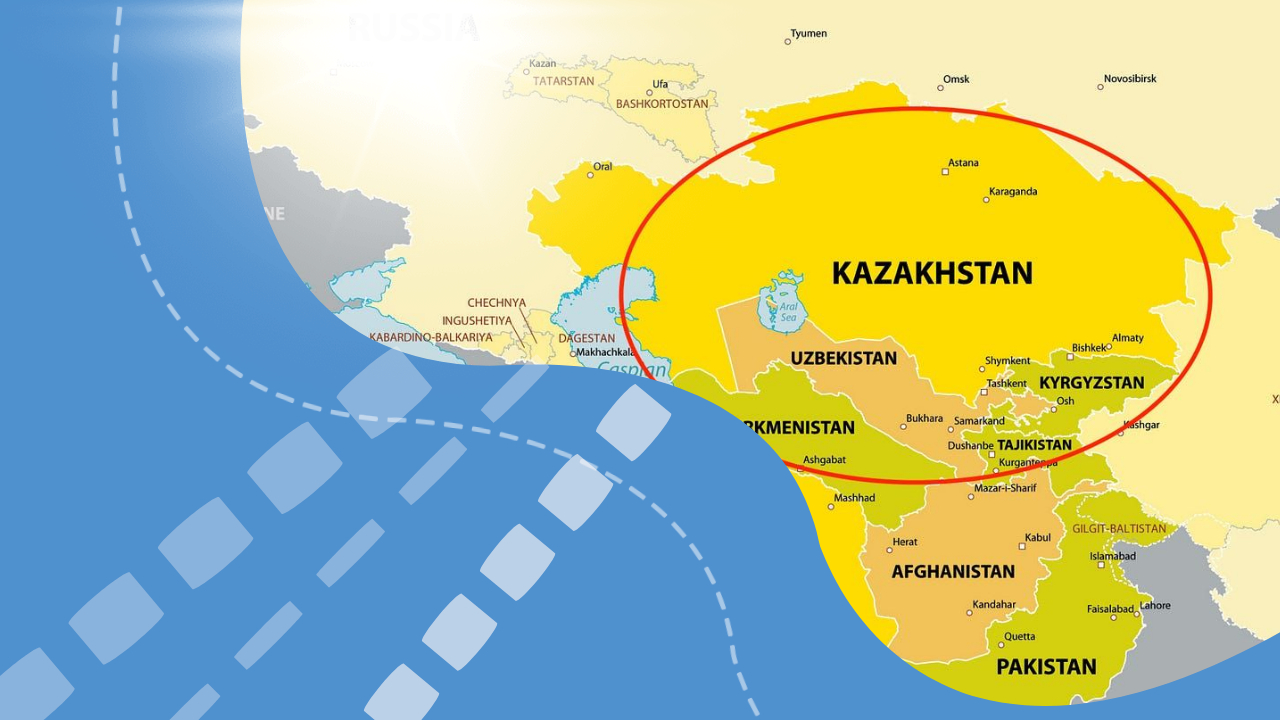
    In a bid to enhance cooperation in the field of geology and natural resource extraction, Kazakhstan announces plans to establish a technical committee comprising domestic and foreign geologists, as reported by the press service of the Prime Minister of the republic. Vice Prime Minister of Kazakhstan, Serik Zhumangarin, engaged in discussions with Afghan counterparts to pave the way for future collaboration. Notably, representatives from Kazakhstani companies such as “Kazakhmys Barlau” and ERG Exploration were also involved in the deliberations.

    Afghanistan’s subsoil is renowned for its wealth in iron and non-ferrous ores, coal, and rare earth minerals. Additionally, the country boasts significant hydrocarbon reserves. It is anticipated that the potential partnership will soon provide Kazakh specialists with maps highlighting prospective areas and documents verifying the presence of mineral resources.

  • Uzbekistan’s Ambitious Rare Earth Investment Plans

    Uzbekistan’s Ambitious Rare Earth Investment Plans

    Uzbekistan is set to make a bold move into the rare earth market with plans to invest $500 million in rare earth projects, aiming to position itself as a major producer in Central Asia. President Shavkat Mirziyoyev unveiled this ambitious endeavor, emphasizing the country’s commitment to developing existing deposits and exploring new ones.

    The mining industry in Uzbekistan has already demonstrated significant economic potential, reaching a production volume of nearly $11 billion last year, primarily driven by precious and non-ferrous metals. However, the focus now shifts towards tapping into the untapped potential of critical minerals, including rare earths. A 2018 study by the U.S. Geological Survey identified 87 deposits of rare earths and rare metals within the country, laying the foundation for Uzbekistan’s strategic investment in this sector.

    The European Union emerges as a potential key market for Uzbekistan’s rare earth exports, aiming to reduce its reliance on rare earth imports from China. Just over a month ago, Uzbekistan signed a memorandum of understanding with the EU on critical raw materials, signaling a promising avenue for future collaboration and trade partnerships.

    Meanwhile, neighboring Kazakhstan, linked to the EU through its own raw materials agreement, has also announced a significant expansion of its rare earth industry. With 15 deposits of rare earth metals and 160 rare earth element-bearing mineral occurrences, Kazakhstan presents formidable competition in the regional rare earth market.

  • Central Asia’s Green Energy Revolution: Unveiling Turkmenistan’s Potential

    Central Asia’s Green Energy Revolution: Unveiling Turkmenistan’s Potential

    Central Asia is experiencing a surge in green energy investments, with recent weeks marking a significant turning point in the region’s renewable energy landscape. ACWA Power, a prominent Saudi Arabian energy company, made headlines in early March by announcing plans to invest in two wind power plants in Uzbekistan’s Karakalpakstan and Bukhara regions, totaling over 1GW of power capacity. Following suit, Kazakhstan inked agreements for 1GW of wind power development in its Jetisu region, signaling a concerted effort towards sustainable energy initiatives.

    However, it’s the realm of critical raw materials that has garnered the most attention in Central Asia’s green energy transition. Kazakhstan, hailed as a lithium powerhouse, secured agreements worth $500 million from German stakeholders for lithium extraction, with keen interest also emanating from South Korea and China. These investments underscore the pivotal role of the extractives industry in facilitating the global shift towards renewable energy sources and energy storage solutions.

    While Kazakhstan takes center stage, neighboring Turkmenistan emerges as a potential powerhouse in the green energy ecosystem. Acknowledging its rich reserves not only in oil and gas but also in renewables, Turkmenistan is positioning itself as a key player in the transition towards sustainable energy. The recent Turkmen Investment Forum in Paris highlights the nation’s efforts to attract international attention and investment, signaling its readiness to follow Kazakhstan’s trajectory in resource development.

    Despite Turkmenistan’s vast potential, challenges persist, particularly regarding the lack of comprehensive data on reserves, posing risks to investors and hindering investment opportunities. However, Western Turkmenistan, notably the Karabogazgol Bay area, shows promising signs of abundant lithium deposits, along with substantial reserves of iron, copper, and rare earth metals. Geological formations in Southern Turkmenistan also hold significant potential for copper and rare earth materials, essential for electricity grids and digital technologies.

    Approach Recommendations – Stakeholder Map: To unlock Turkmenistan’s potential as a champion in renewable energy and digital materials, several policy recommendations are proposed:

    • Align regulatory frameworks for non-fuel mining with hydrocarbons mining to streamline permit procedures and encourage long-term leasing options.
    • Foster international collaboration with neighboring countries like Uzbekistan and Afghanistan to leverage shared geological formations for critical raw materials.
    • Establish financing mechanisms for sustainable development projects, such as green bonds, to attract investments aligned with economic, environmental, and societal goals.
    • Develop a transparent database of Turkmenistan’s mineral reserves accessible to investors and scientific explorers to enhance investment transparency and promote informed decision-making.
  • Central Asia’s Geological Resources Poised for Global Impact

    Central Asia’s Geological Resources Poised for Global Impact

    Recent developments in geological resource exploration have brought Central Asia to the forefront of global attention. With abundant mineral deposits lying beneath its surface, the region is set to play a pivotal role in the economic and geopolitical landscape. Nations like Kazakhstan and Uzbekistan, long overlooked on the international stage, are now emerging as key players in the supply chain for critical raw materials crucial for the energy transition. The United States has notably extended support to facilitate mineral development in these countries, recognizing their significance in the global shift towards cleaner energy technologies. Rare earth elements, vital components across various industries, have been unearthed in substantial quantities, positioning Central Asia as a crucial hub for future resource extraction. Collaborative efforts between Central Asian governments and organizations like the United States Geological Survey are underway to map out and exploit these diverse mineral deposits. While Kazakhstan leads the region in rare earth reserves, other nations like Tajikistan and Uzbekistan are yet to fully explore and harness their geological potential.

  • UN Launches Panel to Address Critical Energy Transition Minerals

    UN Launches Panel to Address Critical Energy Transition Minerals

    UN Secretary-General António Guterres has announced the formation of a Panel on Critical Energy Transition Minerals, recognizing the escalating demand for minerals vital to renewable energy technologies. Co-chaired by Ambassador Nozipho Joyce Mxakato-Diseko of South Africa and Director-General for Energy Ditte Juul Jørgensen of the European Commission, the panel aims to establish global principles to ensure environmental and social standards, equity, transparency, sustainability, and human rights in the minerals value chain.

    Speaking at the panel’s launch, Secretary-General Guterres emphasized the importance of managing critical minerals responsibly in the transition to renewable energy, particularly for developing countries. He stressed the need to ensure that the renewables revolution advances with justice, benefiting all stakeholders, especially marginalized communities.

    Ambassador Mxakato-Diseko commended the Secretary-General’s initiative, highlighting the panel’s alignment with sustainable development goals and climate agreements. She emphasized the objective of building trust and certainty to unlock the potential of critical minerals for shared prosperity while leaving no one behind.

    Director-General Jørgensen underscored the urgent need for a fair and transparent approach in the global minerals value chain to meet ambitious renewable energy goals. She expressed her commitment to developing principles that uphold sustainability and human development standards, both globally and locally.

    Critical energy transition minerals such as copper, lithium, nickel, cobalt, and rare earth elements are essential for achieving the targets set at COP28 and limiting global warming to 1.5°C. Without a significant increase in the supply of these minerals, the transition to renewable energy will face significant hurdles.

    While developing countries with abundant mineral reserves have the potential to drive green economic growth, proper management is crucial to avoid perpetuating commodity dependence and exacerbating environmental and social challenges. The panel aims to address these issues by providing globally agreed guidance for responsible and fair value chains.

  • Kazakhstan Takes Measures to Enhance Workplace Safety and Reduce Work-Related Injuries

    Kazakhstan Takes Measures to Enhance Workplace Safety and Reduce Work-Related Injuries

    Kazakhstan witnesses over 1400 workplace accidents annually, with more than 200 resulting in fatalities. Among the various sectors of the Kazakhstani economy, the mining and metallurgical complex reports the highest number of casualties at 21.3%, followed by the construction industry at 10%, according to data from the Ministry of Labor and Social Protection cited by inbusiness.kz.

    More than 519,000 workers are employed in hazardous working conditions, with every third worker (37%) exposed to elevated levels of noise and vibration, every fourth worker (25%) operating in areas with increased gas and dust concentrations, and every eighth worker (13%) enduring unfavorable temperature conditions. Additionally, over 107,000 individuals (21%) are engaged in strenuous physical labor.

    In 2023, based on assessment results, 697,000 workers received various compensations for working in hazardous conditions, with employers allocating 255 billion tenge, a 23% increase from the previous year.

    Over the past five years, governmental and employer-initiated measures have contributed to a reduction in the rate of occupational injuries (frequency rate per 1,000 workers) from 0.23 to 0.21.

    Efforts towards ensuring healthy and safe working conditions in Kazakhstan continue with a comprehensive approach. In 2023, law enforcement agencies received 1055 reports on workplace accidents, resulting in 149 criminal cases being initiated.

    To evaluate actual workplace conditions, over 10,000 industrial facilities underwent assessment, while 3214 enterprises across the country implemented safety and labor protection standards to prevent violations.

    Since 2019, Kazakhstan has actively promoted the Vision Zero Concept, aiming for zero accidents. Currently, 536 national enterprises have joined this initiative, with 258 Kazakhstani enterprises adopting a vertical control model to ensure safety standards in subcontracting organizations within the construction sector.

    To further enhance social protection mechanisms for workers employed in hazardous conditions, special social payments were introduced from January 1, 2024, following the president’s directive. Nearly 6,000 workers have transitioned out of hazardous working environments and are receiving these special social payments.

    The Ministry of Labor and Social Protection of the Population of Kazakhstan aims to significantly reduce the number of hazardous workplaces and decrease the level of occupational injuries. Last year, the government approved the Safe Labor Concept until 2030, outlining plans for modernizing the national occupational safety management system, incentivizing measures to reduce professional risks, advancing professional competencies and scientific potential in labor protection, and improving the effectiveness of control and monitoring in the field of labor protection.
  • Deputy Raises Concerns Over Support for Domestic Producers in Kazakhstan

    Deputy Raises Concerns Over Support for Domestic Producers in Kazakhstan

    During a plenary session of the Mazhilis, Deputy Bolatbek Nazhmitdenuly addressed issues regarding supporting businesses through state procurements and purchases from quasi-governmental sectors and subsoil users from domestic manufacturers, as reported by inbusiness.kz.

    He revealed that the total amount of purchases in Kazakhstan currently stands at around 23-24 trillion tenge. Nazhmitdenuly pointed out discrepancies in government data, stating that while the Ministry of Industry and Infrastructure Development claims the state controls nearly 60% of purchases, other sources suggest it may be as low as 20%. He criticized the validity of the ST-KZ certificate and industrial certificate, questioning the effectiveness of government approaches.

    The deputy also sought clarification from officials on the criteria for inclusion in the registry of domestic producers and how to ensure only conscientious producers are listed.

    In response, Minister of Industry and Infrastructure Development Kanat Sharlapayev acknowledged the challenges in distinguishing between counterfeit producers and genuine Kazakhstani enterprises. He highlighted the need for modernization in the selection process and proposed adopting digital methods, drawing parallels with credit checks conducted by banks.

    Sharlapayev emphasized the importance of leveraging available data, suggesting that criteria such as electricity consumption could indicate manufacturing activity. He advocated for the involvement of industry associations in validating producer status and stressed the responsibility of government agencies in managing the registry.

    Furthermore, Sharlapayev outlined the importance of long-term contracts with producers, linking them to commitments for increased localization, improved employee income levels, and production expansion.

  • Modern Approaches Revolutionize Geological Exploration, Highlighted at Astana Forum

    Modern Approaches Revolutionize Geological Exploration, Highlighted at Astana Forum

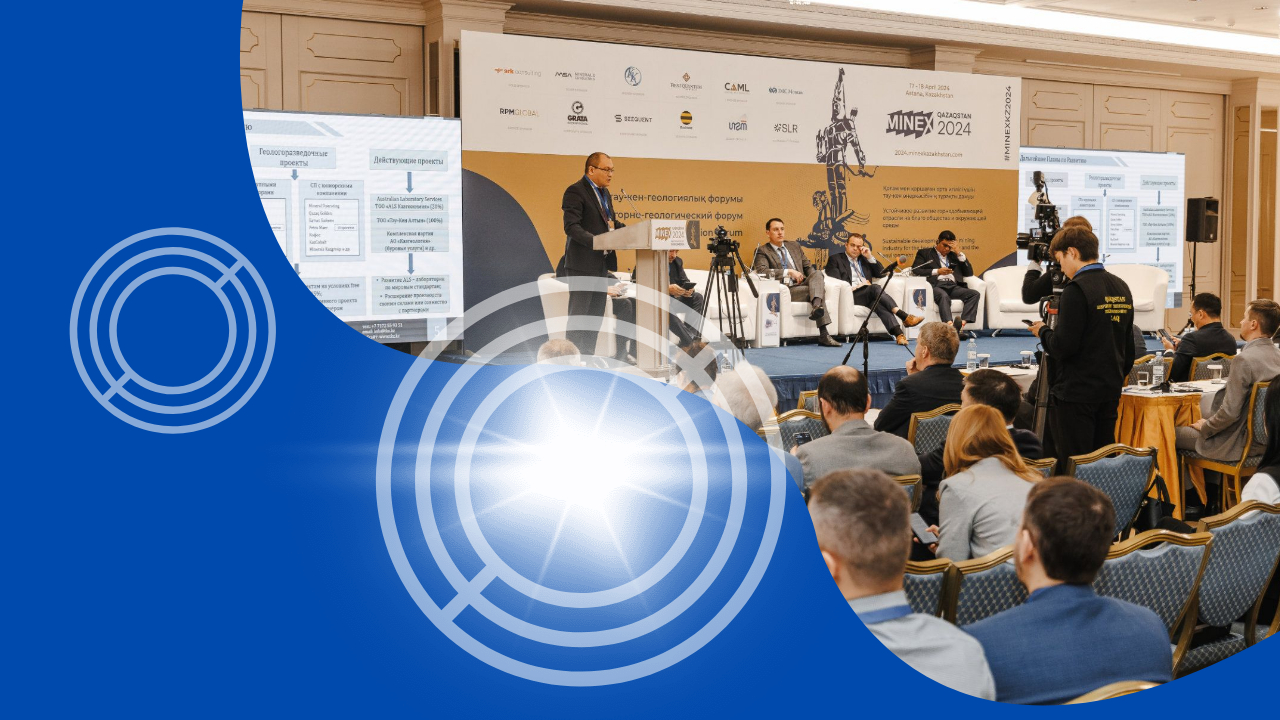
    Modern geologists are no longer solely reliant on physical surveys for discovering new deposits, as the integration of drones and digital technologies has become commonplace. Russian scientists recently shared insights at the Astana forum on how they unearthed the world’s largest gold-copper asset – the Malmyzhskoye deposit, as reported by IA El.kz. During the 14th MINEKS Kazakhstan Mining and Geological Forum held in Astana, the Institute of Geotechnologies (IGT) presented an overview on digitalization in geological exploration. Executive Director of IGT, Dmitry Agapitov, highlighted the evolution of exploration methods over the past 120 years, starting from 1900. He referenced academician Sergey Smirnov’s conclusion in 1946 that easily accessible deposits were nearly exhausted, leaving only challenging ore bodies. Agapitov emphasized the inherent risks in geological exploration at every stage, encompassing geological, logistical, infrastructural, environmental, marketing, market situation, and legal aspects. He underscored the observable trend: the later an investor decides to enter a project, the higher the “cost” of entry, making subsequent work more expensive. Agapitov summarized that junior companies often have inflated expectations, relying on abstract or imprecise resource assessments, and tend to underestimate the importance of archival materials. Moreover, he pointed out the common issue of stage bypassing in exploration, which leads to subsequent error correction efforts. Inadequate qualification of personnel is also a recurring risk, with experts asserting that this issue extends beyond Russia and Kazakhstan, permeating the global geological exploration sphere. Despite the labor market’s mobility, the problem persists, with professionals transitioning between legal jurisdictions, indicating a global challenge. Another issue is the occasional disregard for modern technologies, particularly among junior companies attempting to cut corners, resulting in decreased project attractiveness and indecision in investment decisions.

  • President Shavkat Mirziyoyev Addresses Priorities in Geological and Mining Industries

    President Shavkat Mirziyoyev Addresses Priorities in Geological and Mining Industries

    President Shavkat Mirziyoyev convened a meeting on April 29 to discuss objectives within the realm of geology and the mining-metallurgical industry in Uzbekistan. The domestic geological sector receives an annual allocation of one trillion sum, with last year’s production volume in the mining industry reaching nearly $11 billion through the implementation of targeted programs, as outlined in a recent report. However, the majority of this volume pertains to precious and non-ferrous metals, indicating significant untapped potential in critical industrial minerals. Notably, the country has identified 32 such valuable minerals. Given this context, directives were issued during a presentation on January 15 to harness opportunities in this sphere. Measures, plans, and proposals were deliberated during the recent meeting. Global technological advancements have led to increasing demand for rare-earth metals in electric vehicle, green energy, and electrical industries, consequently driving up prices for molybdenum, tellurium, selenium, and graphite on the global market in recent years. President Mirziyoyev emphasized the burgeoning opportunities, stressing the need to expand exploitation of existing and exploration of new critical resource deposits. Currently, Uzbekistan extracts six types of such resources. However, there is potential to derive high-value-added products from platinum, indium, vanadium, as well as minerals containing tungsten, molybdenum, rhenium, zinc, and manganese. Efforts could lead to the establishment of previously non-existent powder metallurgy production worth $300 million annually and equipment and components sector worth $100 million annually. A recent agreement with the European Union on critical resources opens broad access to this significant market. Given these developments, officials have been tasked with formulating a program for prospective projects amounting to $500 million in rare-earth metals, involving foreign experts and investors. Emphasis was placed on developing this sector with a scientific approach, establishing a project office for this purpose, and engaging leading institutes and scientific centers. Additionally, discussions at the meeting encompassed strategies to increase precious metal extraction at the Navoi Mining and Metallurgical Combine. Officials presented opportunities for further increasing both reserves and gold production volumes. President Mirziyoyev instructed to reduce production costs at the combine by 10-15%, expand industrial cooperation and localization, and establish a Scientific Center for Advanced Technologies in Precious Metals.

  • Severe Storms Disrupt Uranium Mining Operations in Southern Kazakhstan

    Severe Storms Disrupt Uranium Mining Operations in Southern Kazakhstan

    Recent severe storms in southern Kazakhstan have caused significant disruptions to operations at various uranium mines, including the vital Inkai mine and processing complex, as outlined in a report by Global X ETFs. These disturbances have led to logistical challenges, particularly in the delivery of reagents, consequently impacting production at the Inkai facility. Despite uranium spot prices stabilizing below $100, attributed to factors like utilities’ purchasing hiatus and profit-taking by hedge funds, prices have remained at levels unseen in 16 years, according to Global X ETFs. The market’s resilience is partly bolstered by government support for nuclear energy, with expansion initiatives announced by countries like Ukraine and Serbia. The flooding, primarily in the region where Kazatomprom operates, Kazakhstan’s leading uranium producer, has intensified supply constraints. Melting snowstorms have further impeded operations at several uranium mines, including the Inkai mine and processing complex. Joint Venture Inkai, managing the Inkai project in partnership with Cameco and Kazatomprom, has been notably impacted by the disruptions. Hindered reagent deliveries have disrupted production activities. However, a return to normal operations at the Inkai facility is anticipated within three months upon the restoration of access roads. Questions have arisen regarding the accuracy of the report’s information, particularly concerning discrepancies in dates. This raises concerns about potential oversights during research or misinterpretation of data by the author. In addition to the uranium mining disruptions, severe flooding has ravaged parts of Kazakhstan and Russia, notably in the Ural Mountains and Siberia. The collapse of the Orsk Dam has resulted in at least eight fatalities and extensive damage, covering an area comparable to western Europe. While flood relief efforts have made significant strides, thousands remain displaced, with ongoing evacuations and housing challenges persisting in affected regions.