Website: Asia.com

  • Tajik Metallurgical Plant to Build Iron Production Facility Under Import Substitution Program

    Tajik Metallurgical Plant to Build Iron Production Facility Under Import Substitution Program

    ZAO Tajik Metallurgical Plant has signed an agreement with the government of Tajikistan to construct a new iron production facility, according to the Committee for Investments and State Property Management. The project will be implemented in several stages, with the first phase scheduled to come on stream in 2027 and the second to be completed by 2031.

    Once fully operational, the plant is expected to process up to 2.5 million tons of iron ore annually, producing around 1.1 million tons of iron concentrate. The project may also allow for the extraction of associated by-products.

    The source of raw materials has not been specified, though the Tajik Metallurgical Plant is located in the Sughd region, which is known for its rich iron ore resources. The area hosts the large Chokadambulak iron-bismuth deposit as well as other promising sites, including Tutli Kuduk.

    The investment project will be financed exclusively with domestic funds and is classified as part of Tajikistan’s import substitution program. At the same time, the company plans to supply iron ore concentrate not only to the domestic market but also for export.

    During the first stage of the project, the company expects to create about 1200 new jobs, with more than 800 additional positions to be added after the final launch.

    The announcement follows the recent commissioning of another metallurgical facility in Tajikistan, Aluminium Avvalin, which was launched last week.

  • Steppe Gold Raises Production Forecast, Announces New Auditor

    Steppe Gold Raises Production Forecast, Announces New Auditor

    Ulaanbaatar, Mongolia – December 9, 2025 – Steppe Gold Ltd. (TSX: STGO) (OTCQX: STPGF) (FSE: 2J9) (“Steppe Gold”) today announced a significant upgrade to its fourth-quarter production guidance for the Boroo Gold mine, alongside a change in its external audit firm.

    Following strategic fleet upgrades implemented throughout 2025, coupled with focused maintenance and recovery efforts following a period of downtime in the third quarter, the Boroo Gold mine has demonstrated a remarkable turnaround. As a result, Steppe Gold now anticipates overall fourth-quarter production to surpass 23,000 ounces of gold, a considerable increase from the previously projected 15,000 ounces.

    With the processing of finished goods from September 30, 2025, completed in October, projected sales for the quarter are expected to exceed 30,000 ounces. Looking ahead, the Company projects full year production for the Group – encompassing all of Steppe Gold’s subsidiaries – to reach 70,000 ounces.

    Furthermore, Steppe Gold announced that Kingston Ross Pasnak LLP has resigned as the Company’s auditor, effective December 8, 2025. Emmerich, Córdova y Asociados S. Civil de R.L., a member firm of KPMG International, has been appointed as the successor auditor. This transition was driven by the desire to align the audit relationship with the broader Group and reinforce consistency and transparency across all related entities.

    Importantly, the audit change was executed without any modified opinions or reportable events as defined by National Instrument 51-102 – Continuous Disclosure Obligations (“NI 51-102”). The Board’s decision was reviewed and approved by the Audit Committee and the Board of Directors. All required documentation, including notices of change and supporting letters from both the former and successor auditors, has been filed on SEDAR+.

    Steppe Gold is recognized as Mongolia’s leading precious metals producer.

  • Boliden CEO Says EU Is a Decade Late on Rare Earths as Brussels Fast-Tracks €3 Billion Plan

    Boliden CEO Says EU Is a Decade Late on Rare Earths as Brussels Fast-Tracks €3 Billion Plan

    The head of Swedish mining group Boliden has warned that the European Union should have acted ten years ago to secure its access to rare earths, calling the bloc’s new €3-billion initiative a welcome but insufficient step given China’s dominance of the sector.

    The remarks follow the European Commission’s announcement that it will fast-track funding into 25 key mineral projects, part of a broader push to reduce dependence on Beijing, which processes more than 90% of the world’s rare earths. China has tightened export restrictions this year, further underscoring Europe’s vulnerability.

    Speaking to Reuters, Boliden CEO Mikael Staffas said Europe’s lack of self-sufficiency in critical raw materials has become a structural weakness and warned that progress will remain slow without sustained, decisive action.

    “The Critical Raw Materials Act was a small step,” he said. “The EU will need many more small steps if they want greater independence.” Staffas described the Commission’s latest effort as a sign of political intent, but stressed that “a lot more needs to be done.”

    Europe’s largest copper producer, Aurubis, echoed a similar sentiment this week, saying the CRMA has so far delivered little visible impact despite expectations of long-term benefits.

    Boliden Sees Little Benefit in New Rare Earths Push
    Although Boliden produces minerals on the EU’s priority list — including copper and nickel — none of its current projects fall within the rare-earth-heavy focus of the new initiative.

    “Everyone is talking about rare earths being super critical, and we do not have any projects there,” Staffas said. He added that even the full €3-billion package would amount to only two years of Boliden’s standard investment levels. The company forecast SEK 15 billion ($1.6 billion) in capital spending for 2026.

    Boliden’s Somincor mine extension in Portugal remains listed under the original CRMA strategic project roster, but none of its developments qualify under the new rare earths programme.

    Staffas’s comments underline a core challenge for the EU: while the bloc aims to diversify supply chains quickly, rare earth extraction and processing remain highly concentrated in China, and Europe’s existing mining pipeline is only partially aligned with the areas Brussels is prioritising.

  • Safran Taps UK Researchers to Lead Europe’s Push for Rare-Earth Alternatives Amid Fears of China’s Market Dominance

    Safran Taps UK Researchers to Lead Europe’s Push for Rare-Earth Alternatives Amid Fears of China’s Market Dominance

    French aerospace giant Safran, the world’s largest jet engine manufacturer, has chosen its Pitstone facility in Buckinghamshire to spearhead Europe’s search for alternatives to Chinese-controlled rare earths — critical materials essential for magnets used in electric motors, aircraft systems and green technologies.

    The decision comes as Western governments and companies intensify efforts to reduce dependence on China, which controls roughly 90% of global rare-earth supply and has increasingly used export controls as geopolitical leverage. Beijing’s tightening restrictions — temporarily suspended under a one-year truce brokered between Donald Trump and Xi Jinping — have heightened fears that China could disrupt supply chains for future Airbus and Boeing aircraft, while strengthening its domestic aerospace challenger, Comac.

    Safran chief executive Olivier Andriès said the Pitstone site was selected after developing the world’s first electric motor certified for aviation. The UK team will now focus on identifying substitutes for rare earths such as samarium, a key component of samarium-cobalt magnets used in high-temperature aerospace environments.

    “Electrical motors need magnets and magnets need rare earths, and most of these are coming from China,” Andriès said. “The target we’ve given the team is to find alternative sources of these materials — or even imagine rare-earth-free magnets. We don’t yet know the answer.”

    Andriès emphasised that rare-earth access has become an urgent strategic concern as the aerospace industry advances hybrid propulsion systems for next-generation airliners. Safran already relies on export licences from China to obtain the materials it needs and has built emergency stockpiles, but Andriès warned this is only a temporary buffer.

    “The supply chain has been weaponised — it’s an instrument of power,” he said. “The key point is to find alternative sources in the short term and, in the long term, find ways to deliver the same capabilities without using rare earths.”

    As part of its strategy, Safran will designate the UK as its first research and technology centre outside France, reinforcing the country’s role in the company’s global operations. Safran employs 5,500 people across 14 UK sites, producing components ranging from landing gear and helicopter engines to flight controls and engine casings. Pitstone will also host a new electric-motor assembly line.

    The renewed focus follows a surge in geopolitical competition for critical minerals. In October, the US signed an $8.5bn mining and processing agreement with Australia to expand Western rare-earth capabilities amid fears that China could cut off exports once the temporary truce expires.

    Andriès warned that while China has not yet deployed its dominance as a coercive tool, the risk remains significant: “Today, if China is willing to, they can interrupt the supply of most of the rare earths needed for automotive or aerospace applications.”

  • Central Asia Emerges as a Strategic Critical Minerals Hub, but Investment, Governance and Long Timelines Remain Major Hurdles

    Central Asia Emerges as a Strategic Critical Minerals Hub, but Investment, Governance and Long Timelines Remain Major Hurdles

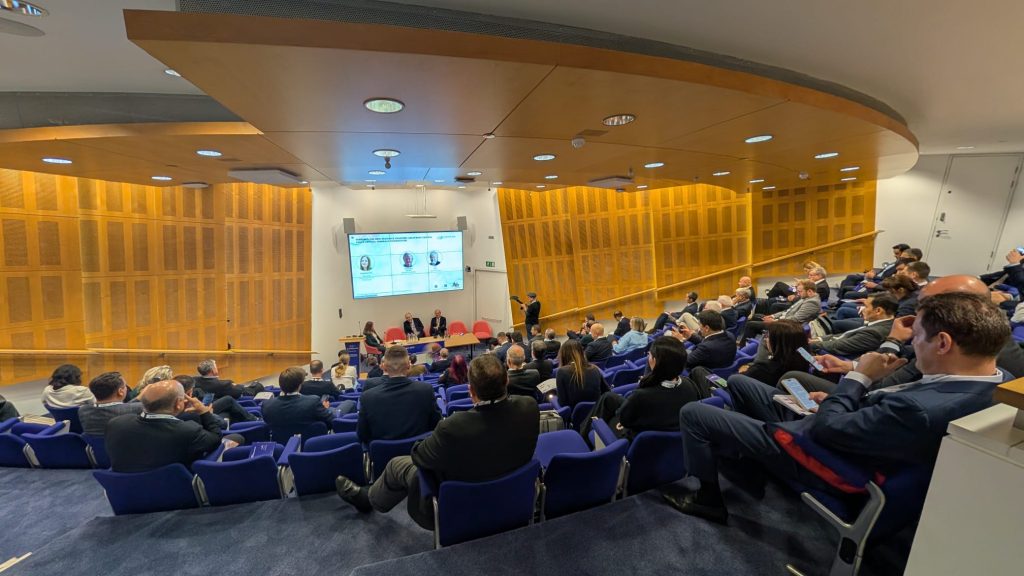
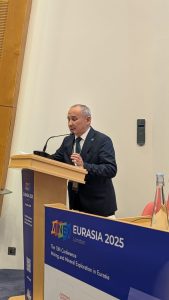
    The opening session of MINEX EURASIA 2025 — “The New Resource Frontier: Unlocking Central Asia’s Critical Minerals Powerhouse” — delivered a clear message: Central Asia has moved from a region of geological promise to a globally contested arena for critical minerals, but a substantial gap remains between ambition and execution. Speakers highlighted that while the region holds world-class deposits of lithium, tungsten, rare earth elements and other strategic minerals, underinvestment, governance challenges and slow project development continue to restrain advancement.

    The session began with a review of the region’s natural endowment. Kazakhstan — the world’s ninth-largest country — dominates regional exploration budgets, yet overall exploration spending across Central Asia remains modest compared with mature mining jurisdictions. Western participation is strikingly low, and despite a handful of standout projects, experts argued that far more risk capital is needed to convert geological maps into operating mines.

    A major theme was the mismatch between political urgency and the slow pace of mine development. Globally, the average time from discovery to commercial production now exceeds 16 years, and Central Asia is no exception. Speakers cautioned that “good geology” alone does not guarantee quick results. Long permitting timelines, regulatory uncertainty, environmental and social assessments and technical complexity remain significant barriers — all of which underscore the need for stable rules and predictable permitting systems to attract investors.

    Governance emerged as a decisive factor in Central Asia’s critical minerals trajectory. Kazakhstan was cited as a regional leader in implementing international-aligned mining reforms, including adoption of the KAZRC reporting code, a national register of qualified persons and a modernised mineral cadastre. Environmental and subsoil reforms are gradually shifting the sector away from legacy “pay-to-pollute” models toward best-available technologies and lower-impact mining. Uzbekistan, meanwhile, is rapidly implementing its own modern mining code and has expanded joint geological initiatives with Kazakhstan, signalling growing regional alignment.

    However, Kazakhstan and Uzbekistan are pursuing distinct strategies. Kazakhstan initially expected private investors to lead in critical minerals but found they instead focused on established copper and gold assets. As a result, the Development Bank of Kazakhstan has launched a multi-year, billion-dollar programme to directly support rare earth and critical mineral projects. Uzbekistan, in contrast, has adopted a state-anchored industrial model through its Technological Metals Company (TMK), which is developing more than 100 projects across 25 minerals. Its plans include large-scale tungsten development, lithium and graphite exploration and integrated upstream–midstream–downstream industrialisation.

    Both countries are shifting from exporting raw concentrates to capturing domestic value. Kazakhstan aims to seed new industries in semiconductors, batteries, permanent magnets and heat-resistant alloys, building on existing capacity such as the Ulba Metallurgical Plant. Uzbekistan’s TMK strategy links mining projects with processing plants, technology parks and industrial clusters — many in partnership with Chinese engineering and mining groups, whose turnkey project delivery capability remains unmatched.

    The geopolitical landscape is increasingly crowded. China remains the dominant external player thanks to long-term planning, Belt and Road infrastructure, strong engineering capacity and patient capital. U.S. engagement is growing, primarily through offtake-driven agreements intended to secure supply for defence and energy industries. The EU is active but constrained by scale and speed of investment, while South Korea, Japan, Türkiye and the UK are carving out niches as specialised technology and standards partners.

    Presentations from the OECD stressed that unlocking Central Asia’s mineral wealth must go hand-in-hand with governance reforms, responsible business conduct and fair taxation frameworks. A multi-year regional programme is now under way to address environmental risks, reduce illicit financial flows and build due diligence systems, with final recommendations expected in 2026.

    The UK outlined its ambition to become a key partner in Central Asia’s critical minerals sector through new bilateral agreements, export credit tools and technical support for responsible mining. Case studies demonstrated British expertise across the full lifecycle — from exploration to mine rehabilitation.

    The session concluded with cautious optimism. Central Asia has firmly entered the global critical minerals spotlight, supported by geological potential, ongoing reforms and geopolitical attention from major economies. But speakers emphasised that turning opportunity into reality will require sustained investment, credible governance, transparent partnerships and a long-term view that balances foreign capital with local development and environmental protection.

  • Europe Scrambles for Rare Earth Alternatives as China Tightens Grip and Global Geopolitics Shift

    Europe Scrambles for Rare Earth Alternatives as China Tightens Grip and Global Geopolitics Shift

    Rare earth elements, once rarely discussed outside technical circles, have become central to geopolitical tensions as China continues to dominate both extraction and refining, as well as the manufacturing of rare earth magnets. Beijing’s decision on 8 October to intensify export controls—issued in response to tightened U.S. restrictions on AI chips—sent shockwaves across global industries that rely on these materials for electric vehicles, turbines, aircraft, semiconductors and advanced weaponry.

    Although the United States has some leverage in the rare earth space, given China’s dependence on imports of high-value American compounds, Washington ultimately agreed to Beijing’s terms during the first Trump–Xi bilateral meeting in Busan on 30 October. The deal secured a one-year truce under which China will continue supplying rare earths. In return, the U.S. will reduce tariffs on Chinese imports and lift export controls on AI chips.

    Europe, by contrast, finds itself with almost no bargaining power. As a heavy net importer with minimal domestic supply of valuable rare-earth compounds, the EU remains acutely vulnerable. Major employers such as Airbus, Vestas, Volkswagen and Europe’s EV manufacturers could face severe disruptions. The same applies to the continent’s re-emerging defence industry. Although Brussels secured the same one-year truce as Washington, European officials acknowledge that the underlying vulnerability remains unchanged.

    Meanwhile, the U.S. has aggressively accelerated efforts to diversify supply. The Trump administration is finalizing agreements with Australia, Malaysia, Vietnam, Brazil and Ukraine, while signing long-term contracts with Solvay’s La Rochelle plant in France — the world’s only refinery capable of producing all 17 rare earths at industrial scale.

    The EU’s progress has been far slower. The 2024 Critical Raw Materials Act set clear targets for 2030 — 10% domestic extraction, 40% domestic processing and 15% recycling — but these goals are widely considered unrealistic without significant investment. Funding remains scarce, and fast-track permitting systems for mining projects have yet to be established. Partnership agreements with Canada, Namibia and Chile exist only on paper, while domestic initiatives such as Sweden’s Norra Kärr, Portugal’s Mina do Barroso and German recycling efforts face regulatory delays and environmental hurdles.

    Japan’s experience offers a cautionary precedent. After China abruptly halted supplies in 2010, Tokyo invested heavily in diversification, striking deals with Australia, Vietnam and Kazakhstan, enhancing recycling and building strategic reserves. Despite this, Japan still imports 62% of its rare earths from China.

    Analysts warn that the EU cannot afford to let the one-year truce lapse without making rapid progress in reducing dependence on Beijing. One promising path lies in deeper cooperation with Japan, which is actively seeking partners to expand the scale of its emerging rare earth production and magnet manufacturing ecosystem. The EU could help by providing stable demand, even at prices higher than Chinese supply, in exchange for access to Japanese technologies and industrial know-how.

    Experts argue that only through joint development of production chains, shared R&D, and coordinated demand can Europe hope to build a viable rare earth ecosystem. Leveraging corporate capabilities on both sides may be essential for Europe to achieve supply resilience in one of the world’s most strategically important material sectors.

  • Kyrgyzstan Unveils Critical Minerals Strategy at MINEX Eurasia Conference in London

    Kyrgyzstan Unveils Critical Minerals Strategy at MINEX Eurasia Conference in London

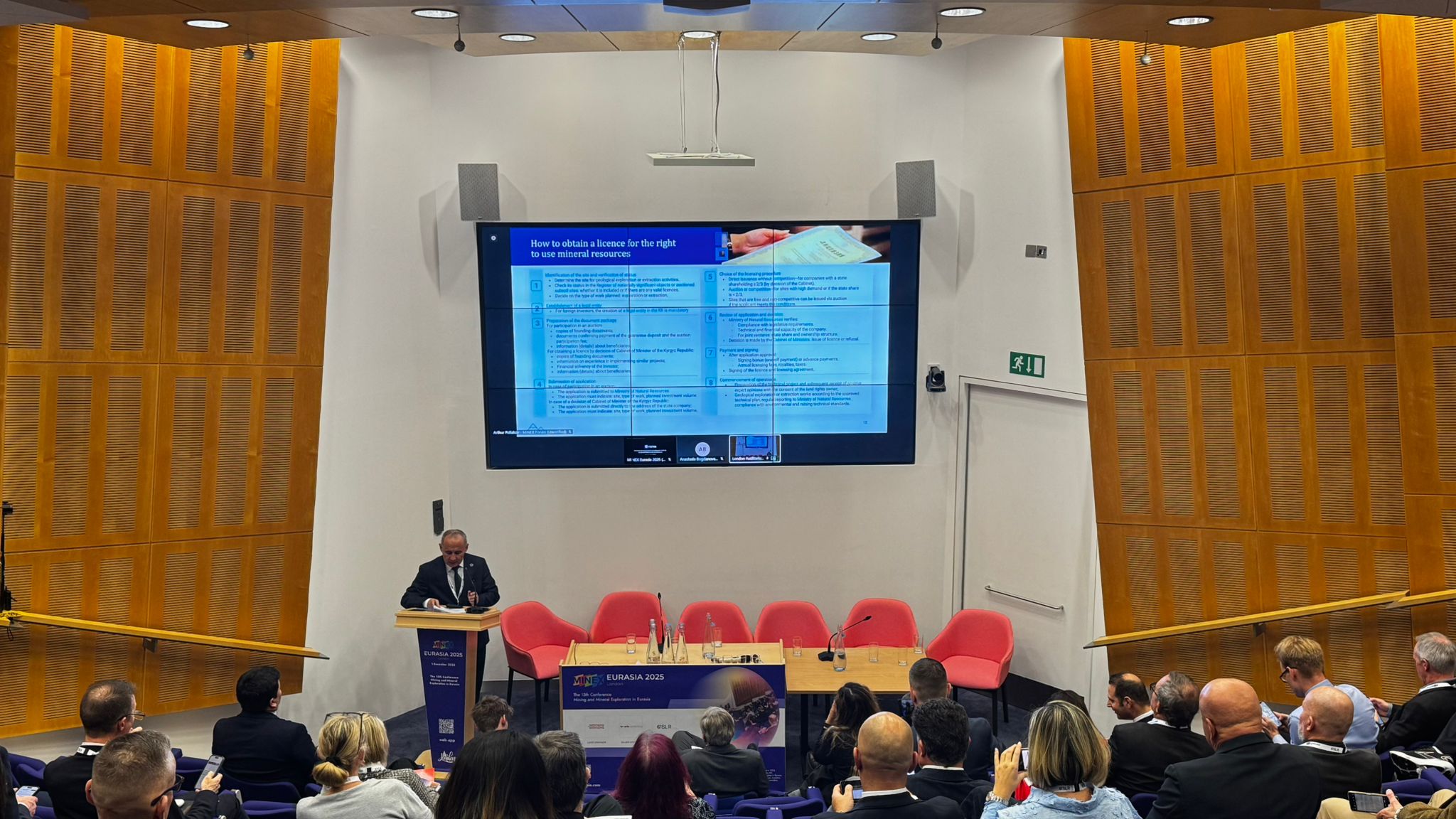
    London, 1 December 2025 – The MINEX Eurasia conference in London hosted a keynote address by H.E. Meder Mashiev, Minister of Natural Resources, Ecology, and Technical Supervision of Kyrgyzstan, outlining the country’s strategic vision for its critical minerals sector.

    Kyrgyzstan’s Strategic Minerals Vision

    The Minister outlined Kyrgyzstan’s methodical approach to prioritising and developing its critical minerals sector, identifying 21 key minerals based on global demand, local deposits, and resource concentrations. Kyrgyzstan’s analysis resulted in the selection of 4 priority projects, 5 promising deposits, and 16 prospective areas for further study and development. These assets, spread across antimony, beryllium, rare earths, molybdenum, bismuth, zinc, silver, and others, offer significant commercial and strategic potential for investors and end-users in energy, electronics, and high-value manufacturing.

    Investment and Development Framework

    State companies, notably Kyrgyzgeology, are driving exploration and project development, supported by government incentives and openness to international partnership. Strategic sites are being actively promoted for joint ventures or direct investment. Major domestic and international firms manage several large sites, while more than 100 mining enterprises operate in the country—spanning gold, copper, and polymetallic ores.

    Tax and Licensing Regime

    The session detailed Kyrgyzstan’s tax policy, which includes a mix of one-time bonuses for mining rights, royalties, profit tax, and VAT. The overall effective tax burden stands between 25–30%, complemented by social and environmental levies such as waste disposal, emissions, and water usage fees. Procedures for subsoil use licensing are harmonized with those in neighbouring countries, with initiatives being considered to simplify the processes and make it more transparent.

    ESG, Transparency, and Sustainable Mining

    Kyrgyzstan’s evolving strategy strongly emphasizes environmental, social, and governance (ESG) standards, aiming to foster responsible mineral development, minimize ecological impact, ensure transparency, and maximize benefits for local communities. The new strategy promotes the deployment of advanced technologies, environmental sustainability, and transparent investment processes, aligning with best practices to attract reliable, long-term partners.

    Opportunities for International Partnership

    Kyrgyzstan welcomes active collaboration with global investors and mining enterprises, seeking to leverage modern mining technologies, improve environmental outcomes, and maximize economic benefits. The country’s critical mineral strategy is closely linked to green growth targets and broader Eurasian supply chain integration.

  • Uzbekistan Positions Itself as a Global Critical Minerals Hub Through New “Mine-Metal-Market” Model

    Uzbekistan Positions Itself as a Global Critical Minerals Hub Through New “Mine-Metal-Market” Model

    Uzbekistan is rapidly emerging as a major industrial force in Central Asia, leveraging its rich geological endowment and newly modernized mineral sector to join the global critical minerals value chain. With the country ranked third worldwide in gold reserves and eighth in copper, but with only one-third of its territory fully explored, officials say the potential for new discoveries remains vast.

    Under President Shavkat Mirziyoyev, Uzbekistan has overhauled its geological and industrial policies, launching modern exploration programs and implementing advanced digital tools such as 3D modeling, JORC-compliant reporting and an updated subsoil management system aligned with international standards. A new law on the use of subsoil resources, which came into force in February 2025, is reshaping the regulatory environment to prioritize sustainability, investor protection and the development of high value-added industries.

    At the center of this transformation is the Uzbekistan Technological Metals Complex (TMK), established in 2024 and tasked with demonstrating the country’s capabilities in critical raw materials and strengthening its role in global markets. TMK operates across the entire value chain — from mining to refined metals to finished industrial products — forming a fully integrated “mine-metal-market” ecosystem that includes exploration, processing, R&D and manufacturing.

    The company is currently advancing more than 100 projects across over 25 strategic raw materials, including tungsten, molybdenum, lithium, cobalt and graphite. As Uzbekistan expands its critical minerals ambitions, TMK has become a focal point of international cooperation, with the country signing strategic agreements with the United States, the European Union, Germany, the United Kingdom, Korea and several Central Asian neighbors. TMK itself now works with more than 50 global companies and has joined nine leading international industry associations, positioning it as an emerging player in shaping global standards and accessing cutting-edge technologies.

    Innovation and education have become key pillars of TMK’s strategy. The company has forged partnerships with top-tier institutions such as MIT in the United States and KU Leuven in Belgium to promote joint research, industrial PhD programs and technology transfer. In 2025, TMK launched the Higher School of Technological Metals — Uzbekistan’s first specialized educational institution meeting international standards for the critical minerals sector — developed in cooperation with the University of Pisa and the China University of Geosciences.

    TMK has also implemented globally recognized compliance and ESG practices, including ISO certifications in anti-corruption, compliance management and environmental management. Its initiatives are showcased at nearly 20 major international forums and exhibitions each year, including the Future Minerals Forum, PDAC and MINEX Europe, as the company seeks to expand engagement with global investors and industry leaders.

    As demand for critical minerals accelerates worldwide, Uzbekistan is positioning itself as a new strategic center anchored by a modern regulatory framework, substantial geological potential and a diversified value chain. Through TMK’s integrated approach and global cooperation network, the country aims to become a stable and reliable partner in the international critical minerals market.

  • Uzbekistan Positions Itself as a Global Tungsten Leader Through Major Expansion of the Technological Metals Complex

    Uzbekistan Positions Itself as a Global Tungsten Leader Through Major Expansion of the Technological Metals Complex

    Uzbekistan is accelerating its ambition to become a major force in the global tungsten industry, with the Uzbekistan Technological Metals Complex (TMK) spearheading a comprehensive value-chain strategy supported by advanced technologies and large-scale mining projects. Tungsten, increasingly regarded as the “energy currency” of the global economy, is essential for sectors including green energy, aerospace, automotive, mechanical engineering, chemicals, and space technologies.

    TMK, established under the initiative of President Shavkat Mirziyoyev, has already become the first plant in Central Asia to join the International Tungsten Association—marking a significant step toward integrating Uzbekistan into advanced industrial supply chains. Today, TMK operates across the full tungsten production chain: upstream, midstream, and downstream.

    Upstream activities include geological exploration and development of key deposits. The flagship Sarikul project in the Samarkand region holds an estimated 30,000 tonnes of tungsten metal and is designed to process up to 1 million tonnes of ore annually. The operation is expected to produce 4,000 tonnes of tungsten concentrate per year—meeting 65% of international quality standards—and sustain up to 20 years of production. Over 400 jobs will be created as part of this project.

    TMK is also boosting tungsten recovery from mining waste at the Ingichka deposit through a partnership with China’s Xinhai, increasing concentrate output to 1,050 tonnes and generating projected revenues of $18.4 million. Additional cooperation with Chinese investor Red Persimmon will expand ore extraction to 900,000 tonnes annually, enabling production of up to 5,040 tonnes of concentrate. A separate joint project with Turkey’s International Gold Madencilik at the Sautbay deposit aims to produce 4,811 tonnes of concentrate.

    Midstream development includes the construction of a new hydrometallurgical facility in the Samarkand region, leveraging engineering expertise from Canada, Australia, Finland, and Turkey. Once completed, the plant will process 5,000 tonnes of concentrate by 2027, scaling to 15,000 tonnes by 2030—bringing the value of processed products to more than $300 million.

    TMK’s downstream operations target high-value finished products that elevate the “Made in Uzbekistan” brand. The company is already producing tungsten briquettes, ingots, carbide drill bits, milling tools, electrodes, and drilling equipment, with production increasingly automated and aligned with ESG and IRMA standards. Finished tungsten products are currently being exported to major industrial markets in Europe and the United States, with expansion into Japan and South Korea underway.

    Upon full implementation of its industrial program, TMK expects tungsten concentrate production in Uzbekistan to rise from 300 tonnes to 14,950 tonnes—an increase of nearly 50-fold. Output of tungsten anhydride will grow from 76 tonnes to 4,860 tonnes, while metallic tungsten production will expand from 58 tonnes to 1,860 tonnes.

    These projects are set to reshape the country’s economic landscape. Investment in the tungsten sector will reach $103.9 million, annual production value will climb from $5.5 million to nearly $280 million, and export volumes will soar from $2.4 million to $181.5 million. More than 5,000 new jobs are expected to be created.

    With these advances, Uzbekistan’s global tungsten reserves share is projected to rise from 2% to 5.1% by 2030, while its share of global tungsten extraction will jump from 0.05% to 14.8%.

    As the world seeks reliable and sustainable sources of critical minerals, Uzbekistan is positioning itself as a transparent, technologically advanced, and trustworthy partner. Through TMK’s fully integrated value-chain model, the country aims to secure a prominent role on the global industrial map and support the future of high-tech and green industries worldwide.
  • Asia United Steel to Launch Rolling Steel Production in Almaty Region by 2027

    Asia United Steel to Launch Rolling Steel Production in Almaty Region by 2027

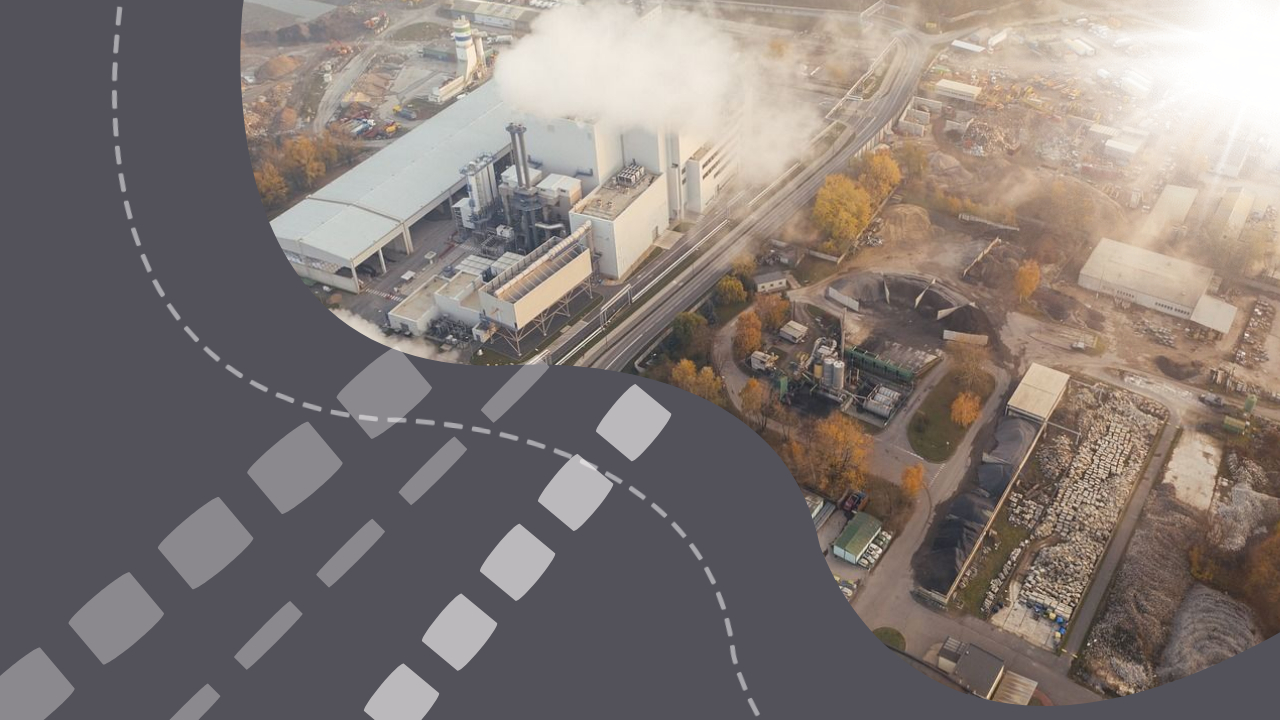
    Asia United Steel is set to invest 289 billion tenge in launching a rolling steel production facility in the Kazbek Bek industrial zone of the Almaty region, according to the regional administration. The company plans to implement the project in three stages using funding from foreign investors.

    The plant is expected to begin operations in 2027, with an annual output capacity of up to 1.2 million tonnes of steel. Once it reaches full capacity, the new Asia United Steel facility is projected to become a major exporter of rolled steel products to Central Asian markets.

    The production site will meet modern environmental standards. In particular, the plant will be equipped with energy-efficient electric furnaces for steel melting. Using electricity instead of coal is expected to significantly reduce environmental impact.

    Located within a designated industrial zone, the facility will have access to essential engineering infrastructure and railway routes capable of handling up to 100 railcars per day.

    Kazbek Bek is one of six industrial zones currently operating in the Almaty region. The total area of the zone is 900 hectares, and accumulated investment has already reached 559 billion tenge.