Website: Asia.com

  • Development Bank of Kazakhstan Transfers Aktogay Project Financing to Halyk Bank Under New Investment Model

    Development Bank of Kazakhstan Transfers Aktogay Project Financing to Halyk Bank Under New Investment Model

    The Development Bank of Kazakhstan (DBK), a subsidiary of Baiterek Holding, has completed a landmark refinancing transaction for the Aktogay mining and processing complex, demonstrating a new model for attracting private capital into large-scale industrial projects.

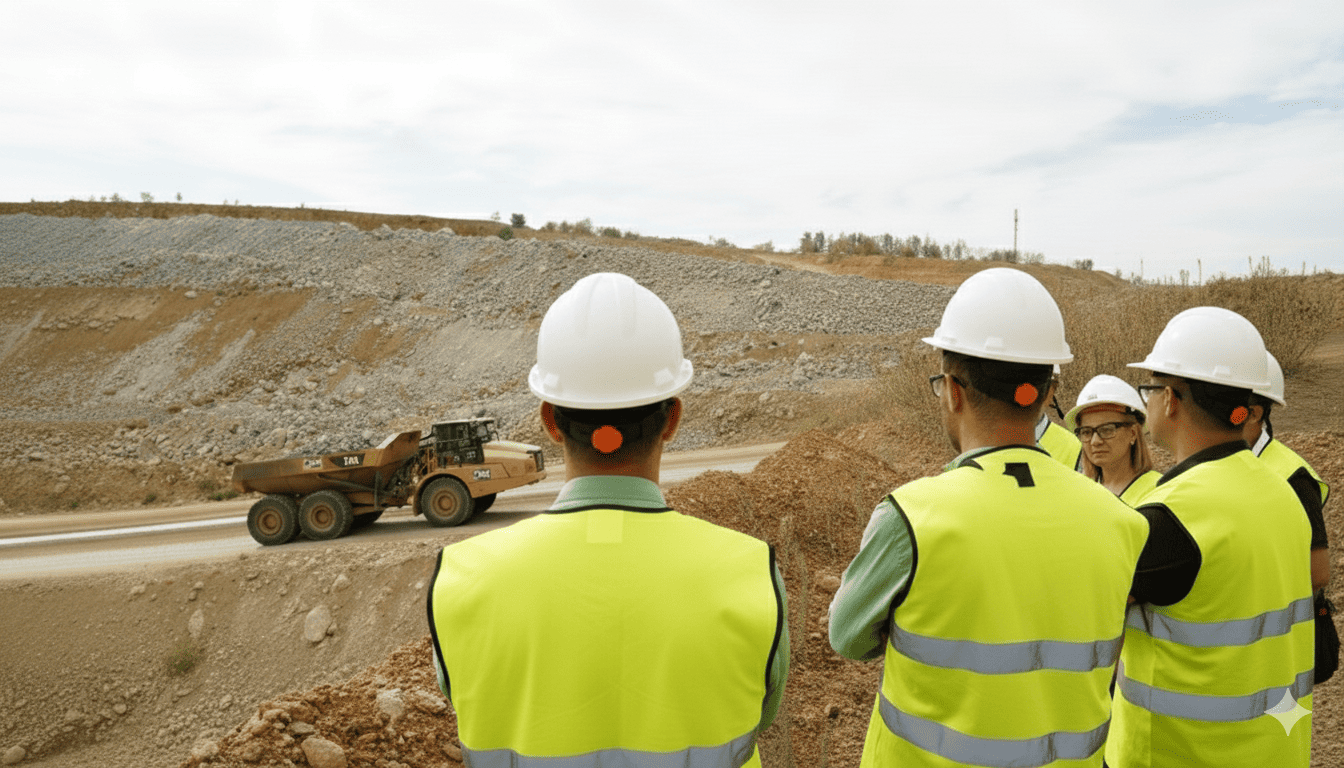
    KAZ Minerals Aktogay LLP operates one of Central Asia’s крупнейших open-pit copper mines in the Abai Region. The complex includes two sulphide concentrators with a combined capacity of 50 million tonnes of ore per year, along with a cathode copper plant processing oxidised ore. The facility employs advanced mining and beneficiation technologies, including automated process control systems.

    DBK first financed the Aktogay project in 2016 during the high-risk construction and commissioning phase. With the Bank’s support, a second concentrator was built, doubling sulphide ore processing capacity from 25 million to 50 million tonnes annually and creating more than 2,100 permanent jobs. The initial financing facility has since been fully repaid, and the first phase of the project has reached its planned payback.

    In a significant next step, Halyk Bank refinanced the company’s outstanding debt to DBK, assuming responsibility for servicing the now operational and financially stable project. The transaction reflects a structured approach in which DBK assumes early-stage project risks, while commercial banks step in once operational performance and cash flows become predictable.

    According to Marat Yelibayev, Chairman of DBK’s Management Board, the refinancing frees up state development funds for new capital-intensive industrial projects, reinforcing an investment cycle in which DBK supports projects from inception to stability before transferring them to private lenders.

  • TMK Expands Industrial Cooperation with Kazakhstan’s Ulba Metallurgical Plant

    TMK Expands Industrial Cooperation with Kazakhstan’s Ulba Metallurgical Plant

    TMK has held high-level talks with representatives of Ulba Metallurgical Plant to expand industrial and technological cooperation in Central Asia. The meeting, which took place at TMK’s head office, focused on strengthening bilateral partnerships and exploring opportunities for joint projects in both Uzbekistan and Kazakhstan.

    Discussions centred on advancing deeper processing of critical raw materials, increasing production of high value-added products, and enhancing the integration of regional industrial value chains. Both sides emphasized the strategic importance of developing downstream capabilities in critical minerals to improve competitiveness and reinforce regional supply chain resilience.

    Ulba Metallurgical Plant is a key industrial enterprise in Kazakhstan, specializing in the production of uranium, beryllium, tantalum and niobium, as well as finished products based on these metals. The potential collaboration is expected to contribute to broader industrial development across Central Asia.

  • Uzbekistan Targets Higher Coal and Uranium Output as New Projects Advance

    Uzbekistan Targets Higher Coal and Uranium Output as New Projects Advance

    President Shavkat Mirziyoyev has reviewed progress and future plans in Uzbekistan’s coal and uranium sectors, with officials outlining measures to expand production and improve efficiency.

    Coal output for the 2025–2026 autumn-winter season is expected to reach 10 million tonnes, 1.3 million tonnes more than the previous season. So far, 9 million tonnes have been produced, up 590 thousand tonnes year-on-year. Authorities have set a higher benchmark of 11 million tonnes for the following season.

    To meet these targets, the government plans to accelerate development of deposits in Tashkent and southern regions, expand selective mining, and привлечь additional excavators and outsourced equipment. Increased private sector participation is expected to add 2.5 million tonnes of coal production in 2026.

    Particular focus was placed on the Nishbosh deposit in Angren. The nearly $500 million project, with reserves of 233 million tonnes, is scheduled to begin production in 2026 at 1 million tonnes annually, with long-term capacity projected at 10 million tonnes per year. The development is expected to create 880 permanent jobs.

    Officials also presented a $5 billion initiative led by  to establish polymer production based on deep coal processing. The project aims to process 8–9 million tonnes of coal annually and produce 1.18 million tonnes of polymer products.

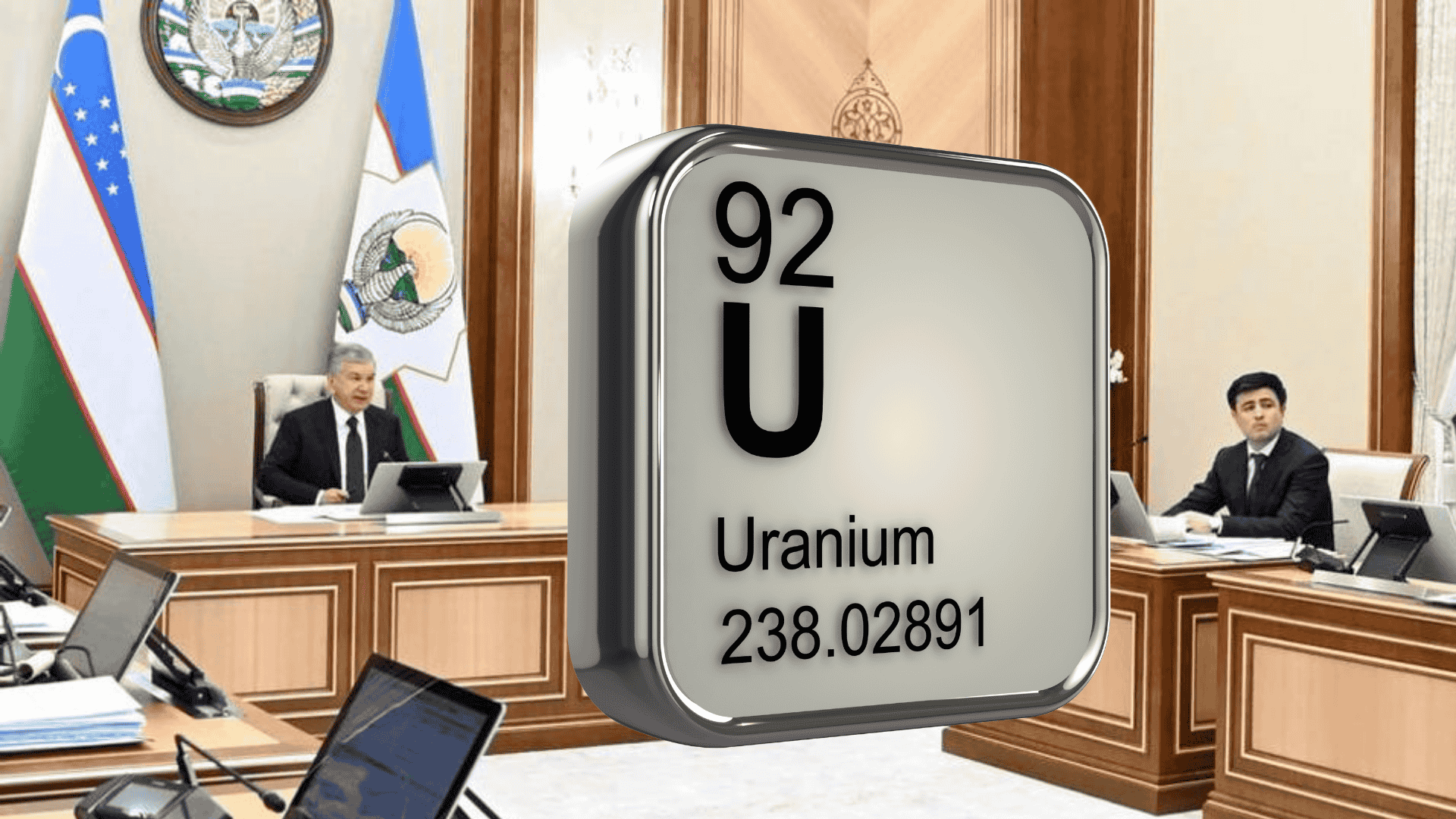
    In uranium, Uzbekistan produced 7 thousand tonnes last year, with identified reserves standing at 139 thousand tonnes. Development of the Arnasay, Western Kizilkok, Southern Jongeldi, and Eastern Agron deposits is set to begin this year. With rising production expected, authorities emphasized the need to expand processing capacity and ensure stable supplies of sulfuric acid and technical sulfur for uranium extraction.

    The President instructed officials to ensure timely implementation of projects, boost output and enhance economic returns across both sectors.

  • Türkiye and Uzbekistan Sign Mining Cooperation MoU Focused on Critical Minerals

    Türkiye and Uzbekistan Sign Mining Cooperation MoU Focused on Critical Minerals

    Türkiye and Uzbekistan have signed a memorandum of understanding aimed at strengthening bilateral cooperation in the mining sector, with a particular focus on critical minerals and rare earth elements, officials said on Thursday.

    The document was signed by Turkish Minister of Energy and Natural Resources Alparslan Bayraktar and Uzbekistan’s Minister of Mining Industry and Geology Bobir Islamov. The signing took place following high-level talks in Ankara between Recep Tayyip Erdogan and Shavkat Mirziyoyev.

    According to Bayraktar, the agreement is intended to promote information exchange, research and development, and the implementation of concrete joint projects in the mining sector. He said the memorandum would help advance cooperation in strategically important minerals and support broader economic ties between the two countries.

    Writing on Türkiye’s NSosyal platform, Bayraktar described the agreement as an important step toward achieving the bilateral trade volume targets set by the two presidents, expressing confidence that it would deliver mutual benefits.

    The signing coincided with the Fourth Meeting of the Türkiye–Uzbekistan High-Level Strategic Cooperation Council, chaired by Erdogan and Mirziyoyev at the presidential complex in Ankara. Beyond mining, the two countries concluded a series of additional agreements and memoranda covering cooperation in health, education, culture, transport corridors, energy, higher education, free and special economic zones, as well as economic and financial affairs.

  • US Launches Project Vault to Secure Critical Minerals and Deepens Engagement With Central Asia

    US Launches Project Vault to Secure Critical Minerals and Deepens Engagement With Central Asia

    The United States has stepped up efforts to secure independent supply chains for critical minerals with the launch of Project Vault, a new initiative designed to establish a US Strategic Critical Minerals Reserve and reduce reliance on China. The project, formally approved on February 2 by the Export-Import Bank of the United States, is backed by up to $10 billion in long-term public financing and an additional $2 billion in expected private-sector participation.

    Project Vault will operate as a public-private stockpile, creating reserves of essential minerals and metals used in aerospace, defence, semiconductors, advanced manufacturing, renewable energy, and electric vehicles. Planned storage sites across the United States are intended to buffer domestic industries against global supply shocks, mirroring the role of the Strategic Petroleum Reserve in energy markets.

    The initiative reflects Washington’s broader strategy to diversify critical mineral supply chains away from China, which currently dominates global mining, refining, and processing capacity for rare earths. US officials have increasingly framed this dominance as a strategic vulnerability, citing past export restrictions imposed by Beijing as evidence of how mineral supply can be used as a geopolitical tool.

    While Project Vault focuses on domestic resilience, its success depends on diversified upstream supply. In this context, mineral-rich Central Asia has emerged as a key region in US policy thinking. Kazakhstan and Uzbekistan were invited to participate prominently in the 2026 Critical Minerals Summit, underscoring growing US interest in the region as an alternative source of strategic materials.

    Central Asia collectively hosts deposits of more than 25 minerals classified as critical by the United States Geological Survey, including rare earth elements, tungsten, antimony, manganese, chromium, and titanium. Despite Kazakhstan’s long-standing role as the world’s largest uranium supplier and the region’s significant reserves, much of Central Asia’s mineral output remains underdeveloped or exported as raw material, primarily to China and Russia.

    Washington has signalled a shift from purely diplomatic engagement toward commercially driven cooperation. Alongside the traditional C5+1 framework, the US has increasingly relied on business-focused mechanisms such as the B5+1 platform to connect private capital with Central Asian projects. This approach is supported by US agencies including the US International Development Finance Corporation, the US Trade and Development Agency, and EXIM, all of which are expanding financing and technical support for critical minerals projects in the region.

    US officials argue that stockpiling alone cannot resolve supply vulnerabilities without parallel investment in downstream processing and refining capacity, much of which remains concentrated in China. As a result, future cooperation is expected to focus not only on extraction but also on building value-added processing capabilities in partner countries.

    Taken together, Project Vault and the intensified engagement with Central Asia mark a decisive shift in US critical minerals policy. Washington now views the region not just as a geopolitical partner, but as a potential long-term contributor to diversified, market-based supply chains that underpin US economic and national security.

  • Why Central Asia Must Lead on Critical Minerals Cooperation

    Why Central Asia Must Lead on Critical Minerals Cooperation

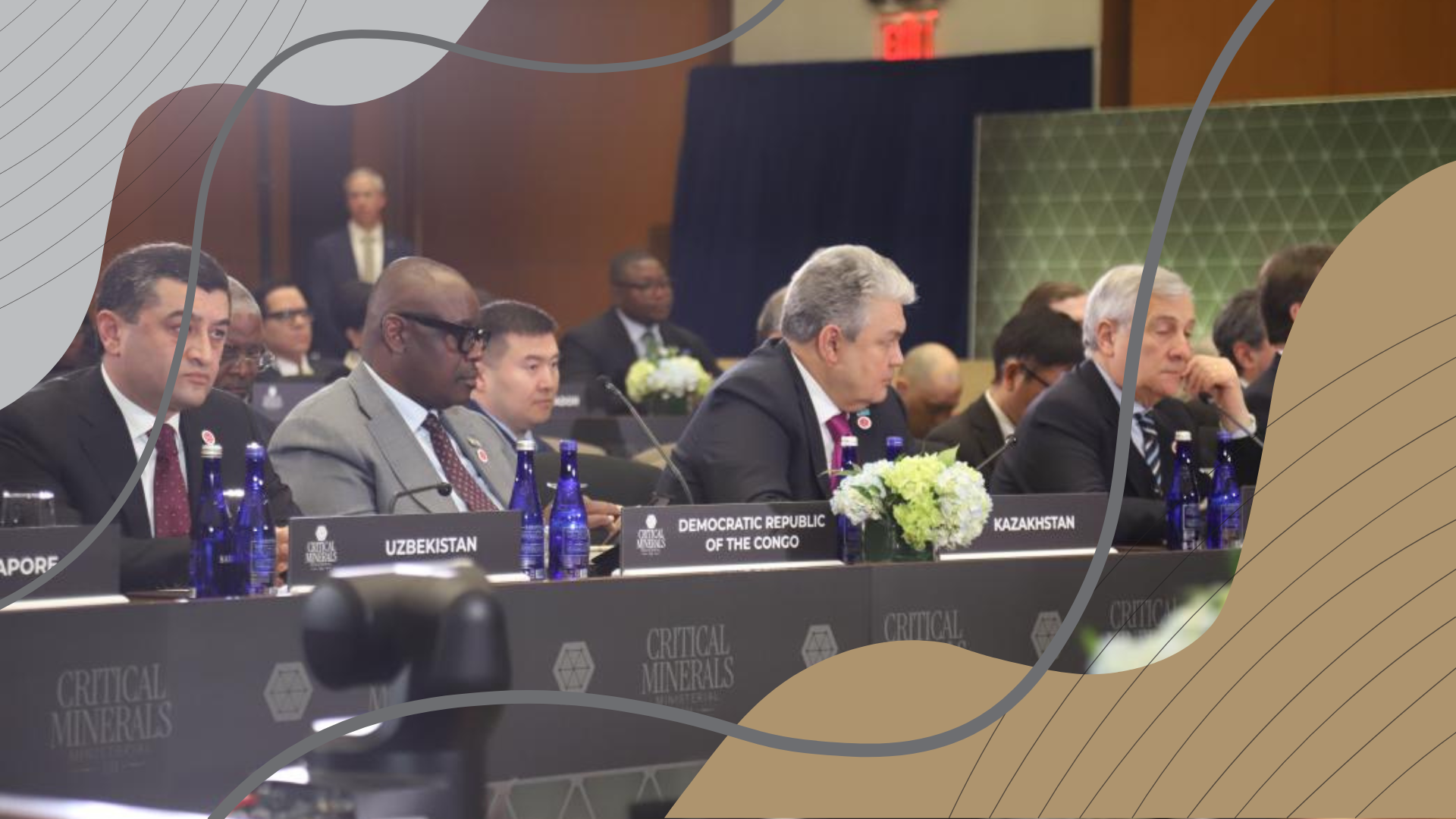
    Senior officials from more than 50 countries gathered at the White House on February 4 for the United States’ first Critical Minerals Ministerial, marking a symbolic moment for Central Asia’s engagement in global resource diplomacy. Delegations from Kazakhstan and Uzbekistan underscored the region’s long-standing “multi-vector” foreign policy ambitions, but the meeting also highlighted a persistent challenge: turning diplomatic visibility into tangible industrial outcomes.

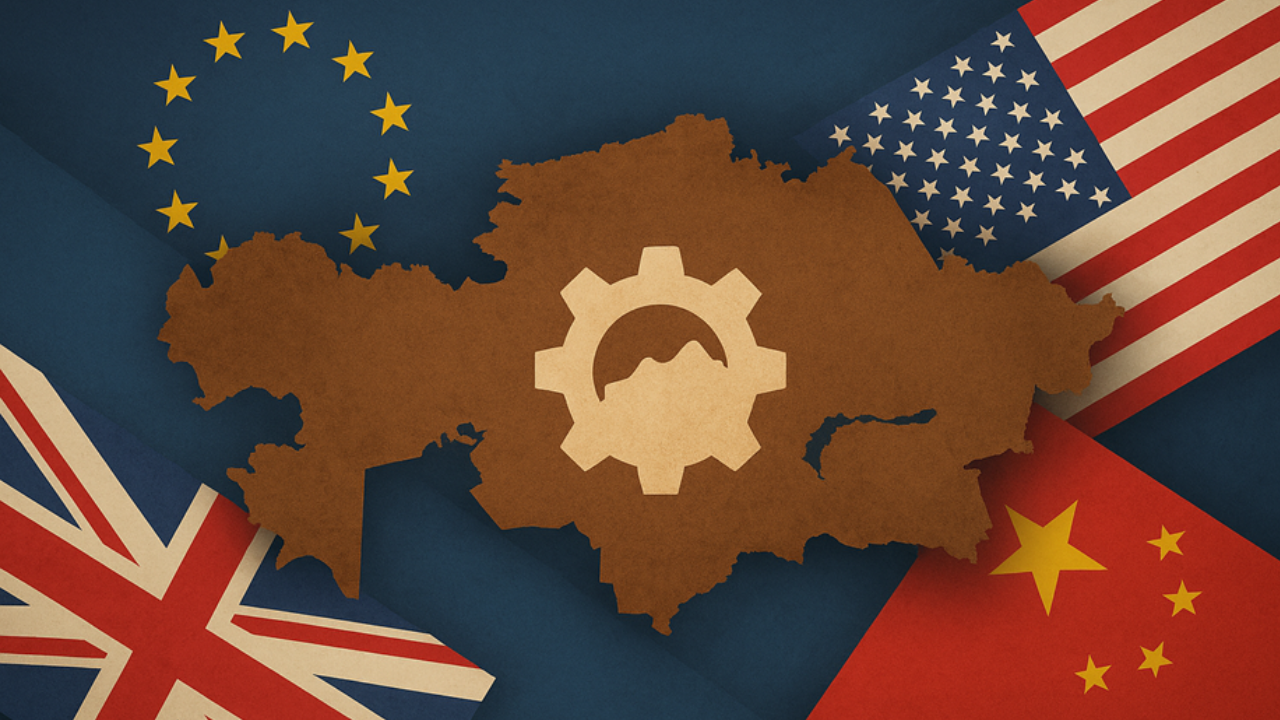
    While Washington’s message focused on openness and coordination, the imbalance between intent and execution remains stark. China has consistently converted engagement into financed, operational mining and processing projects, typically combining contractors, concessional financing, and long-term offtake agreements. By contrast, Western engagement has largely taken the form of memoranda of understanding and strategic frameworks that signal political alignment but stop short of delivering mines, refineries, or downstream capacity.

    Uzbekistan offers a contrasting model of what project readiness can look like. In March 2025, Tashkent unveiled a $2.6 billion, three-year programme encompassing 76 projects across 28 minerals, with a clear objective of moving beyond extraction toward processing and finished products. The initiative is structured for partners capable of execution at scale, rather than symbolic cooperation.

    The evolving US approach further complicates expectations. Washington is increasingly pursuing techno-economic sovereignty, integrating supply chain security, energy systems, advanced manufacturing, and artificial intelligence into a tightly coordinated industrial policy. Dependencies are reframed as vulnerabilities, and resilience has become a central organising principle. In this context, US engagement abroad is likely to be selective, focusing on de-risked, compliant projects that directly support domestic resilience goals rather than driving industrialisation in partner regions.

    This creates both a constraint and an opportunity for Central Asia. High-level political gestures, including the first-ever C5+1 Presidential Summit in Washington in 2025, have raised the region’s profile. Yet momentum will not emerge automatically from diplomacy alone. To shape outcomes, Central Asian governments and companies must proactively present bankable, project-ready opportunities, particularly through direct business-to-business engagement with US firms.

    Developing midstream capabilities is critical. Exporting raw ore is capital-intensive, logistically exposed, and low-margin. By contrast, refined metals and intermediate products can anchor value locally, create skilled employment, and reduce vulnerability to external supply chain shocks. Without this shift, the region risks deeper path dependency and gradual absorption into China-centric production networks.

    Ultimately, the future of Central Asia’s critical minerals sector will not be decided in Washington or Beijing alone. Strategic autonomy depends on the region’s ability to define priorities, structure viable projects, and act as the primary driver of its own industrial transformation.

  • A Strategic Assessment of Promise vs. Reality in Central Asia’s Mineral Development

    A Strategic Assessment of Promise vs. Reality in Central Asia’s Mineral Development

    Central Asia’s role in global critical minerals took a decisive turn at the 4 February 2026 Critical Minerals Ministerial in Washington, where officials from more than 50 countries acknowledged the region as a strategic hub rather than a geopolitical buffer.

    While Washington presented an ambitious framework to advance mineral sovereignty, analysts caution that the region—not the U.S.—must drive implementation to avoid becoming a passive arena for major‑power competition.

    U.S. Strategy: A Vertical Integration “New Order”

    The U.S. vision, centred on the FORGE initiative and the concept of “Pax Silica,” positions minerals and energy as shared strategic assets among trusted partners and offers an alternative to dependency on China.
    Washington differentiates its value proposition in three areas:

    1. Market Stability Through Price Floors
      Proposed tariff‑backed price floors aim to counter predatory market dumping and protect investments in assets such as Kazakhstan’s rare earth reserves.
    2. Vertical Value Integration
      The U.S. framework prioritises domestic processing and refining over raw‑ore exports, enabling Central Asian states to capture more value across the supply chain.
    3. Connectivity Autonomy
      By incorporating the Middle Corridor into initiatives like TRIPP, the West presents routes that bypass Russia and China, reducing geopolitical transit pressures.

    Kazakhstan and Uzbekistan have responded quickly—Kazakhstan has declared critical minerals the “new oil” and joined the Abraham Accords to strengthen supply‑chain integration, while Uzbekistan has pursued strategic MOUs to modernise mining and secure battery‑metal supply chains.

    Reality Check: Gaps Between Intent and Implementation

    Despite strong rhetoric, Western engagement has largely taken the form of frameworks and MoUs—not operational projects.

    Three challenges persist:

    • Operational Disparity – China continues to deliver turnkey, financed projects backed by contractors and long‑term offtake agreements, while Western partners emphasise declarations.
    • U.S. Inward Focus – Washington’s drive for techno‑economic sovereignty favours selective, de‑risked engagements rather than proactive industrial development in the region.
    • Execution Gaps – Uzbekistan’s $2.6bn program covering 76 projects illustrates regional ambition, but real progress requires partners capable of building at scale.

    Strategic Imperative: Central Asian Agency

    Experts argue that relying on future U.S. demand is a strategic mistake.
    To convert high‑level dialogue into economic gains, Central Asia must prioritise:

    1. Midstream Capabilities

    Refining and producing intermediary products offer higher margins and reduce reliance on long‑distance transport of low‑value raw ore.

    2. Direct Private‑Sector Engagement

    Regional firms should proactively present project‑ready opportunities to U.S. companies rather than depending on government‑to‑government frameworks.

    Conclusion

    The U.S. “New Order” provides Central Asia with a potential pathway to diversify away from Beijing and Moscow while improving price stability and long‑term sovereignty.
    But success hinges on regional execution. Astana and Tashkent must convert diplomatic signals into tangible midstream capacity—and do so quickly—to secure their strategic autonomy before the current window closes.

  • Ending the ‘Extract-and-Export’ Era: How FORGE and Pax Silica Transform Central Asian Mining

    Ending the ‘Extract-and-Export’ Era: How FORGE and Pax Silica Transform Central Asian Mining

    The 2026 Critical Minerals Ministerial in Washington has signaled the definitive end of Central Asia’s era as a “landlocked” geopolitical afterthought. For decades, the five nations of the region were viewed through the narrow lens of the “Great Game”—a buffer zone between Russian security interests and Chinese infrastructure investments. However, the “New Order” proposed by the Trump administration, articulated by Vice President JD Vance and Secretary of State Marco Rubio, has repositioned Kazakhstan, Uzbekistan, and their neighbors as the indispensable pivot of a new Western-aligned industrial statecraft.

    The Mineral Sovereignty Pivot

    The strategic argument for Central Asian states to embrace the U.S.-led FORGE (Forum on Resource Geostrategic Engagement) initiative and the proposed Preferential Trade Zone rests on the promise of escaping “coercive dependencies”. For years, Central Asian producers have been vulnerable to the same market distortions Vance identified in Washington: a “foreign supply” (read: China) that floods markets to crash prices and kill domestic projects.

    By joining the new trading bloc, countries like Kazakhstan and Uzbekistan are being offered a “necessary foundation for private financing” and a “price floor” enforced by adjustable tariffs. This mechanism is a game-changer for the region. It essentially guarantees that if Kazakhstan develops its potentially world-class rare earth element (REE) reserves—estimated by some to reach 20 million metric tons—its investments will be shielded from predatory pricing strategies designed to maintain Beijing’s monopoly.

    Kazakhstan: The Vanguard of the New Order

    Kazakhstan has moved first and most aggressively to align with this reindustrialization doctrine. President Kassym-Jomart Tokayev’s branding of critical minerals as the “new oil” is not mere rhetoric; it is backed by a landmark memorandum of understanding (MOU) with the U.S. signed in November 2025, which focuses on technology transfer and processing capacity.

    Perhaps most significantly, Kazakhstan’s accession to the Abraham Accords in November 2025 serves as a profound geopolitical signal. While traditionally a Middle Eastern normalization framework, its expansion to Kazakhstan—the first member with preexisting ties to Israel—is being used to facilitate secure, tech-driven supply chains that reduce the region’s reliance on China. This “unorthodox” alignment places Astana at the heart of the Pax Silica vision, where silicon, minerals, and energy are treated as shared strategic assets among “trusted partners”.

    Uzbekistan and the C5+1 Renaissance

    Uzbekistan is rapidly following this blueprint. On February 5, 2026, during the Ministerial, Tashkent signed its own strategic MOU with the U.S. to secure supply chains for rare earths and critical minerals like lithium, magnesium, and indium. For President Mirziyoyev, this is a path to modernize a mining sector that has often relied on outdated Soviet-era surveys.

    The broader C5+1 diplomatic platform, now celebrating its tenth anniversary, has evolved from a symbolic talk shop into a “pragmatic, project-driven economic coordination framework”. This “renaissance of American influence” is evidenced by the $17 billion in investment projects agreed upon following recent summits and the integration of the Middle Corridor (Trans-Caspian International Transport Route) into the Trump Route for International Peace and Prosperity (TRIPP).

    The Argument for Central Asian Alignment

    The “New Order” offers Central Asia three structural advantages that neither Moscow nor Beijing can—or will—match:

    1. Vertical Value Integration: Unlike China’s “extract-and-export” model, the U.S. framework emphasizes domestic processing and refining. This allows Central Asian states to capture high-value segments of the supply chain rather than remaining mere “resource bases”.

    2. Market Stability: The Project Vault and price floor mechanisms provide a buffer against “market whiplash”. For a region where commodity price volatility can destabilize entire national budgets, this sovereign de-risking is a vital survival tool.

    3. Connectivity Autonomy: By backing the Middle Corridor/TITR, the U.S. and its partners are providing the region with its first viable route to global markets that does not pass through Russia or China. This reduces the ability of larger neighbors to use transit as a tool of political pressure.

    Central Asia is currently in a “hedging game,” and both Pakistan and Central Asian states have approached these initiatives with a degree of caution to avoid immediate Chinese retaliation. However, the message from the 2026 Ministerial is clear: in an economy of “real things,” those who control the minerals control the future. For Kazakhstan and Uzbekistan, the American proposal is not just about mining; it is about finally securing their economic and territorial sovereignty.

  • Uzbekistan Surpasses Uranium Production Targets and Accelerates Sector Expansion

    Uzbekistan Surpasses Uranium Production Targets and Accelerates Sector Expansion

    Uzbekistan has significantly exceeded its previously announced uranium production targets and plans to continue expanding the sector in the coming years, according to information cited by inbusiness.kz from Reuters.

    In 2025, the country increased uranium output to 7000 metric tons, well above earlier government projections. The disclosure was made by the presidential press service, which also said Uzbekistan intends to begin developing four new uranium deposits within the year.

    An official report, published for the first time with detailed production data, estimates Uzbekistan’s total uranium reserves at 139000 tons. These figures contrast sharply with earlier expectations from the national atomic energy agency, which had forecast production of just over 4200 tons for 2025.

    As part of its longer-term development strategy, Uzbekistan aims to raise annual uranium production to 7200 tons by 2030. Deputy Minister of Mining and Geology Ural Yusupov told state television that one project, with an estimated investment of $150 million, could start production as early as July this year.

  • Uzbekistan to Launch Uranium Extraction at Four New Deposits

    Uzbekistan to Launch Uranium Extraction at Four New Deposits

    President Shavkat Mirziyoyev has reviewed the latest developments and future plans for Uzbekistan’s coal and uranium industries during a recent presentation, according to the presidential press service.

    Discussions centred on increasing coal output, strengthening competition within the sector, and improving the use of existing reserves. It was noted that during the 2025–2026 autumn-winter season, the country plans to extract 10 million tonnes of coal — 1.3 million tonnes more than last season. Production so far has reached 9 million tonnes, up by 590,000 tonnes year-on-year, with next season’s goal set at 11 million tonnes.

    Efforts will focus on faster development of deposits in the Tashkent and southern regions, expanding selective extraction, and engaging additional excavators and outsourced equipment. By supporting private entrepreneurs, authorities expect to produce an extra 2.5 million tonnes of coal in 2026.

    Particular attention was given to the “Nishbosh” coal deposit in Angren, where a nearly $500 million investment project is set to begin production this year. With reserves of about 233 million tonnes, the site is expected to yield 1 million tonnes of coal in its first year and reach an annual output of 10 million tonnes. The project will also create around 880 permanent jobs.

    Separately, state company Uzkimyosanoat unveiled a $5 billion initiative to establish a new polymer production facility based on the chemical processing of coal. The plant will be capable of converting 8–9 million tonnes of coal into 1.18 million tonnes of polymer products annually.

    In 2025, Uzbekistan produced 7,000 tonnes of uranium while confirmed reserves rose to 139,000 tonnes. This year, the government plans to start mining operations at four new deposits — ArnasayWestern KizilkukSouthern Jongeldi, and Eastern Agron. To accommodate rising output, additional uranium processing capacity will be developed, including stable supplies of sulphuric acid and technical sulphur.