Website: Asia.com

  • Critical Minerals Are No Longer a Sector – They Are a System, OECD Forum Panel Argues as Central Asia’s Strategic Role Comes Into Focus

    Critical Minerals Are No Longer a Sector – They Are a System, OECD Forum Panel Argues as Central Asia’s Strategic Role Comes Into Focus

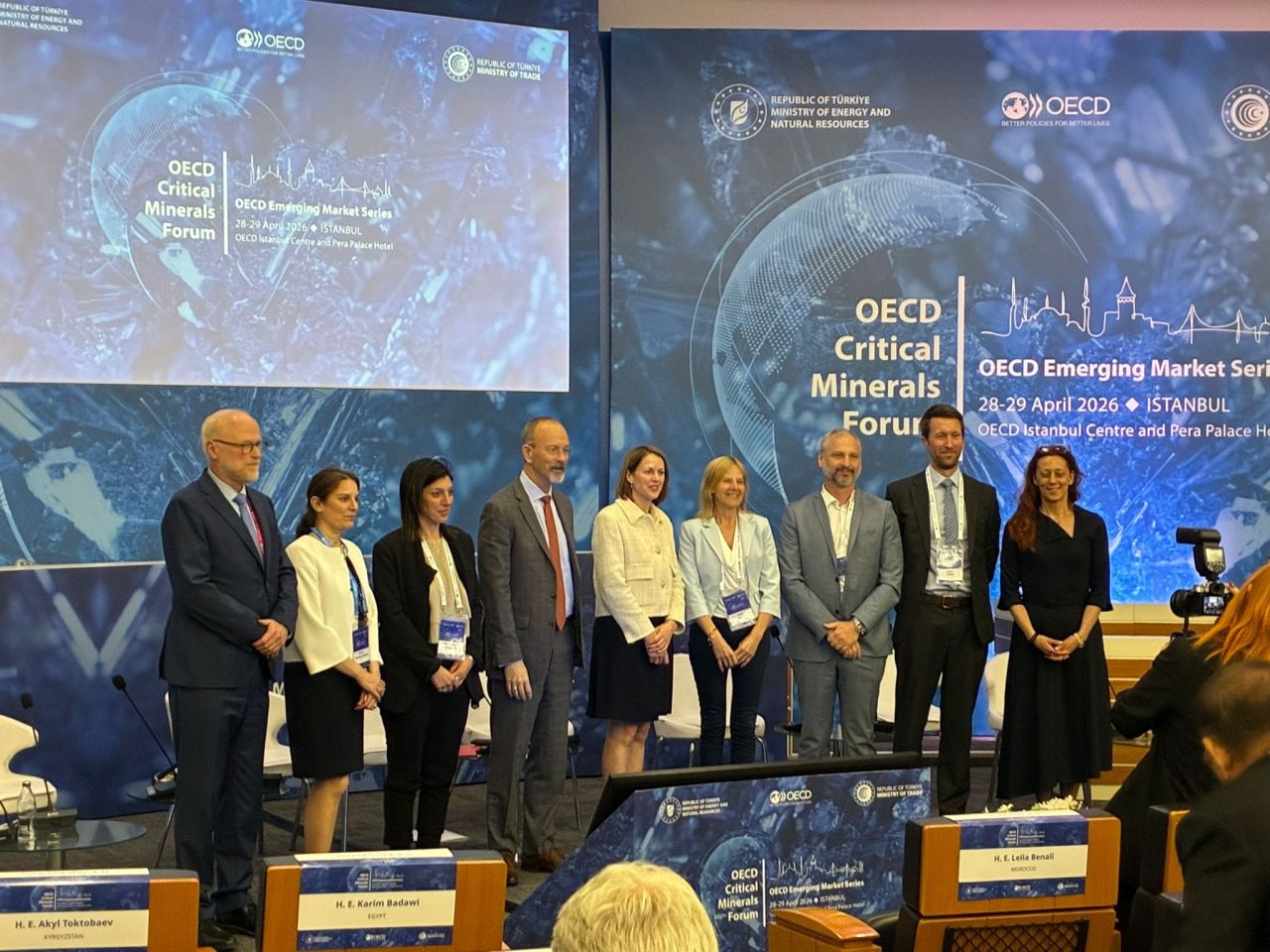
    The global conversation around critical minerals has undergone a fundamental shift, moving beyond resource availability and diplomatic frameworks toward a more complex question: who designs the systems that connect mines to markets, and who captures the value those systems generate. That was the central argument advanced at the OECD Critical Minerals Forum 2026, where a panel examining regional perspectives on critical minerals in Central Asia, Latin America, Southeast Asia and Africa drew a clear conclusion — the era of project-by-project thinking is over.

    The intervention, delivered by a representative of TETHYS during the geoeconomic panel drawing on OECD regional notes, framed critical minerals not as a sector but as the foundation of a broader system-level competition for economic power, industrial resilience and geopolitical alignment. Within that framing, Central Asia and the wider corridor region were positioned not as peripheral suppliers but as potential architects of future global supply chains.

    The core argument was direct: value is no longer created at the mine. It is created across the integrated system that connects extraction to the end market — and building that system requires moving decisively beyond fragmented, project-based approaches toward what the speaker described as integrated mining corridor ecosystems. These ecosystems must connect mining operations with transport and logistics infrastructure, energy and water systems, digital traceability tools and finance — treating each as an interdependent variable rather than a separate consideration.

    Several specific reframings were advanced. Water, the panel argued, must be recognised not merely as an environmental compliance issue but as a core investment and supply chain risk — one that will increasingly determine whether projects are viable and financeable. Mining waste similarly needs to be redefined across three dimensions simultaneously: as a potential resource, as a financial liability and as a risk variable that investors and regulators must account for. State-owned enterprises, often treated as complications in Western investment frameworks, were described as system enablers without which the infrastructure and scale required for corridor-level development cannot be achieved. International standards such as the Initiative for Responsible Mining Assurance were presented not as constraints on operators but as market enablers that create the transparency conditions institutional capital requires. And Digital Product Passports were identified as an emerging system-level tool for traceability, transparency and accountability across the full supply chain.

    The overarching vision articulated was one of endogenous ecosystems — integrated structures in which the connections between components, not the components themselves, become the primary source of economic value. If Central Asia can build those connections, the argument ran, the region will not merely supply the minerals that underpin the energy transition and advanced manufacturing — it will help define the rules by which global supply chains are structured and governed.

  • AltynGold Celebrates ‘Transformational’ 2025 as Production and Profits Soar

    AltynGold Celebrates ‘Transformational’ 2025 as Production and Profits Soar

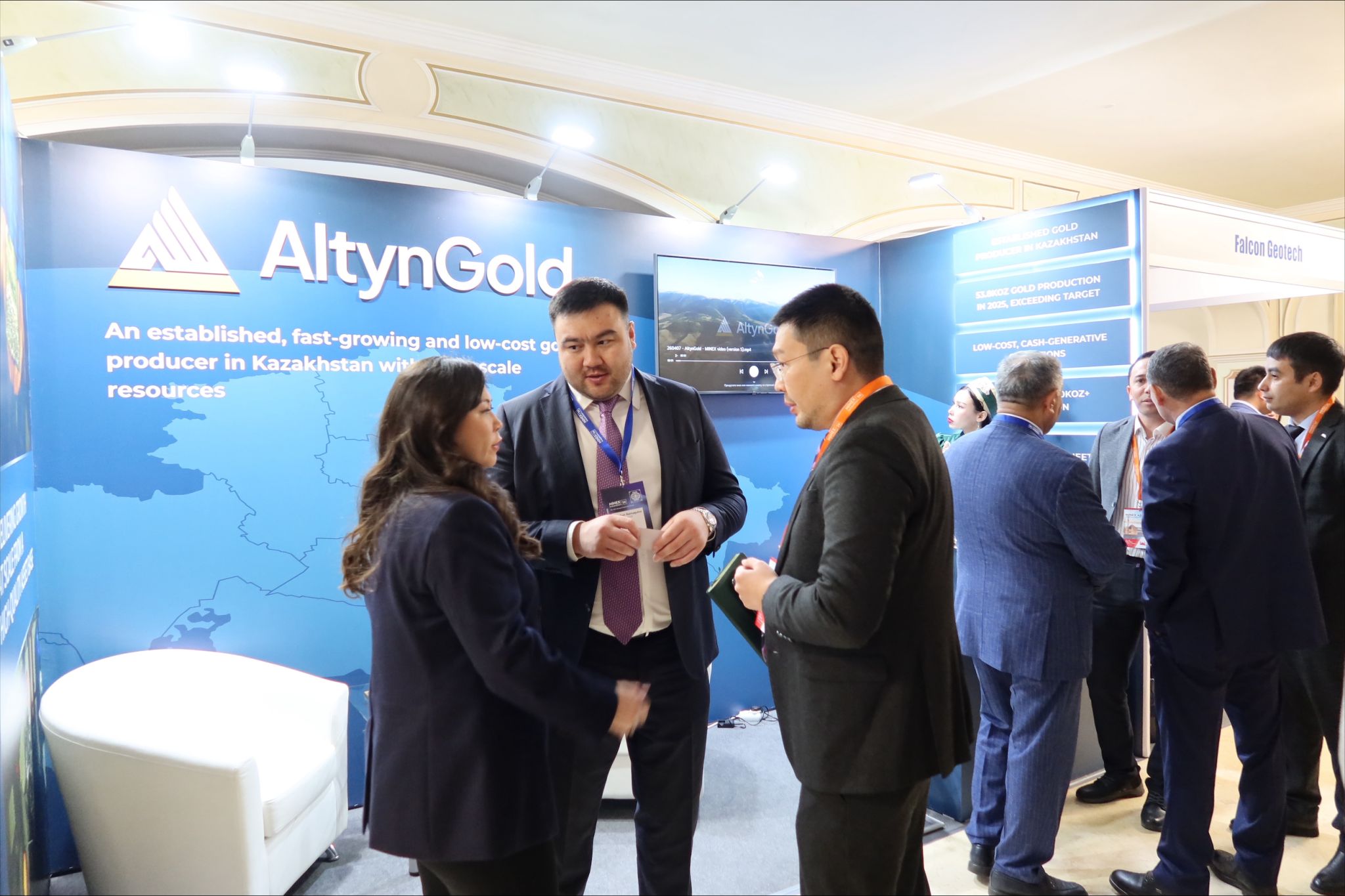
    AltynGold (ALTN), the Kazakhstan-based gold miner, has reported a “transformational” set of annual results for the year ending 31 December 2025. The company saw a massive surge in financial performance, driven by a 50% increase in processing capacity at its flagship Sekisovskoye mine and a significantly higher global gold price.

    The miner’s production figures exceeded expectations, with gold poured rising 44% to 53,852oz, comfortably beating the full-year target of 50,000oz. This operational success, coupled with a realised gold price of US$3,474/oz (up 42% year-on-year), saw AltynGold’s revenue jump by 82% to US$175.4m.

    Financial Highlights at a Glance

    • Net Profit: Increased by 135% to US$62.0m.

    • Adjusted EBITDA: Doubled to US$101.4m.

    • Net Debt: Reduced significantly by US$31.3m to US$18.5m.

    • Safety Record: Achieved its fifth consecutive year without a lost-time incident.

    Looking ahead, AltynGold is poised for further growth. Management is currently evaluating plans to at least double mining capacity at Sekisovskoye to 2.0–2.5Mte per annum, which would elevate the company to mid-tier producer status with an output exceeding 100,000oz in the medium term. Additionally, the company is progressing its application for a production licence at the adjacent Teren-Sai exploration project, with approval expected in 2026.

    With the company deleveraging rapidly and cash generation remainng strong, the Board is also keeping the introduction of a dividend policy under review. Analysts have noted that the company’s valuation remains “extremely attractive” compared to its peers, with the current share price of 1,140p nearly matching the net present value of cash flows from existing operations alone.

  • Mongolia Seeks the Next Oyu Tolgoi While Exporting Drilling Talents Worldwide

    Mongolia Seeks the Next Oyu Tolgoi While Exporting Drilling Talents Worldwide

    Mongolia’s mining sector remains the backbone of its national economy, shaping both its growth trajectory and global trade position. Today, the extractive industry contributes roughly 25% of GDP, 30% of the national budget, and an overwhelming 95% of exports. Copper, gold, coal, iron, oil, and polymetallic resources dominate this export mix, reinforcing the country’s dependence on continued exploration success.

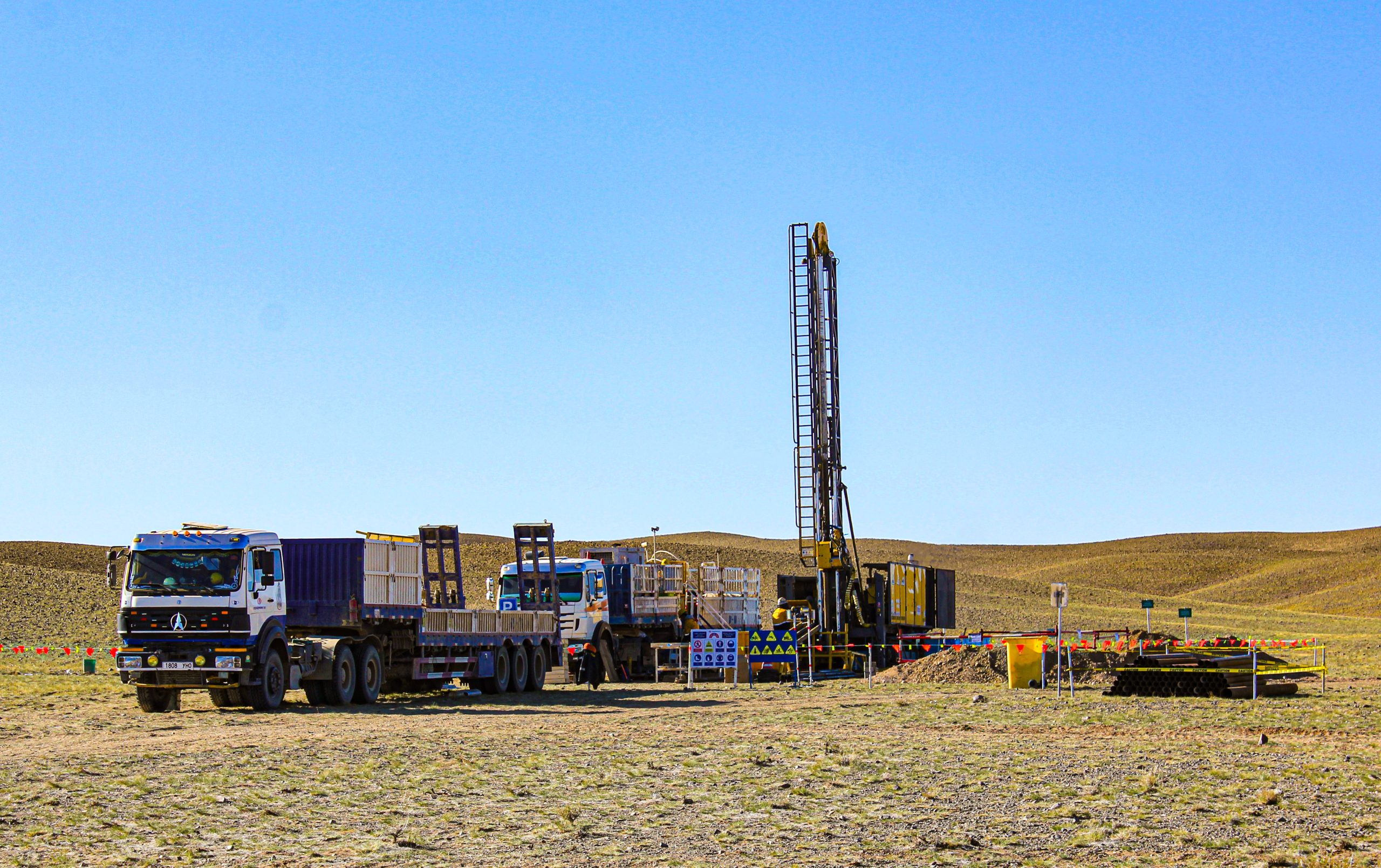
    The drilling industry played a critical role in advancing these mining developments. The modern era of Mongolia’s drilling industry began in the early 2000s, when the development of the Oyu Tolgoi project attracted global expertise and technology. The entry of international contractors such as Major Drilling introduced advanced drilling techniques, setting new benchmarks for performance and efficiency.

    Since then, the industry has matured alongside Mongolia’s broader mining ambitions. Today, exploration activity is increasingly concentrated in the South Gobi Copper-Gold Corridor—a region considered the country’s most promising frontier for the next world-class discovery.

    As global copper and gold prices remain strong, the economic significance of this region continues to grow. Exploration programs here are not just about incremental gains; they are driven by the strategic objective of finding “the next Oyu Tolgoi”.

    Key Projects Driving Drilling Demand

    Kharmagtai: A Near-term copper-gold producer

    Among the most advanced projects in the corridor, the Kharmagtai copper-gold project stands out for both its scale and development timeline. With 47.5 million tons of indicated resources and projected first production by 2027, it represents a major near-term opportunity. Its proximity to Oyu Tolgoi and long mine life further enhance its strategic value, positioning it as a cornerstone of Mongolia’s next generation of mining assets.

    Tereg Uul: Expanding the porphyry trend

    Located along the same mineralized belt, the Tereg Uul prospect highlights the broader potential of the region. Stretching across a 50-kilometer porphyry corridor, it reflects the scale of geological continuity that continues to attract international investment. Recent acquisition activity and committed exploration spending indicate growing confidence in the project’s long-term potential, reinforcing the importance of sustained drilling campaigns.

    Zuun Mod: Deepening confidence through drilling

    In Bayankhongor province, the Zuun Mod molybdenum-copper project demonstrates how targeted drilling programs are refining resource understanding. Recent campaigns have focused on shallow zones while extending deeper sections to improve geological continuity. This phased

    approach—combining near-surface testing with deeper extensions—illustrates the evolving sophistication of Mongolia’s exploration strategies.

    Bayan Khundii: High-grade gold momentum

    The Bayan Khundii gold project represents one of Mongolia’s most promising gold developments. Recent drilling has delivered high-grade intercepts beyond the current resource model, significantly expanding the mineralized footprint. Nearby satellite deposits, such as Dark Horse, further enhance the project’s value, with ongoing drilling aimed at both resource expansion and processing optimization. Together, these efforts underline how continuous drilling drives not only discovery but also project economics.

    Mongolia’s Drilling Talent Goes Global

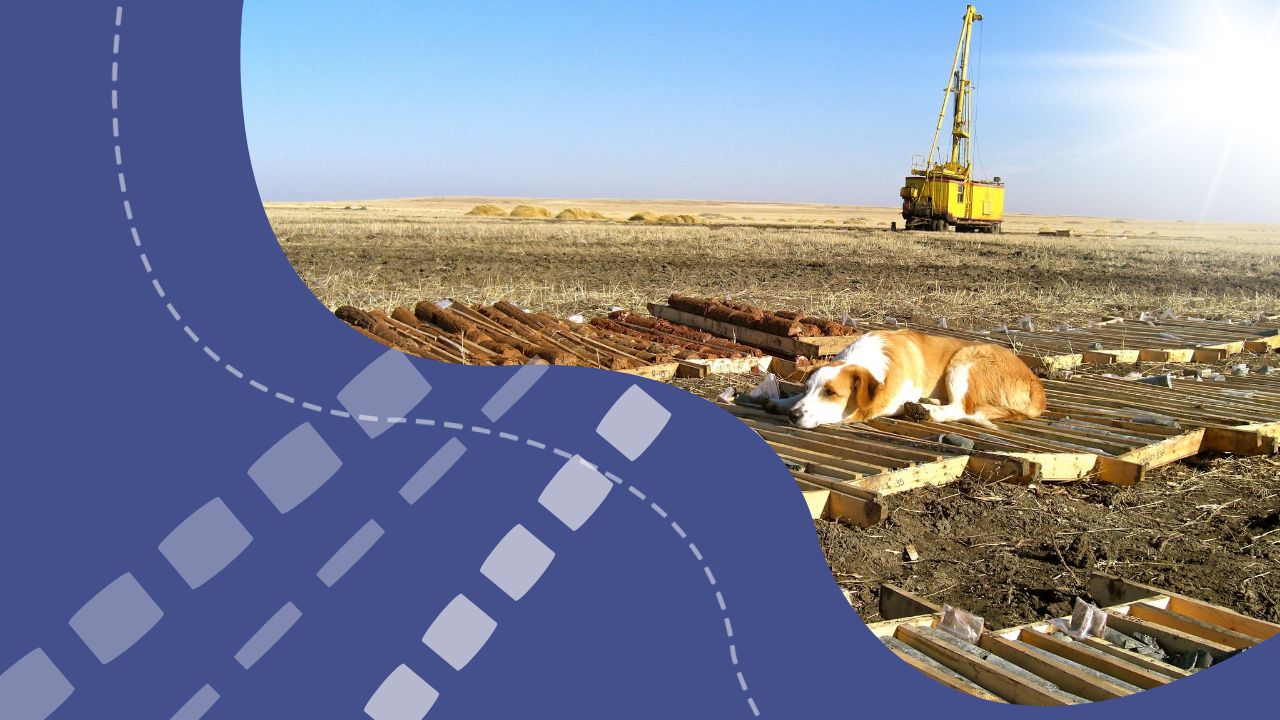
    As domestic projects advanced, Mongolia’s drilling workforce began to gain international recognition. Trained initially through exposure to global operators and modern equipment, Mongolian drillers quickly developed a reputation for technical skill and resilience.

    By the early 2000s, these specialists had already established an international presence, leveraging their expertise in directional drilling. Their career took them to 70–80 countries on all continents. Today, Mongolian drillers operate across more than 20 countries, particularly in Africa, but also in regions such as South America, Australia, and the Middle East.

    Their experience spans a wide range of commodities—from copper and gold to uranium and gas—and includes some of the world’s most challenging drilling environments. High-altitude projects in the Andes, deep and complex deposits in Europe, and extreme desert conditions in Africa have all become part of their portfolio.

    What distinguishes Mongolian drillers is not only technical capability but also adaptability. Whether operating at 4,900 meters above sea level or in remote desert terrains, they have consistently delivered strong performance—often earning recognition as top-performing crews on international projects.

    Over its 30-year drilling history at the Simandou Iron Ore Project in Guinea, West Africa, an estimated 15 to 18 international drilling crews rotated through one of the world’s most challenging exploration environments. Among them, industry insiders consistently point to the Mongolian drilling teams as the standout performers.

    The Current Challenges

    Despite these strengths, Mongolia’s drilling industry faces significant domestic challenges. Exploration activity has declined since its peak in the early 2010s, reflecting both market cycles and structural constraints.

    One of the most critical issues is the imbalance between exploration and mining licenses. International best practice suggests that exploration licenses should significantly outnumber

    exploitation licenses. In Mongolia, however, the opposite is true, with exploration licenses covering less than 2.8% of the country’s territory.

    This imbalance has direct implications for drilling demand. Reduced exploration activity translates into fewer drilling contracts, putting pressure on service providers and limiting industry growth.

    However, the Minister of Industry and Mineral Resources Mr.Damdinnyam works to fix it and emphasized: The exploration sector has been falling since 2010. We will reopen Mongolia’s exploration sector. State budget funds will be used to dramatically increase explorations.

    At the same time, workforce sustainability is emerging as another concern. While Mongolian drillers are highly skilled, the industry faces a shortage of new entrants. The need to train and develop the next generation is becoming increasingly urgent as the average workforce ages.

    Mr.Erenbaatar, CEO of Elgen drilling company, said: The average age of drillers in large drilling companies is 35 years old, which makes training, preparing, and infusing a new generation of drillers a key goal of our company. In the coming years, we will pay special attention to this area, actively working to train drillers, form an experienced team, and strengthen it.

    The cyclical nature of exploration is clearly reflected in Mongolia’s drilling sector. During the peak years between 2008 and 2012, hundreds of drilling companies operated in the country, supported by strong demand and high drilling rates.

    Today, however, pricing has stagnated, with drilling costs failing to keep pace with inflation or technological advancement. This signals a softer market environment and highlights the dependence of the drilling industry on broader exploration cycles.

    Yet even within this downturn, consolidation has taken place. A smaller number of stronger national companies such as Erdene Drilling, Elgen, Ord Geo, and Tanan Impex have emerged, equipped with larger fleets and improved capabilities—an indication of gradual industry maturation.

    Outlook: Reigniting Exploration Momentum

    Looking ahead, Mongolia’s drilling industry stands at a crossroads. On one hand, it benefits from world-class geology, a proven track record of major discoveries, and a globally competitive workforce. On the other, it faces declining exploration activity and structural constraints that must be addressed.

    Government efforts to revive exploration—through increased funding and policy support—could play a pivotal role in reversing the current cycle. If successful, these initiatives may unlock vast underexplored regions, where nearly 60% of the country remains insufficiently surveyed.

    Ultimately, the future of Mongolia’s drilling industry will depend on its ability to align these elements: revitalizing exploration, investing in people, and continuing to adopt advanced technologies.

    If these pieces come together, the country may not only discover its next Oyu Tolgoi—but also further cement its position as a global exporter of elite drilling talent.
  • Czech Companies Expand Kazakhstan Footprint With Car Assembly, Heat Exchangers and Uranium Talks Across Six New Agreements

    Czech Companies Expand Kazakhstan Footprint With Car Assembly, Heat Exchangers and Uranium Talks Across Six New Agreements

    Czech businesses are broadening their industrial and energy presence in Kazakhstan, with projects spanning vehicle assembly, manufacturing and nuclear fuel supply taking shape as bilateral economic ties deepen.

    Škoda Auto is advancing an $8.2 million initiative to assemble vehicles locally in Kazakhstan, while industrial company BBS plans to launch heat exchanger production by the end of 2026 with an estimated investment of $9 million. Both projects reflect a wider pattern of Czech industrial firms seeking manufacturing footholds in Kazakhstan’s growing economy.

    In the energy sector, Czech utility giant ČEZ Group is exploring long-term collaboration with Kazatomprom, Kazakhstan’s national nuclear company, including uranium supply agreements previously signed between the two parties. The talks come as European utilities accelerate efforts to diversify uranium procurement away from Russian suppliers following the war in Ukraine.

    Six cooperation agreements were signed between Kazakh and Czech companies at the forum, covering potential joint ventures in energy, transport, machinery production and insurance — a signal of broadening commercial ambition beyond individual project deals.

    Officials noted that growing Czech interest is contributing to a broader uptick in foreign direct investment in Kazakhstan, which rose 14.4% in 2025 to $20.5 billion, with a significant portion directed toward new greenfield projects.

  • Turkey to Launch Critical Minerals Roadmap With Beylikova Rare Earth Project at Its Core, Minister Announces

    Turkey to Launch Critical Minerals Roadmap With Beylikova Rare Earth Project at Its Core, Minister Announces

    Turkey is preparing to officially unveil its Critical Raw Materials strategy in the coming weeks, with the Beylikova rare earth elements project positioned as the centrepiece of a national vision that links mineral extraction to deep processing and high-technology industrial development, Energy and Natural Resources Minister Alparslan Bayraktar has announced.

    Speaking on 28 April at the OECD Critical Minerals Forum in Istanbul, part of the OECD Emerging Markets Forum Series, Bayraktar described Beylikova as potentially one of the largest rare earth element deposits in the world. State mining company Eti Maden is working intensively with partners to establish a full value chain at the site, and a pilot plant is already operational and moving toward industrial-scale production including separation and processing capabilities. “We will produce rare earth oxides needed for permanent magnets in wind turbines and electric vehicle motors,” Bayraktar said.

    The minister framed the forthcoming roadmap — based on findings from the 2025 Critical and Strategic Minerals Report — within Turkey’s broader energy transformation. More than 62% of the country’s installed electricity capacity already comes from renewable sources, and Turkey is targeting an expansion of wind and solar capacity to 120 gigawatts by 2035. Plans to build approximately 40 gigawatts of High Voltage Direct Current transmission lines to strengthen grid integration add further urgency to securing domestic critical mineral supply.

    “These represent a broad structural transformation, with critical minerals at its core,” Bayraktar said. “In this new era, it is not enough to have resources — you must be able to process them. Turkey is building exactly that, combining resource extraction with deep processing capacity and high-tech industrial value creation.”

  • QAZ Gold BK Plans Five-Year Gold Exploration Programme at Berezovskaya Site in East Kazakhstan

    QAZ Gold BK Plans Five-Year Gold Exploration Programme at Berezovskaya Site in East Kazakhstan

    Kazakhstani gold exploration company QAZ Gold BK has announced plans to conduct geological exploration work at the Berezovskaya licence area in the Samarsky District of East Kazakhstan Region between 2026 and 2030, according to a notice of planned activities filed by the company.

    The programme covers the exploration of gold-bearing ores across a licence territory of 13.65 square kilometres, located 150 kilometres southeast of Ust-Kamenogorsk and five kilometres northeast of the district centre of Samarskoe village. The company holds a five-year exploration licence issued on 23 November 2025. It previously operated across ten licence blocks covering 22.5 square kilometres from 2021, but returned four blocks to the state in 2025.

    Active fieldwork will be concentrated on an area of approximately 0.47 square kilometres across five named target zones: Berezovsky, Kanavy 73, Shest Kanav, Shirotny and Kanavy 19-46. The exploration programme includes topographic and geodetic surveys, route prospecting, core drilling and surface excavation works including the clearance of old workings and the sinking of prospecting trenches. Geological teams will work on site for two to five months each year.

    The planned scope of work includes 60 linear kilometres of survey traverses, collection of 120 samples and drilling of 123 inclined boreholes totalling 7,395 linear metres. Eight old mining workings totalling 915 linear metres will also be cleared and examined. A second phase will encompass geomechanical and hydrological studies, culminating in a final resource report prepared to KAZRC standards and formal registration of resources and reserves with state authorities. The company noted that the licence area is home to foxes, wolves and occasional bears.

    QAZ Gold BK is registered in Ust-Kamenogorsk. Its co-owners are listed as Altyн Astau LLP, Rauana Kanapiyanova and Diana Kanapiyanova. The sole owner and director of Altyn Astau — a company focused on precious metal and rare metal ore extraction registered in Almaty — is Wang Godun.

  • Turkish Coal Miners Detained on Hunger Strike After Marching to Ankara Over Five Months of Unpaid Wages

    Turkish Coal Miners Detained on Hunger Strike After Marching to Ankara Over Five Months of Unpaid Wages

    More than 110 coal miners from Doruk Madencilik were detained and subsequently launched a hunger strike outside Turkey’s Ministry of Energy and Natural Resources on Tuesday after a weeks-long march to Ankara ended in confrontation with police — the latest flashpoint in a deepening labour dispute over months of unpaid wages, denied compensation and what workers describe as dangerous working conditions.

    The miners, represented by the Independent Mine Workers’ Union, had begun their march on 11 April from the Mihalıççık district of Eskişehir province. Police detained union leader Gökay Çakır, organising specialist Başaran Aksu and 31 miners when the group attempted to reach the ministry building. The workers responded by banging their hard hats on the ground and whistling through the night, before 110 miners commenced a hunger strike outside the ministry the following morning. “We came to Ankara in our shrouds, we are here,” the union said in a statement. “We will not be deterred by detentions.”

    At the core of the dispute are approximately five months of unpaid salaries, as well as severance and notice pay the workers say has been withheld both before and after the mine was taken over by the Savings Deposit Insurance Fund — known as TMSF — in 2016, on alleged ties to the Gülenist organisation designated by the Turkish state as FETÖ. The mine was subsequently transferred to Yıldızlar SSS Holding in 2022, and according to the union, labour rights violations escalated sharply following that transfer. The workforce shrank from approximately 1,200 to between 250 and 300 workers as payment disruptions mounted.

    Beyond wages, the miners are demanding an end to what they describe as involuntary unpaid leave being imposed on current workers, reinstatement of employees dismissed for union activity, and the creation of a safe working environment compliant with occupational health and safety standards. Workers say the company is forcing them to use outdated equipment. The union also called for the mine’s nationalisation to secure long-term employment and operational sustainability.

    Yıldızlar SSS Holding, a family-owned conglomerate chaired by businessman Sebahattin Yıldız, operates across mining, energy and ceramics. Its subsidiaries include silver producer Eti Gümüş, Nesko Maden and Söğütsen Seramik.

  • Navoiyuran Launches Commercial Production at Kizilkok Uranium Mine With Low-Cost Oxygen Leaching Technology

    Navoiyuran Launches Commercial Production at Kizilkok Uranium Mine With Low-Cost Oxygen Leaching Technology

    Uzbekistan’s state uranium producer Navoiyuran has commenced full commercial production at the Kizilkok deposit in Navoiy Region, following a pilot industrial phase that began in December 2024, the company’s press service has confirmed.

    The deposit is being developed using in-situ leaching with gaseous oxygen as the oxidising agent in a mini-reagent technology process. Navoiyuran says the approach allows significantly more uranium to be extracted while reducing production costs by a factor of two to three compared with conventional methods.

    Kizilkok holds uranium reserves of 9,400 tonnes and resources of approximately 10,900 tonnes, making it the third-largest asset in Navoiyuran’s portfolio after the Sugrali deposit at 20,800 tonnes and Uchkuduk at 14,800 tonnes. Mining at the site is planned to continue for 15 years, with annual extraction of up to 1,200 tonnes of uranium at peak capacity. The company also notes that the northern part of the licence area holds potential for further resource expansion.

    The commissioning of Kizilkok follows a year of strong output growth: Navoiyuran increased uranium production by 35% in 2025, reaching 7,000 tonnes. The expansion is set to continue in 2026 with the planned launch of three additional deposits — Arnasay, Yuzhny Zhongeldi and Vostochny Agron — alongside Western Kizilkok. The company has indicated that the increase in mining volumes will be accompanied by a corresponding expansion of processing capacity.

  • Central Asia’s Critical Minerals Agreements Are Multiplying — But the Gap Between Diplomacy and Bankable Projects Remains Wide

    Central Asia’s Critical Minerals Agreements Are Multiplying — But the Gap Between Diplomacy and Bankable Projects Remains Wide

    Central Asia has spent the past three years accumulating a growing stack of critical minerals agreements, memoranda of understanding and strategic partnership frameworks with Western governments. The harder question — how many of those agreements are actually translating into funded, operational mining and processing projects — has a less comfortable answer.

    The backdrop is a genuine and deepening structural problem in global critical mineral supply. According to the International Energy Agency, lithium demand rose by nearly 30% in 2024, while demand for nickel, cobalt, graphite and rare earth elements grew by 6 to 8%. Yet investment in the sector grew by only 5% in the same year, down sharply from 14% in 2023, with real growth after inflation at just 2%. Capital deployment is becoming more cautious precisely as demand signals intensify. And concentration is worsening: the average market share of the top three refining nations for key energy minerals rose from approximately 82% in 2020 to 86% in 2024, with around 90% of supply growth coming from a single dominant producer in each category — Indonesia for nickel, China for cobalt, graphite and rare earths. By 2035, China is projected to retain more than 60% of refined lithium and cobalt and around 80% of battery-grade graphite and rare earth supply.

    Central Asia enters this landscape with significant geological endowments across minerals relevant to energy, defence, metallurgy and advanced manufacturing. The diplomatic machinery has moved quickly to connect that geology to Western strategic interests. The US launched the C5+1 Critical Minerals Dialogue in February 2024. Kazakhstan and Uzbekistan both joined the US-led Minerals Security Partnership Forum. The EU signed an MoU with Uzbekistan in April 2024 and reinforced its Kazakhstan cooperation with a roadmap for 2025 to 2026, while launching the EBRD-administered GROW CRM programme to support project identification and feasibility studies. The US-Kazakhstan MoU signed in November 2025 has been linked to a concrete tungsten project involving Tau-Ken Samruk and Cove Capital, with reported transaction value of $1.1 billion, potential US EXIM financing and planned local refining in Kazakhstan. The EU-Central Asia Summit in April 2025 announced a €12 billion Global Gateway investment package covering transport, energy and critical raw materials.

    But a regional investment package is not the same as a pipeline of bankable mineral projects. The most important filter, as one analysis puts it, is not the signing of agreements but the conversion of agreements into technically credible, economically viable and institutionally governable projects. That conversion rate is low — and the reasons are structural rather than incidental.

    The first barrier is economic. Critical minerals projects are capital-intensive, price-sensitive and exposed to long development timelines. The sharp slowdown in investment growth in 2024 hit emerging-market projects particularly hard, as lower mineral prices and tightening financing conditions raised the threshold for commercial viability. The second barrier is the midstream gap. Central Asia has extraction potential, but processing and refining are where economic value is actually captured — and that is precisely where the region’s capabilities remain least developed. China is already moving to fill that gap, establishing new processing facilities in Uzbekistan for iron ore and copper. The third barrier is stakeholder misalignment. Governments want localisation, industrial upgrading and political control. Investors want returns, risk protection and exit routes. Industrial consumers want stable offtake, quality and ESG compliance. State-owned enterprises dominate mining in all five Central Asian countries, making project governance structurally complex. The fourth barrier is infrastructure: critical minerals move on railways, roads, energy grids and through customs corridors, not through diplomatic declarations, and Chinese and Russian capital already dominate the logistics networks that connect the region to markets.

    China’s position in Central Asia illustrates the difficulty Western actors face. It is built not on memoranda but on investment, project financing, engineering and procurement capacity, infrastructure integration and processing control. Zijin Mining holds a 75% stake in Zarafshon, Tajikistan’s largest gold producer. Chinese companies have expanded into antimony and lithium across the region. For Western governments entering through political frameworks and MoUs, execution requires a fundamentally different type of architecture — one that defines not only the resource target but the processing route, logistics corridor, financing structure, offtake mechanism, governance model and risk allocation. Without those elements, the alliance remains diplomatic rather than industrial.

    The most advanced partnerships in the region — the UK-Kazakhstan rhenium and vanadium projects, the US-Kazakhstan tungsten arrangement, and Uzbekistan’s emerging cooperation with the EU, Traxys, Orano and Metso — point toward what a credible model looks like. Whether they evolve from announcements into contractual, financed and operational structures will determine whether Central Asia’s critical minerals moment translates into lasting economic transformation or remains, for Western investors, largely a story of strategic intent.

  • Kyrgyzstan Courts Western Mining Capital With Critical Minerals Reset — But Legal Gaps and Kumtor’s Shadow Complicate the Pitch

    Kyrgyzstan Courts Western Mining Capital With Critical Minerals Reset — But Legal Gaps and Kumtor’s Shadow Complicate the Pitch

    In a nondescript meeting room in London late last year, a high-level Kyrgyz government delegation sat down with Western mining investors to discuss something that would have seemed improbable just five years ago: bringing foreign capital back into a country that had recently nationalised its most prized mining asset.

    The meeting was the opening move in what Bishkek is quietly calling a reset — an attempt to use surging global demand for critical minerals as a bridge back to Western investment after the Kumtor affair severed relations with North American mining capital and left deep scars on both sides. How far and how fast that bridge can be built is the central question facing an initiative that is carefully engineered but resting on fragile foundations.

    The Kumtor saga looms over everything. Kyrgyzstan wrested control of the country’s largest gold mine from Canadian miner Centerra Gold — which had entered the country during the murky post-Soviet privatisations of the 1990s — raising serious concerns among international investors about property rights, contract security and political risk in the country. But the affair also surfaced allegations of corruption, environmental damage and resource-stripping that gave many Kyrgyz citizens an equally dim view of foreign mining investment. Any reset must therefore be politically defensible in Bishkek while simultaneously convincing outside investors that contracts will be honoured and disputes resolved without arbitrary political intervention.

    President Sadyr Japarov — who built his political career leading the campaign for Kumtor’s nationalisation before riding that wave to the presidency in the 2020 revolution — has shaped the reset accordingly. The initiative emphasises ESG standards heavily, targets critical minerals rather than gold, and focuses on UK and European investors rather than Canadian ones. State-backed assets are being offered as minority stakes, mostly in polymetallic deposits with complex metallurgy that Western expertise can help unlock, while ultimate control remains in Kyrgyz hands. A 30% free-carried government interest, as seen in the Silvercorp Metals deal that saw the Canadian company pay $160 million for a 70% interest in the Tulkubash and Kyzyltash gold projects in January, signals that the state intends to retain meaningful participation.

    The political signalling is the reset’s strongest feature. In March 2026, the foreign ministers of all five Central Asian nations — including Kyrgyzstan — travelled to London for talks with the UK government, with mining prominently on the agenda. The alignment of interests is clear: the UK wants to secure critical mineral supply chains and counter Russian influence in Central Asia, while Kyrgyzstan wants to develop its mineral wealth and reduce over-dependence on its powerful neighbours to the north and east. The projects on offer are also sensibly scoped — a portfolio of small to medium-sized assets with moderate capital requirements that risk-tolerant investors could move on quickly.

    Legal protection is where the reset looks most vulnerable. Investor briefing materials reference discussions about adopting English common-law protections and establishing independent arbitration mechanisms, but no new protections are yet in place. EU investors can rely on a modern bilateral investment treaty dating from 2024. UK investors must fall back on a 1994 treaty. Canadian investors have no treaty protection at all — as Centerra discovered to its cost.

    The most realistic near-term outcome is a first wave of specialist mining equity from risk-tolerant investors who understand frontier jurisdictions and will price Kyrgyzstan’s assets with a heavy discount reflecting its recent history. That is not mainstream capital, and it will not come cheaply. But if early projects are licensed, developed and exited without political interference, Kyrgyzstan can begin to rebuild its reputation as an international mining jurisdiction — and lay the groundwork for the larger-scale investment that its mineral endowment could ultimately attract.