Website: Asia.com

  • Sokli Project: Paving the Way for Finland’s Critical Minerals Self-Sufficiency

    Sokli Project: Paving the Way for Finland’s Critical Minerals Self-Sufficiency

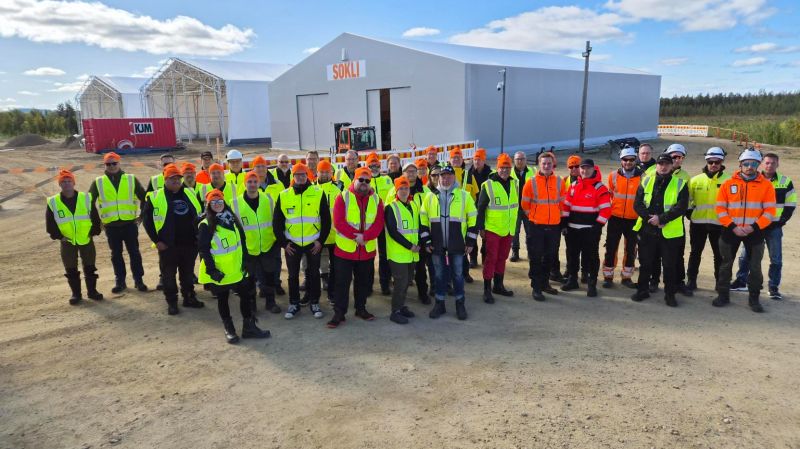
    The Sokli project is emerging as a cornerstone for Finland’s ambitions to achieve self-sufficiency in critical minerals. In collaboration with the Regional Council of Lapland and the Joint Municipal Authority of Eastern Lapland, stakeholders recently convened to assess the project’s progress and explore the opportunities it presents for Finnish companies both now and in the future. The discussions highlighted the potential of Sokli to not only bolster local economies but also to contribute to national goals regarding sustainable mineral production.

    A significant aspect of the Sokli initiative is the ‘More than a Mine’ project, which is funded by Business Finland. This initiative aims to foster innovative solutions and establish business and cooperation networks within the mining sector. The emphasis on collaboration among research institutions, businesses, and various stakeholders is seen as vital for cultivating sustainable growth and enhancing competitiveness in Finland’s mining industry.

    As the development of Sokli progresses in stages, it is crucial to maintain an open dialogue about the opportunities the project can generate on both regional and national levels. The engagement of local communities and businesses is essential to ensure that the benefits of the project are maximised and that it aligns with Finland’s broader economic and environmental objectives.

    The Sokli project represents a proactive step towards securing Finland’s position in the global critical minerals market, which is increasingly important in the context of the European Union’s strategic goals. As discussions continue and the project evolves, it is clear that Sokli is set to play a pivotal role in shaping the future of sustainable mining in Finland.

  • UK Government Integrates Trelavour Lithium Project into National Infrastructure Programme

    UK Government Integrates Trelavour Lithium Project into National Infrastructure Programme

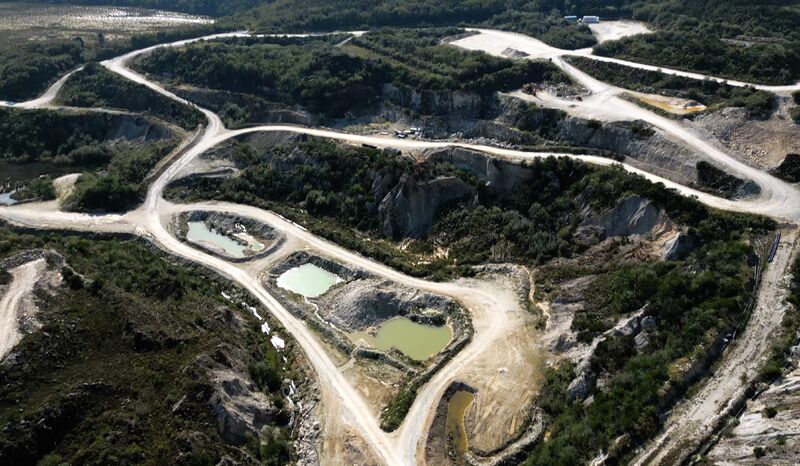
    In a significant move for the UK mining sector, the Government has included the Trelavour Lithium Project in its Lead Environmental Regulator pilot programme. This initiative places the project alongside other major infrastructure undertakings such as Sizewell C, East West Rail, and the Lower Thames Crossing, marking a pivotal moment for the Cornish Lithium initiative. Previously, the notion of a lithium project in Cornwall being recognised alongside nuclear energy and national grid developments would have seemed implausible. However, the Trelavour project is now the only critical minerals project featured in this prestigious list, highlighting its importance to the UK’s energy future.

    The inclusion in the pilot programme provides a streamlined regulatory process, as the Environment Agency will serve as the single point of contact for environmental regulation. This coordination aims to facilitate quicker decision-making and enhance communication between various regulatory bodies. The government’s commitment to improving the efficiency of the regulatory framework is crucial, as it allows projects like Trelavour to progress without unnecessary delays. The expectation is that while standards remain unchanged, the time taken to reach decisions will be significantly reduced.

    This shift in perspective reflects a broader recognition of domestic lithium as a vital component of national infrastructure. As the UK seeks to bolster its battery and clean energy supply chains, the Trelavour Lithium Project is increasingly seen as essential rather than merely a niche mining operation. The government’s approach underscores the importance of better coordination in delivering national ambitions and ensuring that critical minerals projects are realised.

    The Trelavour project represents a key step in the UK’s reindustrialisation efforts, demonstrating how strategic planning and regulatory support can facilitate the development of critical mineral resources. The focus on lithium is not just about mining; it is about laying the groundwork for a sustainable energy future, where domestic resources are harnessed to support the transition to clean energy technologies. As the UK continues to navigate its energy landscape, the successful implementation of projects like Trelavour will be instrumental in achieving its long-term sustainability goals.

  • NMMC Connects Skip and Main Shafts at Zarmitan Deposit to Enhance Operations

    NMMC Connects Skip and Main Shafts at Zarmitan Deposit to Enhance Operations

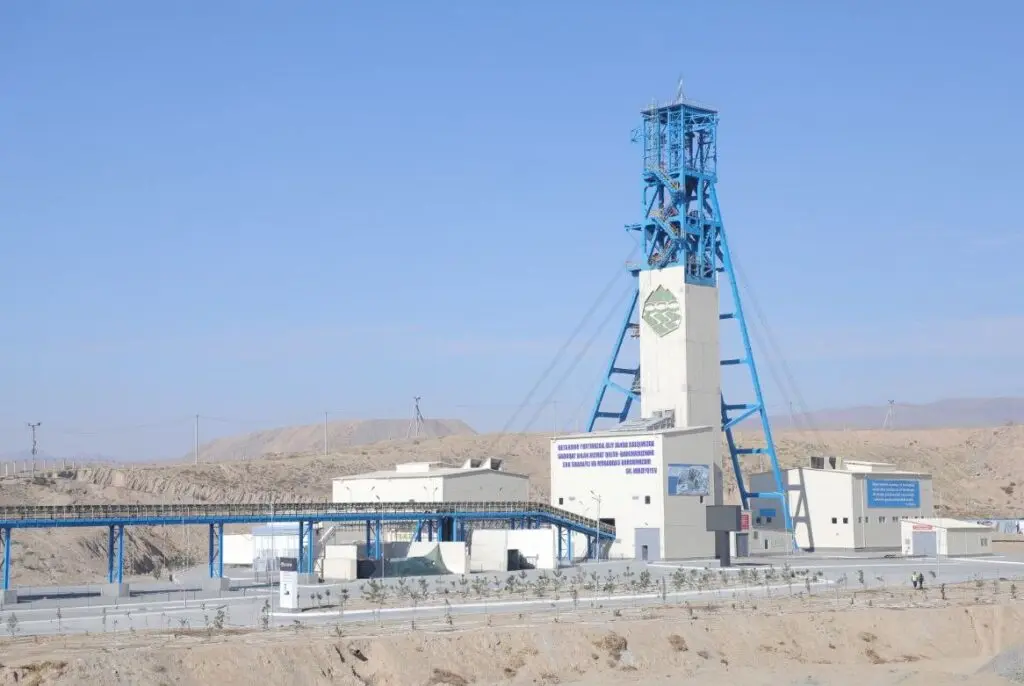
    NMMC JSC has successfully connected the skip and main mine shafts at the Zarmitan deposit, reaching a depth of 1,000 metres. This significant milestone is part of the company’s investment project aimed at developing the lower horizons of the deposit. The newly commissioned skip mine shaft, which has a diameter of 6.5 metres, was inaugurated in April this year. The extension of the main shaft to the same depth has now been completed, allowing for improved operational efficiency and safety measures.

    The connection of these two shafts is expected to enhance the supply of fresh air to the underground sections of the Zarmitan deposit, which is crucial for maintaining a safe working environment for miners. Additionally, this connection will serve as a backup emergency exit, further bolstering the safety protocols in place at the mine. The construction work on the main shaft is anticipated to be finalised by the end of the current year, marking a significant advancement in the mining operations at Zarmitan.

    This development underscores NMMC’s commitment to modernising its mining infrastructure and improving operational safety standards. As the mining industry continues to evolve, such investments are vital for sustaining productivity and ensuring the well-being of workers underground. The Zarmitan deposit, known for its rich mineral resources, is poised to benefit from these enhancements, which will facilitate more efficient extraction processes in the future.

  • Sinopec Partners with Turkestan Region for Major Phosphate Processing Plant

    Sinopec Partners with Turkestan Region for Major Phosphate Processing Plant

    The Akim of Turkestan Region, Nuralhan Kushev, recently met with Zhang Zhanshin, Vice President of Sinopec, to discuss the current status and future plans for a modern phosphate ore processing plant in the Sayramsky district. This significant investment project, valued at 150 billion tenge, is being implemented by the company ‘Sayak Phosphate’. The initiative aims to establish a comprehensive production complex that effectively utilises local mineral resources, including the extraction, enrichment, and deep processing of phosphate ore.

    Upon completion, the plant is expected to enrich 2 million tonnes of phosphate ore annually, producing 1.6 million tonnes of sulphuric acid, 600,000 tonnes of phosphoric acid, 600,000 tonnes of DAP (Diammonium Phosphate), 600,000 tonnes of MAP (Monoammonium Phosphate), and 350,000 tonnes of synthetic ammonia. The products will cater to both domestic markets and exports to China, India, and neighbouring countries.

    Kushev emphasised the project’s importance not only for the region but also for the industrial development of the country as a whole. He stated, “The phosphate processing plant in the Sayramsky district is one of the strategically significant projects for the region and the industrial and economic development of the entire country. Once operational, it will create around 1,000 jobs, enhancing the welfare of the local population and boosting the region’s production capacity.”

    He further highlighted the need for high-quality construction that adheres to international standards, assuring that the government would provide comprehensive support throughout all stages of the project, including infrastructure development and coordination with state authorities.

    The project has been included in the Industrialisation Map, with an estimated phosphate ore reserve of approximately 1 billion tonnes and a phosphorus content of around 20-30%. An EPC contract has been signed with Sinopec Nanjing Engineering Co., Ltd. for the technological aspects of the project. Currently, specialists are conducting additional studies of the production site and ore deposits, selecting cores and ore samples, while verifying technological solutions.

    The technical and economic justification is expected to be completed by October this year, followed by the design phase, construction of engineering infrastructure, railway installation, and procurement of equipment. The plant is slated to commence operations in 2028, with projections indicating that it will contribute approximately 43.3 billion tenge in tax revenues to the budget over the next decade. Additionally, the project aims to establish a new production chain in the chemical industry with high added value, facilitating the production of mineral fertilisers and chemical products, ensuring import substitution, and increasing export potential.

    In related news, a paper processing plant is also set to be constructed in Turkestan Region with an investment of 1 billion tenge, as Chinese investors aim to create a construction hub in the area.


  • New Enrichment Complex to be Built at the Gagarinskoye Gold Deposit

    New Enrichment Complex to be Built at the Gagarinskoye Gold Deposit

    The Akimat of the Zhambyl region has announced plans to construct an enrichment complex at the Gagarinskoye gold deposit located in the Kordai district. This initiative, led by the company Shokpar-Gagarinskoye, is set to be discussed in public hearings scheduled for September 22. The project aims to establish a processing plant with a capacity of up to 1 million tonnes of ore per year, focusing on the production of lead and zinc concentrates, as well as doré alloy from the ore processing outputs.

    Construction of the enrichment complex is slated for 2026-2027, with commissioning activities expected to commence next year. The facility will be situated 22 km northwest of the village of Alga, near the Almaty-Taraz highway, with the nearest settlement, Sogandy, located over 3 km to the northwest. Additionally, the Almaty railway runs north of the site, with the closest railway station, Otar, approximately 45 km away via dirt roads.

    Last year, reports indicated that the annual capacity of the Shokpar-Gagarinskoye mining and metallurgical complex was projected at 500,000 tonnes, with an estimated cost of 47 billion tenge. Local authorities assisted the investor in securing land, and a public-private partnership was proposed for the construction of an electricity transmission line.

    Recently, the Ministry of Industry announced that the scientific and production association Kazmekhanobr had developed an effective technology for the comprehensive processing of polymetallic ores from the Gagarinskoye deposit, which underpins the project’s construction plans. The new combined gravity-flotation technology aims to extract free gold and silver initially, followed by selective flotation of lead and zinc, and subsequent hydrometallurgical processing of the gold-silver-bearing product.

    According to financial reports for 2025, Shokpar-Gagarinskoye holds two licenses for gold mining at the Shokpar and Gagarinskoye deposits in the Zhambyl region until 2038, having previously held exploration contracts for these mineral sites. Between 2020 and 2021, the company drilled 147 geological exploration wells, amounting to 22,223.5 linear meters of core drilling. Based on updated geological data, a mineral resource assessment was conducted in 2022 in accordance with the JORC Code (2012), including reserves estimation for both open-pit and underground mining methods.

    In terms of environmental considerations, the project documentation includes a material balance for ore processing, indicating a doré alloy output of 1.483 tonnes, 7,100 tonnes of lead concentrate, and 9,000 tonnes of zinc concentrate. Historical data from 2019 indicated that the Gagarinskoye deposit had approved reserves of 2,257.4 thousand tonnes of ore and 10.1 tonnes of gold, with an average gold content of 4.48 grams per tonne.

    The Shokpar deposit was similarly assessed with reserves of 1,554.1 thousand tonnes of ore and 11 tonnes of gold, averaging 7.05 grams per tonne. Plans for the Shokpar deposit included open-pit mining until 2028, transitioning to underground mining by 2035. The Gagarinskoye deposit’s operational plans were revised in 2022, targeting an annual extraction of 500,000 tonnes of ore via open-pit methods until 2026, followed by a shift to underground mining.

    In 2021, Shokpar-Gagarinskoye was sold for 4.2 billion tenge to Sunlight Investments, whose current owners are Ualikhan Atageldiev and Igor Vetiul, with Diyar Kanashov appointed as the director. Recent financial reports detail loans received by the company, indicating ongoing financial activity as it prepares for the upcoming construction and operational phases.
  • Kazatomprom Plans Major Uranium Sales Agreements

    Kazatomprom Plans Major Uranium Sales Agreements

    Kazatomprom, Kazakhstan’s national atomic company, is set to convene an extraordinary general meeting of shareholders to discuss two significant uranium sales agreements and a potential change in its board of directors. The first agreement involves the sale of natural uranium concentrates in the form of U3O8 to the Chinese company State Nuclear Uranium Resource Development Company Limited (SNURDC). This deal includes physical delivery to the Alashankou railway station in China. SNURDC, a subsidiary of the State Power Investment Corporation Limited (SPIC), is responsible for uranium supplies and has a state license for importing natural uranium concentrates in China. Kazatomprom’s commercial proposal was accepted by SNURDC, leading to the drafting of a spot purchase agreement for the uranium concentrate. However, details regarding the volumes, timelines, and pricing of the transaction remain undisclosed due to confidentiality agreements.

    The second agreement pertains to the sale of natural uranium in the form of U3O8 to Uranium One Group, with physical delivery to the Siberian Chemical Combine in Russia. Uranium One Group is a major operator of foreign uranium mining assets under the Russian state corporation Rosatom and is also a participant and shareholder in joint ventures with Kazatomprom. Similar to the first deal, the specifics of this contract, including pricing and delivery schedules, are kept confidential, with Kazatomprom asserting that the terms align with current market conditions.

    In addition to the sales agreements, the extraordinary meeting will address a proposed change in the board of directors. This follows the appointment of board member Elzhas Otynshev, who represents Samruk-Kazyna, to the position of chairman of Kazakhstan Temir Zholy, necessitating the early termination of his board membership. The proposal includes appointing Zhandos Kairgeldy, currently the managing director for strategy and asset management at Samruk-Kazyna, as his replacement. All three agenda items will be discussed at the upcoming shareholders’ meeting. Notably, Kazatomprom recently launched the first phase of a uranium mining complex at the Jalpak mine in the Turkestan region, with an annual capacity of 500 tonnes of uranium.


  • Kazatomprom Signals End of ‘Cheap’ Uranium Era Amid Rising Demand

    Kazatomprom Signals End of ‘Cheap’ Uranium Era Amid Rising Demand

    Kazatomprom’s CEO, Meirzhan Yusupov, announced during a financial results conference that the era of ‘cheap’ uranium is coming to an end, as global demand for nuclear energy accelerates. This shift is backed by a commitment from 38 countries, accounting for over 70% of the world’s GDP, to triple nuclear energy capacity by 2050. Yusupov noted that the demand surge is occurring within a disciplined commercial environment, with long-term uranium price indicators remaining stable and reaching an 18-year high. This creates a solid foundation for future long-term contracts, as market dynamics shift towards producers with confirmed large uranium reserves.

    Kazatomprom’s consolidated revenue for the first half of the year rose by 9% year-on-year to nearly 718 billion tenge (approximately $1.57 billion), reflecting financial discipline and a favourable uranium market. However, the industry faces rising production costs, and Yusupov acknowledged that the days of ‘cheap’ uranium are over. The fundamental need for reliable, low-carbon energy remains strong, and global energy companies are aware of this shift, ensuring robust long-term demand for uranium.

    In addition to its financial results, Kazatomprom announced agreements with China’s State Nuclear Uranium Resource Development Company Limited (SNURDC) for spot contracts for natural uranium concentrates, and with Uranium One Group JSC for the sale of uranium concentrates to the Siberian Chemical Combine in Russia. The details of these contracts are confidential but align with current market conditions.

    Recent amendments to Kazakhstan’s Subsoil Code, effective from September, will impact uranium mining licenses, requiring a minimum participation share for Kazatomprom in any organization receiving such licenses. Another amendment shifts the legal framework for uranium exploration from a licensing regime to a contractual one, allowing for a maximum combined term of 11 years for exploration agreements.

    Kazatomprom also reported a new processing plant with a capacity of 500 tonnes per year at the Zhalpak deposit, with plans to expand to 900 tonnes by 2027. However, the construction of a significant sulphuric acid plant is facing delays due to the discovery of potential paleontological finds at the site. Construction has been paused pending regulatory approval for excavation and analysis of the finds.

    The sulphuric acid plant is crucial for Kazatomprom’s uranium extraction operations, and uncertainties regarding its supply have impacted production plans. The total investment in the sulphuric acid plant project is estimated at approximately 113 billion tenge ($2.6 million). The expected commissioning date for the plant has been pushed back to between Q3 2027 and Q1 2028, a delay of 6-12 months, although Kazatomprom anticipates that this will not significantly affect its uranium production operations.


  • Critical Elements Lithium Expands Rose West Discovery in Québec

    Critical Elements Lithium Expands Rose West Discovery in Québec

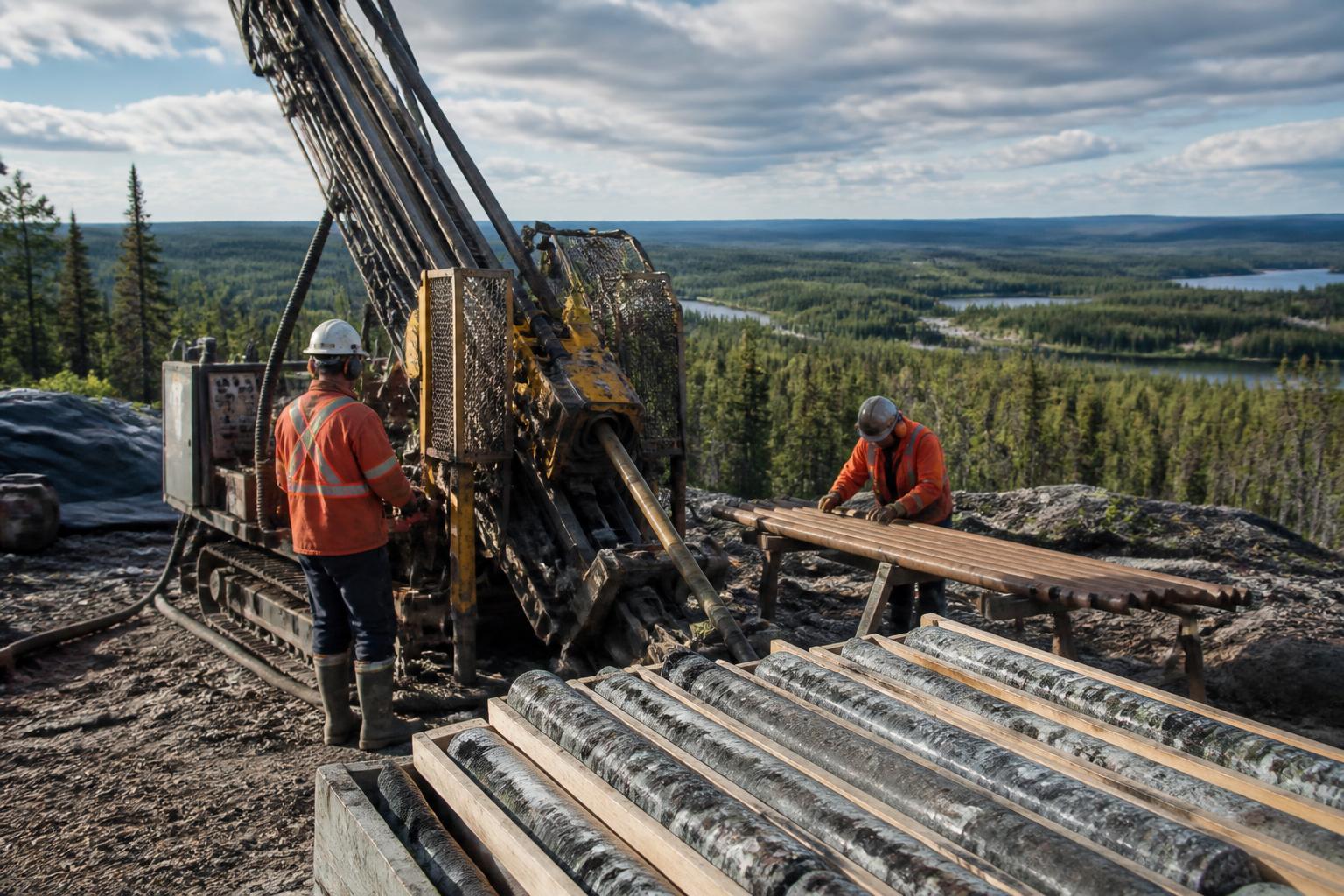
    Critical Elements Lithium (TSX-V:CRE) has announced significant advancements in its phase two summer drilling program at the Rose West Discovery, located in Eeyou Istchee, Québec, Canada. The latest drilling results indicate a substantial increase in the mineralised footprint, now measuring 1,250 metres by 800 metres. This expansion is part of a systematic drilling initiative that aims to cover a total of 10,000 metres around the wholly owned discovery site.

    The company has successfully completed 18 drill holes, amounting to approximately 3,000 metres, with promising assay results emerging from the recent explorations. Notably, hole RW-26-36 revealed an impressive 2.05% lithium oxide (Li2O) and 221 parts per million (ppm) tantalum pentoxide (Ta2O5) over a 7.70-metre interval through Pegmatite 5. Additionally, the same hole also intersected 1.46% Li2O and 176 ppm Ta2O5 over 23.35 metres through Pegmatite 3, which included a peak of 2.12% Li2O and 147 ppm Ta2O5 over a 6-metre section.

    Further drilling results from hole RW-26-37 showed 1.32% Li2O and 157 ppm Ta2O5 over 13.25 metres through Pegmatite 5, alongside 0.94% Li2O and 258 ppm Ta2O5 over 22.40 metres through Pegmatite 3. The phase two drilling program has successfully expanded the mineralised footprint by an additional 300 metres by 300 metres, enhancing the thickness of Pegmatites 5, 3, and 2, which now range from 10 to 30 metres.

    Critical Elements has received assay results for 11 previously drilled holes, with an additional seven holes currently being prepared for assaying. The Rose West Discovery is situated approximately 10 kilometres west of the Rose Lithium-Tantalum Project, which was initially intercepted in winter 2024 over a footprint of 450 metres by 370 metres. As a Canadian critical minerals explorer, Critical Elements Lithium is advancing a diverse portfolio of properties across the Nemaska Belt, including its flagship Rose Lithium-Tantalum Project and the newly expanded Rose West discovery.


  • Azerbaijan and Uzbekistan Near Completion of Exploration on Ustyurt Plateau, Drilling Set for 2027

    Azerbaijan and Uzbekistan Near Completion of Exploration on Ustyurt Plateau, Drilling Set for 2027

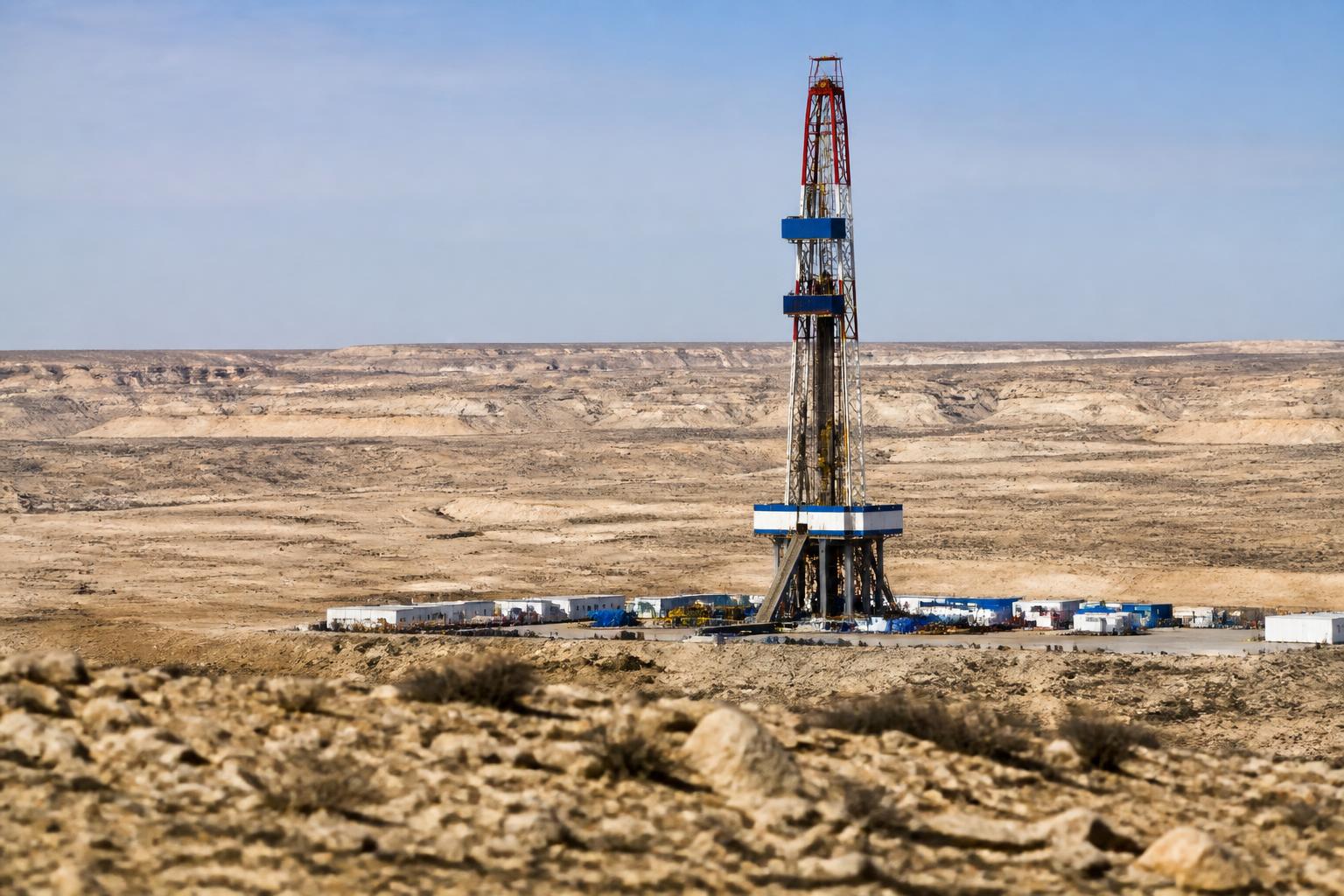
    Azerbaijan and Uzbekistan are advancing towards the practical phase of developing hydrocarbon resources on the Ustyurt Plateau, with drilling operations scheduled to commence in 2027. During a state visit to Tashkent, Azerbaijani President Ilham Aliyev announced that the project is in the final stages of exploration. The oil and gas project is jointly owned by Uzbekistan’s Uzbekneftegaz and Azerbaijan’s SOCAR, each holding a 30% stake, while British company BP controls the remaining 40%.

    The collaboration between Azerbaijan and Uzbekistan began with a cooperation agreement in August 2024, which initiated geological exploration activities. In July 2025, the parties signed a production-sharing agreement that included a 3D seismic survey covering at least 1,000 square kilometres and the drilling of one exploratory well. BP officially joined the project in May 2026, taking on the role of operator.

    The commencement of industrial production on the Ustyurt Plateau is expected to be a lifeline for Uzbekistan, which is experiencing a decline in domestic natural gas production due to depleting reserves. In June 2026, gas production fell to 2.5 billion cubic metres, a 30% decrease compared to the previous year. For the first half of the year, Uzbekistan produced 18.3 billion cubic metres of gas, which is 16% lower than the figures for 2025. In peak years, the country produced around 70 billion cubic metres, but by 2025, annual production had dropped to 42 billion cubic metres.

    This decline in production has intensified Uzbekistan’s reliance on gas imports. In the first six months of 2026, the country spent $972 million on gas and liquefied hydrocarbons imports, 1.4 times more than the previous year. The main suppliers are Russia and Turkmenistan. However, during certain months when domestic demand decreases, Uzbekistan exports surplus gas, primarily to China.


  • Gold Mining in Kyrgyzstan: DGML Project Prospects and Risks for Investors

    Gold Mining in Kyrgyzstan: DGML Project Prospects and Risks for Investors

    As the global gold market experiences fluctuations, the demand for gold remains strong, with prices projected to rise significantly by the end of 2026. In this context, Kyrgyzstan is positioning itself as a potential hub for gold mining, particularly with the involvement of Indian investors in the Solton-Sary project by Deccan Gold Mines Ltd. (DGML). This project marks a significant step towards industrial-scale gold extraction in the region, with plans to process approximately 30,000 tonnes of ore in a pilot phase.

    Kyrgyzstan, unlike its neighbours Uzbekistan and Kazakhstan, has not been a leading gold producer, but untapped reserves could change this narrative. The Solton-Sary site, while not comparable to the Kumtor mine, holds promising resources estimated at 20 tonnes of gold. The project is strategically important not only for DGML but also for the Kyrgyz economy, which is looking to diversify and modernise its mining sector.

    The Solton-Sary project is situated in the Tian Shan mountain range, an area rich in mineral resources. Historical exploration has revealed numerous gold deposits, and the current geological assessments indicate a wealth of untapped potential. The project is set to benefit from existing infrastructure, including a processing plant that was previously operational under Kyrgyzaltyn, which can handle up to 100,000 tonnes of ore annually.

    However, the project is not without risks. Past experiences, such as those faced by Zhong Ji Mining, highlight the importance of community engagement and environmental considerations. Local opposition to mining activities can pose significant challenges, as seen in previous instances where mining operations were halted due to environmental concerns raised by local residents. DGML must navigate these complexities to ensure the project’s success.

    The Kyrgyz government is keen to bolster its mining industry, aiming for a gold production target of 38 tonnes per year by 2030. The revival of the Solton-Sary project is crucial in achieving this goal, especially as production at Kumtor has decreased. The partnership with Indian investors not only enhances Kyrgyzstan’s export potential but also strengthens bilateral relations, potentially paving the way for further investments in the region.

    In summary, the DGML project in Kyrgyzstan represents a significant opportunity for both the country and the investors involved. With careful management of environmental and social factors, the project could lead to substantial economic benefits and establish Kyrgyzstan as a key player in the Central Asian gold mining sector.