As the global gold market experiences fluctuations, the demand for gold remains strong, with prices projected to rise significantly by the end of 2026. In this context, Kyrgyzstan is positioning itself as a potential hub for gold mining, particularly with the involvement of Indian investors in the Solton-Sary project by Deccan Gold Mines Ltd. (DGML). This project marks a significant step towards industrial-scale gold extraction in the region, with plans to process approximately 30,000 tonnes of ore in a pilot phase.
Kyrgyzstan, unlike its neighbours Uzbekistan and Kazakhstan, has not been a leading gold producer, but untapped reserves could change this narrative. The Solton-Sary site, while not comparable to the Kumtor mine, holds promising resources estimated at 20 tonnes of gold. The project is strategically important not only for DGML but also for the Kyrgyz economy, which is looking to diversify and modernise its mining sector.
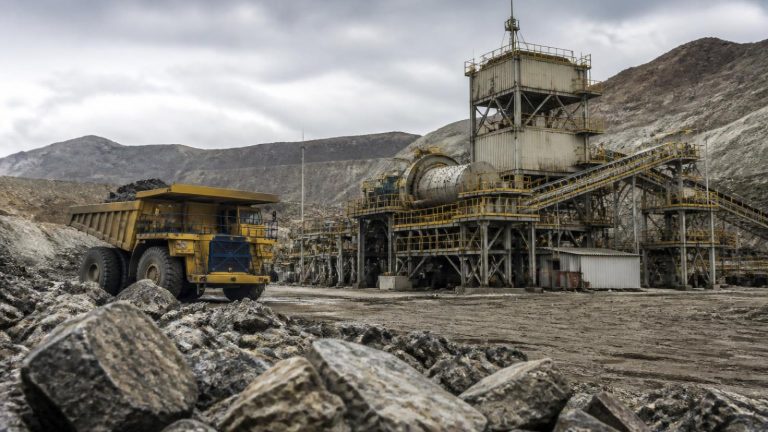
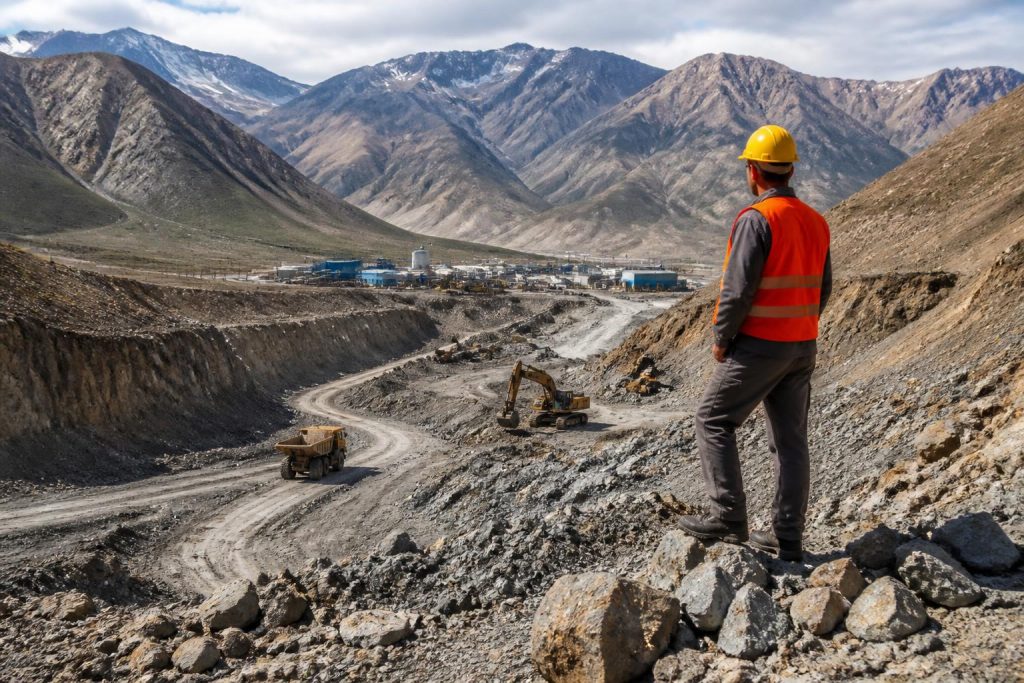
The Solton-Sary project is situated in the Tian Shan mountain range, an area rich in mineral resources. Historical exploration has revealed numerous gold deposits, and the current geological assessments indicate a wealth of untapped potential. The project is set to benefit from existing infrastructure, including a processing plant that was previously operational under Kyrgyzaltyn, which can handle up to 100,000 tonnes of ore annually.
However, the project is not without risks. Past experiences, such as those faced by Zhong Ji Mining, highlight the importance of community engagement and environmental considerations. Local opposition to mining activities can pose significant challenges, as seen in previous instances where mining operations were halted due to environmental concerns raised by local residents. DGML must navigate these complexities to ensure the project’s success.
The Kyrgyz government is keen to bolster its mining industry, aiming for a gold production target of 38 tonnes per year by 2030. The revival of the Solton-Sary project is crucial in achieving this goal, especially as production at Kumtor has decreased. The partnership with Indian investors not only enhances Kyrgyzstan’s export potential but also strengthens bilateral relations, potentially paving the way for further investments in the region.
In summary, the DGML project in Kyrgyzstan represents a significant opportunity for both the country and the investors involved. With careful management of environmental and social factors, the project could lead to substantial economic benefits and establish Kyrgyzstan as a key player in the Central Asian gold mining sector.