Website: Asia.com

  • On-going EU-funded work on the nexus between connectivity for CRM in Central Asia.

    On-going EU-funded work on the nexus between connectivity for CRM in Central Asia.

    Celeste Lagora Tullon — OECD

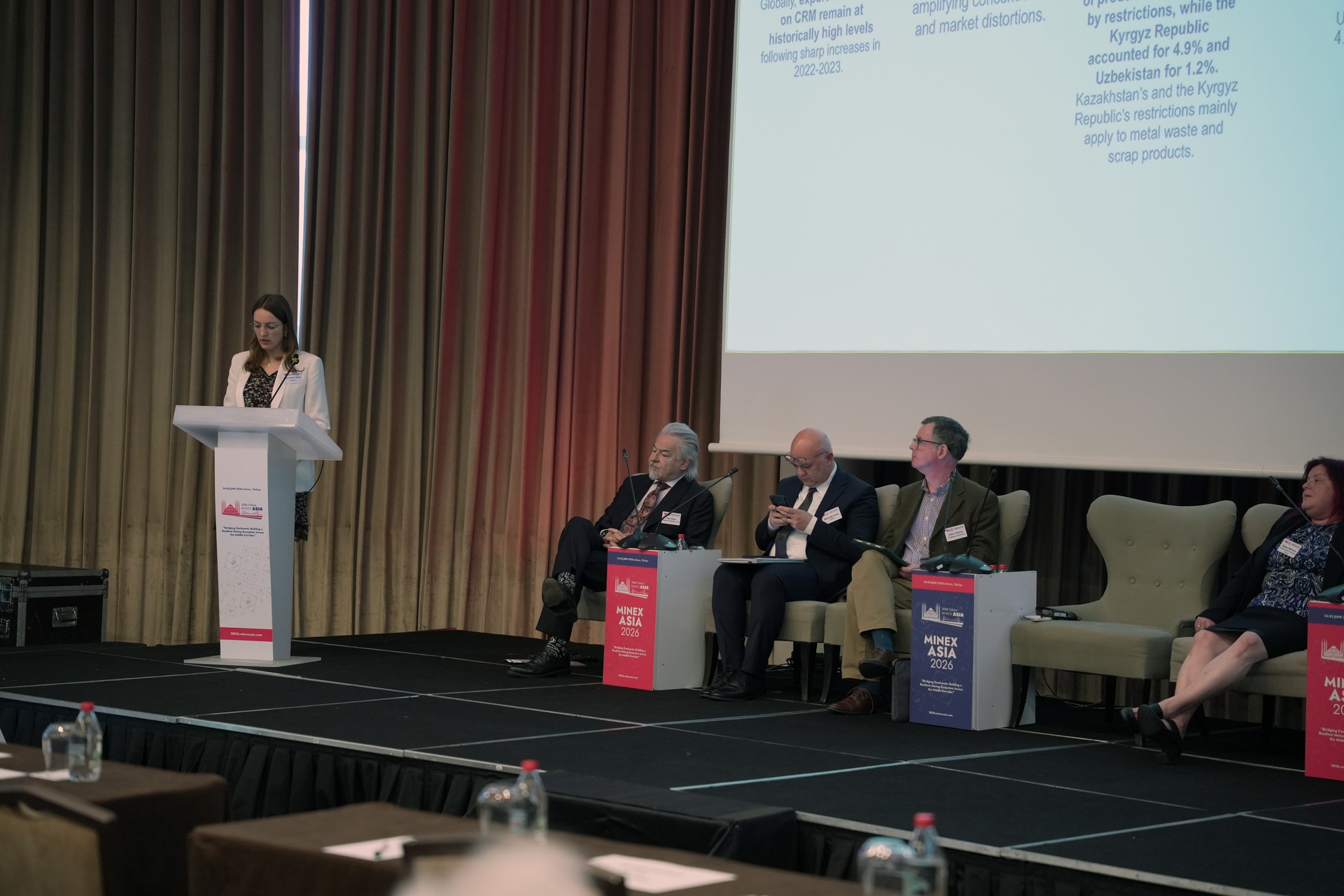
    Lagora Tullon presents OECD’s work on Central Asia’s CRM landscape, framing the core question not as whether the region has mineral potential (widely accepted) but how to convert that potential into secure, transparent, higher-value supply chains. She gives country-by-country snapshots: Kazakhstan is the largest, most diversified producer and closest to international reporting standards; Kyrgyzstan has a concentrated, gold-heavy profile with a new (late-2025) CRM strategy but contradictory policy signals around state ownership and export restrictions; Tajikistan holds major antimony reserves (already exported to the EU) but lags on regulatory modernization; Turkmenistan remains hydrocarbon-focused with underexplored mineral potential; Uzbekistan combines strong resources with ambitious reforms opening to foreign investment under continued state oversight. Her broader conclusion: governance, regulatory stability, and transparency matter as much as geology.

    She then introduces a new EU-funded (Global Gateway) project examining three bottlenecks to converting Central Asia from a raw-material exporter into a processing economy: (1) transport infrastructure still geared toward bulk commodities — only 11% of Kazakhstan’s freight stations can handle containers, a problem for higher-value, time-sensitive CRM shipments; (2) trade policy volatility — export restrictions on CRM are rising globally, and Central Asian economies (Kazakhstan, Kyrgyzstan, Uzbekistan) are part of that trend, undermining investor predictability; (3) insufficient processing/refining capacity, which limits value capture and leaves the region dependent on external (mainly Chinese) processing hubs. The project will survey mining-sector stakeholders and produce a ministerial-level report by mid-next year.

    #CentralAsia #CriticalRawMaterials #GlobalGateway #MiddleCorridor #OECD #MiningIndustry #SupplyChainSecurity
  • Altai Resources Secures Subsoil Use Licence in Kazakhstan

    Altai Resources Secures Subsoil Use Licence in Kazakhstan

    Altai Resources Limited has announced a significant regulatory achievement with the receipt of a formal notification of intent from the Ministry of Industry and Construction of the Republic of Kazakhstan. This notification paves the way for the company to be granted a subsoil use licence adjacent to the Maksut South copper-nickel mine. This development is a pivotal moment for Altai Resources, as it not only enhances their operational capabilities but also expands their exploration footprint within the highly prospective magmatic sulphide belt located in East Kazakhstan.

    The acquisition of this licence is expected to bolster the company’s position in the region, which is known for its rich mineral deposits, particularly in copper and nickel. The magmatic sulphide belt in East Kazakhstan has been identified as a significant area for exploration, and Altai Resources aims to leverage this opportunity to enhance its resource base and contribute to the local mining sector.

    As the demand for copper and nickel continues to rise globally, driven by the transition to renewable energy and electric vehicles, Altai Resources is strategically positioning itself to meet this demand. The company’s expansion into this area aligns with broader industry trends, where mining companies are increasingly seeking to secure access to critical minerals that are essential for modern technologies.

    This development not only reflects Altai Resources’ commitment to growth and exploration but also highlights the supportive regulatory environment in Kazakhstan, which is working to attract foreign investment in its mining sector. The successful acquisition of the subsoil use licence is a testament to the company’s strategic planning and operational execution, setting the stage for future exploration and potential discoveries in the region.

  • Tajikistan Revises Economic Forecast: Investments Up, Aluminum Down

    Tajikistan Revises Economic Forecast: Investments Up, Aluminum Down

    The government of Tajikistan has officially revised its economic development forecast for the period 2027–2029, signalling a significant shift in the nation’s growth strategy. The new medium-term scenario highlights a strategic pivot towards industrial expansion, moving away from the traditional reliance on primary commodity exports. This adjustment comes in response to changing domestic dynamics and evolving global commodity trends, as the country seeks to bolster its economic resilience.

    Key revisions in the macroeconomic framework indicate a substantial increase in expectations for inbound investments, which are now seen as a primary pillar for the revised outlook. The government has set ambitious targets for heavy manufacturing and freight transportation, reflecting a proactive approach to enhancing industrial capacity. This shift is essential as Tajikistan aims to diversify its economic base and reduce vulnerability to fluctuations in global commodity prices.

    Conversely, the forecast for aluminum production—a historically significant export for Tajikistan—has been downgraded. The government has reduced its production and revenue projections for this sector, aligning with broader regional warnings from institutions such as the Asian Development Bank and the Eurasian Fund for Stabilization and Development. Analysts have previously highlighted the cooling global prices for primary metals, including aluminum, as a potential headwind for the Tajik economy.

    Additionally, specific segments within the agricultural sector have also seen downward adjustments in forecasts, indicating challenges in this area as well. The revised economic model for 2027–2029 reflects a proactive adjustment to these cooling commodity markets, with a clear focus on enhancing industrial capacity and promoting domestic investment.

    As Tajikistan navigates this shifting economic landscape, the government’s strategic pivot towards industrialisation could play a crucial role in stabilising the economy and fostering sustainable growth. The implications of these changes for Tajikistan’s trade balance with regional partners and the exact percentage targets for GDP growth remain areas of interest for further analysis.

  • Gennadii Butkevych Awarded Order of Merit for Contributions to Ukraine

    Gennadii Butkevych Awarded Order of Merit for Contributions to Ukraine

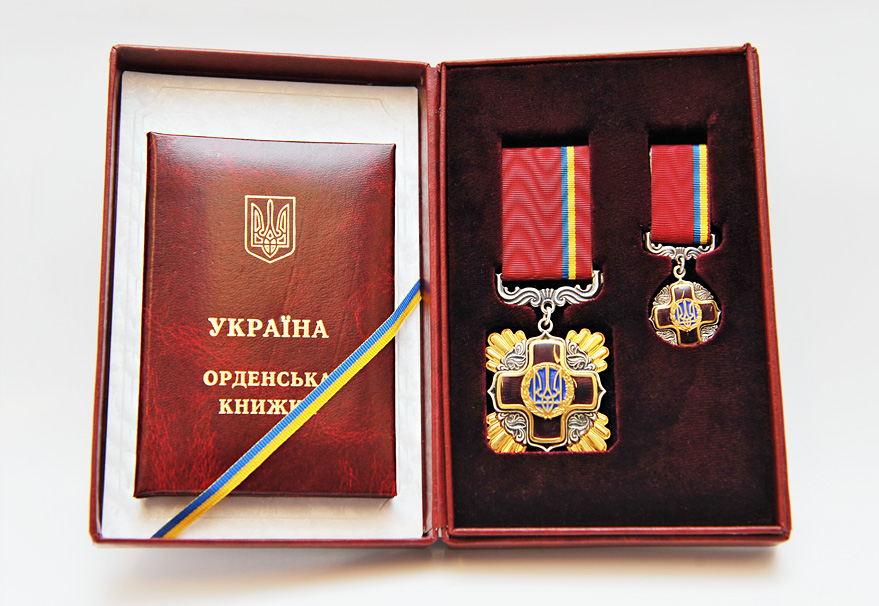
    Gennadii Butkevych, the founder of BGV Group Management, has been awarded the Order of Merit, Third Class, by President Volodymyr Zelenskyy in recognition of his significant contributions to Ukraine’s statehood and public life. This honour comes as Ukraine celebrates its 35th anniversary of independence. Butkevych’s dedication to defending the sovereignty and territorial integrity of Ukraine, alongside his professional achievements, has been acknowledged through this prestigious award.

    BGV Group Management, which operates across five key sectors including mining, energy, infrastructure, retail, and education, plays a crucial role in supporting the Ukrainian economy during challenging times. The company has been instrumental in fostering development and advocating for national interests, showcasing the resilience and commitment of Ukrainian businesses.

    In addition to his business ventures, Butkevych is also known for his philanthropic efforts through the BGV Charity Fund, which has provided substantial support to military, community, and humanitarian initiatives since the onset of the full-scale invasion. Over UAH 1.6 billion has been allocated to charitable activities, including assistance to Ukraine’s Defense Forces and various educational and sports projects.

    The recognition of Butkevych with the Order of Merit underscores the importance of individual contributions to national development, particularly in times of crisis. His work exemplifies the spirit of Ukrainian entrepreneurship and the vital role that business leaders play in the country’s ongoing struggle for sovereignty and stability.

  • Azerbaijani Companies Expand Gold and Rare Earth Mining Ventures in Uzbekistan

    Azerbaijani Companies Expand Gold and Rare Earth Mining Ventures in Uzbekistan

    Uzbekistan is broadening its international partnerships in the mining sector, with recent agreements signed with Azerbaijani companies focusing on gold and rare earth metals (REMs), hydrocarbon exploration, and the processing of silver-containing ores, as reported by Gazeta.uz, citing the Ministry of Investments of the Republic.

    AzerGold, an Azerbaijani gold mining company, has gained access to the Akba deposit in the Kashkadarya region. According to Uzgeologiya, over 13 tonnes of extractable gold reserves were added to the state balance last year, with the site’s potential estimated at an additional 50 tonnes. Concurrently, AzerGold will conduct geological studies in promising areas of the Navoi region.

    In the Namangan region, a joint venture will be established for processing silver-containing ore, with processing facilities to be built based on the deposit in the Pap region. Sur Gold and Silver Project will be the partner in this initiative.

    Collaboration with NEQSOL Holding in the field of REMs will cover the Navoi, Tashkent, and Jizzakh regions. This partnership is a continuation of a broader agreement signed in June at the Tashkent Investment Forum, which involves the joint extraction of strategic minerals, including titanium.

    Additionally, the Azerbaijani state oil and gas company SOCAR will undertake exploratory works as part of the ‘Ustyurt’ project, which encompasses six blocks: Terengkuduk, Boyterak, Birkori, Kharoy, Kulboy, and Karakalpak, located in Karakalpakstan. This expansion of Azerbaijani companies into Uzbekistan’s mining sector signals a significant step towards enhancing regional cooperation and resource development.

  • Altyntau Kokshetau Transitions to Underground Mining, Extending Mine Life Until 2047

    Altyntau Kokshetau Transitions to Underground Mining, Extending Mine Life Until 2047

    Altyntau Kokshetau, a prominent gold mining company in Kazakhstan, has announced a strategic shift to underground mining operations at its gold deposit in the Akmolinsk region, effectively extending the mine’s operational life until 2047. This transition marks a significant milestone in the company’s history, which spans over 60 years. The regional akimat reported that underground drilling and blasting works have already commenced, signalling the start of a new phase in resource extraction.

    The decision to move to underground mining is not only a technical advancement but also a vital economic strategy for the region. The company has expanded its mining territory by acquiring an additional 1,057 hectares of land, which is essential for developing the necessary underground infrastructure. This transition is expected to bolster the local economy significantly, as Altyntau Kokshetau is one of the major employers in the area, providing jobs for over 1,700 individuals. The mine contributes 17% to the region’s total industrial output and 23% to its manufacturing sector.

    The sustainability of the mine is crucial for the social stability of the Akmolinsk region. By maintaining operations at this key enterprise, the company is not only preserving jobs but also providing a long-term planning horizon for the local community. The transition to underground mining is projected to create approximately 600 new jobs and generate over 3 billion tenge in annual tax contributions to the local budget.

    In terms of financial investment, Altyntau Kokshetau has committed to investing more than $700 million into the development of the deposit. The planned hybrid approach includes underground mining of three ore zones with an annual capacity of 2 million tonnes, alongside deepening the open pit from its current depth of 540 metres to 680 metres, which will allow for an additional 6 million tonnes of production per year. This comprehensive development strategy underscores the company’s commitment to sustainable mining practices and its role in the regional economy.

  • Erdene Resource Development Faces Investor Caution Amid Gold Project Execution Risks

    Erdene Resource Development Faces Investor Caution Amid Gold Project Execution Risks

    Erdene Resource Development Corporation (TSX:ERD), a Canadian mining company focused on gold production in Mongolia, has seen its stock decline by 4.20% as of August 28, 2026. This downturn is attributed to investor concerns regarding operational execution, market volatility, and the inherent risks associated with transitioning from development to production. The company’s primary asset, the Bayan Khundii Gold Project, is central to its growth strategy, yet the recent stock performance reflects a broader hesitance among investors who are reassessing the company’s operational capabilities and market conditions.

    As Erdene continues to ramp up production at Bayan Khundii, the company has reported improvements in mining efficiency and operational performance. However, the transition phase is fraught with challenges, including the need for consistent production levels, effective cost management, and the ability to navigate the complexities of mine expansion. Investors are particularly focused on whether the company can sustain its operational improvements amidst fluctuating gold prices and rising costs.

    The gold market remains volatile, influenced by factors such as interest rate expectations, inflation trends, and geopolitical uncertainties. While gold typically serves as a safe haven during economic instability, mining equities can suffer when investors reassess their risk exposure. Erdene’s recent stock decline is a reflection of this cautious sentiment, as investors weigh the company’s production capabilities against the backdrop of a challenging market environment.

    Erdene’s business model is centred around gold production, with its financial performance closely tied to gold prices, production volumes, and operational efficiency. The company is not currently prioritising dividend payments, opting instead to reinvest in growth initiatives and strengthen its production platform. This growth-oriented strategy is aimed at enhancing shareholder returns through increased production and exploration opportunities.

    Despite the challenges, Erdene’s long-term outlook remains optimistic, supported by the potential growth of the Bayan Khundii project and additional exploration assets in Mongolia. However, the near-term outlook is cautious as investors continue to monitor the company’s ability to manage production ramp-up risks, cost pressures, and geopolitical exposures. The future performance of Erdene Resource Development will largely depend on its operational delivery, financial discipline, and progress across its mining portfolio, as investor confidence is closely linked to these factors.

  • Uzbekistan and China Set Ambitious $30 Billion Trade Target Amid Strengthening Economic Ties

    Uzbekistan and China Set Ambitious $30 Billion Trade Target Amid Strengthening Economic Ties

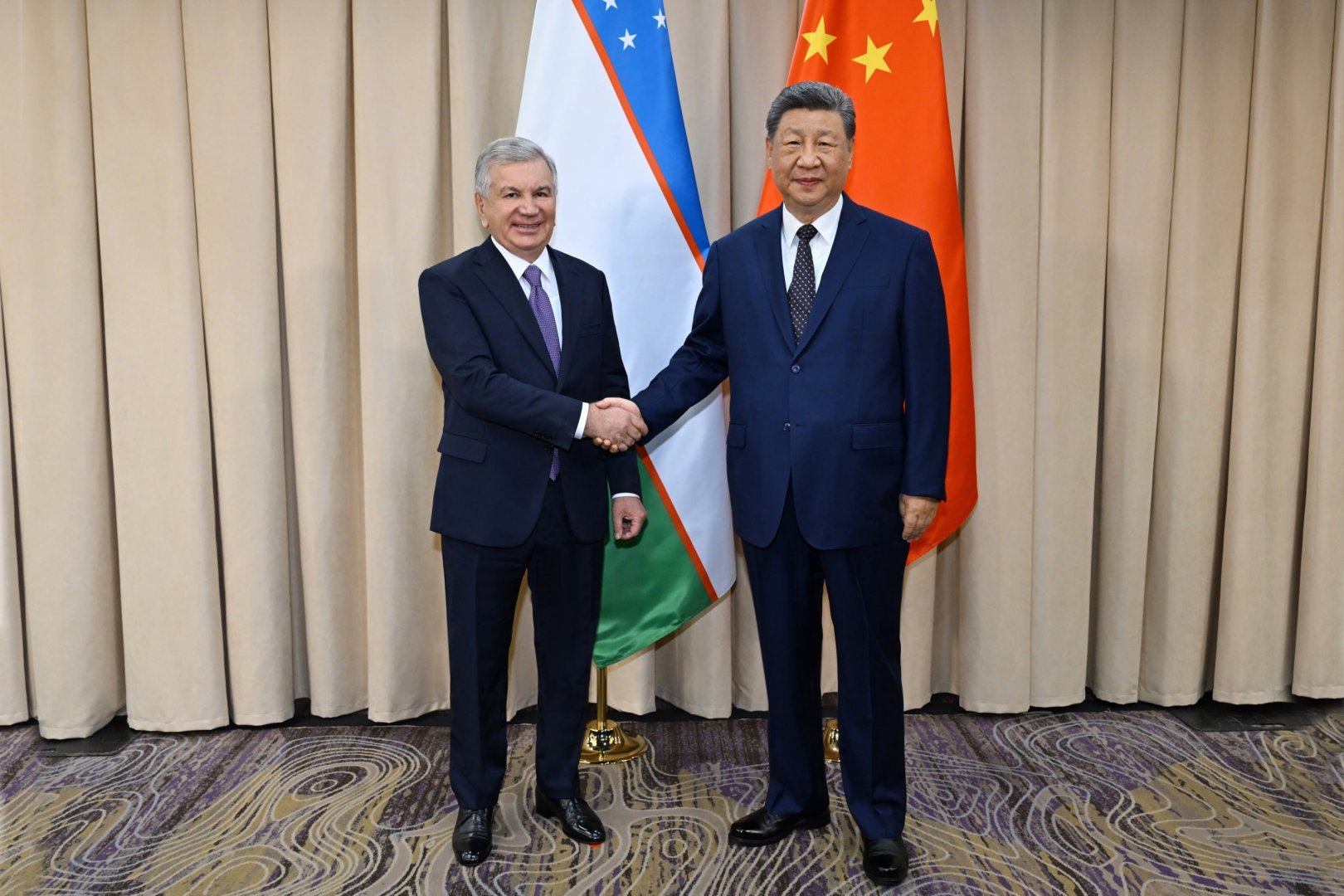
    Uzbekistan and China are moving to deepen cooperation across mining, mineral processing, and nuclear energy, as President Shavkat Mirziyoyev and Chinese President Xi Jinping discussed a broader economic partnership at the Shanghai Cooperation Organization summit in Bishkek. Alongside a shared ambition to raise bilateral trade from roughly $18 billion last year to $30 billion, the two leaders singled out mining and the extraction and processing of mineral resources as priority areas for expanded industrial cooperation.

    The resource-sector focus sits within a much larger investment relationship: an estimated $60 billion in ongoing joint investment projects and more than 6,000 joint ventures are already active in Uzbekistan. Metallurgy was named specifically among the priority industrial sectors, alongside energy, chemicals, and high technologies — a signal that Chinese capital and technical expertise are expected to flow further into Uzbekistan’s mining and metals value chain, from raw extraction through to processing and downstream materials.

    On the nuclear side, Uzbekistan reiterated its intent to attract Chinese companies into peaceful nuclear energy projects, positioning this alongside conventional and renewable power as part of a broader energy diversification strategy. This comes as Tashkent has been actively courting international partners for both large-scale and small modular reactor projects, and China’s inclusion in that mix points to growing competition among global nuclear vendors for a foothold in Central Asia’s emerging civil nuclear market.

    Supporting infrastructure for these ambitions is also advancing: the China-Kyrgyzstan-Uzbekistan railway, currently under construction, is expected to strengthen Eurasian transport connectivity under the Belt and Road Initiative — a corridor that would also serve as a logistics backbone for moving mined and processed materials to Chinese and regional markets.

    Taken together, the mining and nuclear commitments reflect a shift in the Uzbekistan-China relationship beyond trade volumes and consumer manufacturing (such as the BYD electric vehicle partnership) toward deeper integration in resource extraction, materials processing, and energy security — areas where China’s demand for critical minerals and Uzbekistan’s mineral wealth and nuclear ambitions increasingly align.


  • Kazakhstan Launches Northern Katpar Tungsten Project to Boost Local Economy

    Kazakhstan Launches Northern Katpar Tungsten Project to Boost Local Economy

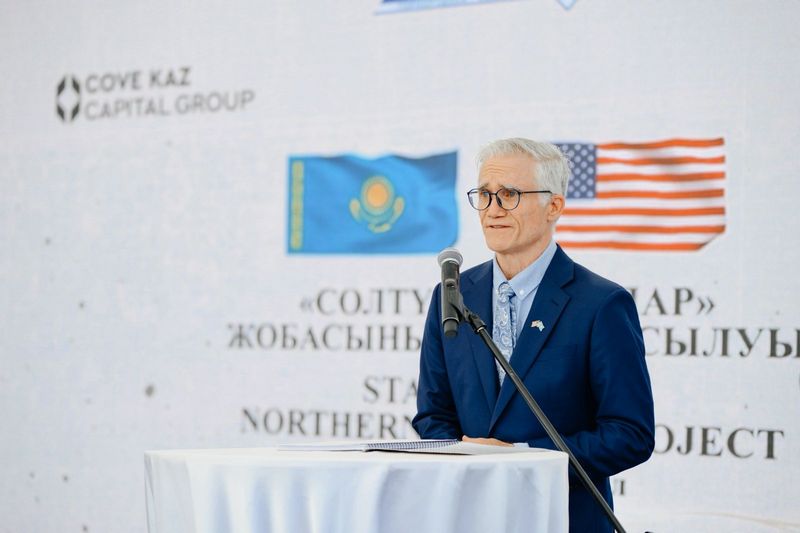
    Kazakhstan has officially commenced the practical implementation of the Northern Katpar tungsten project, located in the Karaganda Region, as announced by the regional akimat. This significant initiative is part of a broader strategy to develop one of the world’s largest tungsten deposits, alongside the Verkhne-Kairakty deposit. Preparatory work has been ongoing for the past two months, focusing on the establishment of production sites, access roads, and essential field infrastructure, complemented by geodetic surveys. A comprehensive feasibility study is currently in progress and is anticipated to be completed by the end of 2027.

    Deputy Akim of Karaganda Region, Shyngys Suyunbayev, highlighted the project’s importance, stating that it will not only attract foreign investment but also provide a substantial economic boost to the Shet District. The project is projected to create approximately 1,200 new jobs upon commissioning. Dominic Heaton, CEO of Cove Kaz Capital Group, emphasized that the investor’s vision extends beyond mere deposit development; it aims to establish a modern, internationally competitive tungsten mining and processing industry within Kazakhstan.

    The Northern Katpar project is set to foster domestic value addition through processing, alongside skills development and enhanced participation of Kazakh companies in the supply chain. Daniyar Idrisov, Chief Investment and Strategy Officer at Tau-Ken Samruk, noted that the partners are committed to creating a full production cycle, encompassing everything from ore extraction to metallurgical processing and the production of high-value tungsten products.

    Total investment in the development of both deposits and the necessary mining and processing infrastructure is estimated at around $1.1 billion. The project is expected to yield approximately 12,000 tons of tungsten products annually, which would account for about 15% of current global tungsten production, according to the regional akimat. The initiative not only focuses on ore extraction and beneficiation but also aims for deep processing within Kazakhstan, thereby establishing a new production chain in the critical minerals sector.

    According to the current timeline, major construction activities are projected to commence in 2028, with commissioning works slated for 2029. This ambitious project is poised to significantly enhance Kazakhstan’s position in the global tungsten market while providing economic opportunities for the local population.

  • Sokli Project: Paving the Way for Finland’s Critical Minerals Self-Sufficiency

    Sokli Project: Paving the Way for Finland’s Critical Minerals Self-Sufficiency

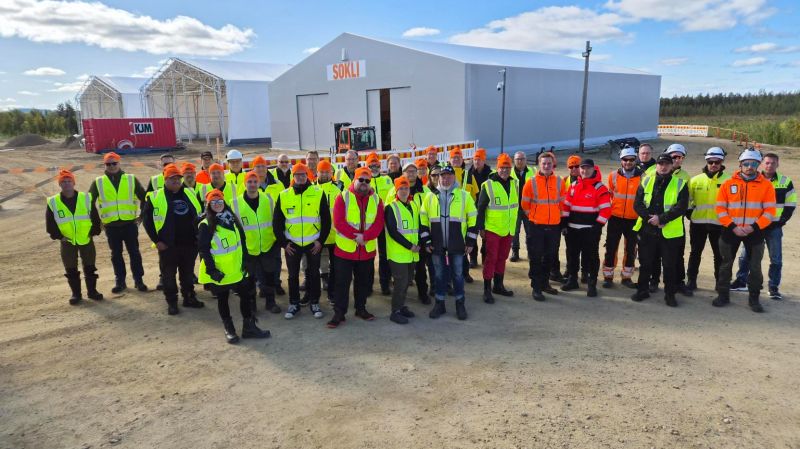
    The Sokli project is emerging as a cornerstone for Finland’s ambitions to achieve self-sufficiency in critical minerals. In collaboration with the Regional Council of Lapland and the Joint Municipal Authority of Eastern Lapland, stakeholders recently convened to assess the project’s progress and explore the opportunities it presents for Finnish companies both now and in the future. The discussions highlighted the potential of Sokli to not only bolster local economies but also to contribute to national goals regarding sustainable mineral production.

    A significant aspect of the Sokli initiative is the ‘More than a Mine’ project, which is funded by Business Finland. This initiative aims to foster innovative solutions and establish business and cooperation networks within the mining sector. The emphasis on collaboration among research institutions, businesses, and various stakeholders is seen as vital for cultivating sustainable growth and enhancing competitiveness in Finland’s mining industry.

    As the development of Sokli progresses in stages, it is crucial to maintain an open dialogue about the opportunities the project can generate on both regional and national levels. The engagement of local communities and businesses is essential to ensure that the benefits of the project are maximised and that it aligns with Finland’s broader economic and environmental objectives.

    The Sokli project represents a proactive step towards securing Finland’s position in the global critical minerals market, which is increasingly important in the context of the European Union’s strategic goals. As discussions continue and the project evolves, it is clear that Sokli is set to play a pivotal role in shaping the future of sustainable mining in Finland.