Website: Asia.com

  • Kazakhstan’s Strategic Position in the Global Critical Minerals Market

    Kazakhstan’s Strategic Position in the Global Critical Minerals Market

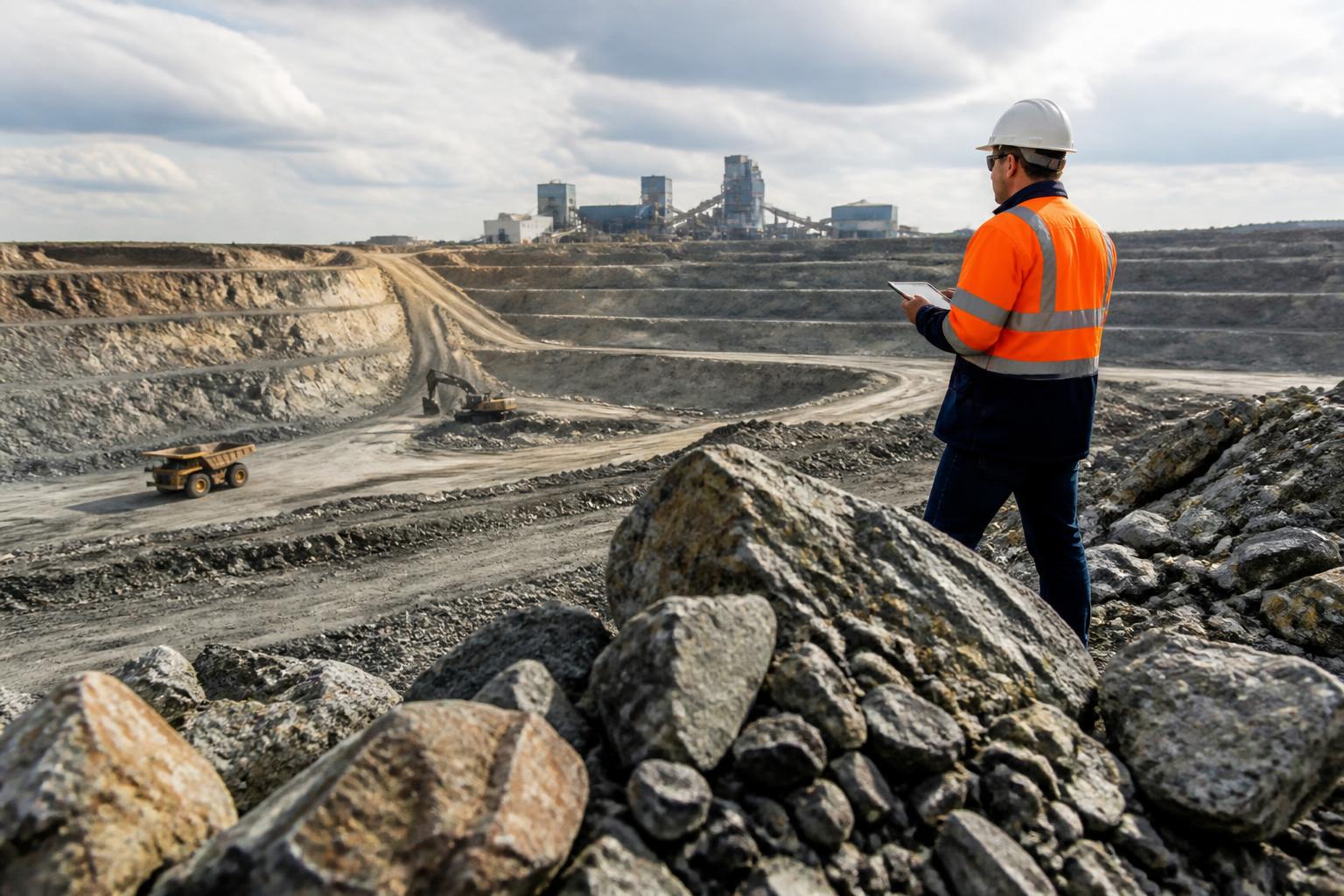
    Kazakhstan is poised to strengthen its position in the global supply chains of critical minerals amid rising worldwide demand. The country’s rich resource base is becoming increasingly significant for high-tech industries, energy, IT, aerospace, and defence sectors. The desire of major economies to diversify their supply sources opens up additional opportunities for attracting investment and developing processing capabilities. This strategic importance was highlighted during a Security Council meeting chaired by President Kassym-Jomart Tokayev, who noted the intensifying competition for rare and rare earth metals. He emphasised the need to effectively utilise the country’s resource and production potential while developing local competencies and creating higher value-added products.

    The discussion on Kazakhstan’s prospects in this market, the development of geological exploration, attracting technology and investment, and transitioning to deeper processing was led by industry expert Telman Shuriyev. He pointed out that while Kazakhstan remains a resource-rich country, with a significant portion of its exports comprising oil, gas, and metals, there is a growing trend towards developing the mining and metallurgical complex. The increasing demand for critical minerals from Europe, China, and the USA provides a strong impetus for Kazakhstan to leverage its capabilities in this sector.

    Kazakhstan currently holds a leading position in Central Asia, but neighbouring Uzbekistan is also developing rapidly and offering its metals to Chinese, European, and American markets. To maintain its competitive edge, Kazakhstan must not fall behind in this race. The country has substantial geological potential yet to be unlocked, necessitating an increase in geological exploration and the attraction of new technologies. Cooperation with China, particularly in technology transfer, is seen as essential for accessing other markets.

    The President has tasked the nation with moving away from a raw material model to producing higher value-added products. However, Kazakhstan still predominantly exports metals in the form of concentrates or raw materials, with fewer projects focusing on high-value production. The next step involves producing finished metal products and utilising rare earth metals in high-tech components. The government is gradually regulating this transition, including limiting the export of certain concentrates to encourage domestic processing.

    Geological exploration plays a crucial role in this strategy. Historically, many deposits were discovered based on the most obvious and in-demand raw materials, such as copper and gold. However, there is now a growing interest in tungsten, molybdenum, and rare earth metals. To better understand its critical material reserves, Kazakhstan must enhance the accessibility of geological information for investors and stimulate the arrival of new technologies.

    Kazakhstan’s significant stock of technogenic mineral formations (TMOs) presents another opportunity. With over 58 billion tonnes of TMOs accumulated, there is potential for these to serve as a new raw material base. Recent tax incentives introduced in 2024 have already increased interest in this area, particularly from Chinese companies looking to invest in Kazakhstan’s industrial projects. By effectively processing TMOs, Kazakhstan can extract valuable metals while addressing environmental concerns.

    The elevation of critical materials to the level of the Security Council underscores their strategic importance. This move signals to industrial companies, small and medium businesses, government bodies, and investors that Kazakhstan is serious about diversifying its economy and enhancing its technological sovereignty. With the right investments, technology transfers, and a well-thought-out tax incentive system, Kazakhstan can carve out a niche in the global market for critical minerals, contributing to the diversification of supply chains for the USA, Europe, and beyond. The country has the potential to become a significant player in this field, provided it acts swiftly to develop its resources and capabilities.
  • Oman Delegation Visits Solidcore Resources in Kazakhstan to Explore Investment Opportunities

    Oman Delegation Visits Solidcore Resources in Kazakhstan to Explore Investment Opportunities

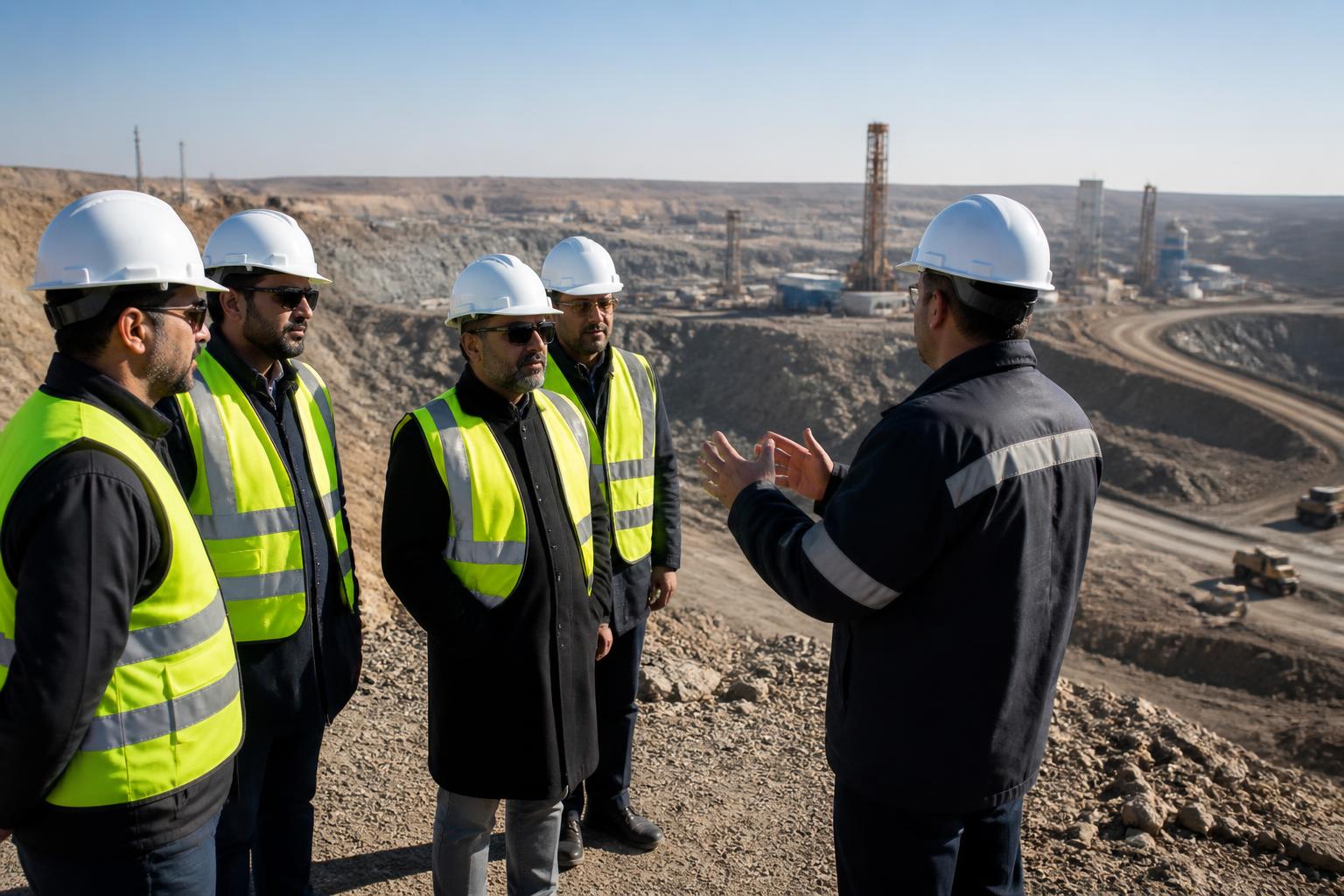
    A delegation from the Sultanate of Oman, led by His Excellency Abdul Salam Al Murshidi, President of the Oman Investment Authority (OIA) and Chairman of the Board of Solidcore Resources, recently visited Kazakhstan to engage with the leadership of Solidcore and tour the Kyzyl mine and processing complex. The visit underscores Oman’s commitment to strengthening its investment ties with Kazakhstan, particularly through Solidcore, where Maaden International Investment, a wholly-owned fund of the Omani government, holds a significant 31.7% stake.

    Accompanying the delegation were key figures from Minerals Development Oman (MDO), including Chairman Hamid Al Naamani and CEO Mattar Al Badi. MDO is a partner in a joint venture with Solidcore on the Khabiyat copper-gold project, which marks the first international geological exploration project in Oman, with an agreement signed earlier this year.

    During their meeting with Solidcore’s management, the delegation was briefed on the company’s operations and the progress of the Ertis hydrometallurgical plant (EGMK). His Excellency Al Murshidi highlighted Solidcore as a flagship investment project for Oman in Kazakhstan, emphasising the importance of a predictable regulatory environment in the country. He stated, “We view Kazakhstan as a long-term strategic partner. The stable and predictable investment climate established under the President’s leadership, along with the government’s efforts to protect sovereign investments, forms the basis for long-term cooperation. We intend to continue supporting the growth of Solidcore and expand our investments in the country. The recently signed Investment Cooperation Agreement between our countries is a significant step in defining new investment opportunities between Oman and Kazakhstan.”

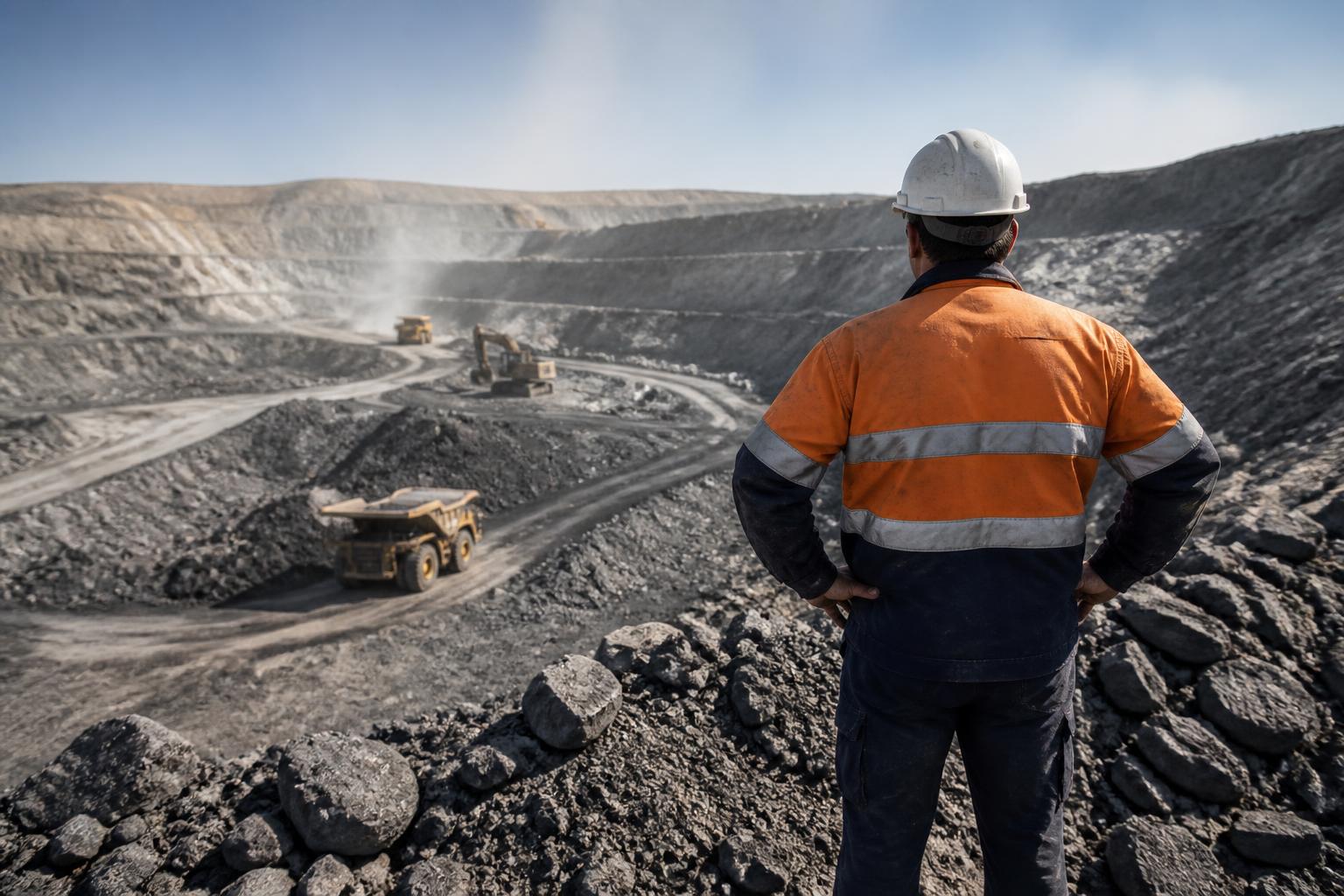
    The Omani delegation also visited the Kyzyl mine, Solidcore’s largest operation, which produces approximately 350,000 ounces of gold annually at a grade of 5 g/t. His Excellency Al Murshidi concluded by noting that Solidcore’s deep expertise in ore processing and responsible mining provides a solid foundation for prospective joint projects in Oman, the Gulf region, and potentially Africa. These opportunities will contribute to Solidcore’s evolution into an international mining company, leveraging its technical competencies, quality assets, robust corporate governance, and experienced team.


  • Kazakhstan’s Lomonosovskoye Iron Ore Deposit Set to Resume Operations in 2029

    Kazakhstan’s Lomonosovskoye Iron Ore Deposit Set to Resume Operations in 2029

    Kazakhstan is gearing up for a significant project aimed at the extraction of iron ore from the Lomonosovskoye deposit, located in the Kostanay region. According to financial reports from the company managing the site, preparations for mining operations are set to commence, with the first extraction planned for 2029 after years of inactivity. The report indicates that the amendment to the mining contract is in its final stages of approval, which includes a working programme extending until December 31, 2046, and plans for the construction of a beneficiation plant.

    The timeline for the project outlines that preparatory work will be conducted until the end of 2026, followed by stripping operations from 2026 to 2028, without any concurrent ore extraction. The proposed beneficiation plant is expected to have a capacity of 16 million tonnes of iron ore per year, and the project has already received preliminary approval from the Ministry of Industry.

    Originally acquired by the Austrian company Safin Handelsges. GmbH in 2008, the Lomonosovskoye deposit was initially projected to produce 6 million tonnes of iron ore annually starting in 2015. However, plans changed, and the asset was put up for sale in 2010. In 2011, Canadian firm Newbridge Capital Inc. purchased the majority stake for $70.3 million, while retaining a 15% share for Safin Handelsges. As of the end of 2025, Kazco Beteiligungs GmbH, linked to Kazax Minerals Inc., holds a 99.99% stake in the deposit, with the remaining shares held by minority investors.

    The mining contract for Lomonosovskoye was originally signed in 2009 for a duration of 21 years, allowing for five years of exploration. The reserves were officially approved at 177 million tonnes of iron ore by the state commission in 2015. Subsequent assessments indicated measured and inferred resources of 507.8 million tonnes as of October 31, 2014. The project has faced delays, including a two-year conservation period initiated in 2016, but has recently made strides towards resuming operations.

    Future cash flow projections for the project are based on key assumptions, including an iron ore price of $100 per tonne. The total expected ore production over the life of the deposit is estimated at 275.3 million tonnes, with a projected output of 73.5 million tonnes of iron concentrate containing 67% iron. The project aims to gradually increase production capacity to reach an annual extraction of 22 million tonnes in the later years of operation. Overall, the project’s implementation cost is estimated to be around $1.5 billion, highlighting its significance in Kazakhstan’s mining sector.


  • Uzbekistan’s NMMC Reports $7.23 Billion Gold Production in First Half of 2026

    Uzbekistan’s NMMC Reports $7.23 Billion Gold Production in First Half of 2026

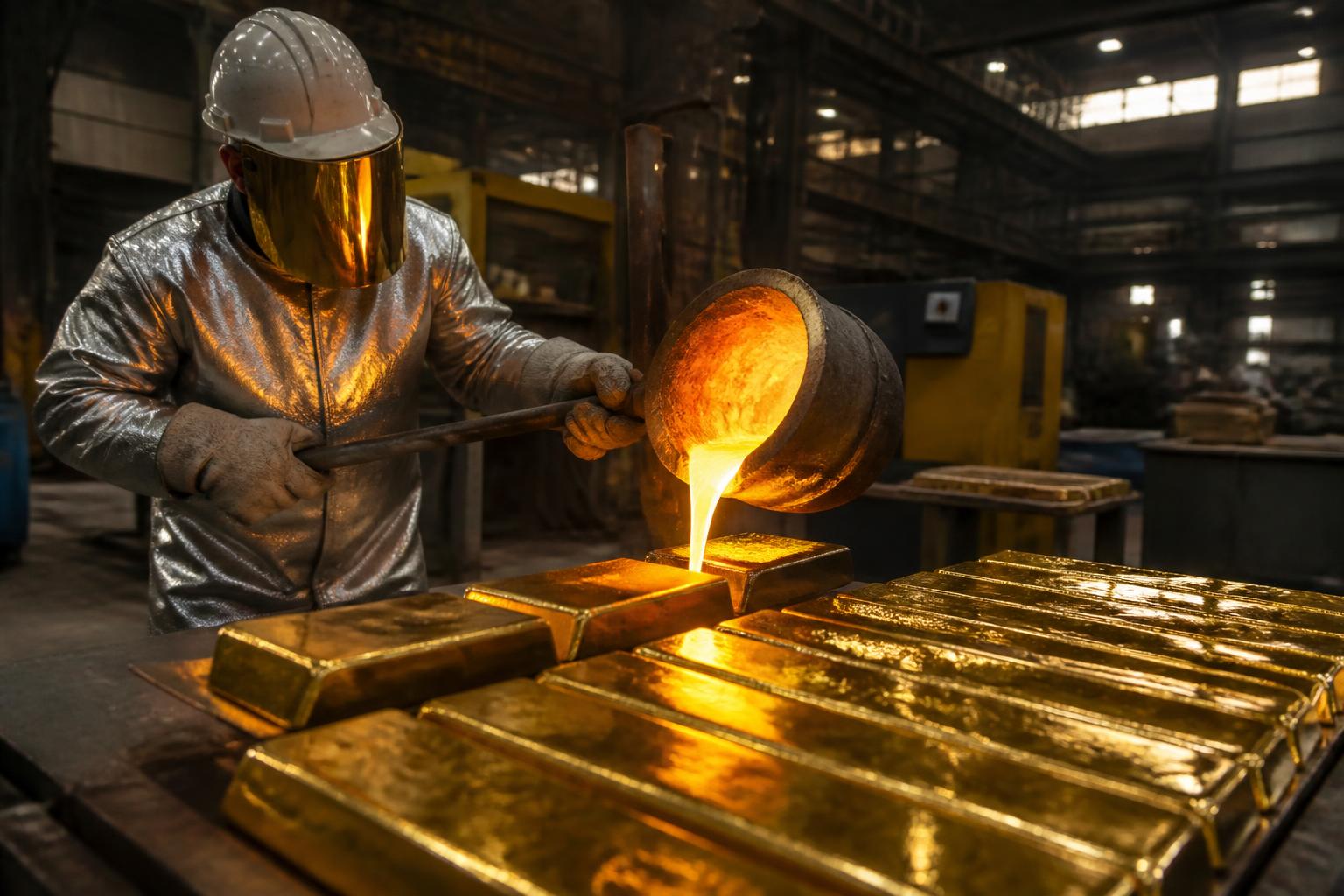
    In the first half of 2026, Uzbekistan’s Navoi Mining and Metallurgical Company (NMMC) achieved a remarkable production of 1.51 million troy ounces of gold, valued at approximately UZS 86.2 trillion (around $7.23 billion). This achievement is attributed to the company’s ongoing commitment to substantial investments in gold mining, ore processing, and infrastructure development. The operational results reflect a robust output, with NMMC producing 1,508.8 thousand troy ounces of gold during this period.

    The company has also made significant strides in local economic development, investing $236.8 million under Uzbekistan’s Investment Programme, which has resulted in the creation of 1,008 new jobs. As part of its localization programme, NMMC produced localized products worth UZS 808.7 billion (approximately $67.8 million). Furthermore, the company engaged in inter-industry cooperation by purchasing around UZS 4.2 trillion (about $352.2 million) worth of products from local producers, thereby bolstering the domestic economy.

    NMMC is actively advancing its major investment projects, particularly the fifth stage of the second phase of the Muruntau mine development, a key asset for the company. Between January and July 2026, over 96 million cubic meters of rock were mined at this site. The company has also enhanced its operational capabilities by supplying new haul trucks and mining equipment to its Central Mining Administration’s transport division. Additionally, construction and installation of conveyor lines using cyclic-flow technology are underway at the mine, which is expected to improve efficiency.

    At the Kokpatas and Daugyztau gold deposits, construction and installation of the tailings storage facility for Hydrometallurgical Plant No. 3 are ongoing. The company has introduced new electric excavators, motor graders, and front-end loaders to enhance operations at the Daugyztau and Vostochny mines.

    Moreover, NMMC is expanding Hydrometallurgical Plant No. 7 to increase its processing capacity. While construction works for the ore preparation and screening sections have been completed, efforts continue on thickening and desorption facilities, as well as on the power-supply infrastructure. The modernization of Hydrometallurgical Plant No. 2, the company’s largest facility by production performance, is also in progress, with the launch of additional mill blocks bringing the total number of operating mills to 82.

    Lastly, NMMC is reconstructing the tailings facility serving Hydrometallurgical Plants No. 2 and No. 7, which includes the construction of new waste-storage cells, embankments, water-intake facilities, and a 21-kilometer slurry pipeline. These developments not only signify NMMC’s commitment to enhancing its operational efficiency but also reflect its dedication to sustainable mining practices in Uzbekistan.


  • Lindian Resources Reports Progress on сRare Earths Project Ahead of Q4 2026 Production

    Lindian Resources Reports Progress on сRare Earths Project Ahead of Q4 2026 Production

    Lindian Resources Limited has announced significant advancements in the construction and operational readiness of its Kangankunde Rare Earths Project in Malawi, with first production slated for the fourth quarter of 2026. The company is on track for front-end commissioning by late October 2026, with practical completion expected in November 2026. As mining operations ramp up, ore is being mined and stockpiled in preparation for commissioning, while construction of the process plant and tailings storage facility (TSF) is progressing rapidly.

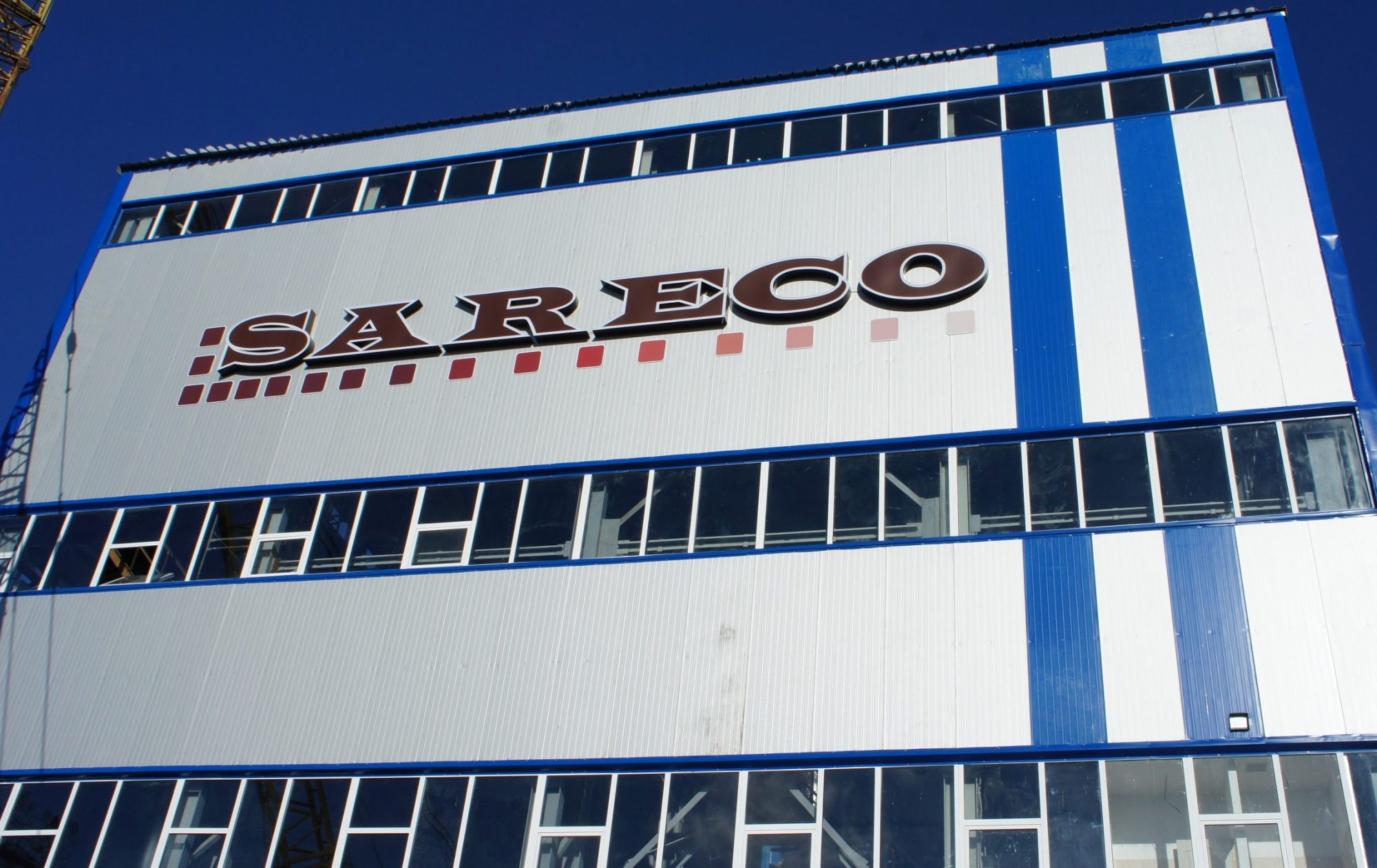
    The company is concurrently enhancing its operational capabilities across multiple regions, including Kazakhstan, Singapore, and Perth, to support the Kangankunde project and its recently acquired SARECO MREC Processing Facility in Kazakhstan. Lindian’s Executive Director, Zac Komur, highlighted the importance of this phase, noting that construction, mining, and operational readiness are advancing together, which is crucial for a smooth transition to production.

    Key infrastructure developments include the completion of the first phase of a 33kV powerline and ongoing water supply infrastructure enhancements, both critical for the commissioning of the process plant. The construction of the TSF is also on schedule, with civil works advancing towards completion by the end of October 2026.

    In addition to the project’s physical advancements, Lindian is focused on building its operational team, with key personnel being recruited and transferred to ensure a skilled workforce is in place for the upcoming production phase. The company is also expanding its corporate and operational support capabilities in Perth, further strengthening its position as it moves towards production.

    Overall, Lindian Resources is making significant strides in its efforts to establish the Kangankunde Rare Earths Project as a key player in the global rare earth supply chain, with the potential for substantial production capacity and strategic partnerships enhancing its market position.


  • Vast Resources Completes Reverse Takeover of Gulf International Minerals and Re-Admission to AIM

    Vast Resources Completes Reverse Takeover of Gulf International Minerals and Re-Admission to AIM

    Vast Resources plc, a mining and resource development company listed on AIM, has successfully completed a reverse takeover of Gulf International Minerals Limited. This strategic move marks a significant milestone for Vast, as it enhances its portfolio of producing and development-stage projects in Tajikistan and Romania. The completion of the reverse takeover was announced following the passing of all resolutions at a General Meeting held on 18 August 2026, with the re-admission of the company’s enlarged ordinary share capital to trading on AIM set for 19 August 2026.

    As part of the acquisition, Vast has acquired a 49% beneficial interest in the Aprelevka Joint Venture, which operates four active mining licences along the Tien Shan Gold Belt in northern Tajikistan. This venture is expected to yield approximately 11,000 ounces of gold and 130,000 ounces of silver annually from mined ore and tailings. The company has also raised around £7.5 million through a placing and subscription, alongside an oversubscribed retail offer, to fund creditor settlements, professional fees related to the takeover, and the technical development of the Aprelevka assets.

    In addition to the reverse takeover, Vast has undergone a share consolidation, with every 25 existing ordinary shares consolidated into one new ordinary share. Following this, the company will have approximately 1.65 billion ordinary shares in issue.

    Vast Resources has also announced a drilling campaign in Tajikistan aimed at establishing a maiden JORC-compliant resource for the Aprelevka assets. CEO Andrew Prelea expressed optimism about the company’s future, highlighting the potential for growth and the commitment to responsible mining practices in collaboration with the Government of Tajikistan. The company is also exploring opportunities in the broader Central Asian region and plans to restart operations at its Romanian assets, ensuring continued growth.

    This development is seen as a pivotal moment for Vast Resources, positioning the company for future success as it aims to become a profitable mid-tier mining entity with a focus on sustainable practices and operational efficiency.

  • Kazakhstan’s Ministry of Ecology Implements AI and Digital Management System

    Kazakhstan’s Ministry of Ecology Implements AI and Digital Management System

    The Ministry of Ecology and Natural Resources of Kazakhstan is undergoing a comprehensive digital transformation aimed at streamlining the management of environmental processes. This initiative marks a significant shift from fragmented information systems to a unified digital management framework. Currently, 15 out of 29 process groups have been fully digitised, while an additional eight are partially digitised. According to the architecture of the digital government, 71% of sectoral data is now available in digital format.

    The next phase of this transformation will focus on reengineering the remaining processes, consolidating data, and integrating artificial intelligence tools. This strategic move is expected to facilitate a transition from reactive responses to environmental violations towards a proactive approach in identifying ecological risks. Furthermore, it aims to enhance the transparency of waste management, improve the efficiency of environmental monitoring, and increase the responsiveness to natural threats.

    This digital overhaul is not only a step towards modernising Kazakhstan’s ecological governance but also aligns with global trends in leveraging technology for sustainable development. By adopting advanced digital solutions, the Ministry seeks to bolster its capability in managing environmental challenges effectively and responsibly, ensuring a healthier ecosystem for future generations.

  • Kazakhstan’s Strategic Balancing Act in the Global Uranium Market

    Kazakhstan’s Strategic Balancing Act in the Global Uranium Market

    Kazakhstan is navigating a complex geopolitical landscape in the global uranium market, which has seen significant shifts due to rising demand for green energy and geopolitical tensions. As the country accounts for nearly 40% of the world’s uranium supply, its strategic decisions are under scrutiny. Political analyst Komron Rahimov discusses the delicate balance Kazakhstan is attempting to maintain between asserting control over its resources and engaging with Russian state corporation Rosatom.

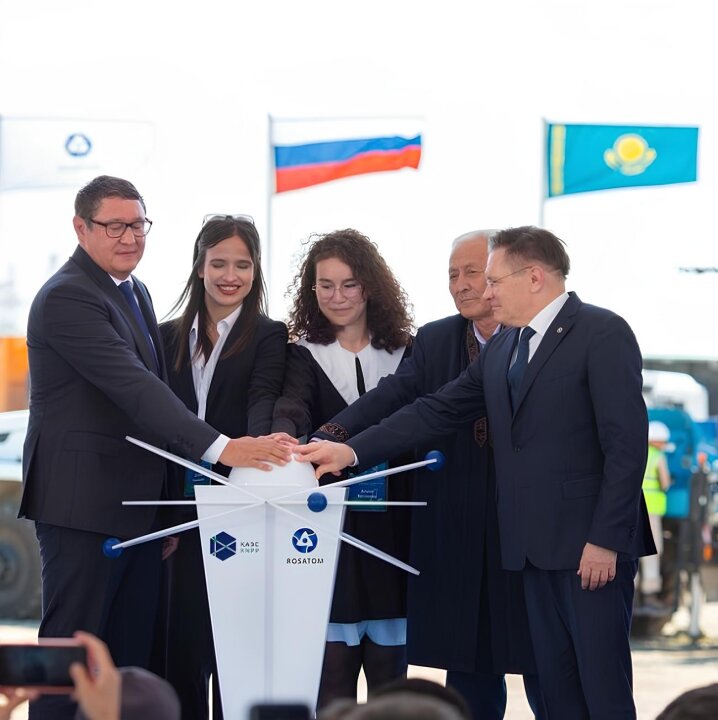
    In recent developments, Kazakhstan has unilaterally reclaimed control over the Akdala uranium deposit from Rosatom while simultaneously awarding the construction of its first nuclear power plant, the Balkhash Nuclear Power Plant, to the Russian corporation. This dual approach raises questions about whether Kazakhstan is losing control over its resources or if it is executing a calculated strategy to enhance its sovereignty. Rahimov argues that the current dynamics reflect a nuanced compromise rather than a straightforward expansion by Rosatom.

    Kazakhstan’s recent amendments to its subsoil code require that up to 90% of uranium contract renewals be allocated to the state-owned Kazatomprom, reinforcing the country’s commitment to reclaiming its natural resources. This shift has already resulted in the loss of Rosatom’s control over the Akdala deposit, which transitioned entirely to Kazakh ownership in March 2026.

    Despite these gains, Kazakhstan’s relationship with Russia remains significant, particularly in high-tech sectors. The agreement for the Balkhash Nuclear Power Plant, valued at over $14 billion, sees Russia financing 85% of the project, ensuring its technological influence in the region. This dependency on Russian expertise and nuclear fuel could pose long-term challenges for Kazakhstan’s energy independence.

    Rahimov highlights that while Kazakhstan is enhancing its economic sovereignty by reclaiming resources, it is also entering a strategic alliance with Russia that could bind it to Russian technology and services for decades. The construction of the Balkhash plant is expected to take around ten years, further solidifying Russia’s presence in Kazakhstan’s energy sector.

    The geopolitical landscape is further complicated by sanctions against Rosatom from the United States, which could impact Kazakhstan’s access to Western financial markets. However, Kazakhstan is actively diversifying its uranium export routes, with China emerging as a significant buyer, accounting for 44% of its revenue. The development of the Trans-Caspian route aims to mitigate risks associated with reliance on Russian supply chains, although its capacity limitations present challenges.

    In conclusion, Kazakhstan’s multi-faceted strategy reflects a sophisticated balancing act between asserting its resource sovereignty and maintaining essential partnerships. The country is poised to navigate a complex geopolitical environment while striving to secure its long-term interests in the uranium market.


  • Kyrgyzaltyn Secures Exploration Rights for Iron and Titanium at Bala-Chichkan Deposit

    Kyrgyzaltyn Secures Exploration Rights for Iron and Titanium at Bala-Chichkan Deposit

    Kyrgyzaltyn OJSC has been officially granted the rights to conduct geological exploration for iron, titanium, and vanadium at the Bala-Chichkan deposit, following a resolution signed by the Chairman of the Cabinet of Ministers, Adylbek Kasymaliev. This development marks a significant step in the exploration of mineral resources in Kyrgyzstan, particularly in the Talas region, where the deposit is located.

    The Bala-Chichkan area spans approximately 4,361 hectares and is estimated to contain around 1 million tons of iron reserves. This discovery could potentially enhance the country’s mining sector and contribute to the local economy. The exploration rights are part of a broader initiative to tap into Kyrgyzstan’s rich mineral resources, which have remained underutilised for years.

    Before commencing exploration activities, Kyrgyzaltyn is required to consult with the relevant state authority responsible for cultural heritage to ensure that no historical or cultural sites are affected by the exploration. This precaution underscores the importance of balancing economic development with the preservation of cultural heritage in the region.

    The granting of these rights is expected to attract further investment into Kyrgyzstan’s mining industry, which has been identified as a key area for economic growth. As the country seeks to modernise its mining practices and increase production, the focus on sustainable and responsible exploration will be crucial in ensuring long-term benefits for the local communities and the environment.

  • New Uranium Complex Launched at Zhalpak Mine in Kazakhstan

    New Uranium Complex Launched at Zhalpak Mine in Kazakhstan

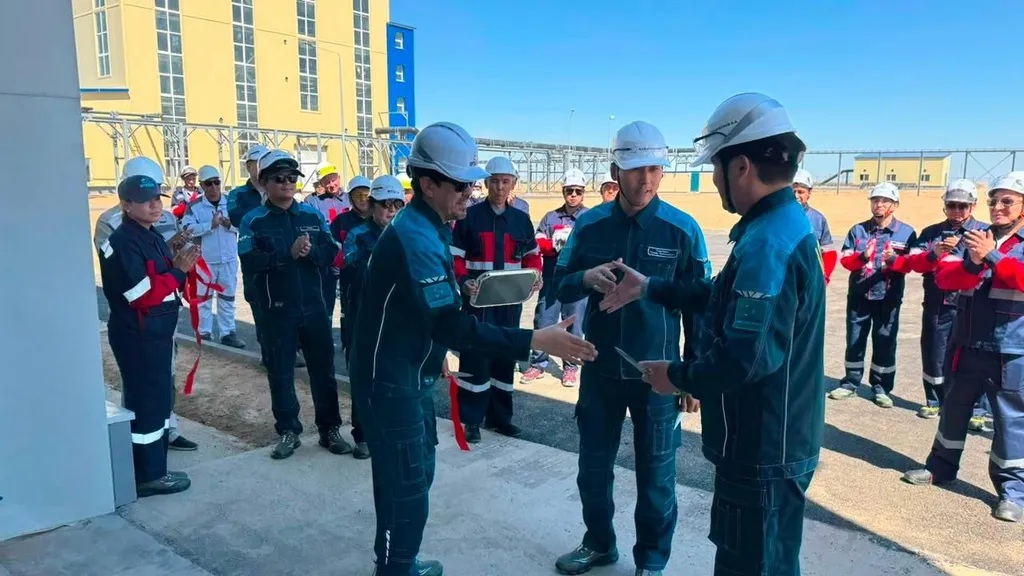
    The mining company ‘Ortalyk’ has officially launched a new uranium processing complex at the Zhalpak mine, with an initial capacity of 500 tonnes of uranium per year. This development is part of a broader project aimed at enhancing the production infrastructure, ultimately targeting a project capacity of 900 tonnes annually.

    Gumar Sergazin, Deputy Chairman of the Atomic Energy Agency, highlighted the significance of developing uranium mining enterprises and exploring new deposits to strengthen Kazakhstan’s mineral resource base. He expressed confidence that this new phase of the Zhalpak mine’s development will not only boost the company’s production capabilities but also contribute to the growth of the nuclear sector in Kazakhstan. Additionally, it was reported that Kazatomprom has added six new promising uranium sites to its portfolio, indicating a strategic move towards expanding the country’s uranium mining operations. This initiative aligns with Kazakhstan’s goals to enhance its position in the global uranium market, given its status as one of the leading producers of uranium worldwide.