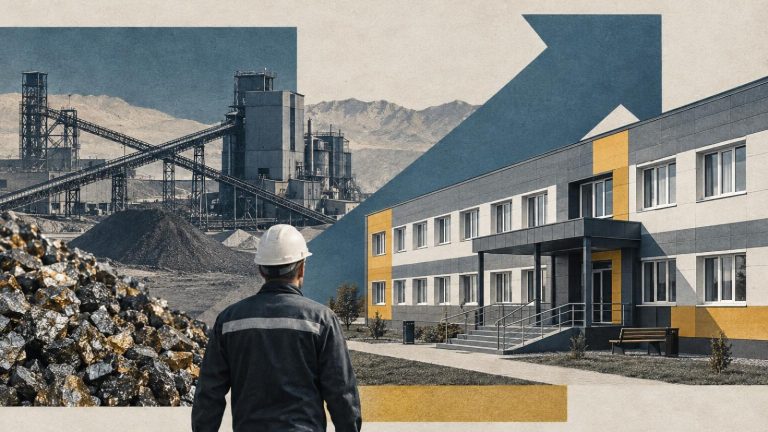
Tag: Kazakhmys

  • Kazakhmys and CNCEC Consortium to Construct New Sulfuric Acid Plant at Zhezkazgan Smelter

    Kazakhmys and CNCEC Consortium to Construct New Sulfuric Acid Plant at Zhezkazgan Smelter

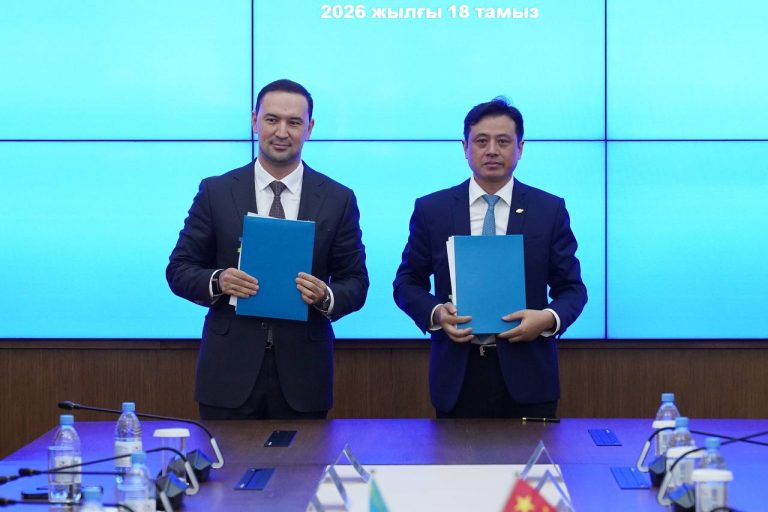
    Kazakhmys, a leading player in the mining and metallurgy sector, has announced a significant development in its operations with the signing of an agreement with a consortium from the China National Chemical Engineering Company (CNCEC) to construct a new sulfuric acid plant at its Zhezkazgan copper smelter in Kazakhstan. The engineering, procurement, and construction (EPC) contract is valued at approximately $213.76 million, marking a substantial investment in the modernization of the facility.

    The decision to build the new sulfuric acid plant is part of a broader initiative aimed at modernizing the Zhezkazgan copper smelter and aligning it with contemporary environmental standards. The existing metallurgical gas utilization infrastructure, which dates back to the 1970s, is in dire need of technological upgrades. The project will not only involve the construction of the new production facility but also the modernization of the process gas capture and purification system, which will include the installation of advanced equipment such as converter enclosures, cooling towers, and electrostatic precipitators.

    One of the key goals of this project is to enhance the efficiency of gas capture, with expectations that the new system will achieve a capture rate of 99%. Furthermore, the residual sulfur dioxide concentration in the treated gases will meet the stringent requirements outlined in the international Best Available Techniques Reference Documents (BREF), significantly reducing SO₂ emissions and the overall environmental impact of the Zhezkazgan smelter.

    The new sulfuric acid plant is designed to have a production capacity of 350,000 tons per year and will be capable of processing up to 300,000 normal cubic meters of process gases per hour. The commissioning of the plant is tentatively scheduled for 2028, with full-scale mobilization and preparatory work expected to commence by the end of 2026. The construction and installation phase is projected to take around 29 months.

    This initiative is a crucial part of Kazakhmys’ long-term modernization program for the Zhezkazgan copper smelter, aimed at improving the reliability of the gas purification system and ensuring compliance with modern environmental regulations. Kazakhmys Group, known for its vertically integrated operations in mining and non-ferrous metallurgy, ranks among the top producers globally, holding the 20th position in copper-in-concentrate production and 12th in blister and cathode copper production, according to the company’s website.


  • Kazakhmys Begins Construction of Kazakhstan’s Deepest Mine Shaft

    Kazakhmys Begins Construction of Kazakhstan’s Deepest Mine Shaft

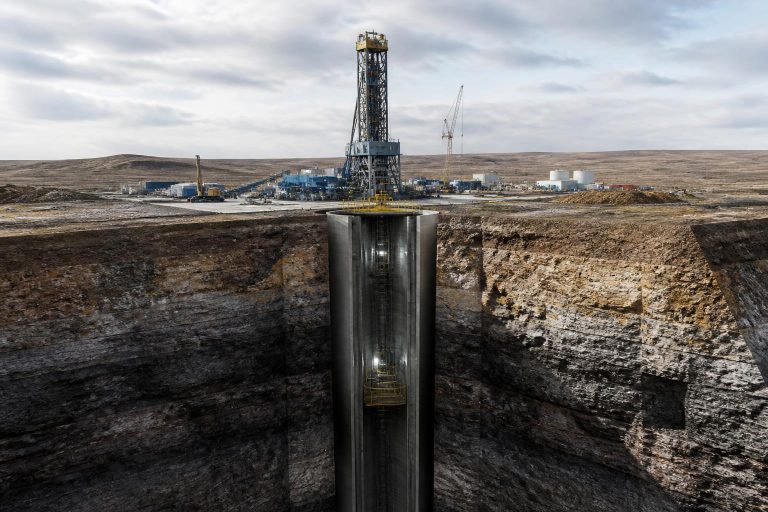
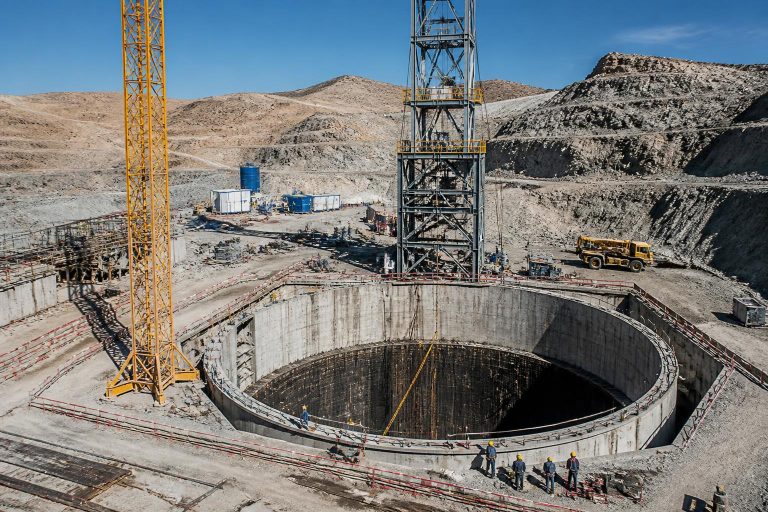
    Kazakhmys Corporation has embarked on one of the largest investment projects in recent years with the construction of the ‘Air Supply Shaft-2’ at the Nurkazgan deposit in the Karaganda region. The project, which involves an investment exceeding 32.5 billion tenge, aims to enhance the development of the Eastern section of the deposit and marks a significant milestone in the evolution of the Nurkazgan mine.

    The new shaft, projected to reach a depth of 1,283.9 meters, will become the deepest mine shaft in Kazakhstan. Its construction is expected to facilitate the further exploration of ore reserves, improve industrial safety standards, and establish a modern infrastructure that will support the mine’s operations for decades to come. A ceremonial event to mark the commencement of construction was attended by key figures, including Nurmukhamet Abdibekov, Chairman of the Board of Kazakhmys, and other senior executives.

    Abdibekov highlighted the project’s significance, stating that it represents a long-term investment in safety, production development, and the strengthening of the company’s resource base. The primary objective of the project is to uncover the ore reserves in the Eastern section, ensure a fresh air supply to underground workings, and create a safe environment for workers.

    Construction will involve the excavation of over 65,000 cubic meters of rock and the establishment of nine connections with existing mine horizons. The completion of the shaft is anticipated by 2031, after which it will be equipped with advanced technological systems, including a cage lift, main ventilation unit, and a modular heating boiler to warm the air entering the mine.

    Looking ahead, Kazakhmys plans to initiate the construction of the ‘Ventilation Shaft-2′ in 2027, which will complement the newly built shaft and create a unified engineering infrastructure. This infrastructure will ensure effective ventilation and safe operations at the mine, enabling the further exploration of new ore reserves.

    The confirmed reserves at the Nurkazgan deposit, which contain copper, gold, and silver, support the sustainable operation of the mining and processing complex for over 40 years. The project’s implementation is a crucial step in Kazakhmys’ long-term investment programme aimed at enhancing production capacities, improving industrial safety, and reinforcing the company’s resource base.


  • Kazakhmys Invests Over 25.2 Billion Tenge in Modernisation of Zhezkazgan Copper Smelting Plant

    Kazakhmys Invests Over 25.2 Billion Tenge in Modernisation of Zhezkazgan Copper Smelting Plant

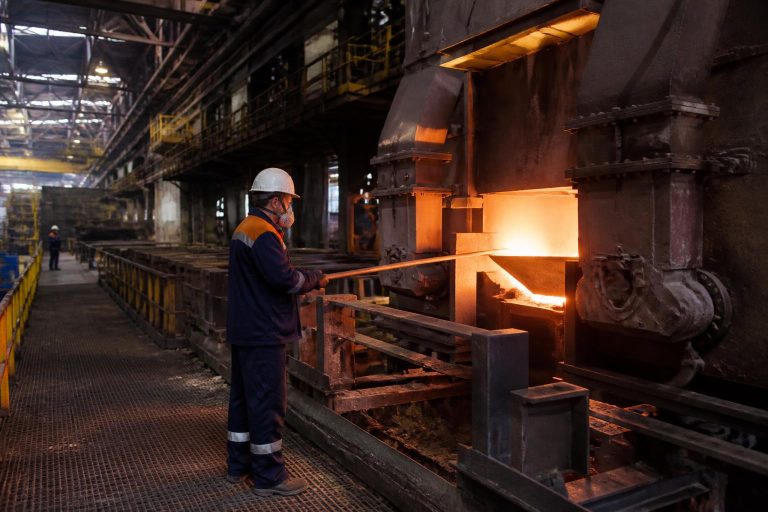
    Kazakhmys Corporation has announced a significant investment of over 25.2 billion tenge aimed at modernising the Zhezkazgan Copper Smelting Plant, a key metallurgical facility within the group. The investment will be allocated towards capital repairs, technical re-equipment, and the enhancement of production infrastructure, with the overarching goal of ensuring the plant’s sustainable operation, improving industrial safety, and enhancing both technological efficiency and environmental performance.

    The comprehensive modernisation programme encompasses major production workshops, energy management systems, infrastructure facilities, and social amenities. A substantial portion of the investment, amounting to 15.9 billion tenge, is dedicated to the capital repair of critical metallurgical equipment. This includes extensive renovations to the second ore-thermal furnace, anode furnaces, and converter blocks, which are expected to bolster the reliability of the technological processes and extend the lifespan of the equipment.

    Additionally, 3.6 billion tenge will be invested in upgrading technological equipment. This includes the installation of 234 polymer concrete baths in the copper electrolysis shop, replacement of the power transformer, and the installation of a new bridge crane. The smelting shop will see the replacement of the carousel casting machine, while the heat supply shop will upgrade its turbocharger.

    The development of production infrastructure is also a priority, with 4.4 billion tenge earmarked for this purpose. Projects include the capital repair of cooling tower No. 1, roof replacement in the copper electrolysis shop, and restoration of the converter department’s roofing. Concurrently, the renovation of shower facilities in the administrative and domestic complex of the smelting shop is being completed to improve the working conditions for employees.

    By the end of the year, Kazakhmys plans to allocate an additional 1.4 billion tenge for the capital repair of equipment in the charge preparation shop and the establishment of a specialised area for the safe maintenance of crane equipment. This comprehensive modernisation effort is part of Kazakhmys’s long-term investment programme aimed at enhancing its metallurgical enterprises, ensuring more reliable production processes, improving equipment efficiency, and creating a safer and more comfortable working environment for its workforce.


  • Kazakhmys Begins Construction of Kazakhstan’s Deepest Mine Shaft

    Kazakhmys Begins Construction of Kazakhstan’s Deepest Mine Shaft

    Kazakhmys Corporation has commenced the excavation of the ‘Air Supply-Cage-2’ mine shaft at the Nurkazgan deposit in the Karaganda region, which is set to become the deepest mine shaft in Kazakhstan, reaching a projected depth of 1,284 metres. The investment for this construction is estimated at 32.5 billion tenge. This shaft will serve as a crucial hub for the future infrastructure of the Eastern section of the deposit, primarily aimed at accessing ore bodies located at deep levels, ensuring ventilation for the mine, and facilitating the descent and ascent of workers.

    The project entails a significant volume of work, with approximately 65,000 cubic metres of rock mass expected to be extracted during the excavation process. There are plans for nine intersections with existing levels. The excavation is scheduled to continue until 2031, after which modern equipment will be installed in the shaft, including a cage lift, a main ventilation unit, and a modular boiler that will heat the air entering the underground workings.

    In parallel, Kazakhmys is preparing for a new phase of development at the site, with work on the companion shaft ‘Ventilation-2’ set to begin next year. Once all operations are completed, the finished shafts will form a comprehensive infrastructure for the future extraction of copper, gold, and silver. Geologists estimate that the confirmed reserves at Nurkazgan will allow the mining and processing plant to operate for over four decades.


  • Mercuria Energy Group Opens Astana Office to Deepen Partnership With Kazakhmys on Technology Transfer and Sustainable Production

    Mercuria Energy Group Opens Astana Office to Deepen Partnership With Kazakhmys on Technology Transfer and Sustainable Production

    Global commodity trading and energy group Mercuria has officially opened a regional office in Astana, establishing a permanent platform for its expanding cooperation with Kazakhmys, Kazakhstan’s largest copper producer, with a focus on production modernisation, technology transfer and workforce development.

    The opening ceremony was attended by Kazakhmys Supervisory Board Chairman Nurmukhambet Abdibekov, Mercuria co-founder and CEO Marco Dunand, Head of Central Asia and the Caspian Region Timur Suleimenov, and Head of Kazakhstan Aktan Abdykerim.

    Abdibekov described the permanent Astana presence as a significant boost to long-term cooperation, noting that Kazakhmys is actively pursuing production modernisation and the introduction of environmentally friendly technologies. “Partnership with Mercuria will allow us to attract advanced global expertise to improve the efficiency of our enterprises and, equally importantly, create new opportunities for the professional development of our employees,” he said.

    Dunand said Mercuria’s goal was to invest in technology transfer and human capital development. “Mercuria is ready to share our global experience in order to help the region unlock its industrial potential based on the principles of sustainable development,” he said.

    The cooperation spans operational efficiency improvements, advanced technological solutions, production digitalisation and the enhancement of environmental and industrial standards. A particular emphasis has been placed on knowledge transfer programmes through which Kazakhstani specialists and young professionals will receive training in areas currently in short supply domestically, including global risk management, compliance, complex supply chain management and project financing in the industrial sector.

    The two companies also plan to expand social investment in the mining regions and single-industry towns where Kazakhmys operates, with joint initiatives targeting the modernisation of local educational infrastructure, technical education for young people and financing of socially significant projects.

  • Kazakhmys Approves Strategy to Sustain Production and Expand Resource Base

    Kazakhmys Approves Strategy to Sustain Production and Expand Resource Base

    Kazakhmys Group has approved a new strategic plan aimed at maintaining current production levels while significantly expanding its mineral resource base, the company announced.

    The group’s total ore reserves currently stand at 551.8 million tonnes, providing an estimated 16 years of operational stability across its assets. Over the next three years, Kazakhmys plans to increase ore reserves by a further 365 million tonnes, with copper reserves expected to grow by 2328 thousand tonnes.

    Exploration activities are ongoing across the Zhezkazgan, Karaganda and Balkhash regions, as well as in prospective areas located within 100–200 km of existing mining operations. This approach is designed to maximise the use of existing infrastructure while reducing capital expenditure and project risks.

    For the current year, the company plans to mine 31.7 million tonnes of ore, process 33.1 million tonnes, and produce 254.6 thousand tonnes of copper concentrate. Alongside production targets, Kazakhmys continues to invest in the modernisation and expansion of its mining operations.

    In the Zhezkazgan region, the company is expanding the Zhylandy and Zhomart mines, while maintaining stable output at the Zhezkazgan deposit through infrastructure adjustments and additional exploration work.

    Kazakhmys is also assessing the potential restart of operations at the Kusmurun mine, which could secure feedstock for the Karagaily processing plant for the next decade. At the same time, development continues at the Nurkazgan mine, and deeper horizons are being opened within the Shatyrkul-Zhaysan cluster.

    In the Balkhash region, plans are underway to resume operations at the Konyrat mine. Meanwhile, geological exploration at the Sayak deposit over the past four years has confirmed reserves of 10 million tonnes of ore, extending the mine’s projected life by 11 years through to 2042.

    The strategy reflects Kazakhmys’ focus on long-term resource sustainability and operational efficiency amid evolving market conditions.

  • Mercuria and Kazakhmys Form Strategic Partnership to Expand Global Copper Trade

    Mercuria and Kazakhmys Form Strategic Partnership to Expand Global Copper Trade

    In February 2026, Swiss commodity trading group Mercuria Energy Group announced an eight-year strategic partnership with Kazakhstan’s mining and metallurgical company Kazakhmys, marking a shift toward deeper industrial collaboration between global traders and resource producers.

    The agreement goes beyond a traditional financing arrangement and is structured as a long-term partnership combining Kazakhmys’ production capacity with Mercuria’s global trading and logistics infrastructure. The collaboration is expected to enhance access for Kazakh copper to international markets and modern trading mechanisms.

    One of the key outcomes of the partnership is the expansion of Kazakhstan’s copper presence in global supply chains. Mercuria’s international network will facilitate integration of Kazakhmys’ output into long-term contracts with industrial consumers, providing more stable export channels and improving visibility over future demand.

    The cooperation also предусматривает переход к международным механизмам ценообразования, основанным на глобальных товарных индексах. This approach is widely used in developed commodity markets and is expected to improve transparency in export operations, strengthen investor confidence and simplify взаимодействие с финансовыми и торговыми партнёрами.

    As part of the agreement, Mercuria plans to establish a local office and marketing centre in Kazakhstan. The facility will serve as a hub for commercial operations, market analysis and risk management, supporting the development of modern trading infrastructure within the country.

    The partnership is also expected to contribute to technological development in Kazakhstan’s mining and metallurgical sector. Areas of focus include improving processing efficiency, внедрение цифровых систем мониторинга и развитие решений по переработке отходов. In addition, cooperation with an international trading house is likely to facilitate knowledge transfer in areas such as commodities trading, risk management and hedging instruments.

    Economic benefits are expected at both national and regional levels. The expansion of export operations and development of trading infrastructure may create new employment opportunities across logistics, services, analytics and equipment supply. For Kazakhstan’s industrial regions, where mining enterprises play a ключевую роль в занятости, such initiatives are seen as strengthening economic resilience.

    The agreement comes amid rising global demand for copper, driven by electrification, renewable energy and digital technologies. In this context, the partnership between Mercuria and Kazakhmys is expected to strengthen Kazakhstan’s position in global supply chains for strategic metals and further integrate its металлургический сектор into the international trading system.

  • Kazakhstan Falls Short of 2025 Mining Output Targets Despite Higher Metal Prices

    Kazakhstan Falls Short of 2025 Mining Output Targets Despite Higher Metal Prices

    Kazakhstan failed to meet its planned growth target for metallic ore production in 2025, according to the Ministry of Industry and Construction, although the sector’s value increased significantly due to higher global metal prices.

    Under the ministry’s development plan, metallic ore production was expected to grow by 3.1% in 2025. Instead, output declined by 0.2%, meaning the target was achieved at only 96.8%.

    Officials attributed the shortfall primarily to operational changes at the country’s largest gold deposit, Vasilkovskoye, which supplies roughly 20% of Kazakhstan’s gold-bearing ore. The mine is currently transitioning from open-pit to underground mining, a process that reduced production volumes and lowered the sector’s physical output index by about 2.5%.

    Additional pressure came from declining ore grades at several zinc and lead mines in East Kazakhstan Region, including the Maleevsky, Tishinsky and Dolinny deposits.

    Despite the drop in physical production, the total value of metallic ore extraction reached 5.8 trillion tenge in 2025, representing a 28.3% increase compared with 2024 due to stronger metal prices.

    The ministry also missed its target for metallurgical production. Output in the sector was expected to grow by 5%, but actual growth reached only 1.2%.

    This underperformance was linked to a slight decline in non-ferrous metallurgy production, which fell by 0.5%. Several key metals saw reduced output during the year.

    Production of refined zinc dropped by 6.6%, refined gold by 1.1%, refined silver by 10.4%, and refined lead fell sharply by 29.6%. Authorities cited declining metal content in mined ore as one of the main contributing factors.

    Operational disruptions also affected several major companies. At Kazakhmys Corporation, which accounts for about 22% of the industry, an accident involving an explosion and collapse at the Zhomart mine disrupted operations. The mine supplies about 40% of the feedstock for the Zhezkazgan copper smelter.

    In addition, shipments of approximately 40,000 tonnes of raw material from Russia’s Russian Copper Company were halted due to sanctions affecting Russian businesses.

    Another producer, Tau-Ken Altyn, saw a sharp reduction in recycled feedstock — falling from 2.5 tonnes to just 60 kilograms — because of repair work at Russia’s Amur Mining and Metallurgical Plant.

    Kazzinc, which represents about 30% of Kazakhstan’s non-ferrous metallurgy sector, also faced supply disruptions. Due to customs restrictions under the “red corridor” import regime introduced by the State Revenue Committee, the company lost a contract to import around 40,000 tonnes of raw materials from Tajikistan. Kazzinc depends on imports for roughly 40% of its feedstock.

    Overall, the ministry met 19 out of 29 performance indicators for the year. Five targets were not achieved, while final statistical data for another five indicators has yet to be confirmed.

    Despite the short-term challenges, longer-term mining output trends remain positive. Between 2021 and 2025, copper ore production in Kazakhstan increased by 31.8% to 162.9 million tonnes. Gold-bearing ore production rose by 20.4% to 39.2 million tonnes, while lead-zinc ore extraction grew by 19% to 9.9 million tonnes.

    The Bureau of National Statistics is expected to publish final industry data for these indicators on July 3, 2026.

  • Kazakhmys Launches 2026 Digital Modernisation Programme for Exploration and Geological Operations

    Kazakhmys Launches 2026 Digital Modernisation Programme for Exploration and Geological Operations

    Kazakhmys Corporation has announced a comprehensive modernisation programme for its geological exploration system in 2026, focusing on digital transformation and the development of new geological infrastructure in Zhezkazgan.

    The decision follows an independent audit conducted across five Kazakhmys deposits using Micromine software, which revealed that existing digital tools were not being fully utilised. According to the assessment, geological calculations were frequently performed in two-dimensional formats, limiting the accuracy of modelling and resource forecasting.

    Under the new programme, the company plans to transition to full three-dimensional geological modelling to improve exploration efficiency and decision-making. Around 400 employees will undergo training in Micromine Origin & Beyond, alongside advanced professional courses under the Micromine Advance programme.

    Kazakhmys has already begun developing integrated lithological and hydrological models for its mining operations, incorporating both ore body geometry and complex natural conditions. A centralised geological data storage and analytics platform, Geobank, will also be introduced across company assets to streamline data management and interpretation.

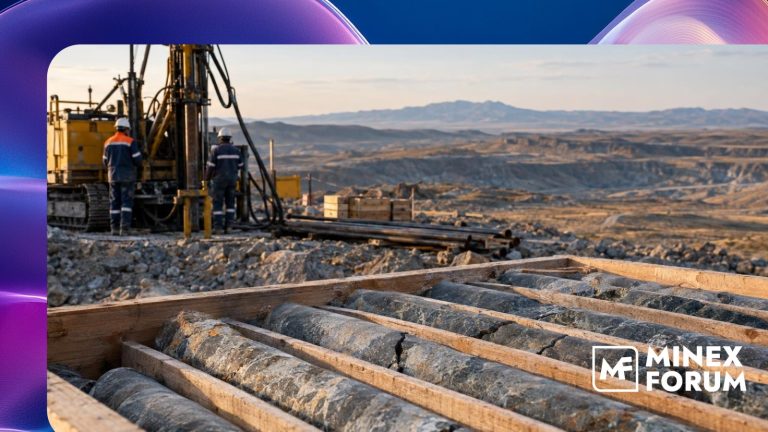
    The digital transformation initiative will be supported by new physical infrastructure in Zhezkazgan, where construction of a geological cluster covering approximately 14,000 square metres is underway. The facility will include a modern core storage centre with capacity of up to 200,000 linear metres, to be operated jointly with Australian laboratory services provider ALS.

    The planned geo-cluster will additionally house geo-mineralogical and geophysical laboratories, training facilities and a museum. The educational component of the project will be developed in cooperation with the Colorado School of Mines, strengthening professional training and technical expertise within Kazakhstan’s mining sector.

  • Kazakhmys to Invest Over KZT 20 Billion in Ulytau Region Development

    Kazakhmys to Invest Over KZT 20 Billion in Ulytau Region Development

    Kazakhmys Corporation will invest more than 20 billion tenge in social and infrastructure projects in Kazakhstan’s Ulytau region under a newly signed memorandum of cooperation with the regional akimat.

    The agreement prioritises investments in healthcare, education, infrastructure modernisation and urban development.

    Among the flagship initiatives is the establishment of Ulytau University, as well as the launch of Zhezkazgan’s largest mosque, a trauma care centre in Satpayev and the Namys sports complex with a 150-bed boarding facility.

    Urban improvement projects in Zhezkazgan will include the redevelopment of Zhasar Park, the Gharishkerler Boulevard and the embankment of the Kengir Reservoir. Renovation of the S. Kozhamkulov Theatre is also planned.

    A separate focus of the programme will be the modernisation of water supply, heating and energy infrastructure systems across the region.