Tag: EU strategic materials

  • Kazakhstan’s Sarytogan Graphite Deposit Joins EU Strategic Project List

    Kazakhstan’s Sarytogan Graphite Deposit Joins EU Strategic Project List

    The Sarytogan graphite deposit in Kazakhstan’s Karaganda region has officially been added to the European Union’s list of strategic raw material projects, a move announced during the Astana Mining & Metallurgy (AMM) 2025 Congress in Astana.

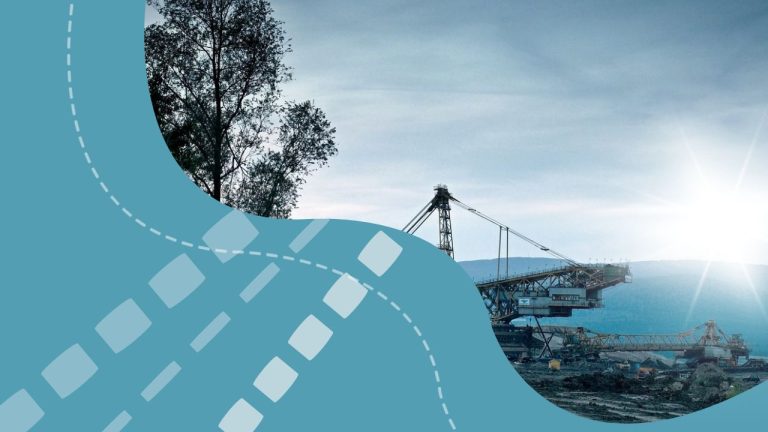
    Preliminary assessments suggest that the Sarytogan site contains approximately 30% of the world’s known graphite reserves, making it one of the largest and cleanest surface-accessible graphite deposits globally. The project is seen as critical for securing the EU’s supply of materials vital to green technologies, particularly lithium-ion battery production.

    According to Galymzhan Torebek, Deputy Chair of the Committee for Industry under Kazakhstan’s Ministry of Industry and Construction, the graphite mining project will be developed in four stages, with capital expenditures estimated between $62 million and $344 million.

    The project’s new strategic status under the EU Critical Raw Materials Act (CRMA) means that the European Commission will now actively support the development by helping to attract investment and facilitate long-term supply agreements with European companies.

    At the AMM 2025 award ceremony, officials outlined plans for institutional and financial backing for the Sarytogan project, aiming to ensure stable offtake agreements, which would make the mine more appealing to international investors.

    The primary output from Sarytogan will include sterilized graphite, used as a stabilizer in EV batteries, and crystalline graphite, both critical components in the clean tech and high-performance electronics sectors.

  • Rio Tinto Reevaluates Cost of Serbian Lithium Project Amid EU Backing and Local Opposition

    Rio Tinto Reevaluates Cost of Serbian Lithium Project Amid EU Backing and Local Opposition

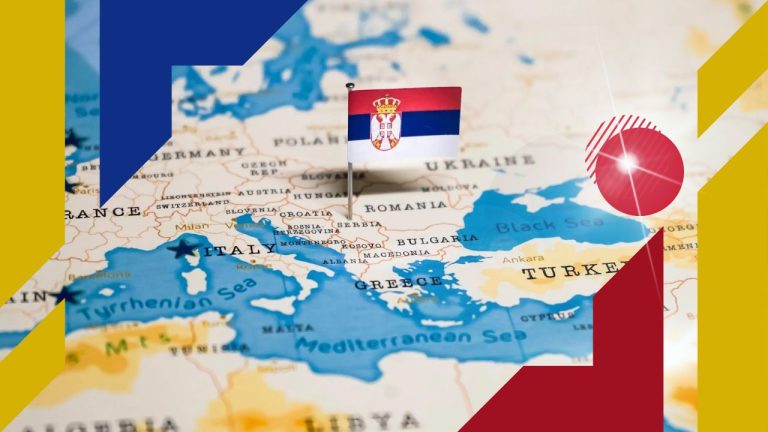
    Rio Tinto is revising the estimated capital cost of its contentious Jadar lithium project in Serbia after it was designated one of the European Commission’s 13 strategic critical materials projects under the Critical Raw Materials Act (CRMA). Chad Blewitt, managing director of the Jadar mine, confirmed the update in an interview with Reuters on Wednesday.

    The project, initially valued at over €2.55 billion ($2.91 billion), is being recalculated to reflect EU environmental and human rights standards tied to its strategic status. “That will be reflected in the final capital cost,” Blewitt said, noting that no revised figure or timeline would be shared until the company secures a field exploitation licence.

    The Jadar project was halted in 2022 after mass protests over environmental concerns led the Serbian government to revoke Rio Tinto’s exploration permits. However, the Constitutional Court reinstated the licences in 2023, allowing the Anglo-Australian miner to resume planning.

    If realized, the mine could meet 90% of Europe’s current lithium demand, playing a central role in the continent’s green energy and digital transformation strategies. Despite this, local opposition remains strong, with activists threatening fresh protests and transport blockades if construction proceeds.

    “Whatever happens next will involve multiple stages of scrutiny and public consultation,” Blewitt emphasized, adding that the project could position Serbia as a pivotal supplier in Europe’s lithium supply chain.

    Rio Tinto is one of the few global mining giants heavily investing in lithium amid a market downturn. Its $6.7 billion acquisition of U.S.-based Arcadium Lithium and investments exceeding $1 billion in Chile signal a long-term bet on EV battery metals. While current lithium prices are depressed due to supply gluts, demand forecasts remain optimistic heading into the next decade.