Tag: Cornwall

  • Cornish Lithium Becomes First UK Company to Produce Lithium Hydroxide Monohydrate

    Cornish Lithium Becomes First UK Company to Produce Lithium Hydroxide Monohydrate

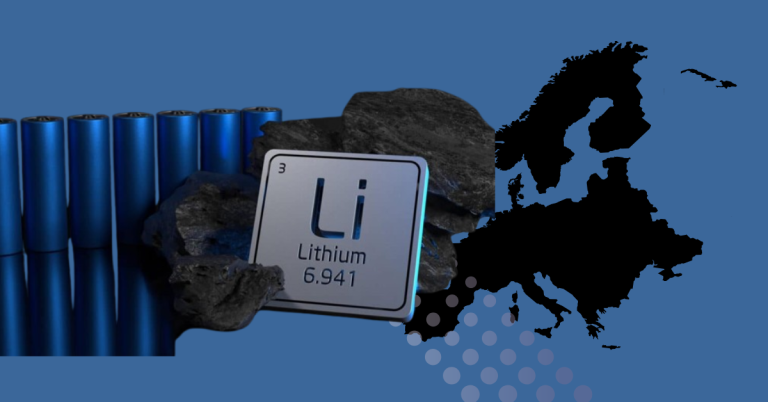
    Cornish Lithium has announced that it has become the first company in the United Kingdom to produce lithium hydroxide monohydrate (LHM), a key component used in electric vehicle batteries, grid-scale energy storage, and consumer electronics.

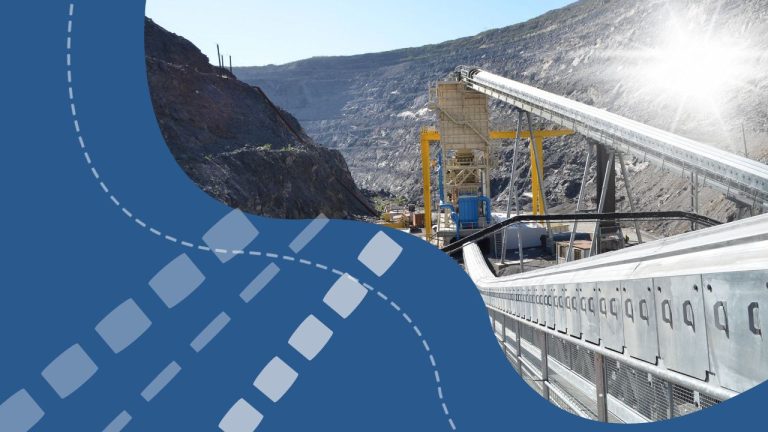
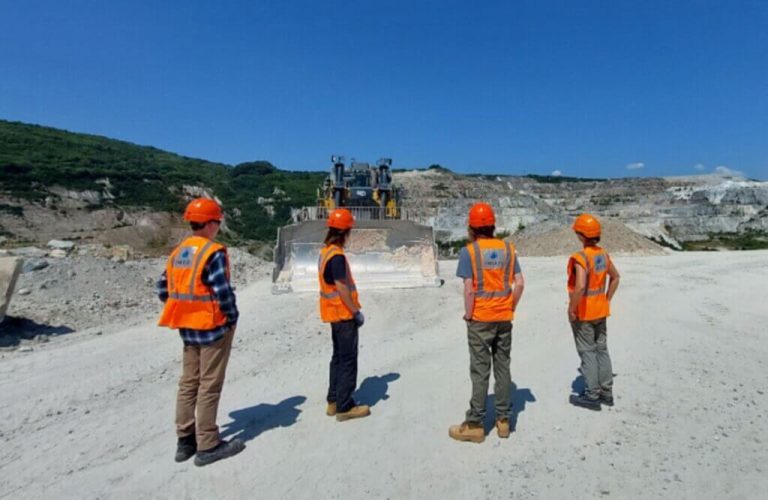
    The breakthrough was achieved at a repurposed Сhina clay quarry in Cornwall, where the company used patented low-carbon processing technology to extract lithium from Cornish granite.

    Founder and Executive Chairman Jeremy Wrathall called it a landmark achievement for both the company and the UK’s battery industry:

    “We can test every single stage of it on an industrial scale — that’s why it is such an important day for us. Our faith in investing £10 million in this project has been vindicated.”

    The milestone marks a significant advance toward establishing a domestic lithium supply chain, a critical step as the UK transitions to electric mobility and renewable energy storage.

    Mining consultant James McFarlane praised the accomplishment, noting the rapid pace of development:

    “The company was only founded in 2016 and began exploring the hard rock potential in St Austell in 2019. To go from that to producing LHM domestically from their own deposit is a massive milestone that deserves recognition.”

    Cornish Lithium said it plans to construct a commercial-scale lithium processing and refining plant capable of producing up to 10,000 tonnes of LHM per year. The facility is expected to be operational by 2029, creating around 300 new jobs and contributing £800 million to the UK economy.

    The project is seen as a cornerstone of Britain’s effort to secure critical mineral independence and reduce reliance on imported battery materials, aligning with the UK government’s net-zero and green industrial strategies.

  • Cornish Metals’ South Crofty Tin Project Shows £180M NPV, 20% IRR in Updated PEA

    Cornish Metals’ South Crofty Tin Project Shows £180M NPV, 20% IRR in Updated PEA

    Cornish Metals (TSX-V, AIM: CUSN) announced on Tuesday that its South Crofty tin project in Cornwall, UK, carries an after-tax net present value (NPV6) of £180 million ($235 million) and an internal rate of return of 20%, according to its updated Preliminary Economic Assessment (PEA).

    The study outlines a 14-year mine life with total production of 49,168 tonnes of tin. Average annual output is expected at about 4,700 tonnes between years two and six—equivalent to 1.6% of global mined tin. The project anticipates a 3.3-year payback, cumulative after-tax cash flow of £558 million ($750 million), and annual EBITDA of £70 million with margins above 60%.

    Pre-production capital costs are estimated at £198 million, with sustaining capital of £43 million. All-in sustaining costs are projected at around $13,400 per tonne in years two through six, placing South Crofty in the global lowest cost quartile.

    Construction is already underway with shaft and pump station refurbishments, site excavation, and utility installations in progress. Long-lead equipment, including production and service winders, has been ordered, and first production is targeted for mid-2028.

    The company accelerated development following a £57 million fundraise earlier this year, which included investment from the UK’s National Wealth Fund and Vision Blue Resources. Chief executive Don Turvey described the PEA as a “key step” in advancing South Crofty towards first production, calling it a “long-life, low-cost producer.”

    South Crofty will operate on 100% renewable electricity and generate no surface tailings. The project is expected to directly employ more than 300 people and create 1,000 indirect jobs, alongside a dedicated training centre to upskill local workers. Exploration upside remains, with near-mine targets estimated at 6–13 Mt grading 0.5%–1.8% tin.

    South Crofty previously operated for over 400 years until its closure in 1998, marking the end of tin mining in Europe. Cornish Metals acquired the asset after failed revival attempts in the early 2000s and now holds mining rights valid until 2071, along with environmental permits to dewater the mine.

  • Cornwall to Host Prestigious International Mining Games in 2024

    Cornwall to Host Prestigious International Mining Games in 2024

    Cornwall has been selected to host the 47th International Mining Games, a prestigious event celebrating the global mining industry. The competition will take place over two days at the King Edward Mine Museum in Troon, near Camborne, on March 21 and 22, 2025. This marks the first time since 2012 that Cornwall has hosted the event, which attracts teams from around the world.

    The games, established in 1978 to honor the 91 miners who lost their lives in the Sunshine Mine disaster in the USA, feature seven challenging events. These include jackleg drilling, hand drilling, and gold panning, showcasing the skills and traditions of mining.

    This year, 45 teams from countries such as Australia, the USA, Canada, and Germany will compete. A local team, comprising students and alumni from the renowned Camborne School of Mines, will also participate, highlighting Cornwall’s deep-rooted connection to the mining industry.

    The women’s and co-ed competitions will be held on Friday, March 21, followed by the men’s and alumni competitions on Saturday, March 22, from 8:00 to 16:00 GMT.

    Carol Richards, a trustee of the King Edward Mine Museum, expressed excitement about hosting the event, stating it aligns with the museum’s mission to celebrate Cornwall’s mining heritage and promote education in geoscience, geology, and mining. She emphasized that the museum is an ideal venue to inspire interest in STEM (science, technology, engineering, and mathematics) fields.

    The International Mining Games not only honor the legacy of miners worldwide but also serve as a platform to foster global camaraderie and showcase the enduring significance of mining in modern society.

  • Cornish Lithium to Launch £15m Demonstration Plant, Aims to Boost UK’s Clean Energy Transition

    Cornish Lithium to Launch £15m Demonstration Plant, Aims to Boost UK’s Clean Energy Transition

    A new lithium production demonstration plant is set to open in Cornwall, marking a significant step in the UK’s shift towards clean energy. Cornish Lithium announced that the £15m facility near St Austell will begin producing lithium hydroxide—a key component in electric vehicle (EV) batteries—from granite sourced from an old China clay pit. This initiative aims to reduce the UK’s reliance on importing carbon-intensive materials from countries like China.

    The unveiling ceremony will take place at the Trelavour Hard Rock project this Friday. The company plans to produce 10,000 tonnes of sustainable domestic lithium annually by 2027. According to CEO Jeremy Wrathall, lithium is essential for manufacturing EVs, grid-scale electricity storage, and rechargeable electronics. Currently, the UK imports 100% of its lithium, but by 2030, the demand is expected to reach 110,000 tonnes of lithium carbonate equivalent.

    Wrathall emphasized that Cornwall holds one of the largest lithium resources in Europe, with the potential to meet more than half of the UK’s EV industry needs. He noted that this resource is an untapped advantage, which could make UK industries more competitive and less vulnerable to global supply chain issues.

    The £15m demonstration plant was funded through the National Wealth Fund, alongside The Energy and Minerals Group, TechMet, and the UK Government’s Automotive Transformation Fund. Wrathall added that this project could benefit an area with a 4,000-year mining heritage and help tackle social deprivation. Business and Trade Secretary Jonathan Reynolds praised the project for supporting high-skilled jobs in the South West and bolstering the UK’s critical minerals supply chains.

  • UK Invests £4.5 Million to Boost Critical Mineral Mining in Devon and Cornwall

    UK Invests £4.5 Million to Boost Critical Mineral Mining in Devon and Cornwall

    The UK is investing over £4 million to speed up the extraction of key minerals such as lithium, tin, and tungsten in Devon and Cornwall. The University of Exeter will receive £4.5 million to establish a Green Economy Centre, which will focus on accelerating the mining of these critical materials, according to UK Research and Innovation (UKRI), the national agency for science and research funding.

    These minerals are crucial for the growing green economy, particularly in the production of digital technologies and advanced manufacturing. The initiative is part of a larger £25 million investment by UKRI to set up five new green industry centres across the country.

    The UKRI projects that up to 3,000 jobs could be created in Devon and Cornwall through the mining of these materials, as global demand for lithium alone is expected to increase significantly. The International Energy Agency estimates that up to 40 times more lithium will be required by 2040 to meet the demands of the energy transition.

    Frances Wall, the lead investigator for the Green Economy Centre at Exeter, described the investment as a “wonderful opportunity” to support the region’s critical mineral businesses. The centre will work closely with industry partners such as Cornwall Resources Limited, Petrolab, and Geolorn, along with local government bodies, to drive innovation and economic growth.

  • A 150-Year-Old Lithium Discovery in Cornwall Could Revolutionize the Energy Industry

    A 150-Year-Old Lithium Discovery in Cornwall Could Revolutionize the Energy Industry

    A groundbreaking discovery made 150 years ago in Cornwall, UK, is making headlines again. Back in the 19th century, a large amount of dissolved lithium was found in a hot spring approximately 450 meters underground. At the time, this mineral had little to no value, and its potential was largely ignored. However, in today’s world, where lithium is more valuable than petrol, this discovery is proving to be a game-changer.

    The geothermal lithium deposit found in Cornwall is now recognized as one of the largest in the world. The underground hot springs contain an astonishing concentration of lithium, ranging from 8 to 10 times higher than that found in other hot springs currently being exploited. This mineral has become crucial in the energy transition, as it is a key component in the manufacturing of batteries for electric cars, mobile phones, and computers.

    Interest in this geothermal lithium deposit resurfaced in autumn 2020 due to its significance in the modern energy landscape. Unlike conventional lithium, which is extracted from brine deposits in dry lake beds or hard rock mines, geothermal lithium is found in a hot, saline brine that passes through heated rocks, absorbing various elements including potassium, boron, and lithium.

    Mining companies such as Cornish Lithium and Geothermal Engineering are at the forefront of exploring and exploiting this valuable resource. They plan to use cutting-edge techniques like Direct Lithium Extraction (DLE), a method developed by companies in Germany, the United States, and New Zealand. This process uses ion exchange resin or nanofiltration techniques to selectively extract lithium chloride from the brine, which is then treated to produce lithium hydroxide, a key material for battery production.

    This method of lithium extraction is not only more sustainable and environmentally friendly but also has a significantly lower carbon footprint compared to traditional methods. While conventional lithium extraction, primarily from Argentina, Chile, and Australia, remains cheaper, it comes with substantial environmental costs. For every tonne of lithium produced using conventional methods, more than 15 tonnes of greenhouse gases are emitted, vast amounts of water are permanently polluted, and large tracts of land are disturbed.

    In conclusion, the once-overlooked lithium deposit in Cornwall is now recognized as a mineral resource far more valuable than oil. Its extraction using sustainable methods could play a pivotal role in the global shift towards cleaner energy.

  • Cornish Metals Receives Favorable Assessment for South Crofty Tin Project

    Cornish Metals Receives Favorable Assessment for South Crofty Tin Project

    Cornish Metals expresses satisfaction with the Preliminary Economic Assessment (PEA) conducted independently for the South Crofty tin project in Cornwall, heralding promising financial prospects. The base case after-tax Net Present Value (NPV) of US$201 million and an Internal Rate of Return (IRR) of 29.8% validate the project’s potential to operate as a cost-effective mine, according to Cornish Metals. Projected estimates, based on a 14-year life of mine (LOM) and a tin price of US$31,000 per tonne, foresee South Crofty yielding a clean, high-grade tin concentrate. With the PEA indicating a payback of upfront capital expenditure within three years and a projected total revenue of US$626 million over the project’s lifespan, Cornish Metals underscores the financial viability of South Crofty. The forecasted all-in sustaining cash cost (AISC) of US$13,661 per tonne positions South Crofty as a competitive player in the tin production market, notes Cornish Metals. Over the 14-year LOM, the project anticipates producing 49,310 tonnes of tin metal in concentrate, maintaining an average annual tin production exceeding 4,700 tonnes for years 2 through 6, with a peak of over 5,000 tonnes in year four. Owen Mihalop, the chief operating officer, highlights the NPV as a robust starting point for further project evaluation, signaling Cornish Metals’ progression towards a construction decision and targeted first tin production in 2027. Ken Armstrong, interim chief executive, emphasizes the significance of the PEA as a pivotal step towards responsible tin mining revitalization in Cornwall and the UK, underscoring South Crofty’s strategic advantages in terms of existing permits and infrastructure.

  • Cornish Metals shares rise on new drill results from tin project in Cornwall

    Cornish Metals shares rise on new drill results from tin project in Cornwall

    Cornish Metals (LON, TSXV: CUSN) shares rose on Monday on new drill results from its flagship South Crofty tin project in southwest England.

    Earlier, the company reported results from the first six drill holes of the ongoing 9,000-metre Carn Brea drill program.

    All six drill holes intersected the Wide Formation lode structure, which is characterized by strong tourmaline alteration and variable tin mineralization, similar to all historically mined tin-bearing structures in the South Crofty area.

    This structure has been confirmed over a strike length of at least 1.6 kilometres, a downdip extent of at least 525 metres, with thicknesses ranging from 1.8 to 4.8 metres, and remains open.

    Highlighted Wide Formation drill intercepts include 1.21 metres grading 0.87% tin and 1.90 metres grading 0.83% tin. Drilling at the newly identified Great Flat lode splay also returned 3.38 metres grading 1.01% tin and 1.00 metre grading 1.56% tin.

    Additional notable intercepts include 0.30 metre grading 7.48% tin and 3.09 metres grading 1.21% tin between the two structures.

    There is currently no primary mine production of tin in Europe or North America, and the US has included the metal in a list of minerals considered critical to the country’s economic and national security.

    South Crofty could generate up to 5,000 tonnes of tin a year, with first production expected in 2026. The company said the mine will create up to 270 direct jobs and support a further 750 in the region, one of the UK’s most underprivileged.

    Shares of Cornish Metals rose 9.3% by 2:10 p.m. EDT. The company has a market capitalization of C$91 million ($67 million).

  • Cornish Lithium secures £53.6m to open first mine for the metal in Britain

    Cornish Lithium secures £53.6m to open first mine for the metal in Britain

    The startup opening Britain’s first lithium mine in Cornwall has secured $67m (£53.6m) of investment led by the UK Infrastructure Bank, in a much-needed boost to efforts to extract the metal that is used for making vehicle batteries.

    Cornish Lithium is to receive the funds from the Treasury-funded bank and other investors as part of a larger funding package of up to $210m (£168m).

    The funding package is expected to speed up progress towards British mining of battery-grade lithium compounds, which are key to production of batteries for electric vehicles and renewable energy storage.

    The investment is part of a push to boost financing for climate crisis-related infrastructure projects, and to create a hub for supplies of lithium to Europe from Cornwall.

    The initial investment is led by the UKIB alongside the Energy & Minerals Group (EMG), a US private investment firm focused on energy and minerals, and TechMet, which invests in clean energy and electric vehicle technologies and counts the US government’s development finance corporation among its backers.

    The UKIB and EMG will each put in £24m while TechMet, Cornish Lithium’s largest shareholder, is investing a further £5.6m, bringing its total investment in the business to £30m.

    Core samples from Cornish Lithium’s exploratory drilling at its research site, August 2022.
    Core samples from Cornish Lithium’s exploratory drilling at its research site, August 2022. Photograph: Jim Wileman/The Guardian

    Cornish Lithium aims to increase its 70-strong workforce to more than 300 people once it is in commercial production. It had warned in its annual accounts in June that there would be material uncertainty over its future if it did not raise bridge funding by July to buy it time before its next fundraising round. The company plans to raise a further £6.9m by selling shares to small shareholders through Crowdcube, with a focus on existing investors.

    Lithium is a vital ingredient in the current generation of batteries used in portable devices ranging from mobile phones to electric toothbrushes. But vastly more lithium will be needed for electric vehicles as combustion engines are phased out around the world.

    Cornish Lithium is one of several projects that seek to revive Cornwall’s 4,000-year-old mining heritage. Another company, British Lithium, has teamed with the French mining firm Imerys to start a mine in Cornwall and to extract enough lithium to power 500,000 electric cars a year by the end of the decade.

    Jeremy Wrathall, founder and chief executive of Cornish Lithium, said it was “essential to secure funding from institutional investors with the financial muscle to bring our projects into commercial production”.

    He said the funds would enable the company to advance its project at Trelavour, near St Austell, to “construction-ready status” and allow it to “complete the engineering design work required to build a demonstration-scale geothermal waters extraction facility”.

    John Flint, chief executive of the UKIB, said: “Globally the supply of lithium is far outpaced by demand, and yet in the UK it remains a nascent market.”

    He said the investment would “greatly accelerate domestic production of a mineral which is critical to the future of electric vehicle battery production and decarbonisation of the transport sector”.

    Andrew Griffith, economic secretary to the Treasury, who visited Cornish Lithium on Tuesday, said the investment would improve the domestic supply of lithium, helping “the UK’s transition towards net zero whilst also boosting local and regional economic growth”.

    Kemi Badenoch, business and trade secretary, said that, coupled with Tata Group’s recent pledge to build a £4bn electric car battery gigafactory in Somerset last month, the investment would ensure the UK automotive sector is “well set for the future”.