Tag: Arctic Resources

  • Greenland’s Critical Minerals Potential Faces Decade-Long Development Timeline

    Greenland’s Critical Minerals Potential Faces Decade-Long Development Timeline

    Greenland holds vast reserves of rare earth elements and other critical minerals, but major infrastructure and logistical challenges mean large-scale production is likely at least a decade away.

    The Arctic island, an autonomous territory within the Kingdom of Denmark since 2009, covers a vast area but has a population of just about 56 000 people, making it the least densely populated country in the world. Around 80% of the island is covered by permanent ice, with most residents living along the southwestern coast.

    Greenland’s strategic importance extends beyond its resources. Located between North America, Europe and the Arctic Ocean, the island sits near the GIUK Gap — the Greenland-Iceland-United Kingdom maritime corridor — a key NATO chokepoint used to monitor naval movements between the Arctic and Atlantic. The United States also operates the Pituffik Space Base, formerly Thule Air Base, which supports missile warning systems and satellite surveillance.

    Beneath Greenland’s ice lies substantial mineral wealth. The U.S. Geological Survey estimates the island holds about 1.5 million tonnes of proven rare earth reserves, ranking it among the world’s top resource holders. Several deposits are considered globally significant.

    The Kvanefjeld deposit alone contains more than 11 million tonnes of rare earth resources, including around 370 000 tonnes of heavy rare earth elements. Another project, Tanbreez, may represent the world’s largest rare earth resource at approximately 28.2 million tonnes, with an unusually high proportion of heavy rare earths.

    These minerals — including dysprosium, neodymium, terbium and gadolinium — are critical for manufacturing permanent magnets used in electric vehicles, wind turbines, advanced electronics and defence technologies.

    Greenland also hosts 25 of the 34 critical minerals identified by the European Union and 43 of the 50 minerals classified as strategically important for U.S. national security. In addition to rare earths, the island has deposits of graphite, lithium, copper, zinc, gold and uranium, as well as an estimated 31 billion barrels of oil-equivalent hydrocarbon resources.

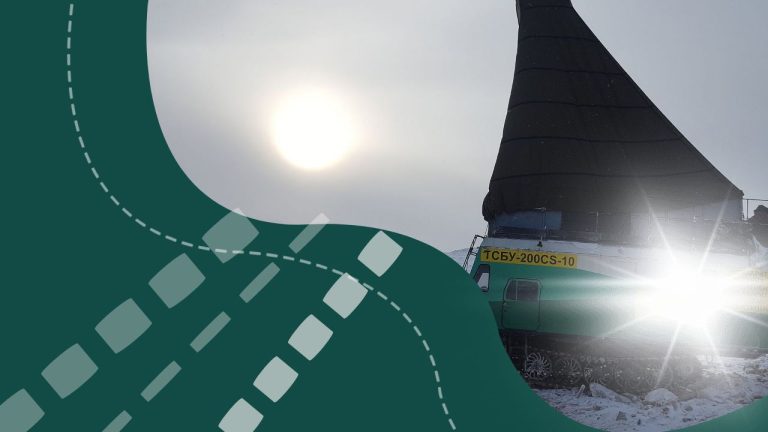
    Despite this geological potential, Greenland currently has no commercial rare earth production. The main obstacles include extreme Arctic conditions, widespread ice cover, limited infrastructure, absence of power grids and ports, and very high logistics costs.

    Projects have also faced regulatory and environmental challenges. The Kvanefjeld project, explored extensively since the late 2000s, was halted in 2021 after Greenland introduced a ban on uranium mining. Meanwhile, the Tanbreez project completed a preliminary economic assessment only in 2025 and remains years away from development.

    Even under favourable conditions, mining projects typically require seven to fifteen years from discovery to production. Greenland’s lack of existing infrastructure means development timelines could be even longer.

    Analysts note that while Greenland represents a significant long-term opportunity to diversify global supply chains for critical minerals, it cannot address immediate supply vulnerabilities. China currently dominates global processing capacity for many key materials, controlling roughly 95% of manganese processing, 65% of cobalt processing and about 35% of nickel processing.

    As a result, governments are increasingly focusing on accelerating domestic or allied mining projects that could reach production sooner, while simultaneously investing in long-term strategic opportunities such as Greenland.

    Experts say both approaches are necessary: developing Greenland’s resources will require sustained infrastructure investment and international cooperation, while near-term supply security will depend on faster development of projects in established mining jurisdictions.

  • Greenland Grants 30-Year Mining Permit for Climate-Friendly Aluminium Alternative

    Greenland Grants 30-Year Mining Permit for Climate-Friendly Aluminium Alternative

    Greenland has issued a 30-year mining license to Greenland Anorthosite Mining (GAM), a Danish-French mining group, to extract anorthosite—an unusual white rock that could play a key role in climate-friendly aluminium production. The permit covers a project site in western Greenland and marks a significant step toward the island’s ambitions to become a major player in the global green minerals market.

    GAM, backed by the French investment firm Jean Boulle Group and state investment funds from both Denmark and Greenland, aims to begin mining operations within five years. The company plans to export crushed anorthosite to the fiberglass industry, where it could serve as a more sustainable replacement for kaolin. Longer-term, it may replace bauxite in aluminium production, reducing the carbon footprint of a metal critical to the aerospace, automotive, and defense industries.

    Anorthosite is geologically similar to material brought back from the Moon by NASA’s Apollo missions, and its unique composition—aluminium, micro silica, and calcium—offers promising industrial applications.

    Despite the global spotlight on Greenland’s natural resources, Mineral Resources Minister Naaja Nathanielsen stated that heightened U.S. interest in the Arctic island—especially following former President Donald Trump’s 2019 proposal to purchase it—has not yet resulted in direct American investment.

    “Right now, all the fuss has not resulted in increased appetite for investment directly in Greenland,” Nathanielsen told Reuters. While U.S. business delegations have visited the island, formal talks with the U.S. government remain on hold.

    In contrast, Nathanielsen noted smoother progress with European Union and Danish partners, citing years of intensified cooperation.

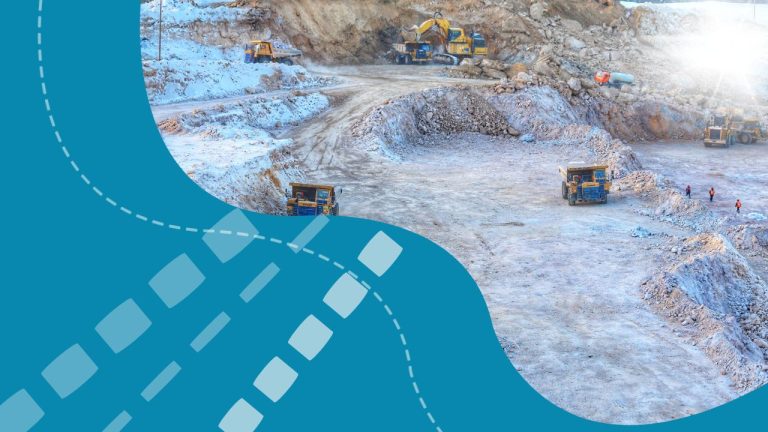
    Although Greenland is rich in minerals, oil, and gas, its mining sector remains underdeveloped due to investor caution, regulatory hurdles, and environmental concerns. At present, only two small mines are operational on the island.