Region: Poland

  • Poland and Canada Sign Crucial Nuclear Energy Cooperation Agreement

    Poland and Canada Sign Crucial Nuclear Energy Cooperation Agreement

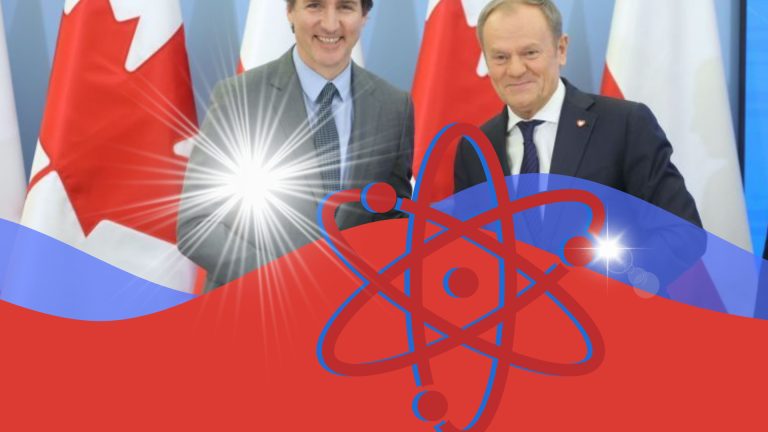
    The recent signing of a historic cooperation agreement between the governments of Poland and Canada marks a significant milestone for the development of nuclear energy in Poland. This agreement, formalized during Canadian Prime Minister Justin Trudeau’s visit to Warsaw on January 28, 2025, is set to play a key role in the construction of a fleet of BWRX-300 reactors in Poland, a cutting-edge technology developed by GE Hitachi Nuclear Energy.

    The bilateral agreement between the Government of Canada and the Government of the Republic of Poland on cooperation in the peaceful uses of nuclear energy enables collaboration between the Polish and Canadian nuclear industries, particularly in the field of BWRX-300 modular nuclear reactors. The agreement is also necessary in the entire process of importing nuclear technologies to Poland.

    During a joint press conference, Canadian Prime Minister Justin Trudeau emphasized: “The development of artificial intelligence, data centers, innovative technologies for our economies will require more energy in the coming decades. Canada is ready to be a trusted partner of Poland and our other allies in the supply of uranium, technology to support research and development, which will ensure a secure future in electricity generation.”

    Polish Prime Minister Donald Tusk highlighted the importance of the partnership, stating: “Cooperation with Canada is very important to us when it comes to SMRs. Canada is the world leader here. We hope that what you have already started to build in Darlington will become a reality and this fact will enable Poland to develop this technology.”

    Tusk’s reference to Darlington pertains to the construction of the world’s first BWRX-300 reactor, which is being built in the suburbs of Toronto. The construction is being carried out by Ontario Power Generation, which maintains close collaboration with OSGE.

    Rafał Kasprów, President of the Management Board of OSGE, provided context for the agreement’s significance: “The Nuclear Cooperation Agreement concluded today between Poland and Canada is a strategic agreement enabling the transfer of the latest American nuclear SMR technologies, including the BWRX-300 technology of the American industrial giant General Electric, and the transfer of experience from the construction of such reactors in Canada, where in mid-March this year a permit will be issued enabling the construction of the first four SMRs in the same technology as Orlen Synthos Green Energy will be used built a fleet of reactors in Poland – and thus will allow to provide energy for the economy, energy security and a civilizational leap related to meeting the demand for energy generated by data centers and AI.”

  • Death Toll Rises to Three in Southern Poland Coal Mine Fire

    Death Toll Rises to Three in Southern Poland Coal Mine Fire

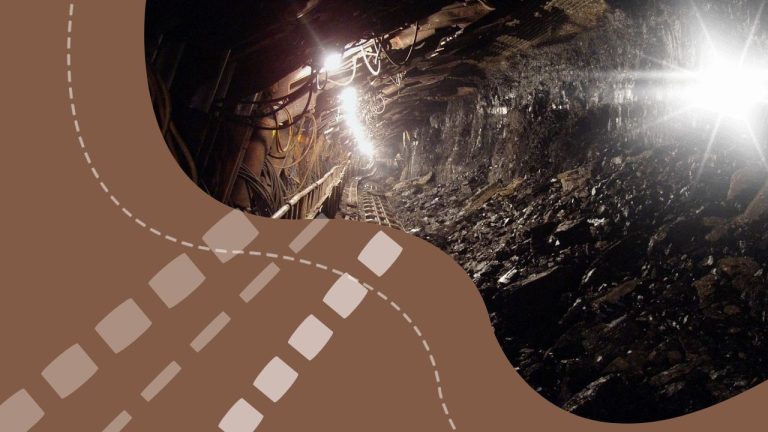
    The recent coal mine fire at the Knurow-Szczyglowice mine in southern Poland has claimed a third life, as two critically injured miners succumbed to their injuries on Saturday. The fire, caused by a methane gas ignition approximately 850 meters underground on Wednesday, left 16 workers injured, including nine with severe burns. The victims were rushed to specialized burn treatment centers, but many faced life-threatening conditions, with burns covering up to 80% of their bodies.

    Five of the injured miners, treated for minor injuries, have been discharged. Investigations into the cause of the methane ignition are ongoing, as methane remains a recurring hazard in Poland’s coal mining industry, leading to frequent fires and deadly explosions. Authorities are now focusing on improving mine safety measures to prevent similar tragedies in the future.

    The Knurow-Szczyglowice mine fire highlights the persistent dangers of methane gas in underground mining and underscores the need for stringent safety protocols to protect workers in hazardous environments.

  • Tremor at Polish Coal Mine Claims One Life, Injures Eleven

    Tremor at Polish Coal Mine Claims One Life, Injures Eleven

    A devastating underground tremor struck a coal mine operated by Polish mining group PGG in Radlin, southern Poland, early Monday morning, leading to the death of one miner and injuries to 11 others. The incident occurred at 2:06 AM GMT, roughly 800 meters underground.

    PGG Acting CEO Bartosz Kepa revealed that 29 workers were present in the affected zone during the tremor. Rescue efforts evacuated the area, and those injured were promptly transported to local hospitals. Among the hospitalized, four remain in serious condition, according to Lukasz Pach, head of emergency medical services in Katowice.

    Authorities are currently working to secure the damaged sections of the mine, with an assessment of material damage still underway. PGG’s Deputy Chief Executive for Production, Marek Skuza, stated that securing operations are critical to ensuring the safety of remaining workers and the integrity of the mine.

    This incident has raised renewed concerns about the safety of coal mining in Poland, a country heavily reliant on coal for energy and employment. Further investigations will aim to determine the exact cause of the tremor and evaluate safety measures in place to prevent such tragedies in the future.

  • Methane Ignition Injures 16 in Polish Coal Mine

    Methane Ignition Injures 16 in Polish Coal Mine

    A methane ignition in the Knurow-Szczyglowice coal mine in southern Poland left 16 miners injured on Wednesday, with 14 transported to local hospitals for treatment. The incident occurred at a depth of more than 850 meters, where 44 miners were present during the gas ignition. Emergency medical teams responded swiftly, providing assistance at the scene, while one miner, still underground, was awaiting helicopter transport to a hospital.

    Aleksander Chowaniec, deputy head of the State Mining Authority, confirmed that the affected miners had sustained burns. The operator of the mine, JSW, reported the accident, while its shares fell by 2.3% shortly after the news broke.

    The Knurow-Szczyglowice mine, known for its extensive underground operations, has faced challenges related to methane management, which is a common hazard in deep mining. Investigations are underway to determine the cause of the gas ignition, and rescue efforts for the remaining miner are ongoing. The incident has reignited discussions about safety protocols and the risks miners face in such hazardous environments.

  • Poland’s Energy Transition: Struggles and Opportunities for Coal Workers

    Poland’s Energy Transition: Struggles and Opportunities for Coal Workers

    In the coal-rich Konin-Turek basin of Poland, the shift towards decarbonisation is reshaping livelihoods and communities. Journalist Pamela Largue visited the region to understand how this energy transition impacts workers and their families, uncovering both challenges and opportunities.

    The area, located in the Greater Poland Voivodeship, holds one of the largest coal reserves in the country, with an estimated 466.4 million tonnes. Historically, mines like Jóźwin IIB, Drzewce, and Tomisławice have driven the local economy. Today, only Tomisławice remains operational, but its future is uncertain. Mine owner ZE PAK SA has announced plans to potentially close the mine as early as 2024, with coal-fired power generation slated to end by 2025.

    While the Konin and Pątnów power plants continue to operate, their closures loom on the horizon, leaving workers facing an uncertain future. For generations, these facilities have been central to the local economy, providing stable jobs. Now, communities are grappling with the complexities of transitioning to renewable energy while ensuring a just transition that protects workers’ rights and livelihoods.

    This transformation reflects Poland’s broader commitment to reducing its carbon footprint, but it also underscores the personal and societal costs of leaving coal behind. As the region adapts, the stakes remain high for both its people and its industries.

  • Greenpeace Protests in Poland: “Coal Is Finished, Stop Deceiving!”

    Greenpeace Protests in Poland: “Coal Is Finished, Stop Deceiving!”

    On Wednesday, December 4, Greenpeace activists staged a bold protest at the Ministry of Industry in Katowice, unfurling a large banner reading, “Coal is finished, stop deceiving!” The protest, coinciding with Barbórka, a traditional miners’ celebration, calls on Prime Minister Donald Tusk’s government to adopt a more realistic timeline for mine closures and prioritize a fair transition for the mining sector.

    Greenpeace demands the government redirect billions of zlotys in subsidies for mining companies toward renewable energy investments, job re-skilling programs, and energy-efficient housing projects. The NGO highlights that coal-fired power stations are set to shut down by 2035, based on updated analyses, and calls for urgent action to prepare miners for new opportunities.

    “Poland’s energy policy is based on the lie that coal has a future,” stated Marek Józefiak, Greenpeace Poland’s spokesman. He criticized the government for propping up unprofitable mines with PLN 18 billion (EUR 4.5 billion) in state aid this year and PLN 137 billion (EUR 34 billion) over the coming decades, as outlined in the 2021 social agreement on mining.

    The Polish Industrial Development Agency reported a PLN 9.2 billion (EUR 2.1 billion) loss in the coal mining sector in the first three quarters of 2024. Meanwhile, the share of hard coal in power generation is rapidly declining, with exports becoming unfeasible due to high prices. A Greenpeace report, The Last Decade of Coal, predicts that most coal-fired plants in Poland will close before 2030, with the last closures by 2035.

    Greenpeace’s Anna Meres, a climate campaign coordinator, warned that failing to invest in renewables like onshore wind could result in Poland relying on expensive, imported natural gas, jeopardizing the country’s energy security. She emphasized the need for a strategy that provides clean electricity and creates new employment opportunities for miners, citing potential job growth of 50,000 to 100,000 roles in renewables by 2030.

  • Kalisz Set to Begin Geothermal Drilling Project with Major Funding Support

    Kalisz Set to Begin Geothermal Drilling Project with Major Funding Support

    Kalisz, a city in Poland, is preparing to launch exploratory drilling for geothermal resources by early 2025. This project aims to harness thermal water to provide heating for both municipal and residential buildings and supply recreational facilities in the area.

    The initiative has gained momentum following the signing of funding agreements with the National Fund for Environmental Protection and Water Management (NFOSiGW) and six other municipalities. Through this funding, Kalisz will receive PLN 15 million (around USD 3.72 million) to support the geothermal drilling efforts.

    The exploratory well in Kalisz will be drilled as a vertical borehole near Sportowa Street, Wal Jagiellonski, and the Swedrnia River, reaching a depth of 1,700 meters. Following the drilling, the project will conduct hydrogeological, geophysical, and laboratory tests to confirm the site’s viability, with full hydrogeological documentation anticipated by 2026.

    Experts suggest that Kalisz‘s geothermal resources may offer higher temperatures compared to Uniejow and Poddebice, cities where geothermal heating has successfully operated for several years. Mayor Krystian Kinastowski highlighted the potential of this clean energy source, stating, “Geothermal energy offers affordable heating solutions for Kalisz residents and will benefit both current and future housing developments.”

    The geothermal project is expected to provide not only cost-effective energy but also to stimulate economic growth, contributing significantly to Kalisz’s development.

  • Belchatow Faces Uncertain Future as Europe’s Largest Coal Plant Prepares to Close

    Belchatow Faces Uncertain Future as Europe’s Largest Coal Plant Prepares to Close

    In Belchatow, Poland, the PGE coal-fired power plant, Europe’s largest and one of the world’s top polluters, has powered local industries and provided 20% of Poland’s electricity for decades. With EU-driven goals pushing its closure by 2036, the city of 55,000 braces for significant economic shifts. Efforts to retrain workers for “green collar” jobs and build renewable energy projects are underway, though residents worry about a lack of clarity on future job prospects. The transition’s impact is already visible: youth are increasingly leaving Belchatow, and a new wave of political support has emerged for Patryk Marjan, the city’s first far-right mayor, who campaigned against the EU’s Green Deal. Locals express concern over the region’s future, and some fear the city could lose its vitality and identity post-coal, with some joking it could become “churches and kebab shops.” The question remains whether Belchatow can secure an economically sustainable future in the clean energy era.

  • Poland’s Coal Mine Leisure Lake Proposal Sparks Debate Over Economic Viability

    Poland’s Coal Mine Leisure Lake Proposal Sparks Debate Over Economic Viability

    Poland’s Bełchatów, Europe’s largest coal mine, is slated for a transformation into a leisure lake by 2070 under the state-owned utility PGE’s plan. While PGE views the lake as a way to reuse the land, critics argue the project diverts from urgently needed green energy infrastructure that could bring more immediate economic benefits. Local officials emphasize renewable energy would create more jobs and help the area transition economically, while the lake project’s timeline raises concerns in the coal-dependent community.

  • GreenX Wins £252 Million in Arbitration Case Against Poland, Share Price Soars

    GreenX Wins £252 Million in Arbitration Case Against Poland, Share Price Soars

    The share price of coal developer GreenX surged by nearly 40% on Tuesday following the company’s announcement of a significant victory in its arbitration case against Poland. GreenX, which is listed on both the London Stock Exchange (LSE) and the Australian Securities Exchange (ASX), has been awarded £252 million (A$490 million) in compensation and interest.

    The company, formerly known as Prairie Mining, had claimed that Poland violated its obligations under international treaties by obstructing the development of the Jan Karski and Dębieńsko coal mines. This, GreenX argued, deprived the company of the entire value of its investments in the country. The arbitration tribunal ruled in favor of GreenX regarding the Jan Karski project, awarding compensation for the breach. However, the tribunal did not uphold GreenX’s claim related to the Dębieńsko mine.

    As a result of the ruling, GreenX’s stock surged in London, closing at £48.45 per share, reflecting a nearly 40% increase. The announcement came after the markets had closed in Sydney.